Choosing reliable China Best Boltless Systems Wholesale Suppliers requires more than comparing catalog prices. Buyers need evidence of manufacturing experience, material consistency, and dependable export support. Boltless Systems should assemble smoothly, carry stated loads, and remain stable during repeated use. A supplier’s factory history, production controls, and quality records can reveal more than polished product photos.
Look closely at steel thickness, connector design, surface coating, and shelf tolerance. Ask for load test reports, sample units, and clear packaging specifications. A practical sample inspection may reveal loose joints, uneven paint, or difficult assembly. Small details matter. They affect installation time and long-term customer satisfaction.
Experienced sourcing teams should also assess communication speed and technical accuracy. Can the supplier explain its testing process? Can it provide replacement parts and consistent batches? These questions help separate capable manufacturers from trading companies with limited control. Certifications may support credibility, but they should be verified against the actual product and factory.
Cost still matters. Yet the lowest quotation can hide thinner steel, weaker cartons, or costly after-sales problems. Freight planning, minimum order quantities, customization options, and payment terms deserve equal attention. The ideal supplier is not always the largest one. Sometimes, a responsive mid-sized factory offers better flexibility and clearer supervision.
No supplier evaluation is perfect. Samples may not represent every production batch. Therefore, buyers should review performance over time and document each shipment. This guide examines practical selection criteria, supplier verification steps, and purchasing risks for businesses seeking dependable wholesale solutions from China.
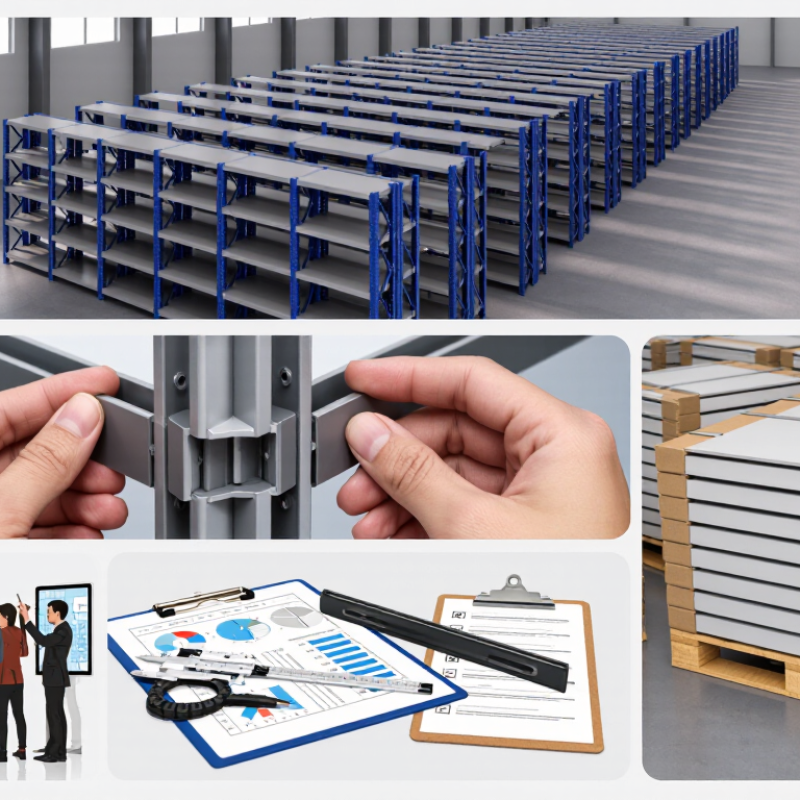
What Are Boltless Systems and How Do They Work?
Boltless systems are modular storage structures assembled without nuts, bolts, or welding. Their frames usually use upright posts, horizontal beams, and shelf panels. Each post has repeated slots or punched holes. Beams lock into these openings with hooks, tabs, or a simple pressing mechanism. A rubber mallet may help seat the joints firmly. No specialist tools are normally required. That is the practical appeal.
In use, the upright posts carry vertical loads, while the beams transfer weight across each shelf. The shelf panel spreads cartons, bins, or household items over the frame. Adjustable levels let users change storage height as stock changes. A stable floor matters. Uneven surfaces can twist the structure and reduce safe capacity. Load ratings should come from tested data, not a sales conversation. Experienced warehouse installers also check beam engagement, frame alignment, and aisle clearance before placing goods.
For wholesale purchasing, buyers should ask about steel thickness, coating quality, joint design, packaging, and inspection records. Samples reveal more than photographs. I have found that a fast assembly claim can hide awkward instructions or loose connections. That deserves scrutiny. Boltless does not mean maintenance-free. Periodic checks can identify bent posts, overloaded shelves, or damaged coatings before small defects become costly problems. Supplier reliability also depends on consistent dimensions, clear tolerances, and honest communication about production limits. A slightly slower system may perform better when workers assemble it repeatedly.
They are modular shelves assembled without nuts, bolts, or welding. Upright posts contain repeated slots or punched holes. Beams lock into these openings with hooks or tabs. Shelf panels then spread cartons, bins, or household items.
Workers fit horizontal beams into the upright posts. A rubber mallet may seat tight joints. Specialist tools are usually unnecessary. Still, quick assembly can hide confusing instructions.
Upright posts carry vertical loads. Beams transfer weight across each shelf. The shelf panel distributes pressure over the frame. Use evenly distributed loads, not one heavy box.
Yes, many systems use multiple slot positions. Users can raise or lower beams as stock changes. A tall carton may need one level. Small bins may need several closely spaced levels.
The floor should be stable and reasonably level. Uneven surfaces can twist the frame. They may also reduce safe capacity. Check alignment before loading goods.
Request steel thickness, drawings, load ratings, and inspection records. Confirm shelf depth, beam spacing, and usable clearance. Ask whether dimensions include connectors and protective feet. “Heavy duty” alone proves very little.
No. Samples reveal construction details better than photographs. However, one sample cannot prove every production batch. Use measurable requirements and pre-shipment inspection. Test one assembled bay with real cartons.
Many factories combine steel cutting, coating, packaging, and export preparation. This can reduce coordination between separate vendors. Suppliers may also offer custom sizes, colors, and carton labels. Low prices still require careful verification.
They are not maintenance-free. Periodically inspect bent posts, loose joints, overloaded shelves, and damaged coatings. Check aisle clearance after relocating units. Small defects can become expensive problems.
Boltless Systems are modular storage solutions designed for fast assembly without nuts, bolts, or specialized tools. Using interlocking frames, adjustable beams, and compatible panels, they can be configured for warehouses, workshops, retail spaces, offices, and home storage. China offers a broad wholesale supply market, making it possible to compare different materials, sizes, load capacities, finishes, and packaging options while benefiting from scalable production and competitive pricing.
When evaluating China’s best Boltless Systems wholesale suppliers, buyers should review product specifications, manufacturing capabilities, quality-control procedures, customization services, lead times, and communication efficiency. It is also important to confirm load testing, surface treatment, component compatibility, packaging protection, and replacement-part availability before placing an order. Requesting samples, drawings, quotations, and clear inspection standards can help reduce misunderstandings and ensure the selected system meets project requirements. A reliable supplier should provide consistent quality, transparent terms, and practical support from product selection through delivery.

 Shunyiming Racking