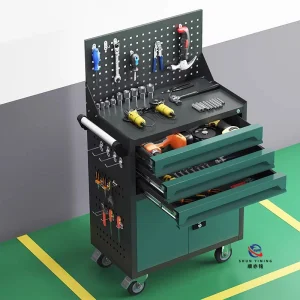
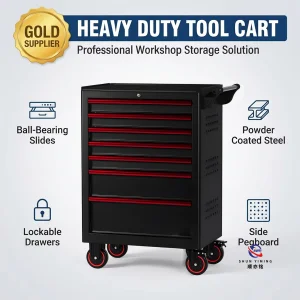
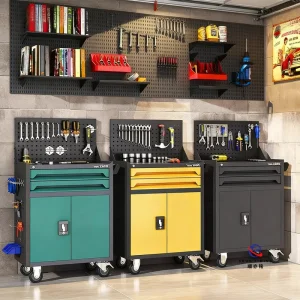
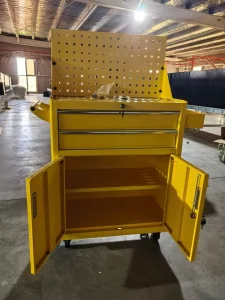
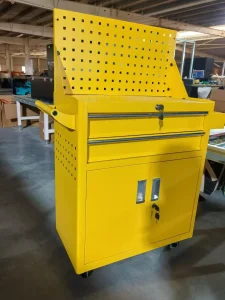
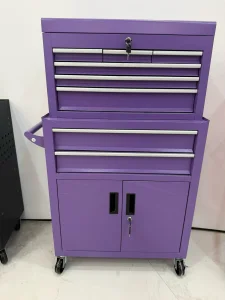
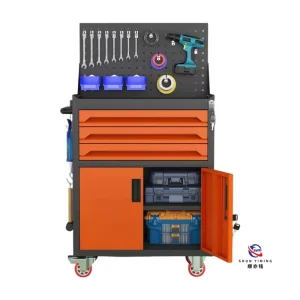
In the age of Industry 4.0 and lean manufacturing, operational efficiency is no longer simply about fast machines—it is about the elimination of wasted motion (known as "Muda" in Lean Philosophy). Modern industrial workstation cabinets and heavy-duty steel tool trolleys serve as active focal points for technician workflow optimization.
Global production environments face a significant transition. Rigid, stationary tool cribs are giving way to agile, mobile, and modular tool cabinets. Moving parts and tools directly to the work assembly line reduces technician movement, speeds up production cycles, and directly impacts overall equipment effectiveness (OEE). By consolidating hardware parts storage, electrical connections, and critical tooling setups into a unified mobile storage solution, factories can improve task changeover times by up to 34%.
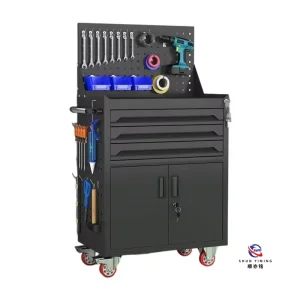
Industrial procurers targeting tool trolleys look for structural steel thickness, weight capacities, sliding mechanism cycles, lock security systems, and global safety compliances rather than standard residential utility racks.
Reduces tool search and transit times, standardizing workstation organization (5S compliance).
Anti-tipping mechanisms prevent multi-drawer release, protecting shop floor personnel.
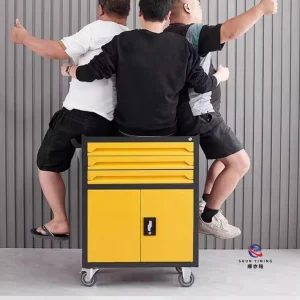
Reinforced double-wall steel structures built to survive demanding multi-shift operations.
Interchangeable partitions, pegboard options, and smart integrations for digital tooling.
Explore the structural details, materials science, and durability benchmarks that differentiate industrial-grade mobile cabinets from retail-grade utility units.
Crafted using high-density SPCC cold-rolled steel plates with thicknesses ranging from 1.2mm to 2.0mm. This material undergoes precision stamping and automated CNC bending to ensure load integrity, resisting structural warping under continuous heavy loads.
Equipped with industrial-grade, fully-extendable ball bearing slides rated for 45kg to 100kg load capacity per drawer. Engineered to withstand over 100,000 opening/closing cycles under full capacity without experiencing mechanical sagging or slide failures.
Incorporates central key locking systems alongside integrated single-drawer release mechanisms (one-drawer-at-a-time). This structural dynamic prevents tipping hazards by locking out all other drawers when one is pulled out to its maximum extension.
How differing international markets design, standardize, and scale their tool organization systems to match unique local assembly dynamics.
In highly automated sectors such as aerospace assembly, modern automotive factories, and semiconductor maintenance facilities, a tool trolley is no longer just a metal box. It functions as an ergonomic work center. Global enterprises now require workstation cabinets with integrated power panels, chemical-resistant worktops, customizable shadow boards for Foreign Object Debris (FOD) prevention, and ESD (Electrostatic Discharge) protective coatings. This alignment ensures compliance with international quality controls and protects sensitive electronic components.
Maintenance, Repair, and Overhaul (MRO) centers in railway networks, marine shipyards, and commercial fleet depots require heavy-duty tooling configurations. Trolleys deployed in these settings need polyurethane-coated, shock-absorbing casters capable of traversing uneven industrial concrete, expansion joints, and steel gratings. The integration of robust side handles and protective corner bumpers helps reduce the risk of structural damage when moving tools through tight, active factory environments.
Shenzhen Shunyiming Trading Co., Ltd. operates a premier, ISO9001 and CE-certified manufacturing facility spanning 32,000 square meters. Our integration of advanced raw material preparation, automatic lines, and strict quality control delivers reliable industrial storage systems.
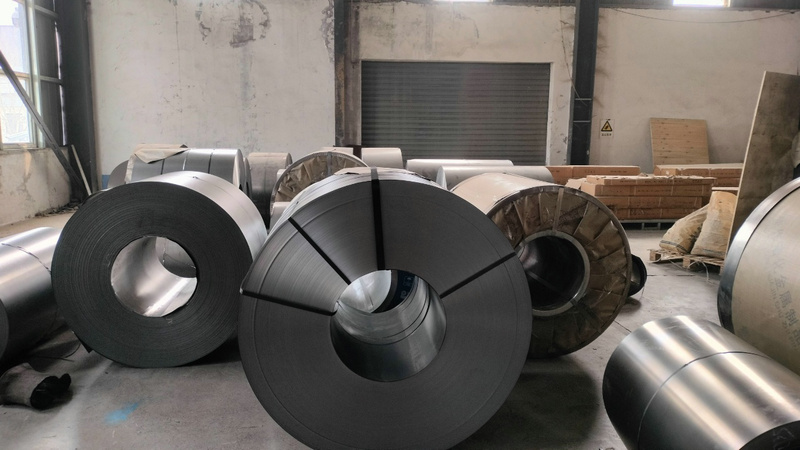
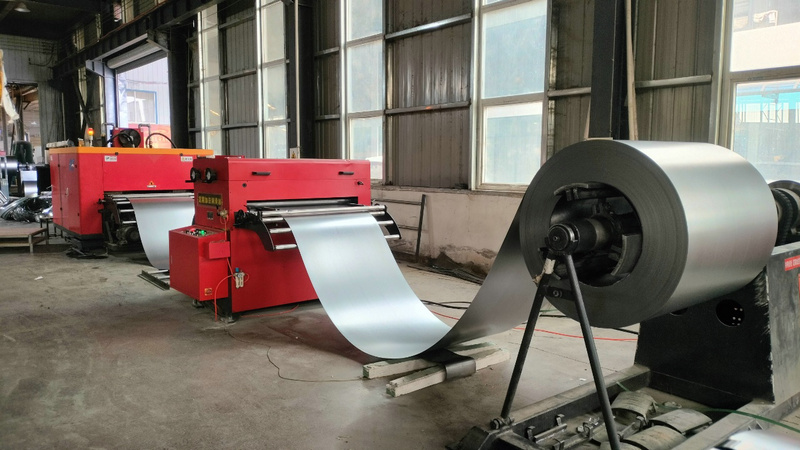
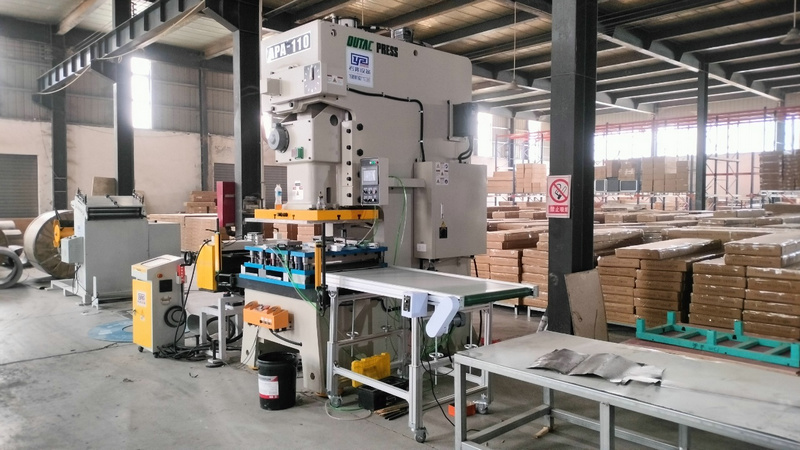
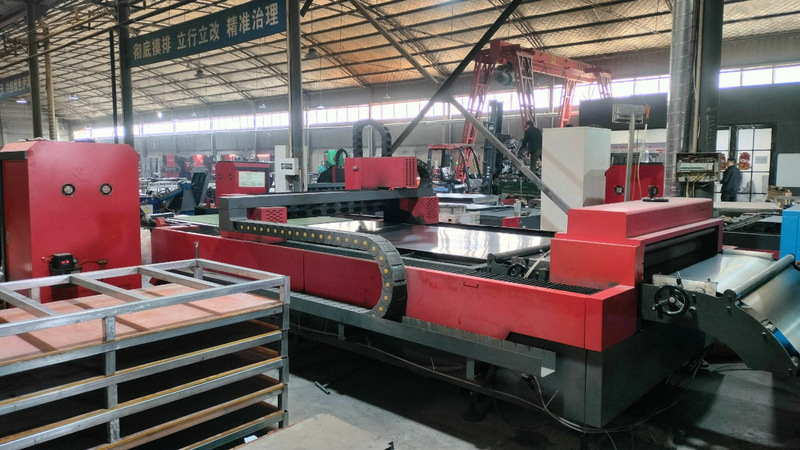
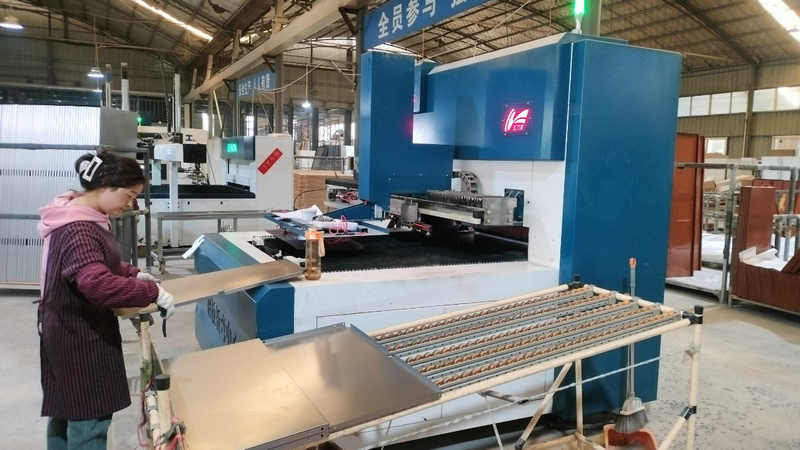
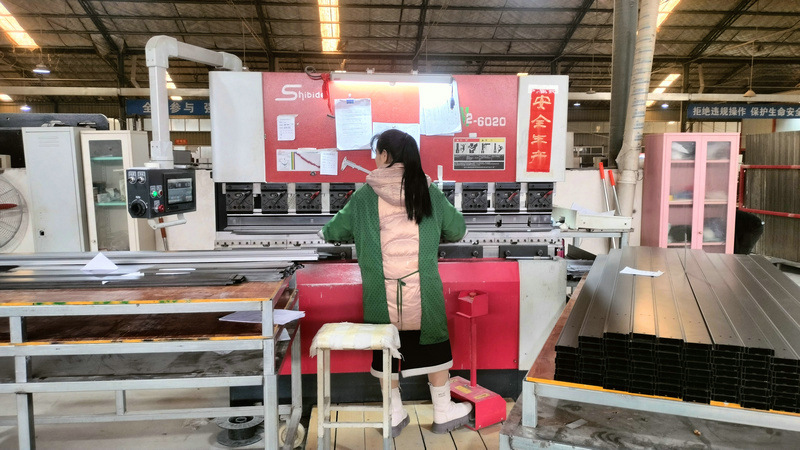
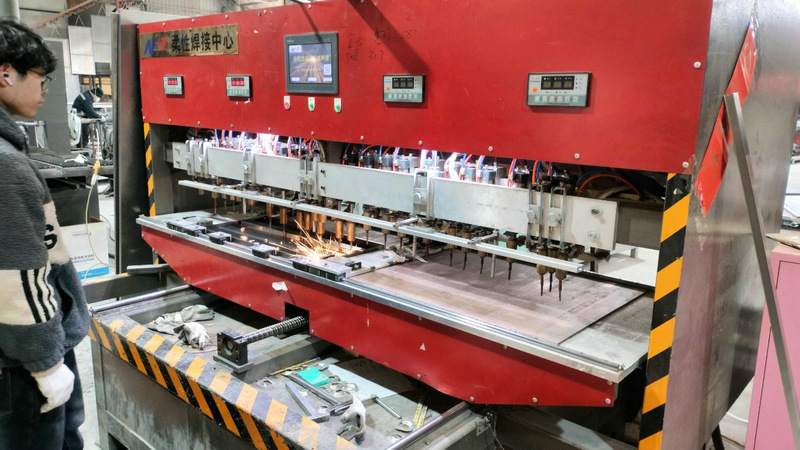
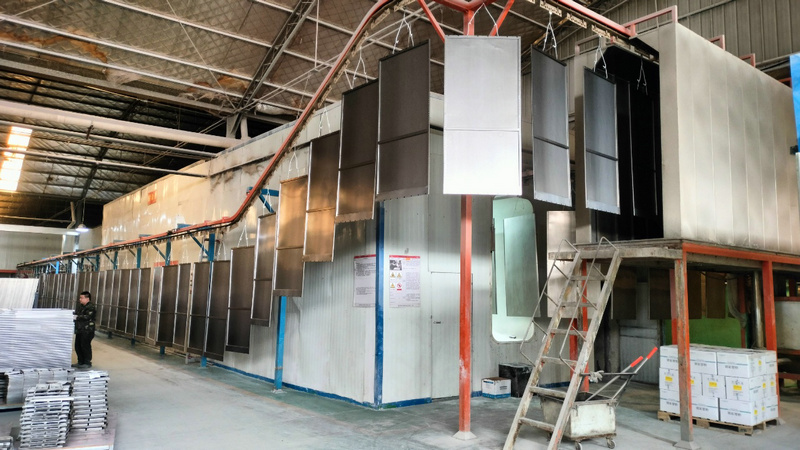
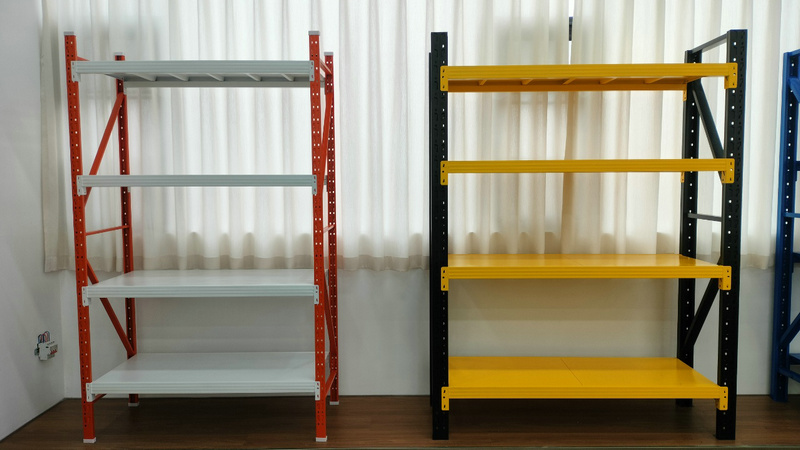
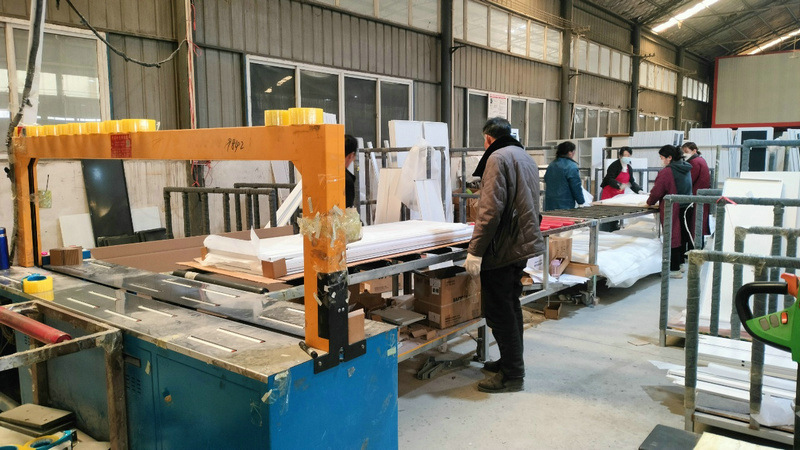
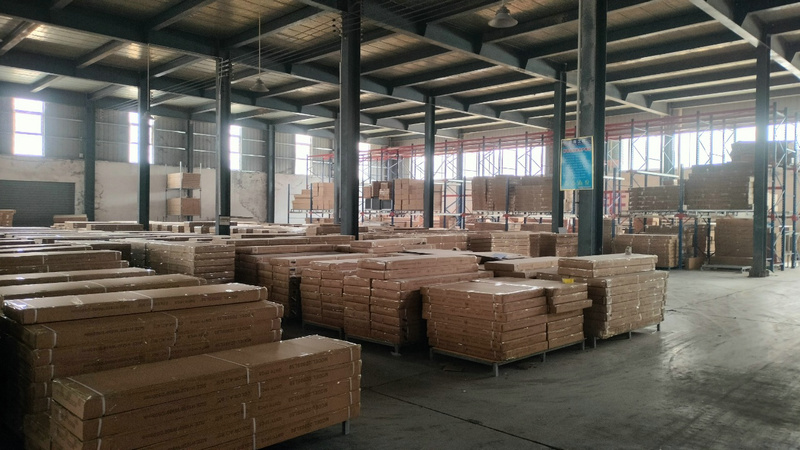
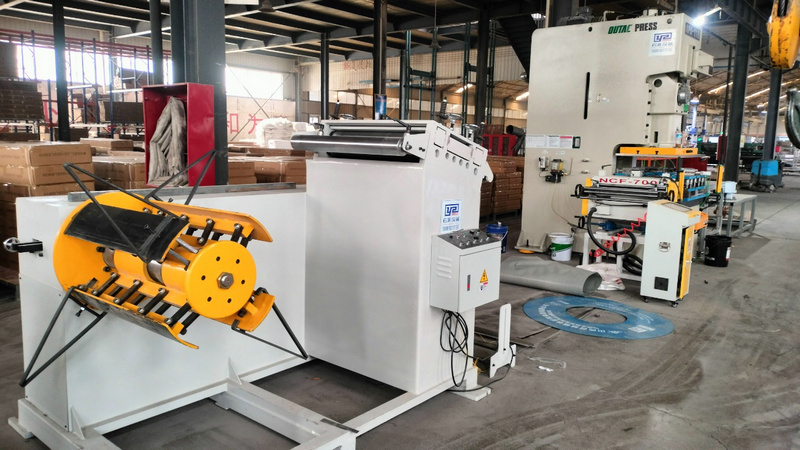
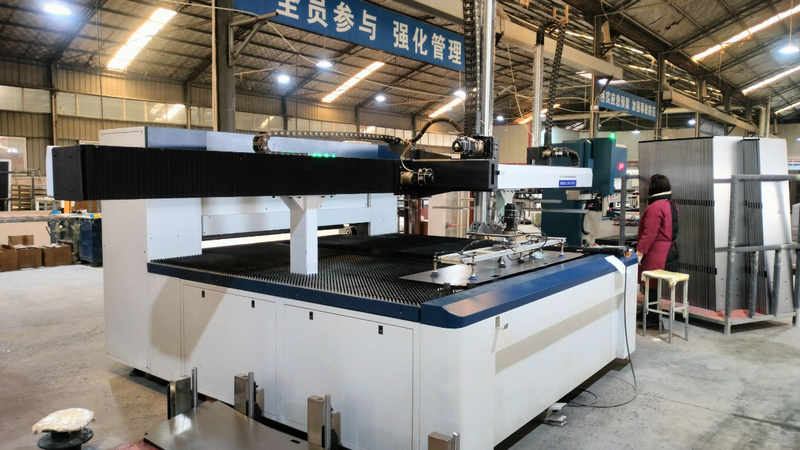
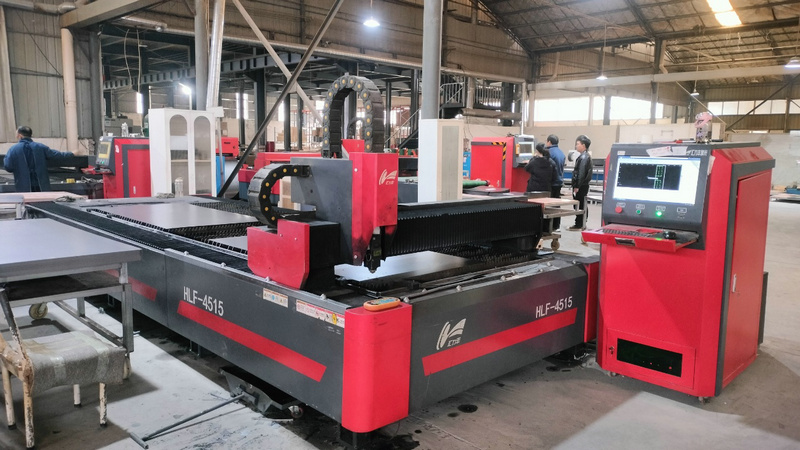
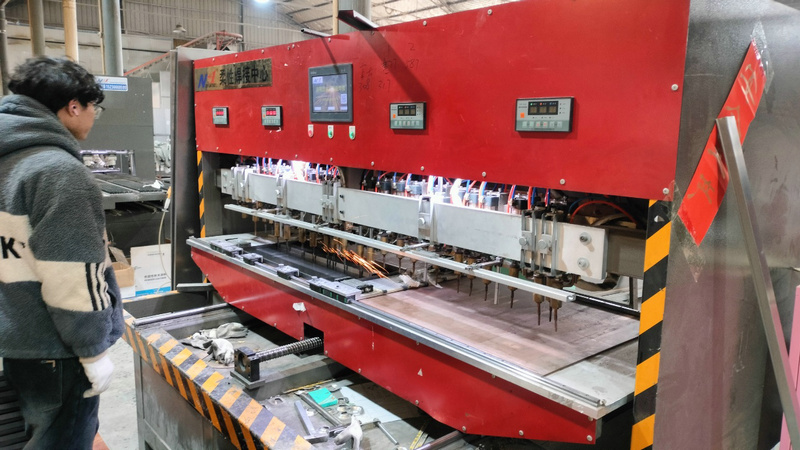
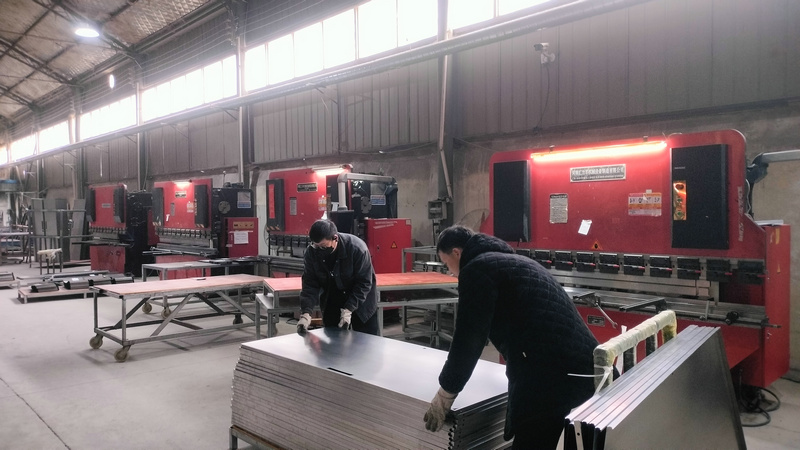
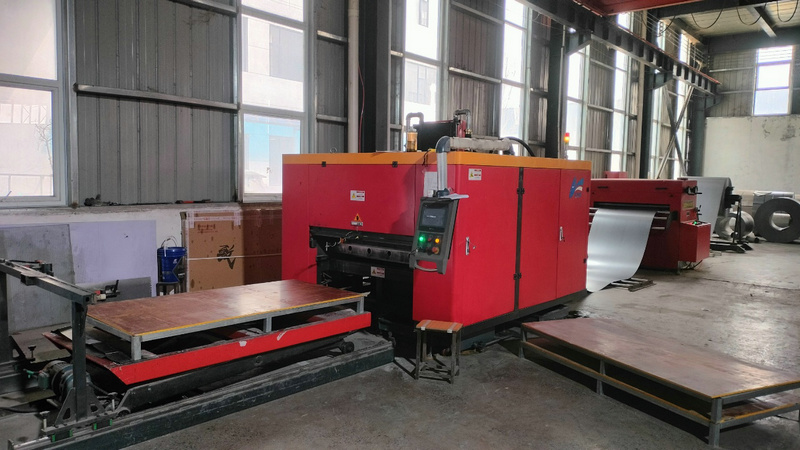
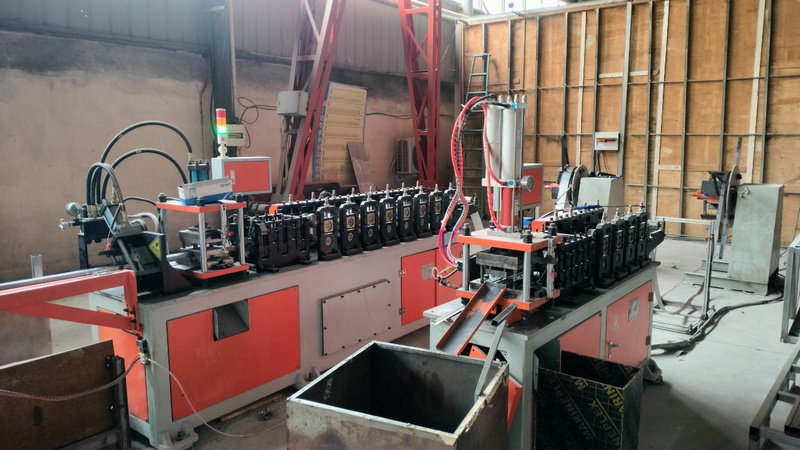
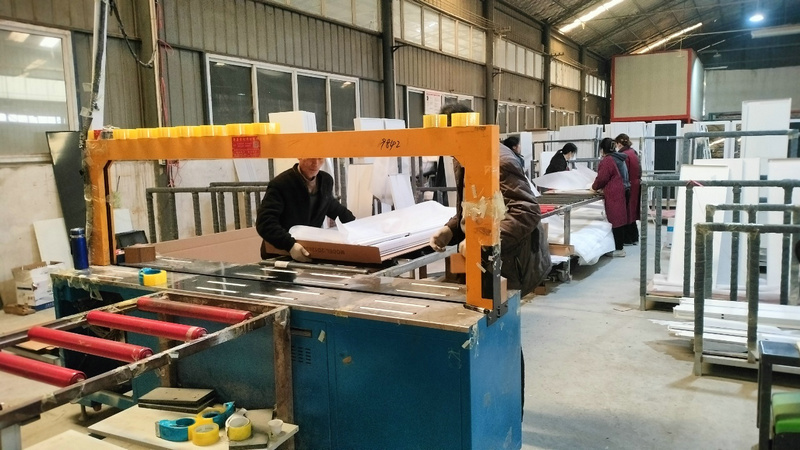
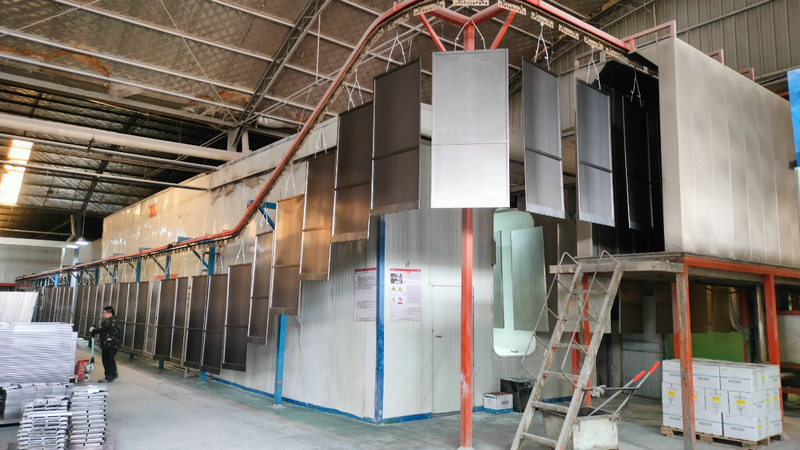
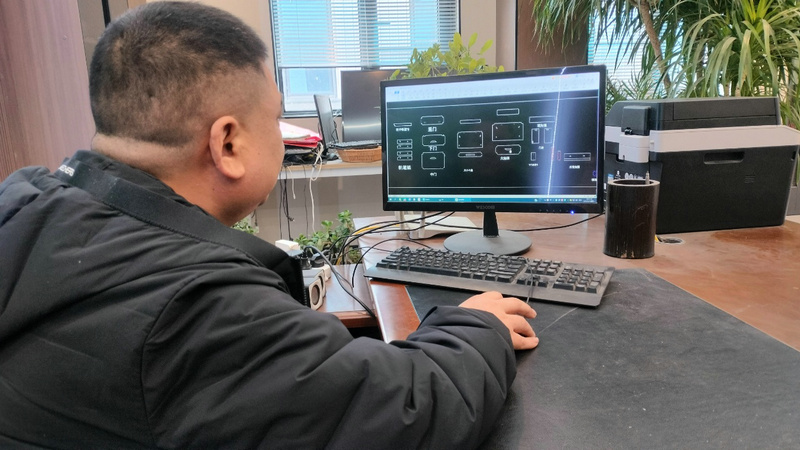
Shenzhen Shunyiming Trading Co., Ltd. combines raw material management, advanced metalworking, and precise finishing processes. Backed by a network of over 800 supply chain partners, we secure high-grade steel to buffer against commodity price shifts and ensure consistent production timelines. Our manufacturing processes include automated punching and multi-spot welding, leading to strong, reliable cabinet joins.
Supported by a dedicated R&D department featuring 18 senior structural engineers, we deliver comprehensive OEM/ODM customization. This includes custom structural dimension planning, dynamic load distribution calculations, anti-corrosion powder coat matching, and earthquake-resistant layout options. We actively manage the product lifecycle from design and cutting to assembly, painting, and packing. This end-to-end integration helped us introduce 65 new structural designs last year alone, helping clients optimize floor space and operational output.
Industrial equipment must meet regional regulatory compliances and environment-specific standards. Here is how our configurations adapt to regional markets.
North American distribution centers and automotive repair hubs require safety factors that align with ANSI standards. Solutions focus on high drawer load limits, clear imperial sizing options, heavy-duty drawer safety catches, and durable powder-coat finishes that resist common garage fluids and solvents.
European Union buyers focus heavily on DIN standard guidelines, CE declarations, and chemical-safe paint processes (REACH/RoHS compliance). Workstation cabinets designed for Europe require integrated ergonomics, clean lines, recycling-friendly structural components, and central locking safety mechanisms.
To survive high ambient humidity, seaside salinity, or dust-heavy industrial sites, tool trolleys deployed in Southeast Asia and the Middle East feature dual-layer polyurethane coatings. They also utilize sealed, dust-resistant ball-bearing slides and heavy-duty casters that protect against sand and dirt ingress.
Industrial workspaces are becoming increasingly connected. At Shenzhen Shunyiming, our design focus extends beyond traditional metal bending toward intelligent tool management solutions.
Next-generation designs incorporate RFID scanning bands to monitor tool inventory in real-time, helping to prevent misplaced items in critical industries like aerospace. Biometric and smart-card locking mechanisms replace manual keys, providing clear digital access logs for fleet managers. We are also testing lightweight, high-strength composite materials to reduce total trolley weight while maintaining structural load capacities, helping to reduce shipping emissions and improve manual handling ergonomics.
Our dedicated team of 45 certified QC inspectors tests incoming raw materials and monitors welds to maintain high standards of structural integrity.
Our tool cabinets undergo rigorous dynamic load tests, moving at full design capacity over uneven surfaces to verify that welds, casters, and slide assemblies can handle the stresses of active shop floors.
Workstation parts undergo salt spray chambers to confirm anti-corrosion performance, verifying that the powder-coated finish resists chipping and chemical exposure in harsh industrial settings.
We perform repetitive automated cycle tests on drawers and lock systems to ensure consistent performance over years of daily service, minimizing the risk of failure in the field.
Get professional technical insights on materials, customization, logistics, and compliance from our engineering team.
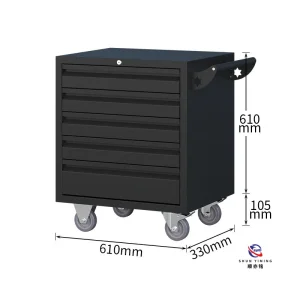
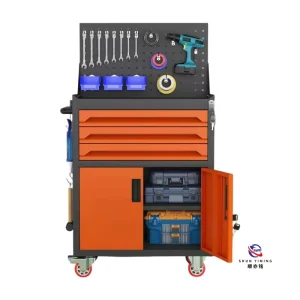
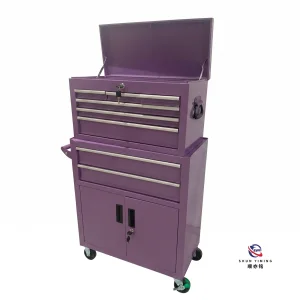
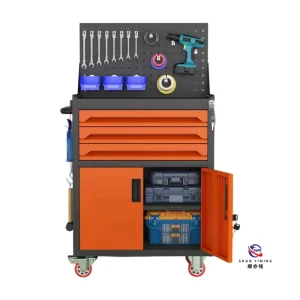
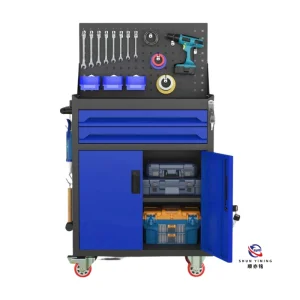
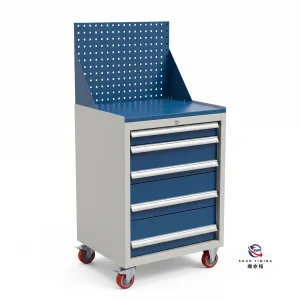
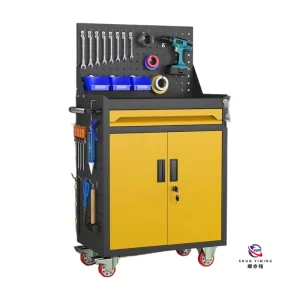
 Shunyiming Racking