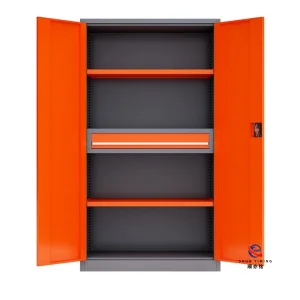
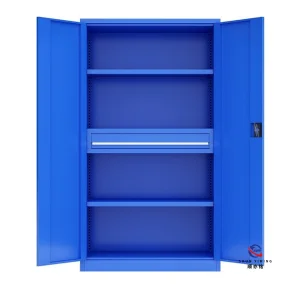
Engineered for harsh workshop environments, offering seamless workflow organization, reinforced load integrity, and optimal tool protection.
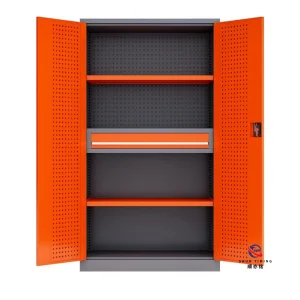
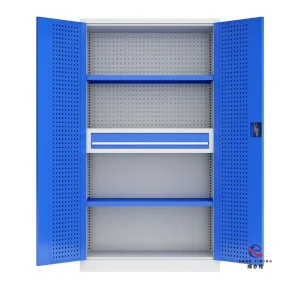
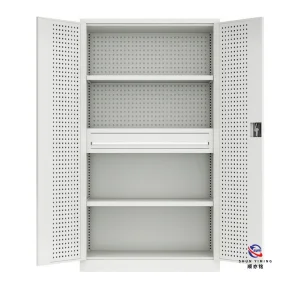
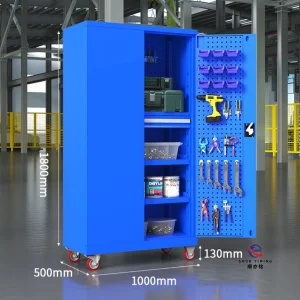
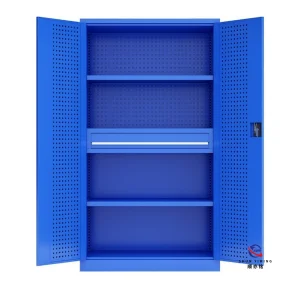
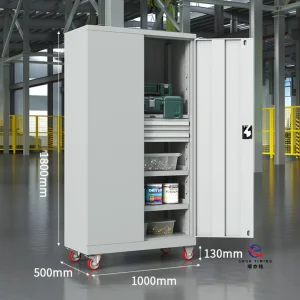
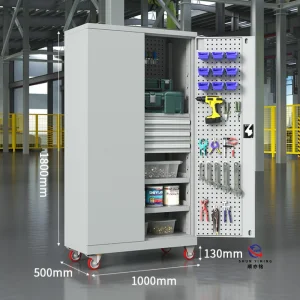
Why high-density, heavy-duty workstation cabinets have transition from simple tool storage to critical nodes of productivity, safety, and lean manufacturing.
Supporting rapid tool retrieval, mechanical component weight capacities, and high-cycle drawer glide durability in 24/7 service hubs.
Meeting rigorous FOD (Foreign Object Debris) prevention standards via organized shadow boards, lockable compartments, and specialized tool tracking.
Custom anti-corrosion, electrostatic discharge (ESD) surfaces, and specialized configuration setups for sensitive calibration environments.
Engineered for extreme loading metrics (up to 1,000kg load capacity) to support high-density dyes, press-tools, and severe mechanical apparatus.
Modern industrial footprints are increasingly expensive. Workstation cabinet systems must fulfill a dual purpose: securing high-value tooling assets while optimizing structural and space efficiency. Through the integration of modular pegboards, multi-tiered security locking, and customizable drawer configurations, heavy-duty cabinets significantly reduce tool-retrieval time, fostering lean manufacturing methodologies (5S system).
B2B procurers now look past price parameters. The focus has pivoted toward total lifecycle costs. A cabinet fabricated from thin sheet metal will fail under high cycles, resulting in sticking slides, misaligned doors, and security vulnerabilities. Our workstation cabinets are built to bypass these failures, employing cold-rolled structural steel to ensure load integrity for decades.
When selecting tool cabinets, metal thickness is a crucial engineering metric. Cheap residential units use 0.6mm to 0.8mm steel, which bends under heavy stress. Industrial-grade solutions require 1.2mm (18-gauge) structural steel. The mechanical drawer slides must feature industrial ball-bearings capable of supporting at least 60kg to 120kg per drawer under full extension without bending or binding.
Furthermore, dynamic loading parameters differ vastly from static ratings. A mobile cabinet loaded to 500kg requires heavy-duty polyurethane caster systems, dual locking brakes, and structural chassis reinforcement to prevent tipping or structure collapse during movement over uneven industrial flooring.
A premier manufacturer and global supplier specializing in heavy-duty industrial racking and smart warehouse storage systems.
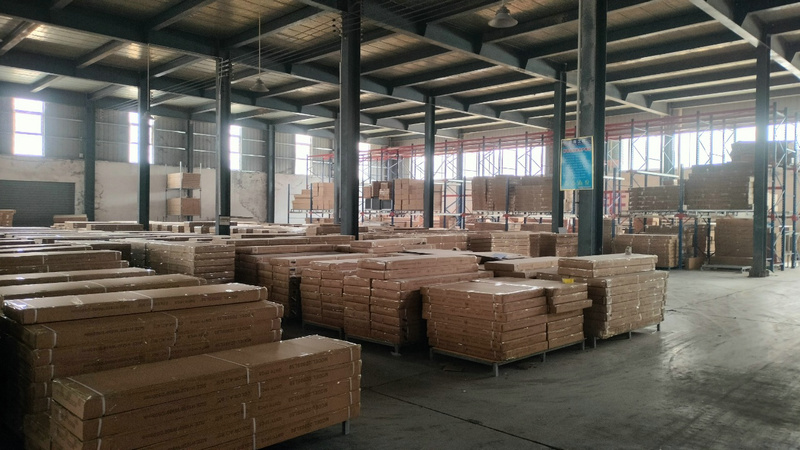
Established in 2015, Shenzhen Shunyiming Trading Co., Ltd. is a global leader in high-performance storage manufacturing. Operating out of a state-of-the-art facility spanning over 32,000 square meters, we bring over 14 years of deep industry expertise and 8 years of dedicated international trade experience to the global market. Driven by innovation, our annual export revenue has reached USD 28 million, serving clients across North America, Europe, Southeast Asia, and the Middle East.
At Shenzhen Shunyiming, quality and structural integrity are paramount. Supported by a robust network of more than 800 supply chain partners, we cater primarily to global logistics hubs, large-scale enterprise warehouses, industrial distributors, and e-commerce fulfillment centers.
Our dedicated quality control team of 45 certified inspectors enforces rigorous testing protocols—including full raw material incoming inspection, automated online weld integrity monitoring, and heavy load-capacity stress tests—ensuring every racking and cabinet system meets international safety standards like ISO9001 and CE.
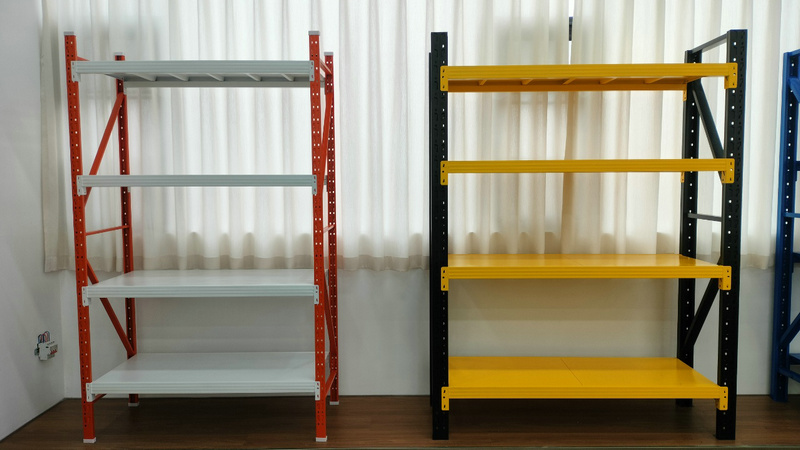
Our strong R&D department, staffed by 18 senior structural engineers, enables full OEM/ODM customization. From dynamic load calculations and custom dimensions to specialized anti-corrosion powder coatings and seismic-resistant layouts, we deliver tailor-made solutions. In the past year alone, our R&D team successfully introduced 65 new product designs to help our clients optimize warehouse footprint and operational efficiency.
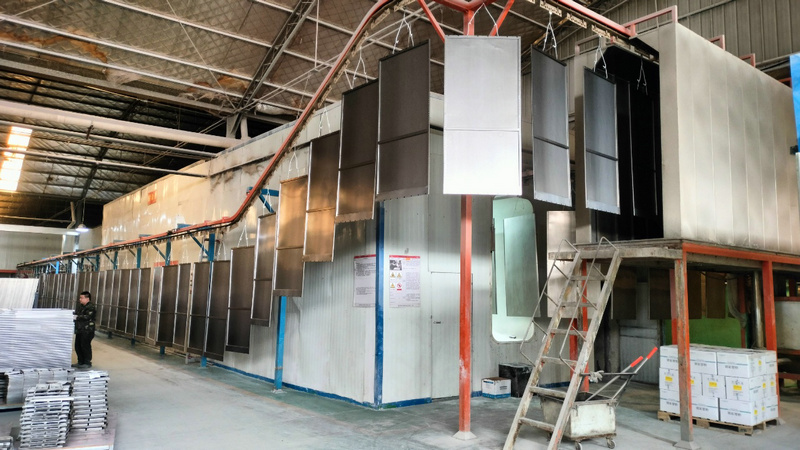
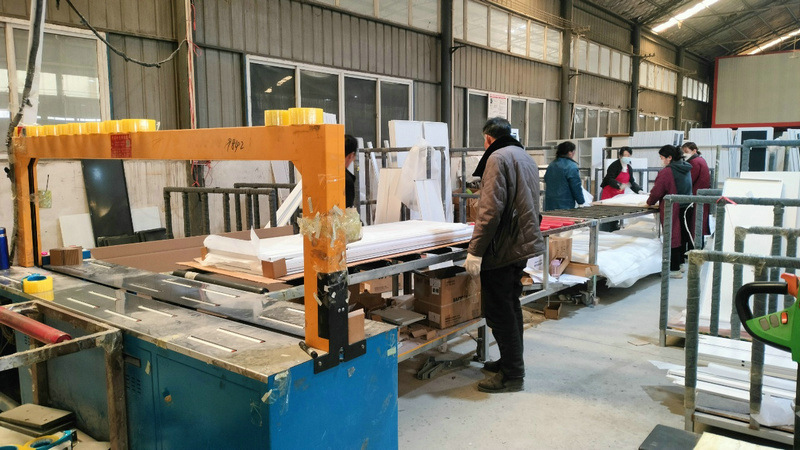
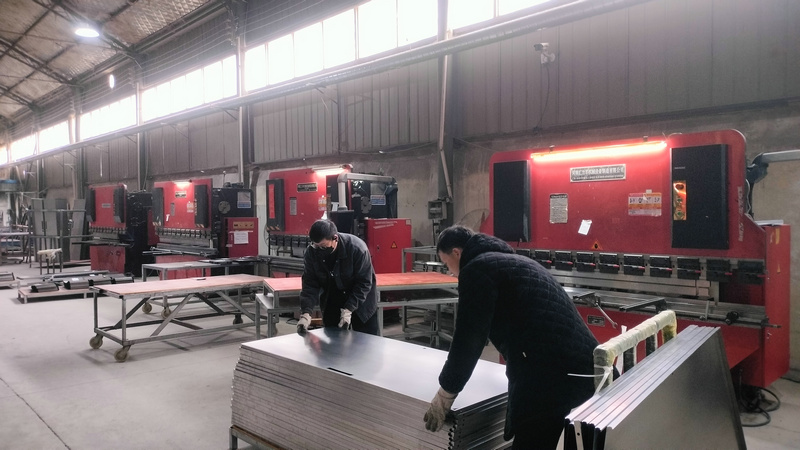
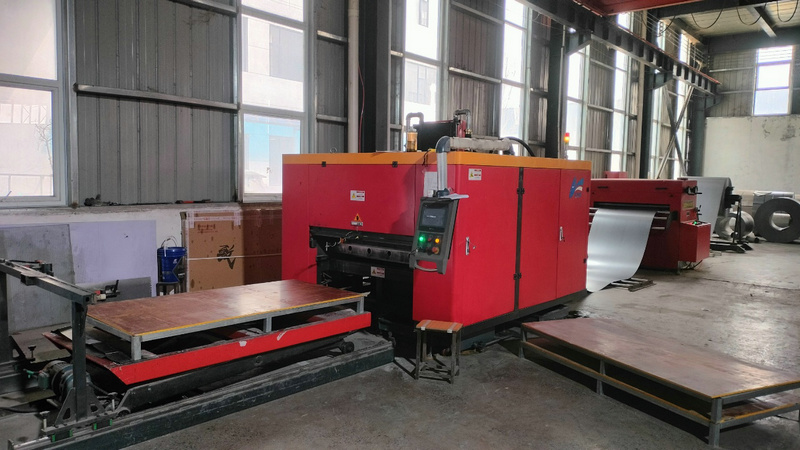
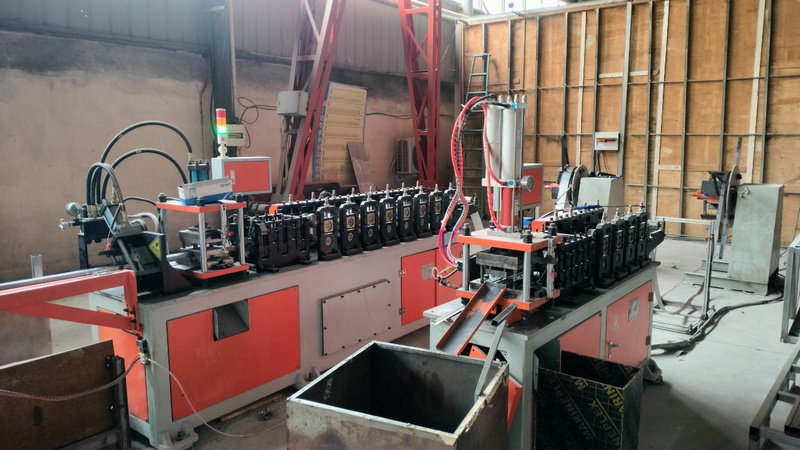
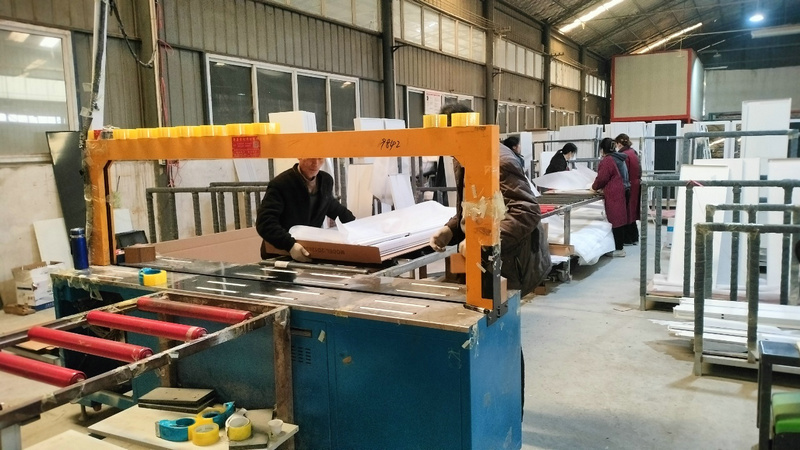
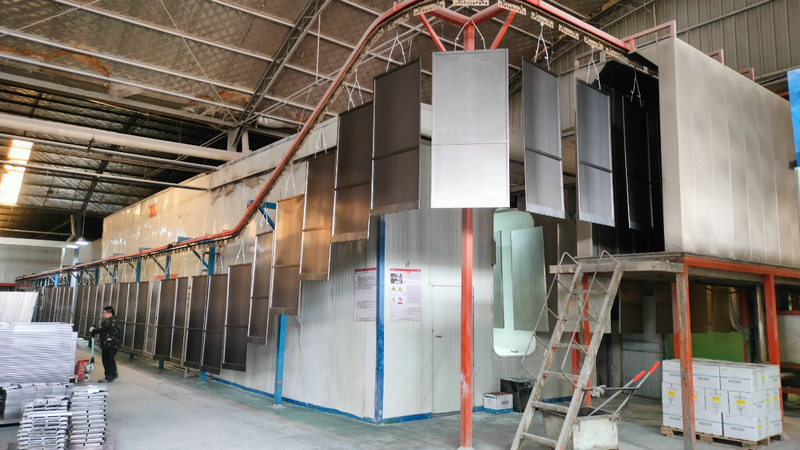
Ensuring absolute precision, weld integrity, and structural uniformity through highly automated CNC systems, laser cutting lines, and electrostatic powder coating technology.
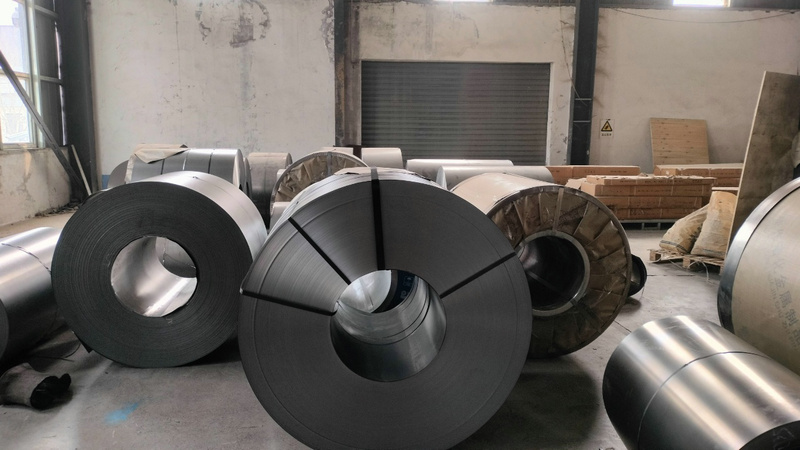
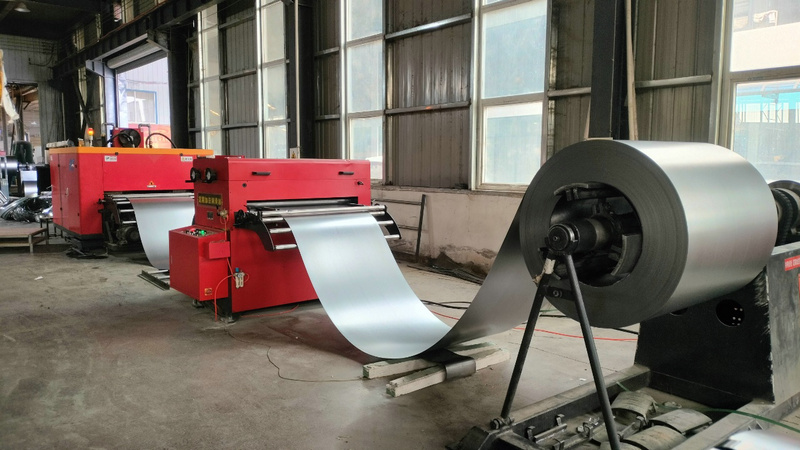
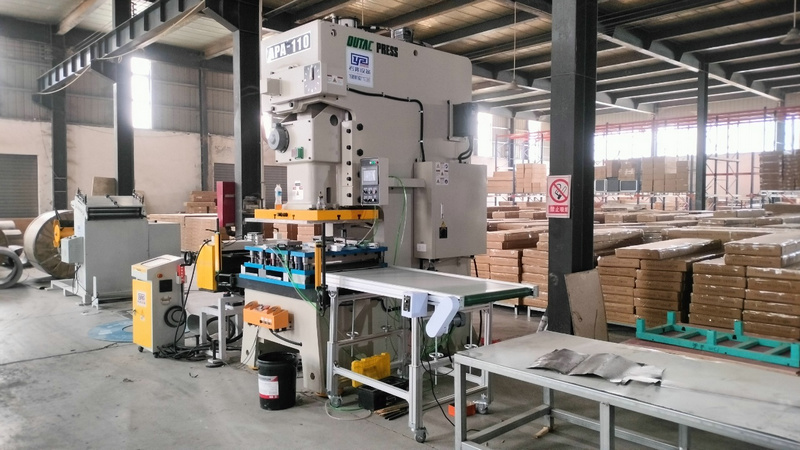
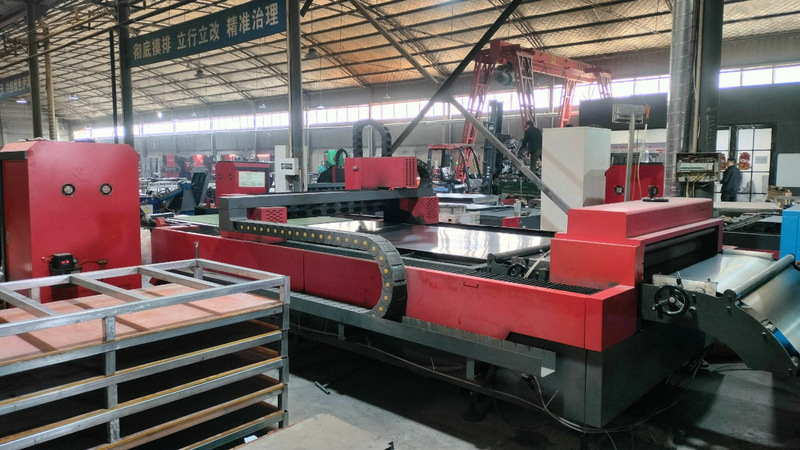
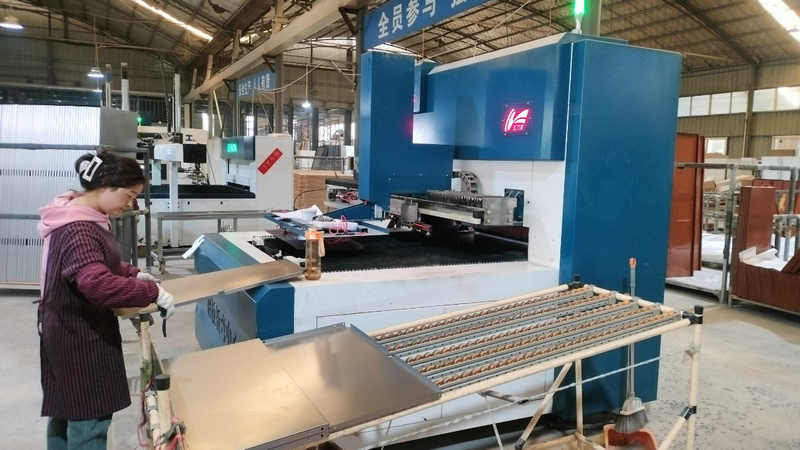
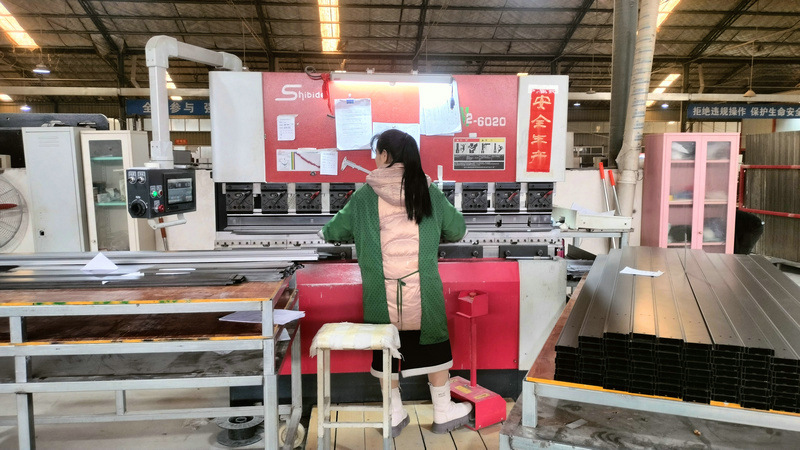
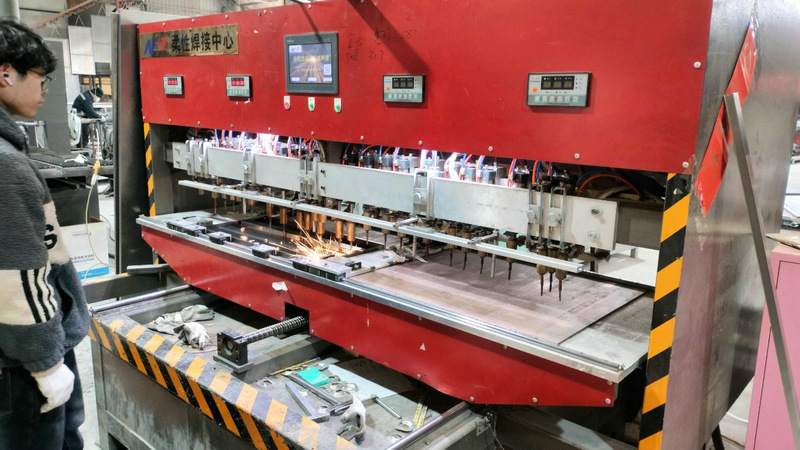
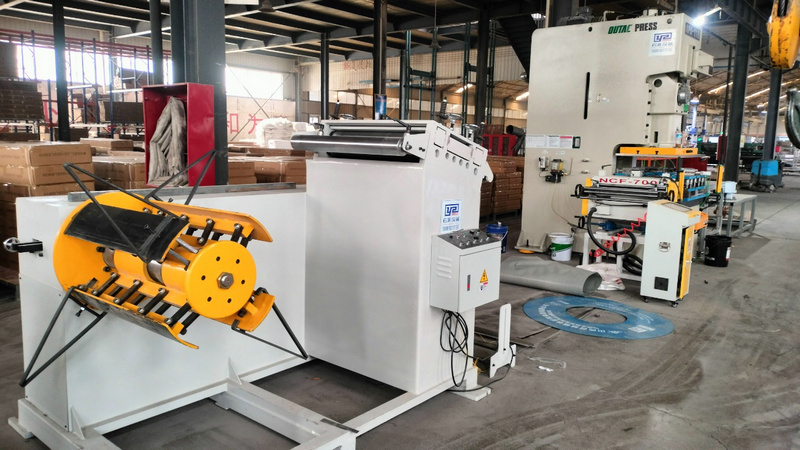
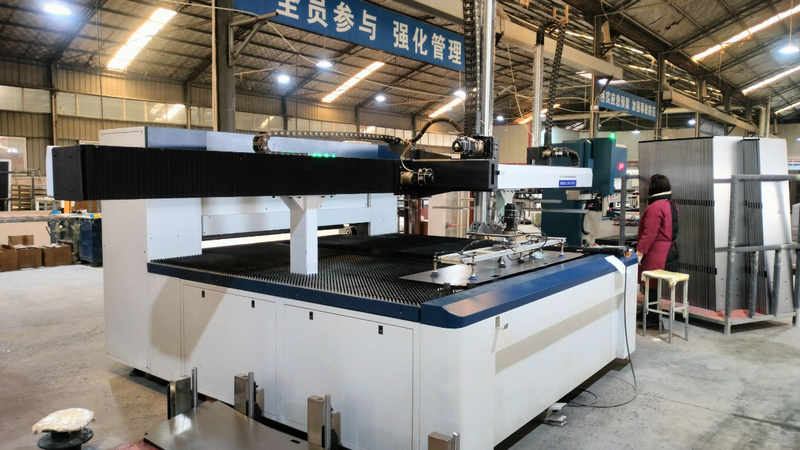
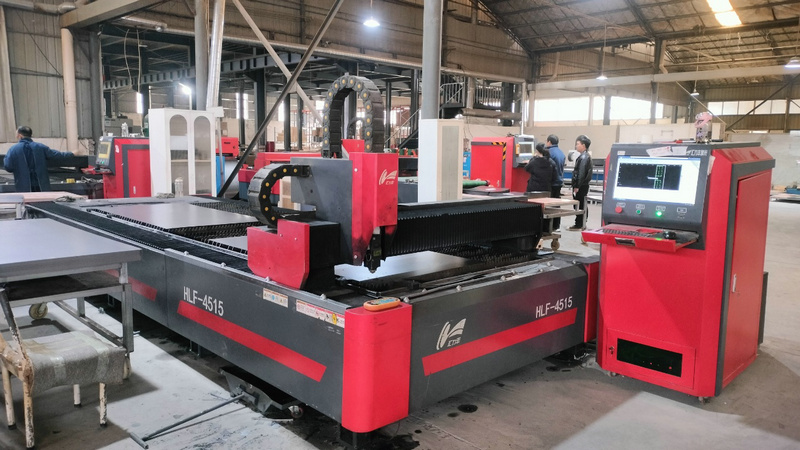
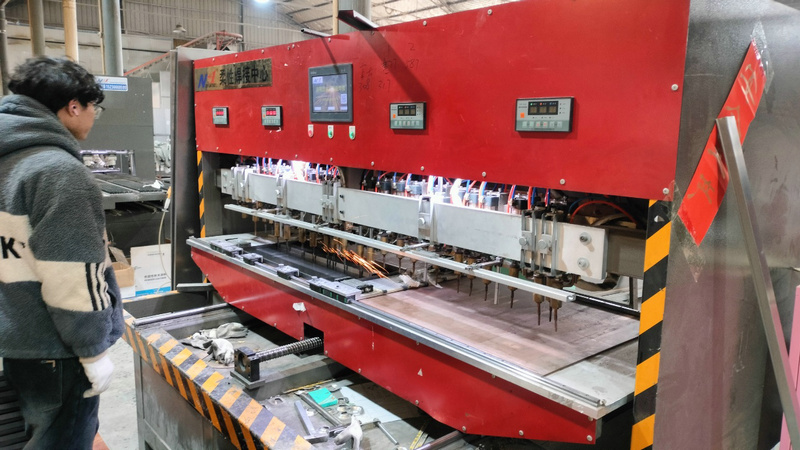
How automation, technology integration, and materials science are shaping the next generation of industrial work environments.
Industrial tool cabinets are moving away from traditional physical keys. Smart workshops now deploy electronic locking systems utilizing RFID cards, biometric fingerprint readers, and central network software integration. This shift enables managers to track tool access in real time, generate digital logs for safety compliance, and restrict high-value diagnostic apparatus to certified operators only.
As electronic components continue to integrate into automotive, aerospace, and heavy-machinery diagnostics, ESD (Electrostatic Discharge) protection has become a vital requirement. The latest workstation cabinets incorporate ESD powder coatings and grounding points to prevent static discharge from damaging sensitive microelectronics.
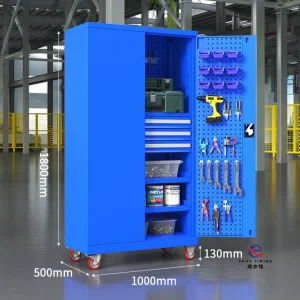
Rigid, stationary setups are being replaced by modular, cellular workstation configurations. Current cabinet designs allow rapid addition of pegboards, overhead LED illumination, power strips, and custom bin arrangements. This versatility ensures that when manufacturing lines change layout or assembly procedures, the cabinets adapt to new workflow paths without significant replacement costs.
Environmentally conscious supply chains require eco-certified powder coating processes that release zero VOCs. Structurally, cabinets are undergoing rigorous testing to meet ANSI/BIFMA standards, assuring long structural life and minimizing carbon footprint through extended product replacement intervals.
By establishing a direct procurement link with a certified Chinese manufacturer, global buyers bypass multiple trading tiers. This structural integration with Shenzhen Shunyiming guarantees direct engineering feedback, quick prototype turnaround, and custom color matching according to corporate branding standards.
Addressing key technical questions frequently raised by structural engineers, procurement executives, and safety managers.
For true heavy-duty applications, the outer chassis shell, structural pillars, and drawers should be manufactured using a minimum of 1.2mm (18-gauge) high-strength, cold-rolled steel. Heavy structural components like cabinet base plates or dynamic fork pockets are often reinforced with 2.0mm to 3.0mm steel plates to prevent distortion under extreme load distribution.
Static load capacity refers to the load a cabinet can support when resting on a solid, level surface. Dynamic load capacity refers to the maximum weight the cabinet can safely carry while in motion. Mobile tool cabinets require reinforced caster structures, dynamic frame designs, and heavy-duty polyurethane wheels to withstand structural impact and vibration during transit.
High-end tool cabinets utilize an anti-tilt interlocking system. This mechanical linkage allows only one drawer to be opened at a time. By preventing multiple fully loaded drawers from extending simultaneously, the center of gravity remains securely within the cabinet footprint, eliminating tipping hazards.
Steel components undergo a multi-stage pretreatment process, including pickling and phosphating, to remove surface oxidation and oil. This is followed by an electrostatic application of thermoset epoxy-polyester powder coating, cured at high temperatures. This finish provides excellent resistance against scratches, impacts, rust, and chemical spills.
Backed by 18 senior structural engineers, we develop customized designs using advanced CAD and SolidWorks software. We conduct virtual load stress tests, adapt physical dimensions to your space constraints, customize drawer dividers, and offer options for integrated pegboards or digital locking systems to suit specific operational needs.
Our manufacturing processes conform to the ISO9001 quality management standard, and our products carry CE certification. Each batch undergoes rigorous testing by our 45-member quality control team, including raw material verification, weld seam inspection, and dynamic load testing prior to packaging and dispatch.
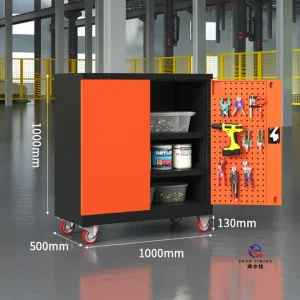
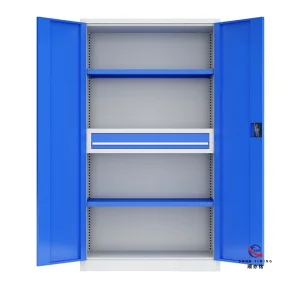
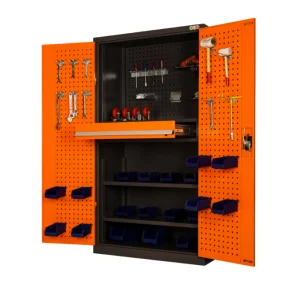
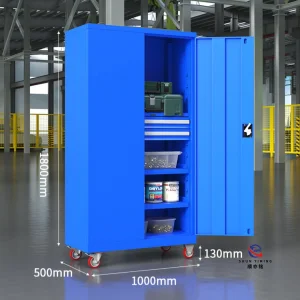
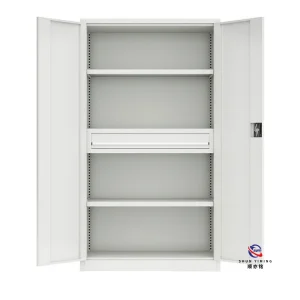
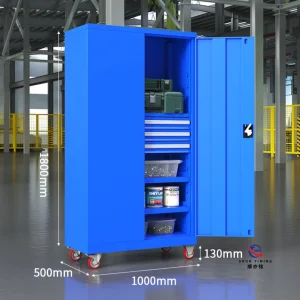
Configure your workspace with our heavy-duty, lockable tool chest configurations, built for industrial applications.
 Shunyiming Racking