Choosing Vertical Racks in 2026 is not simply a search for the tallest or cheapest frame. Good storage should make picking safer, faster, and easier to adjust as inventory changes. Yet a rack that looks ideal in a catalog can block a forklift turn or waste space beside a loading door. Measure clear height, aisle width, floor condition, and the largest loads handled during a normal week. Small details matter.
Start by listing what the racks will hold, how often items move, and which equipment staff use. Check the manufacturer’s load ratings and confirm they suit the planned configuration; a rating for one setup may not apply to another. Consider shelf access, replenishment routes, visibility, and room for future stock changes. For example, long cartons may need a different arrangement from small bins, even in the same work area. A site visit or measured floor plan can reveal obstacles that a product photo cannot. Fit comes first.
Budget for delivery, assembly, and any layout changes, not just the rack frames. Ask suppliers about materials, adjustability, installation guidance, and replacement components. Keep clear records of specifications and inspect the finished setup against the approved plan. There is no universal rack for every business. And the first layout is rarely perfect. A careful choice balances usable capacity with practical access, while leaving enough flexibility to adapt when daily operations change.
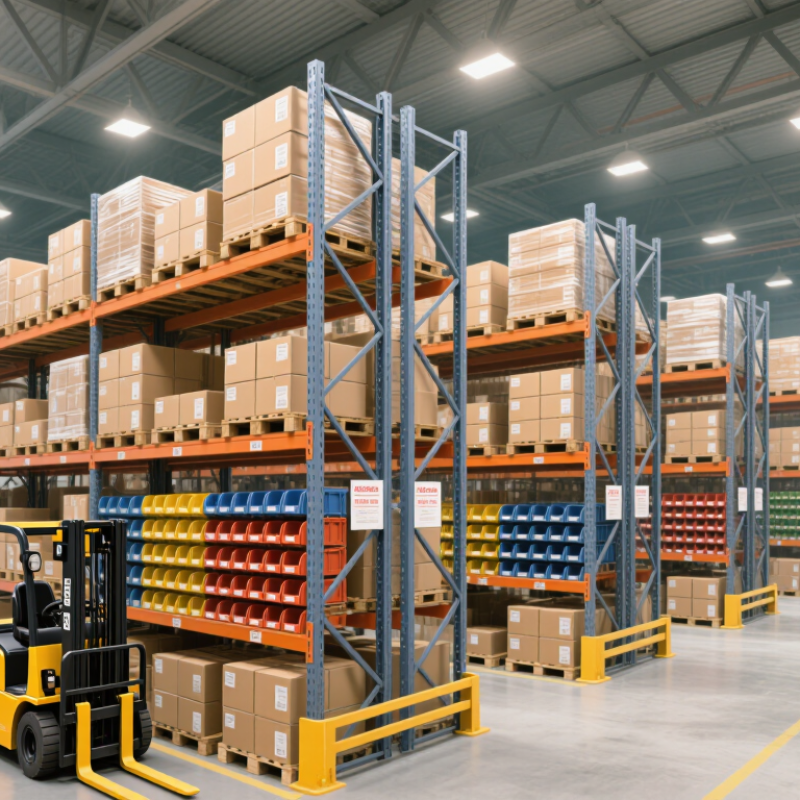
Vertical racks store goods upright, using height instead of spreading items across the floor. They often hold long or narrow products such as pipes, timber, carpet rolls, and metal sections. Depending on the design, materials may rest on arms, supports, or individual slots. That keeps stock visible and easier to reach.
In a small workshop, a rack beside a cutting bench can keep several lengths of material off the floor. Staff can identify sizes at a glance, while aisles stay clearer for carts and daily movement. Vertical storage may also help separate incoming stock from items ready for use. Less searching. Fewer awkward lifts. But those benefits depend on thoughtful placement, not just buying taller equipment.
Before choosing a rack, businesses should measure the actual goods, including their length, weight, and handling needs. Check ceiling height, floor condition, and access for forklifts or other equipment. Follow the rack maker’s load guidance, and train staff to store items securely. A rack can look efficient on paper yet become inconvenient if frequently used stock sits too high. Review how workers move materials during a normal shift; real routines sometimes expose a flaw that a floor plan misses.
Start with the inventory, not the rack catalog. Record each item’s dimensions, weight, turnover rate, and replenishment method. Include the bulky carton that arrives only twice a year; it still needs a safe home. Measure the awkward items. Then group fast-moving stock near picking and packing areas, while slower items can sit higher if retrieval equipment and safety procedures allow.
Measure usable space carefully. Ceiling height is not the same as usable rack height: sprinklers, lights, beams, and forklift clearance all take room. Sketch aisles, doors, columns, and turning paths before choosing rack depth or height. MHI’s 2024 Annual Industry Report found that 55% of surveyed supply-chain professionals planned to adopt robotics and automation within five years. That makes it sensible to consider future equipment and traffic patterns, even if automation is not on today’s budget.
Map the workflow from receiving to storage, picking, and dispatch. Note where workers walk, where carts queue, and which products are repeatedly moved. OSHA’s warehousing guidance highlights hazards around powered industrial trucks and material handling, so keep sightlines and pedestrian routes in the assessment. A rack that adds capacity but creates awkward replenishment may cost time every day. I would still revisit the plan after a trial layout; paper measurements rarely capture every pinch point.
Choosing vertical racks starts with the stock’s shape and handling path.
Cantilever racks suit long items such as timber or pipe; vertical panel racks keep sheet goods upright and accessible. A-frame units can simplify manual picking, but need clear floor space and secure restraints. Measure the longest load, aisle width, and forklift turning area before comparing layouts.
Small detail. It matters.
Compare steel and aluminum by more than purchase price. Steel is stiff and widely used for heavy-duty frames, while aluminum is lighter and may suit mobile or corrosion-sensitive applications. The World Steel Association reports that steel is among the world’s most recycled materials, but recyclability does not indicate rack strength.
For capacity, request the manufacturer’s rated load per arm, upright, and complete bay, plus the assumptions behind each rating. OSHA’s materials-handling rule requires stored materials to remain stable and secure against sliding or collapse. Check that the rack’s configuration, anchors, and floor match its rating. A load rating can be misleading if it assumes evenly distributed weight; concentrated loads, uneven floors, and impact can change the real risk.
Have a qualified rack professional verify the proposed layout and capacity before installation.
A vertical rack is only as safe as its weakest connection. Before buying, ask for the rack’s design standard, rated load per beam level, and frame capacity. In the United States, ANSI/RMI MH16.1 sets structural design requirements for industrial steel storage racks. Compare the supplier’s drawings with your actual pallet dimensions and loads. A rating is not a guess. Do not treat it like one.
Check the floor, anchors, and surrounding space before installation. OSHA’s 29 CFR 1910.176(b) requires stored materials to be secured against sliding or collapse. A cracked slab, uneven floor, or poorly placed anchor can undermine an otherwise sound rack. Measure aisle widths and ceiling clearance, then confirm that forklifts can turn without striking uprights. A neat plan can still miss a floor defect. That happens.
Use the U.S. Bureau of Labor Statistics’ 2022 Survey of Occupational Injuries and Illnesses as a reminder: warehousing and storage recorded 4.8 cases involving days away from work, job restriction, or transfer per 100 full-time workers, compared with 2.7 across private industry. Ask a qualified installer to verify the slab and anchoring plan, and inspect the completed rack before loading. Record damage checks. Recheck after a forklift impact, even when the upright looks almost fine.
2026 How to Choose Vertical Racks for Your Business?
Choose a vertical rack around the loads, not just the available floor area. Record each item’s weight, dimensions, turnover rate, and handling method. A tall rack may save floor space, but it can slow picking if workers need ladders or awkward reaches. Check clear height, sprinkler clearance, forklift turning space, and floor capacity before comparing layouts. Measure twice.
MHI’s 2024 Annual Industry Report found that 55% of respondents planned to invest more than $1 million in supply-chain technology over the next two years. That trend makes future equipment changes worth considering. Leave room for updated handling systems, but avoid buying capacity you cannot use. A tidy layout drawing can still miss a beam obstructed by a light fixture. Walk the site with installers before finalizing the plan.
During installation, follow the rack manufacturer’s approved drawings and applicable RMI/ANSI specifications. Anchor frames as designed, level the uprights, and post clear load-capacity information. Keep aisles free while crews work. Afterward, train staff to report bent uprights, loose anchors, or missing safety pins immediately. OSHA warehouse guidance also emphasizes keeping storage areas orderly and inspecting equipment. Set routine visual checks, and document repairs. Inspections can feel repetitive; skipping them is worse. A small impact may hide damage that is hard to spot from the aisle.
Record each item’s dimensions, weight, turnover rate, and replenishment method. Include bulky cartons, even if they arrive only twice a year.
Measure around lights, beams, sprinklers, and forklift clearance. Ceiling height alone can be misleading. Measure twice.
Keep them near picking and packing areas to reduce repeated travel. Slower stock may go higher if safe retrieval equipment is available.
Mark aisles, doors, columns, and turning paths. Also track where carts queue and workers walk. Paper plans miss things.
Ask for the rated load per beam level and frame capacity. Compare the drawings with your actual pallet sizes and weights.
Check the floor for cracks or uneven areas, and confirm the anchor plan. Verify aisle widths and ceiling clearance for forklifts.
Keep pedestrian routes clear and preserve sightlines. Make sure forklifts can turn without striking rack uprights. Small layout problems add up.
Train staff to report bent uprights, loose anchors, and missing safety pins. Document repairs and schedule visual checks. Recheck after impacts.
Yes. Consider future handling systems and traffic patterns, but avoid buying capacity you cannot use. I would still test the layout on site.
Choosing Vertical Racks starts with understanding what your business stores and how items move through the workspace. Measure the available floor area and ceiling height, review inventory sizes, weights, and turnover, and consider how staff access and replenish products. These details help determine whether a rack’s layout and capacity will support daily operations without creating congestion or wasted space.
Compare rack designs, materials, and load ratings, then check that the system is stable, suited to the intended environment, and installed according to its specifications. A practical selection balances storage capacity, accessibility, durability, and budget. Once installed, keep the racks organized, distribute loads as recommended, and inspect components regularly for wear or damage. Careful planning and maintenance can help a vertical storage system use space efficiently and serve the business reliably over time.

Shunyiming Racking