How to Choose the Right Stacking Systems for Your Business

Time:2026-11-01 Author:Aria
0%

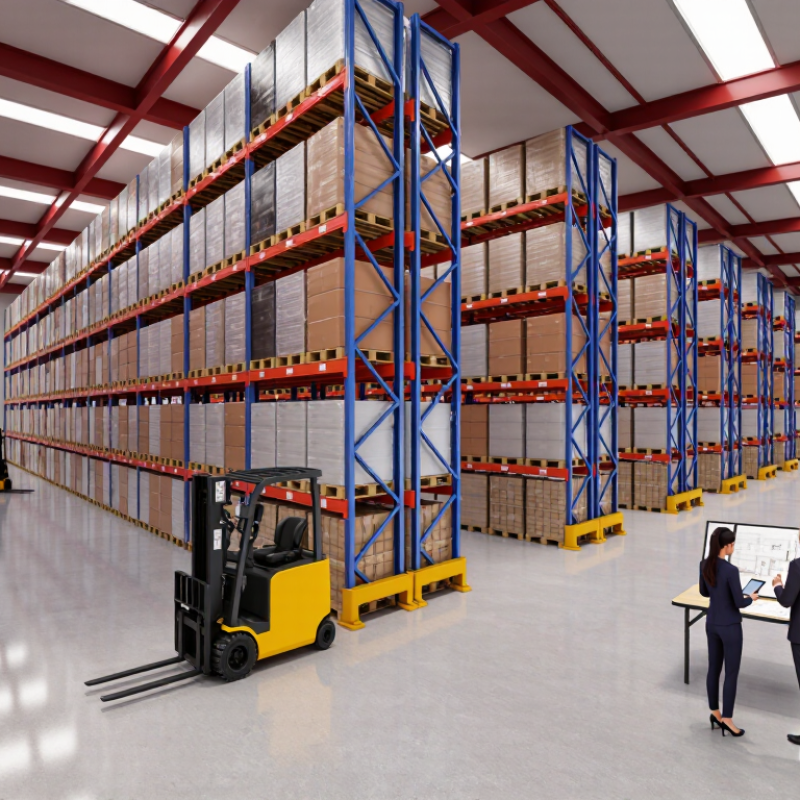
Choosing the right Stacking Systems is not simply a matter of fitting more pallets into a warehouse. The choice affects access, replenishment speed, product protection, and the room left for future growth. A narrow aisle may add storage positions, but it can also slow a busy forklift route. Small details matter: pallet dimensions, load weights, ceiling height, and how often each item moves.

The investment trend is real. MHI’s 2024 Annual Industry Report found that 55% of surveyed supply-chain professionals expected to increase investment in supply-chain innovation by 10% or more. That figure does not prescribe a particular rack or stacking method. It does show why businesses are reviewing warehouse capacity and operations. Martin Christopher, a leading supply-chain academic, writes, “Supply chain management is the management of upstream and downstream relationships with suppliers and customers to deliver superior customer value at less cost to the supply chain as a whole.” His principle applies to storage decisions, too: capacity only helps when it supports the wider flow of goods.

There is no universal best system. Selective pallet racking may suit varied stock, while higher-density options can work for more uniform products. Measure the operation before comparing quotes. Then test the plan against peak-season volumes, picking patterns, and handling equipment. A drawing can look efficient. The aisle at 4 p.m. may tell another story. Revisit assumptions before committing.
How to Choose the Right Stacking Systems for Your Business

Define Your Storage and Operational Requirements

Choosing a stacking system starts with the work your storage area must support. Record each load’s dimensions and weight, pallet type, daily movements, and expected growth. Measure clear height, aisle widths, doorways, and floor capacity; a tall rack is not useful if equipment cannot reach it safely. Note which items move fastest. They may need positions near dispatch, while slow-moving stock can use less accessible space.

Order patterns matter, too. The U.S. Census Bureau reported that e-commerce accounted for 16.1% of U.S. retail sales in 2024. That figure does not predict your own picking volume, but it highlights why businesses should check whether orders are pallet-based, case-based, or picked as individual items. Match the layout to real order histories, not a rough guess. I have seen plans look efficient on paper, then struggle around tight turning points.

Tips: Measure twice. Test one bay. Walk the proposed forklift route with a representative load, and confirm loads, rack connections, and clearances with a qualified storage-system professional. Recheck assumptions when inventory changes. A small pilot can expose awkward reaches or blocked sightlines before the layout expands.

Assess Your Inventory, Facility, and Available Space

Choosing a stacking system starts with the inventory, not the available equipment. Record each load’s weight, dimensions, packaging, and stability. Include seasonal peaks; today’s average stock level may not reflect a busy week. Fast-moving cartons need easy access, while reserve pallets can often sit deeper in the storage area. That matters. Mixed sizes or uneven loads can reduce usable capacity and make stacking less stable. Measure the actual unit loads, not just the product specifications.

Walk the facility with a tape measure and a simple floor plan. Note ceiling height, doorways, columns, lighting, sprinklers, and the width of aisles used by people and handling equipment. Check the floor’s rated capacity with a qualified professional before adding concentrated loads. Space is finite. Leave room for safe movement, inspection, and replenishment; filling every gap can slow work and create awkward handling. Consider future inventory changes, too. A layout that fits perfectly now may become restrictive when pallet sizes or order patterns shift. Recheck the plan against daily picking routes, since paper measurements can miss small obstacles and real-world delays.

Compare Stacking System Types and Their Applications

Block stacking suits stable, uniform goods that can safely bear weight, such as bagged materials or cartons. It needs little equipment, but access is limited: workers often move the front pallets to reach stock behind them. Selective pallet racking gives direct access to each pallet, making it practical for warehouses with many product types and frequent picking. It uses more aisle space. Drive-in and push-back systems store pallets more densely, so they fit facilities holding fewer product lines in larger quantities. Fit matters.

For fast-moving goods, selective racking can reduce retrieval detours; for seasonal reserve stock, dense storage may make better use of floor area. MHI and Deloitte’s 2024 Annual Industry Report found that 88% of surveyed supply-chain leaders planned to invest more than $1 million in supply-chain technology over the following two years. That points to growing investment, not proof that automation suits every warehouse. Before choosing, measure pallet dimensions, load weights, ceiling height, aisle widths, and daily picks. Marking a trial aisle with tape can reveal turning problems before installation. One detail is easy to underestimate: a dense system may slow access when workers need a specific pallet quickly. I’d test the busiest product mix first, then reconsider the layout.

Evaluate Capacity, Safety, Accessibility, and Cost

How to Choose the Right Stacking Systems for Your Business

Choosing a stacking system starts with the load, not the floor plan. List each item’s weight, dimensions, and daily movement before comparing layouts. Include seasonal peaks; a rack that works on quiet days may feel cramped during a busy month. Safety needs equal attention. Check load ratings, floor condition, aisle width, and equipment access. Have a qualified storage professional verify the design and installation details.

Accessibility affects work every day. Frequently picked cartons should sit within comfortable reach, while slower stock can occupy higher levels if approved equipment can serve them safely. Measure turning space with the actual forklift or cart, not an idealized drawing. Cost means more than the purchase price: include installation, inspections, repairs, and space lost during setup. A cheaper option may cost more if workers must move stock twice. Still, estimates are guesses until someone observes the workflow.

Tips: Photograph busy aisles during a normal shift, then note bottlenecks and awkward reaches. Ask for capacity figures in writing, and compare installation and maintenance costs on the same basis. Leave some room for change.

Select and Configure a System for Your Business

Select and Configure a System for Your Business

Start with the goods, not the rack catalogue. Record each load’s weight, dimensions, handling method, and turnover rate. Then measure clear height, aisle widths, floor condition, sprinkler clearance, and picking routes. A pallet-heavy operation may need selective storage for direct access; slower-moving reserve stock may suit denser configurations. Check the layout with a qualified designer and confirm load ratings before installation. Small measurement errors become expensive.

MHI’s 2024 Annual Industry Report found that 55% of surveyed supply-chain professionals planned to increase investment in technology and innovation. That points to a practical consideration: choose a layout that can adapt as inventory and handling methods change, rather than optimizing only for today. Model the busiest shift, not an average day. Test turning space with the actual lift equipment, and leave room for inspection and maintenance. One awkward truth: the neatest drawing may still fail on a crowded Monday.

Tips: Mark proposed aisles on the floor with tape. Move a loaded pallet through the route before committing. Keep a simple record of SKU sizes, load weights, and access frequency; review it when your product mix changes. Don’t guess.

How to Choose the Right Stacking Systems for Your Business — Select and Configure a System for Your Business
System Storage Density Pallet Selectivity Typical Inventory Fit Stock Rotation Key Configuration Considerations Main Trade-Off
Selective pallet racking Low to medium High: each pallet position is directly accessible Many SKUs, varied products, and operations that need frequent picking or replenishment Supports FIFO or LIFO, depending on warehouse processes Set rack height and beam levels to suit pallet dimensions, load height, building clearance, and handling equipment. Aisle width must match the selected truck and load. Requires more aisle space than denser systems.
Double-deep racking Medium to high Medium: the rear pallet is accessed through the front position Fewer SKUs with multiple pallets per SKU and reasonably consistent inventory Usually LIFO within each two-deep lane; stock rules should account for the blocked rear pallet Use compatible deep-reach handling equipment. Confirm pallet depth, load overhang, beam layout, and that SKU quantities suit two-deep storage. Improves space use but reduces immediate access to rear pallets.
Drive-in racking High Low: pallets are stored in lanes, commonly with one SKU per lane High-volume, low-SKU inventory where many pallets share the same product Typically LIFO, because pallets are loaded and retrieved from the same end Plan lane depth around inventory quantities and turnover. Check truck clearance, rail guidance, pallet quality, impact protection, and safe entry into the rack. High storage density comes with reduced selectivity and more demanding truck operation.
Pallet flow racking High Low to medium: access is organized by lane, generally assigned to a SKU High-throughput products with multiple pallets per SKU and predictable replenishment FIFO: pallets are loaded at the rear and move by gravity toward the picking face Specify lane depth, pallet and load compatibility, roller or wheel track design, flow speed controls, and separate replenishment and picking aisles. Supports rotation and throughput, but lane design and pallet consistency are important.
Push-back racking High Low to medium: access is by SKU lane rather than by individual pallet Several pallets per SKU where storage density matters and strict FIFO is not required Typically LIFO: each new pallet pushes the pallet behind it farther into the lane Choose lane depth based on stock quantities and turnover. Confirm pallet dimensions, load stability, operating clearances, and equipment compatibility. Stores multiple pallets per lane while keeping the truck out of the rack, but the rear pallets are retrieved later.
Mobile racking Very high High at the opened aisle; access is typically sequential because only selected aisles are opened at a time Many SKUs where floor space is limited and simultaneous access to every aisle is not essential Can support FIFO or LIFO, depending on rack layout and warehouse procedures Assess floor condition and loading, aisle-opening time, emergency access, operating controls, safety sensors, and the number of aisles that must be open concurrently. Reduces fixed aisle space but may limit simultaneous picking access and requires a suitable floor and safety design.
Planning note: Density descriptions are comparative, not guaranteed capacity figures. Final layout, aisle dimensions, load limits, clearances, fire protection, and safety provisions should be verified against the actual building, pallet loads, handling equipment, local codes, and a qualified rack-system designer.

FAQS

What information should I collect before choosing a stacking system?

Record each load’s weight, dimensions, packaging, and stability. Measure actual pallets, not catalog sizes. Small differences matter.

How should seasonal demand affect the layout?

Plan for busy weeks, not just average stock levels. Leave room for replenishment and safe movement. A full floor can become awkward fast.

When is block stacking a practical option?

It can suit stable, uniform loads that safely bear weight, such as cartons. Access to pallets behind the front row may be limited.

When might selective pallet racking work better?

It gives direct access to each pallet, which helps when many products are picked often. It also uses more aisle space.

How can I test whether a dense storage system will work?

Mark a trial aisle with tape and test turns using the actual forklift or cart. A drawing can miss tight corners.

What safety checks should happen before installation?

Check load ratings, floor condition, ceiling height, and aisle width. Ask a qualified professional to verify concentrated floor loads and design details.

What costs should I compare?

Include purchase, installation, inspections, repairs, and space lost during setup. A low initial price may mean extra stock handling later.

How can I make sure the layout fits daily work?

Photograph busy aisles during a normal shift and note bottlenecks or awkward reaches. I would not trust the floor plan alone.

Conclusion

Choosing the right Stacking Systems begins with a clear understanding of your storage goals and daily operations. Consider the types and quantities of inventory you handle, how frequently items move, the layout and condition of your facility, and the space available for storage and equipment. These details help narrow down system options that fit your workflow rather than simply maximizing storage density.

Compare suitable system types by examining their capacity, safety features, accessibility, and total cost. A practical solution should support the weight and dimensions of your inventory, allow staff to retrieve items efficiently, and work well within the facility’s space constraints. After weighing these factors, select and configure a system that meets both current needs and anticipated growth, while keeping operations organized, safe, and cost-effective.

Aria

Aria

Aria is a dedicated marketing professional with a deep passion for innovative strategies and a keen understanding of our company's product offerings. With a wealth of experience in the industry, Aria excels at crafting engaging content that highlights the unique features and benefits of our......