Choosing the right Longspan Storage racks can change how safely and efficiently a facility uses its floor space. A suitable system supports organized inventory, clearer walkways, and faster picking. A poor choice may create unstable loads, wasted capacity, or difficult maintenance.
This guide shares seven practical tips based on warehouse planning principles and real storage considerations. It examines rack dimensions, load capacity, shelf levels, access requirements, materials, installation quality, and future expansion. Measure every aisle carefully. A few centimeters can affect equipment movement.
Think beyond today’s stock.
For example, a workshop storing boxed tools may need adjustable beams and durable panels. A distribution area may require easier access between frequently used cartons. Longspan Storage should match the products, handling methods, and working environment, not only the available budget.
Reliable decisions require accurate measurements and verified specifications. Check the manufacturer’s load ratings, connection details, and installation instructions before purchasing. Professional assessment is valuable when loads vary or the building has unusual floor conditions. Local safety requirements should also be reviewed.
Some plans look efficient on paper but fail during daily use. That is worth remembering. A rack can fit perfectly yet leave too little space for safe handling. Regular inspections, visible labels, and sensible weight distribution also matter after installation. These details often separate a convenient storage area from a risky one.
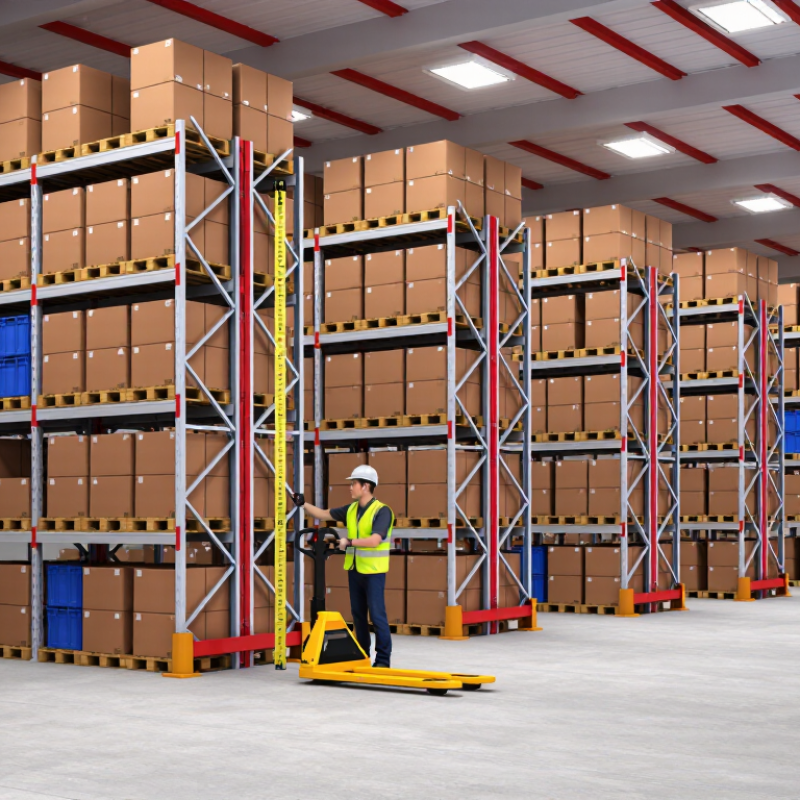
7 Tips for Choosing Longspan Storage Racks
Define your storage needs before comparing rack sizes. Record each item’s length, width, height, and weight, including its packaging. Note how often workers access each product. Fast-moving cartons need wider aisles and easier picking positions. Heavy loads may require reinforced beams and stronger uprights. In practice, storage plans often fail because product dimensions change after purchasing. Measure real inventory, not just supplier specifications.
Tip 1: Survey the warehouse carefully. Measure clear height, floor area, columns, doors, lighting, sprinklers, and emergency routes. Leave practical space for handling equipment and safe movement. A tall rack may look efficient, yet it can conflict with ceiling services or reduce visibility. Check the floor’s load capacity with a qualified professional before installation.
Tip 2: Map the usable space on paper, then test it onsite with tape. Mark rack footprints, aisle widths, and picking zones. Include space for incoming goods and temporary staging. Tip 3: Plan for change. A rack system that fits today may become restrictive after seasonal stock increases. Adjustable levels provide flexibility, but they still need clear load ratings and regular inspections. Experienced warehouse managers often review the layout after several weeks, because small daily obstacles can reveal weaknesses that drawings miss.
This planning chart models a 30 m × 12 m warehouse with four longspan rack rows, each 24 m long and 0.8 m deep. It shows how different aisle widths affect the balance between fixed rack footprint and open space for circulation, staging, and future expansion.
The rack footprint remains 76.8 m² in each scenario. Wider aisles improve access for handling equipment and picking activity, but reduce the remaining open floor area. Confirm your product dimensions, shelf loads, handling equipment, fire-protection requirements, and required staging space before selecting a final layout.
When choosing longspan storage racks, begin with the real load, not an estimated one. Weigh the heaviest cartons, containers, or tools placed on each shelf. Add their combined weight, then include a safety margin for uneven loading. A rack rated for 300 kilograms per level may require evenly distributed weight. Point loads can create unexpected stress. Do not guess.
Check whether the stated capacity applies to each shelf or the complete unit. Ask for test methods, material specifications, and installation guidance from a qualified supplier. Shelf dimensions also need careful review. Measure the longest and deepest items, then allow room for hands, labels, and safe removal. A shelf that is too shallow causes overhang. One that is too deep may hide damaged stock. Leave vertical clearance for bulky packages and future changes. Adjustable levels are useful, but the frame must remain stable after adjustment. I once misjudged carton height and lost valuable space between levels. That mistake changed the layout. Consider floor strength, aisle width, and access equipment before ordering. Recheck every measurement on site. Records matter.
Choosing longspan storage racks starts with material quality, not appearance. Heavy-gauge steel resists bending during repeated loading and unloading. Check the rated capacity for every beam, shelf, and upright. A rack may look strong while hiding thin components. I once underestimated how quickly damp air could damage an unprotected frame. Powder coating helps, but it is not magic. In humid rooms, inspect joints, welds, and cut edges regularly. Small rust spots deserve attention.
Rack configuration should match the goods and handling routine. Adjustable beams suit cartons with changing dimensions. Continuous shelving works better for smaller items needing frequent hand access. Leave enough aisle width for safe movement and clear sightlines. Measure the actual load, not the planned average. Oddly shaped products can shift weight toward one side. That detail is easy to miss. Use decking when cartons might sag between beams. Anchor the structure when floor conditions, height, or local safety requirements demand it. A qualified installer should verify the floor and connection points before use.
Before ordering, sketch the storage area with columns, doors, lights, and sprinkler clearances. This simple step often exposes a poor fit. Keep heavier goods at lower levels to reduce handling risk. Label every bay with its working load limit. Inspect racks after impacts, relocation, or unusual loading events. Replace damaged parts instead of improvising repairs. I still prefer some unused capacity, although budgets make that choice uncomfortable. Review the layout after several weeks; real usage may challenge the original plan.
| Tip | Selection Dimension | Recommended Data or Range | Suitable Rack Configuration | Why It Matters | Verification Point |
|---|---|---|---|---|---|
| 1 | Choose a durable material | Cold-formed or hot-rolled structural steel with a corrosion-resistant powder-coated or galvanized finish. | Powder-coated steel for dry indoor areas; galvanized steel for humid, dusty, or semi-outdoor environments. | Steel provides high stiffness and predictable load-bearing performance when the frame is correctly designed and protected. | Check steel grade, coating method, weld quality, and surface damage before installation. |
| 2 | Match the load capacity | Common longspan shelf capacities are approximately 100–500 kg per level, depending on span, beam profile, and shelf material. | Use reinforced beams, center supports, or additional uprights for heavier loads and longer spans. | A rack must support the heaviest evenly distributed load without excessive deflection or permanent deformation. | Confirm the rated load per shelf and per bay; do not rely only on the thickness of the steel. |
| 3 | Select a suitable span | Typical shelf widths range from about 900 to 2,400 mm; longer spans generally reduce load capacity unless reinforced. | Use 900–1,500 mm spans for dense or heavy items; use longer spans for lightweight, bulky goods with adequate reinforcement. | The span affects beam deflection, shelf stability, usable storage volume, and the number of uprights required. | Measure the actual item width and allow clearance for loading, retrieval, and side-to-side movement. |
| 4 | Plan rack dimensions | Typical depths are 400–800 mm and common heights are 1,800–3,000 mm for hand-loaded systems. | Choose shallow single-sided racks near walls and deeper double-sided racks in central warehouse aisles. | Correct dimensions improve space utilization while maintaining safe access and visibility. | Compare rack depth with product depth and keep sufficient aisle clearance for the handling method. |
| 5 | Choose the shelf type | Steel panels, wire decking, and laminated wood or composite panels are common longspan shelf surfaces. | Steel panels for heavier loads; wire decking for airflow and visibility; composite panels for quieter, lighter-duty storage. | The shelf surface influences durability, cleaning, ventilation, noise, and resistance to moisture. | Check panel thickness, support spacing, edge strength, and resistance to the storage environment. |
| 6 | Select the rack configuration | Use adjustable levels when inventory changes frequently; use fixed or modular levels when product dimensions are consistent. | Boltless shelving for fast assembly; bolted or braced frames for greater rigidity and demanding applications; mobile units where floor space is limited. | Configuration determines adjustability, installation time, stability, storage density, and future expansion. | Evaluate floor loading, seismic or impact risks, expansion plans, and whether anchoring is required. |
| 7 | Prioritize safety and maintenance | Keep heavy goods on lower levels, distribute loads evenly, and inspect frames, beams, connectors, and anchors regularly. | Use end guards, back mesh, safety clips, shelf labels, and floor anchors where the operating environment requires them. | Routine inspection reduces the risk of rack instability, falling items, overloaded shelves, and progressive damage. | Follow local workplace and structural safety requirements and replace damaged components promptly. |
Note: The capacity and dimensional ranges shown are typical planning references only. Actual ratings depend on the steel profile, span, shelf construction, connection method, floor condition, and installation details.
7 Tips for Choosing Longspan Storage Racks
Good longspan storage racks should make every item easy to reach. Measure aisle widths before ordering the frames. Leave enough room for safe hand movement and equipment access. Place frequently used cartons between waist and shoulder height. Clear labels and bright lighting reduce picking errors. Keep emergency routes and exits completely unobstructed. A small trial layout can reveal problems that drawings miss.
Safety features deserve close attention. Check the rack’s rated capacity for each beam level, not only the total system. Use locking pins, upright guards, and stable shelf panels where suitable. Heavy goods belong on lower levels. Distribute loads evenly, with no cartons extending into walkways. Inspect bent frames, loose connections, and damaged boards promptly. Do not ignore small defects. They often grow quietly.
Installation requirements can decide whether the rack performs well. Confirm the floor is level and strong enough for the proposed load. Check ceiling height, sprinkler clearance, lighting, and nearby doors. Follow the supplier’s assembly instructions and use suitable anchors. A competent installer should verify plumb frames and secure connections. Recheck the rack after loading it. In practice, measuring only the rack footprint is a common mistake. The space needed for handling matters just as much. A better plan includes worker movement, future stock changes, and occasional access for cleaning.
Compare the total cost, not only the purchase price. Ask for prices covering frames, beams, decking, delivery, installation, and future adjustments. Measure your storage area accurately before requesting quotes. A cheaper rack may waste valuable floor space. Check its rated load for each shelf. Do not rely on appearance. I once selected a low-cost system with thin decking, and replacement parts erased the original savings. That shortcut was expensive.
Think about expansion before filling the first bay. Choose a layout that allows extra sections, adjustable shelf levels, and compatible accessories. Leave practical aisle space for lifting and movement. A modular design can reduce future labor, but only when additional parts remain available. Confirm connection methods and load limits with the supplier’s technical team. Do not assume every extension fits. Small differences matter.
Plan maintenance from the installation day. Inspect bolts, frames, beams, and deck panels at scheduled intervals. Look for bent steel, loose connections, damaged coatings, and overloaded shelves. Keep a simple inspection record with dates and photographs. This supports consistent decisions and improves workplace reliability. Ask how quickly common components can be replaced. Maintenance is often overlooked. Also consider cleaning needs, corrosion exposure, and changes in stored goods. My own early plans underestimated inspection time, so I now include labor costs in every long-term comparison. A realistic five-year estimate is more useful than an attractive first invoice.
Weigh the heaviest cartons, containers, or tools placed on one shelf. Add their combined weight and a safety margin. Do not rely on average loads. Unevenly placed items can create dangerous point loads.
Confirm this detail with the supplier before ordering. Ask about testing methods, material specifications, and installation guidance. A 300-kilogram rating may apply only to one level. Never assume.
Measure the longest and deepest items carefully. Leave space for hands, labels, and safe removal. A shallow shelf creates overhang. A deep shelf may hide damaged stock.
Adjustable levels help store cartons with changing heights. Keep enough vertical clearance for bulky packages and future changes. Check stability after every adjustment. I once misjudged carton height and wasted valuable space.
Heavy-gauge steel helps resist bending during repeated loading. Protective coating can slow corrosion, but it is not perfect. Inspect joints, welds, and cut edges regularly. Small rust spots need attention.
Adjustable beams suit cartons with changing dimensions. Continuous shelving supports smaller items needing frequent hand access. Use decking when cartons may sag between beams. Oddly shaped products can shift weight sideways.
Use locking pins, upright guards, and stable shelf panels where suitable. Place heavy goods on lower levels. Distribute loads evenly, without cartons extending into walkways. Do not ignore small defects.
Confirm floor strength, ceiling height, sprinkler clearance, lighting, and door locations. Leave enough aisle space for workers and handling equipment. A competent installer should verify level frames and secure connections. Recheck the rack after loading. My original layout looked fine on paper, but movement space was missing.
Choosing the right Longspan Storage racks begins with a clear understanding of your inventory, handling methods, and available warehouse space. Measure the area carefully, including ceiling height, aisles, doors, and equipment paths, then select a rack size that supports efficient use of the facility without restricting movement. Pay close attention to load capacity and shelf dimensions, ensuring each level can safely hold the intended products with an appropriate safety margin. Durable materials and a suitable configuration should match the working environment, storage frequency, and item shapes.
Accessibility and safety are equally important. Select a design that allows convenient loading and retrieval, includes stable supports and protective features, and can be installed securely on the warehouse floor. Finally, compare the total cost rather than only the initial purchase price. Consider future expansion, replacement parts, maintenance, and the flexibility to adjust shelf levels as your needs change. A well-planned rack system can improve organization, support safer operations, and deliver dependable long-term value.

Shunyiming Racking