Top 10 Benefits of Radio Shuttle Storage for Efficient Warehousing?

Time:2026-07-27 Author:Mason
0%

In the modern warehousing landscape, efficiency is paramount. Radio Shuttle Storage stands out as a leading solution for optimizing storage operations. This innovative system enhances space utilization and streamlines inventory management. With its ability to transport goods quickly within automated environments, businesses are turning to this technology to remain competitive.

The advantages of Radio Shuttle Storage are numerous. For instance, it allows seamless loading and unloading, reducing labor costs. This storage solution also maximizes warehouse density, enabling facilities to store more products in less space. Companies benefit from increased throughput and improved order accuracy. However, some may question the initial investment costs. It’s essential to weigh these against long-term savings and efficiency gains.

While Radio Shuttle Storage offers impressive benefits, it isn't without challenges. Proper implementation and maintenance play critical roles in its success. Warehouses must invest in training staff to handle such advanced systems. A lack of expertise could hinder performance and lead to operational setbacks. By carefully considering these factors, businesses can harness the full potential of this method.
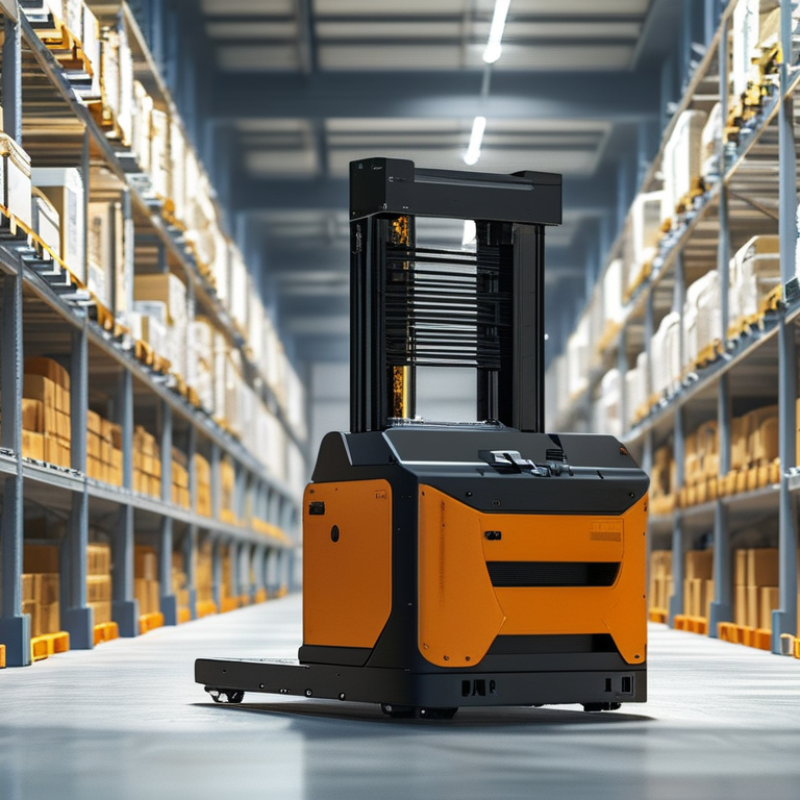
Top 10 Benefits of Radio Shuttle Storage for Efficient Warehousing?

Benefits of Enhanced Space Utilization with Radio Shuttle Storage Systems

Radio shuttle storage systems are revolutionizing warehousing efficiency. Enhanced space utilization is one of the key benefits of these systems. Reports estimate that warehouses employing radio shuttle technology can increase storage density by up to 60%. This significant increase means that operations can store more products within the same physical footprint.

Efficient space management reduces costs associated with real estate. More merchandise stored in a compact area translates to reduced overhead. A study by the Warehousing Education and Research Council indicated that optimizing storage can lead to a 30% reduction in operational costs. However, implementing such systems requires investment and training. Facilities must be prepared to adapt to new technologies and workflows.

On the downside, not all businesses may find radio shuttles suitable. Smaller operations might struggle with the initial costs. Additionally, there may be challenges in integrating these systems with existing infrastructure. Businesses need to carefully assess their specific needs before diving into this technology. That said, when implemented correctly, radio shuttle systems can drastically improve operational efficiencies, making them a worthy consideration for savvy warehouse managers.

Improved Inventory Accuracy Through Automated Radio Shuttle Operations

Radio shuttle storage systems are transforming warehousing, particularly through improved inventory accuracy. The automated nature of these systems minimizes human error, leading to more precise stock counts. When shuttles perform operations automatically, they gather data that ensures accurate tracking. This data is vital for maintaining an optimal inventory level, reducing the risk of overstocking or stockouts.

Implementing radio shuttle operations requires careful planning. Warehouse managers must evaluate their specific needs. This ensures the system aligns with existing workflows. Training staff to understand the new system is also essential. They must adapt to automated processes while remaining aware of limitations. Regular audits of inventory can help in identifying areas for improvement.

Consider these tips for enhancing inventory accuracy:

  • Always verify data collected from the shuttle system against physical stock levels. This double-checking can highlight discrepancies early.
  • Establish a routine for data updates to maintain accuracy.
  • Communication between inventory management and shuttle operations is key.
Addressing challenges thoughtfully can further enhance the overall efficiency of the warehouse.

Reduction of Labor Costs and Increased Efficiency in Warehouse Management

Radio shuttle storage systems are transforming warehousing by streamlining operations. A key advantage is the significant reduction in labor costs required for storage and retrieval. According to a 2021 industry report, companies using automated systems can reduce labor expenses by up to 30%. This is largely due to the decreased need for manual handling and movements within the warehouse. The automated solution allows for faster operations while minimizing human error.

Increased efficiency is another crucial benefit. By employing radio shuttle systems, warehouses can achieve higher storage density. The layout optimizes space usage, leading to inventory being accessible without extensive walking. Studies show that efficiency gains can reach 50%, improving picking and packing processes. However, implementing this technology may involve initial setup challenges, and ongoing training for staff is necessary.

**Tips:** Regularly assess workflow efficiency. Monitor bottlenecks and adjust layouts accordingly. Engage employees in providing feedback to identify areas needing improvement.

Faster Order Fulfillment and Shipping Times Due to Streamlined Processes

Radio shuttle storage systems can significantly enhance order fulfillment and shipping speeds. These systems optimize space in warehouses, allowing for quicker access to goods. With the ability to store high-density products, radio shuttles can access items in a more efficient manner. According to a recent industry report, warehouses using these systems have reported a 30% reduction in order retrieval times.

The streamlined processes provided by radio shuttle systems lead to faster workflow. Data from the Logistics Management study indicates that businesses can experience shipping speed increases of up to 25%. This improvement is attributed to the automation of movement and reduced human error in retrieving products. Inventory management also benefits, providing real-time data without the delays typically associated with manual processes.

While the advantages are clear, challenges remain. Transitioning to a radio shuttle system requires upfront investment and training. Some operations may struggle with the change, particularly smaller warehouses lacking advanced technology. Adapting to these systems takes time, but the potential for increased efficiency is substantial.

Minimized Product Damage Risk with Safe and Secure Radio Shuttle Design

Radio shuttle storage systems are transforming warehousing by enhancing the safety and security of stored products. The shuttle design minimizes product damage risk by reducing manual handling. When products are transported with minimal touch, there is a significantly lower chance of accidents. This state-of-the-art technology creates a buffer between the operator and the product. It ensures delicate items are handled with care.

Moreover, the secure design of radio shuttle systems keeps goods safe during both storage and retrieval. The shuttles operate within their designated lanes, preventing collisions and misplacements. Warehouse operators can trust that sensitive materials are stored in a controlled environment. This not only boosts efficiency but also fosters a culture of safety within the warehousing space.

However, implementing radio shuttle systems demands thoughtful planning. Organizations must ensure that their existing infrastructure can accommodate these advanced systems. Training personnel to manage this technology effectively is essential as well. A strategy that considers these factors will lead to the best outcomes in minimizing product damage.

FAQS

: What are the main benefits of radio shuttle storage systems?

: They enhance space utilization and increase storage density by up to 60%.

How do these systems reduce operational costs?

Optimized storage can lead to a 30% reduction in costs by maximizing space efficiency.

Are radio shuttle systems suitable for all businesses?

No, smaller operations may find the initial costs challenging.

What are the impacts on order fulfillment speeds?

They can reduce order retrieval times by about 30%.

Do radio shuttle systems affect shipping times?

Yes, they can increase shipping speed by up to 25%.

What challenges might a business face when implementing them?

Initial investment and training can be significant hurdles for some operations.

Can all warehouses easily transition to this technology?

Not necessarily; existing infrastructure may complicate integration.

Is humans' role reduced in these systems?

Yes, automation reduces human error, but some human oversight is still needed.

How much time is needed to adapt to these systems?

Transitioning takes time and varies by operation; patience is necessary.

Is there a risk of over-reliance on technology?

Yes, businesses must remain adaptable and not overlook traditional methods.

Conclusion

Radio Shuttle Storage systems offer numerous advantages that significantly enhance warehousing efficiency. One of the primary benefits is improved space utilization, as these systems allow for high-density storage, maximizing the available warehouse area. Additionally, automated operations provided by Radio Shuttle Storage lead to greater inventory accuracy, minimizing errors and ensuring that stock levels are reliably monitored.

Moreover, the implementation of Radio Shuttle Storage can drastically reduce labor costs while increasing overall operational efficiency. The streamlined processes associated with this storage solution contribute to faster order fulfillment and shipping times, benefiting customer satisfaction. Lastly, the design of Radio Shuttle systems minimizes the risk of product damage, ensuring safe storage and handling of goods. Overall, Radio Shuttle Storage represents a strategic investment for any warehouse seeking to optimize its operations.

Mason

Mason

Mason is a seasoned marketing professional with a deep expertise in the company's offerings and a passion for driving brand awareness. With a strong background in digital marketing strategies, he has an innate ability to connect with diverse audiences and effectively communicate product benefits.......