Top Impact Racks Manufacturers for Global Buyers

Time:2026-11-08 Author:Madeline
0%

Global buyers need more than a familiar brand when comparing Impact Racks manufacturers. They need equipment that fits their products, warehouse layout, and daily handling routines. The right rack can support orderly storage and smoother picking. A poor fit may waste valuable floor space. Details matter.

A useful comparison looks beyond catalog photos. Buyers should review load capacity, beam and frame dimensions, finish quality, installation support, and replacement-part availability. A supplier should explain how its specifications relate to the buyer’s actual loads and operating conditions. Clear documentation helps teams assess options with confidence. Ask for drawings and written specifications, not just a sales summary. Not always.

This guide introduces manufacturers serving international buyers and the practical factors that can distinguish them. It considers product range, customization, communication, and after-sales support, while recognizing that availability and service can vary by region. No single manufacturer suits every facility. A compact distribution center may value flexible layouts, while a high-throughput warehouse may prioritize consistent components and dependable support. Those trade-offs deserve a closer look. Rankings can be useful, but they are not a substitute for checking requirements with a qualified supplier. Use this overview as a starting point, then verify details against your site, inventory, and handling equipment. Some comparisons remain imperfect; product information is not always presented in the same way. That is worth remembering.
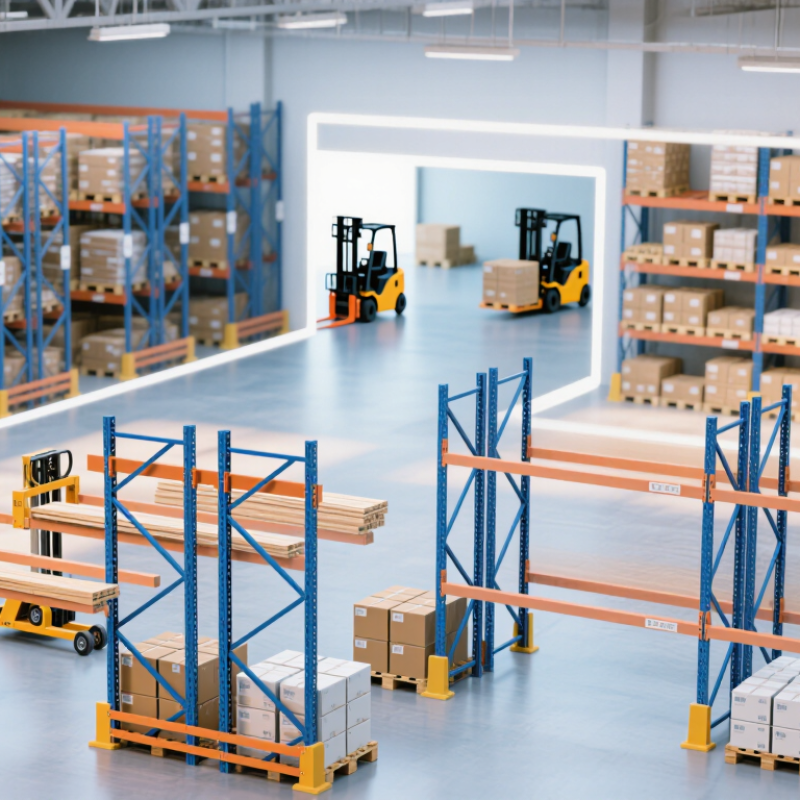
Top Impact Racks Manufacturers for Global Buyers

Understanding Impact Racks and Their Role in Warehouse Storage

Impact racks are warehouse storage systems planned around both load support and collision risk. In practice, the term often refers to pallet racks paired with upright guards, end-of-aisle barriers, or reinforced components. The rack carries palletized goods; protective elements help limit damage from forklifts and pallet trucks. A bent upright is not cosmetic. Even a small dent may affect capacity, so damaged frames need assessment before continued use. Details matter.

Tips: Check rated-load labels, aisle widths, floor condition, and guard placement before choosing a system. Match protection to actual truck routes, not just a drawing. Keep guards clear of anchors, and inspect them after any strike.

When evaluating manufacturers, compare more than stated load capacity. Ask for engineering drawings, load tables, installation instructions, and replacement-part availability. Verify pallet sizes, truck turning paths, floor conditions, and storage heights before setting beam levels. A guard can hide damage if inspections stop at its outer surface. That detail is easy to miss, even in a well-run warehouse.

Key Criteria for Evaluating Impact Rack Manufacturers

Choosing an impact rack manufacturer starts with the load data, not the catalog photos. Ask for rated capacity per beam level and per bay, plus the assumptions behind those figures. A clear technical sheet should identify beam dimensions, upright profiles, connector details, and required anchoring. If the answers are vague, pause. A polished catalog is not proof of performance.

Look for documented quality checks, traceable materials, and evidence that finished components are inspected. Ask how the manufacturer tests beam deflection and connector strength, and whether drawings match the racks you will receive. Check coating consistency, weld appearance, and packaging; chipped corners after delivery can delay installation. Also confirm spare-part availability and lead times. For global projects, request documents in usable formats and verify that the proposed design fits local site conditions. There is no perfect rack on paper; floor flatness, forklift turning space, and real pallet sizes often reveal gaps. I would leave room for questions, even when a supplier seems convincing.

Tips: Compare two or three quotations against the same load schedule. Ask for a sample connector or a close-up inspection photo. Record unanswered questions before approving drawings.

Key Criteria for Evaluating Impact Rack Manufacturers

Suggested buyer scorecard weights (%) for comparing impact rack suppliers. These are recommended evaluation priorities, not survey results or manufacturer ratings.

Prioritize documented load capacity and safety, then assess durability, engineering documentation, configuration options, quality controls, delivery reliability, and after-sales support. Verify applicable local codes and project requirements before purchasing.

Comparing Leading Manufacturers by Product Range and Capabilities

Comparing impact rack manufacturers means looking beyond catalog size. A broad range may include selective pallet racks, drive-in systems, push-back racks, carton-flow shelves, cantilever arms, and mezzanines. These serve different loads and picking patterns. A 1,000-millimeter-deep pallet bay, for example, needs clear beam ratings and forklift access dimensions, not just a polished brochure. MHI’s 2024 Annual Industry Report found that 55% of surveyed supply-chain leaders planned to increase technology investment. That trend makes compatibility with conveyors and automated storage worth checking.

Manufacturing capability matters just as much. Ask whether the supplier provides load calculations, seismic design support, installation drawings, and replacement components. Inspect sample welds and coating coverage, especially around beam ends and baseplates. Some suppliers explain these details clearly; others do not. That gap is worth questioning. Confirm that stated capacities apply to the proposed configuration, since beam length, upright height, and floor conditions can change safe working loads. Also compare lead times, quality documentation, and local service coverage. A low quote may exclude anchoring or installation, and those costs are easy to overlook. There is no perfect comparison; published specifications can still leave practical questions unanswered.

Global Sourcing, Compliance, Shipping, and Installation Considerations

Global sourcing for impact racks begins with a clear specification, not a low unit price. Share pallet dimensions, load weights, forklift types, aisle widths, and expected impact exposure with shortlisted manufacturers. Ask for drawings, rated capacities, material details, and inspection guidance. Confirm which standards or certifications apply in the destination market; requirements can vary by region and project. A certificate alone does not prove that a proposed layout suits your building.

Check compliance early. Request documentation for coatings, welding procedures, load testing, and traceability where relevant. Have a qualified local engineer review seismic conditions, floor capacity, anchor details, and rack configuration. Small omissions matter. A slab that looks sound may not support the specified anchors. It is easy to overlook that.

Shipping needs the same attention. Confirm packed dimensions, shipment terms, spare components, and who handles customs paperwork. Compare delivery estimates against site access and unloading equipment. Ask how damaged or missing parts are reported, and keep photos when goods arrive. Transit schedules can shift, even with careful planning.

Before installation, verify that the floor is level and the marked layout matches approved drawings. Use trained installers, follow the manufacturer’s instructions, and record anchor checks and final inspections. Leave clearances for forklifts and emergency access. One awkward bay can disrupt daily movement. Review the layout with operators before the racks are loaded; their feedback may reveal a practical problem the drawings missed.

Top Impact Racks Manufacturers for Global Buyers - Global Sourcing, Compliance, Shipping, and Installation Considerations
Evaluation Dimension What Buyers Should Assess Useful Evidence or Reference Practical Planning Consideration
Product scope and configuration Confirm the supplier can engineer the required selective, double-deep, drive-in, push-back, or pallet-flow system for the intended loads and handling equipment. Layout drawings, load tables, component specifications, and a bill of materials matched to the approved configuration. Capacity depends on the complete rack configuration, including beam levels, bay widths, upright frames, bracing, and floor conditions; do not compare load ratings without matching assumptions.
Structural design and local compliance Identify the design standard and applicable building, fire, and seismic requirements for the installation location. Depending on the market, references may include ANSI/RMI MH16.1 in the United States or EN 15512, EN 15620, EN 15629, and EN 15635 in Europe. Confirm current editions and local adoption with a qualified engineer or authority. Standards address different aspects of design, tolerances, specification, and use. A reference to a standard alone does not establish that a particular rack layout complies with local requirements.
Engineering documentation Check that drawings and calculations reflect actual pallet dimensions, load weights, clearances, floor slab information, and site conditions. Signed or otherwise appropriately authorized design documents, installation drawings, rack capacity notices, and project-specific assumptions. Provide accurate product and building information before design approval; changes to loads, layout, or forklift equipment may require an engineering review.
Quality management and traceability Assess production controls, material identification, welding processes where applicable, dimensional checks, and handling of nonconforming parts. Quality-management documentation, inspection records, material traceability information, and relevant manufacturing process controls. ISO 9001 certification concerns a quality-management system; it is not, by itself, certification of rack capacity or compliance of a specific installation.
Finish and environment Select a surface finish suitable for indoor or outdoor exposure, humidity, cleaning practices, and any corrosive conditions. Coating specification, finish samples, care instructions, and environmental limitations stated in the product documentation. Painted or powder-coated finishes and galvanized finishes have different applications. Confirm suitability with the supplier for the actual exposure conditions.
Global sourcing and supplier due diligence Verify the contracting entity, manufacturing location, production capacity, export experience, quality responsibilities, and after-sales support arrangements. Factory and process information, references for comparable projects, inspection access, warranty terms, and a clearly defined scope of supply. Distinguish the manufacturer, trading intermediary, and installation contractor in the contract, and define who is responsible for design, documentation, and corrective work.
Commercial terms and landed cost Compare the total delivered and installed cost, not only the quoted rack price. Itemized quotation covering equipment, packaging, freight assumptions, insurance, duties or taxes where applicable, unloading, installation, and exclusions. State the named place and applicable Incoterms rule, such as an agreed FCA or DAP term, and specify the Incoterms edition. Confirm which party handles export clearance, import clearance, and delivery risks.
Packaging and international shipping Review export packing, corrosion protection, labeling, shipment dimensions, package weights, and container-loading plans. Packing list, package markings, loading plan, shipping documents, and handling instructions; verify any wood packaging against applicable ISPM 15 requirements. Container suitability and cargo capacity depend on dimensions, weight distribution, carrier limits, and route. Confirm the final plan with the freight forwarder rather than relying on a generic container estimate.
Delivery schedule and risk control Align manufacturing, inspection, shipping, customs clearance, site readiness, and installation dates. Milestone schedule, agreed inspection points, document-submission dates, shipment tracking process, and a procedure for reporting delays or damage. Allow contingency for port congestion, customs review, inland transport, and site access. Confirm storage arrangements if equipment arrives before the installation area is ready.
Installation readiness Confirm the floor, anchor locations, aisle layout, lighting, fire-protection interfaces, and access for lifting equipment meet the approved drawings. Site survey, installation method statement, anchoring details, floor information, and coordination drawings for adjacent systems. Rack installation should follow the approved design and manufacturer instructions. Changes to anchors, members, or layout should be reviewed by an appropriately qualified professional.
Installer competence and handover Agree on installation supervision, installer qualifications, dimensional checks, anchor installation, and completion records. Installation checklist, inspection records, as-built drawings, handover documents, and user guidance for safe loading and operation. Define whether the supplier or buyer provides unloading, tools, access equipment, permits, and local labor. These items can materially affect project cost and timing.
Inspection, maintenance, and impact management Establish routine inspections, damage reporting, repair controls, and staff training for safe rack use. Inspection and maintenance guidance, component identification, damage-reporting procedure, and replacement-part availability. In Europe, EN 15635 provides guidance on the use and maintenance of steel static storage systems. Follow applicable local rules and the system supplier's instructions; remove damaged components from service until assessed.
Warranty and spare parts Review warranty scope, exclusions, claim process, response times, and availability of compatible replacement components. Written warranty terms, spare-parts list, component identification system, and service contact details for the installation region. Clarify how replacement parts are verified as compatible with the installed system and whether engineering approval is needed before substitution.

Matching Rack Designs to Industry Needs and Operating Conditions

Choosing an impact rack starts with the goods, not the catalog. Measure pallet width, depth, and loaded weight, then note how often forklifts turn near the bays. A narrow aisle can make a well-rated frame vulnerable. Details matter. Check whether loads are uniform or uneven, since concentrated weight affects beam and upright specifications.

Operating conditions shape the design. Cold rooms can change material performance, while damp or washdown areas may need corrosion-resistant finishes. Cold rooms are different. In busy distribution centers, upright guards and clear forklift paths can help reduce routine collision damage. However, guards do not make a rack impact-proof. They must suit the aisle layout and avoid creating new obstructions. Floor condition also matters; uneven slabs can complicate installation and load stability.

Ask manufacturers for documented load ratings based on the proposed configuration, not a generic capacity figure. Share pallet sizes, handling equipment, operating temperatures, and expected traffic patterns. Request installation guidance and a practical inspection schedule. It is tempting to choose the heaviest frame available, but extra capacity may not solve poor layout or careless handling. I have seen planning overlook turning space; that detail deserves a second look before purchase. After installation, trained staff should check for bent uprights, loose components, and visible damage, following the supplier’s guidance.

FAQS

What load information should I request from a rack manufacturer?

Ask for rated capacity per beam level and per bay. Request the assumptions, beam dimensions, upright profiles, connectors, and anchoring details. Photos are not proof.

How can I check whether the racks meet documented quality standards?

Request material traceability, inspection records, and testing details for beam deflection and connector strength. Compare drawings with the components being supplied. Check welds and coating coverage, too.

What should I compare when reviewing quotations?

Compare two or three quotes using the same load schedule. Check lead times, spare parts, service coverage, installation, and anchoring costs. A low quote may leave gaps.

How do pallet and forklift details affect rack design?

Measure loaded pallet width, depth, and weight. Share forklift dimensions and turning patterns. A narrow aisle can make even a well-rated frame vulnerable.

Do different operating conditions change rack requirements?

Yes. Cold rooms, damp areas, and washdown zones may need different materials or finishes. Floor flatness matters, too. Cold rooms are different.

Are upright guards enough to prevent rack damage?

No. Guards can help reduce routine collision damage, but they do not make racks impact-proof. Check that guards fit the aisle without creating new obstructions.

What product range and services should I look for?

Consider whether the supplier offers designs suited to your goods and picking patterns. Ask about load calculations, installation drawings, seismic support, and replacement components. The catalog alone is incomplete.

What should staff inspect after installation?

Follow the supplier’s guidance and have trained staff check for bent uprights, loose components, and visible damage. I would also recheck turning space; it is easy to overlook.

Conclusion

Impact Racks are designed to support warehouse storage systems where pallets, forklifts, and changing inventory demands place pressure on both capacity and durability. Choosing the right manufacturer involves more than comparing prices: buyers should assess product range, load capacity, material quality, customization options, engineering support, and the manufacturer’s ability to meet project requirements. Comparing these capabilities helps businesses identify solutions that fit their storage plans and day-to-day operations.

Global sourcing also calls for careful planning around product compliance, shipping schedules, installation support, and local operating conditions. Rack design should reflect the goods being stored, available floor space, handling equipment, environmental factors, and expected traffic patterns. By evaluating these considerations together, buyers can select Impact Racks that make efficient use of warehouse space, support safe handling practices, and remain practical for their specific industry and operating needs.

Madeline

Madeline

Madeline is a dedicated marketing professional with a wealth of expertise in our company's core offerings. With a keen understanding of the industry, she brings a unique perspective to her role, consistently delivering high-quality content that highlights the superior aspects of our products. As......