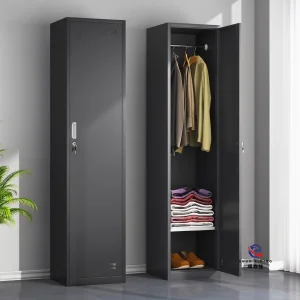
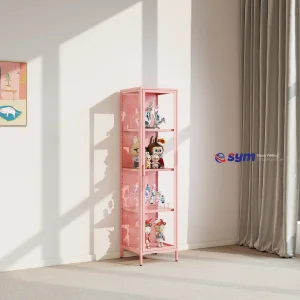
Explore our premium industrial-grade warehouse, workshop, and logistic solutions engineered for maximum durability, structural payload stability, and optimized footprint efficiency.
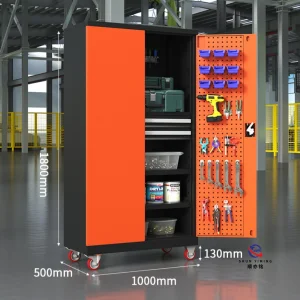
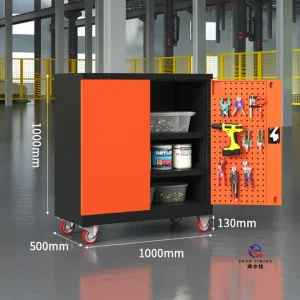
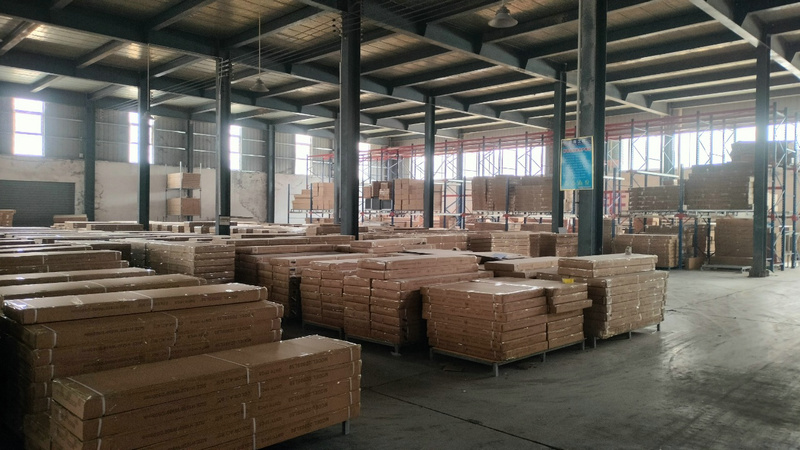
Founded in 2015, Shenzhen Shunyiming Trading Co., Ltd. has established itself as a top-tier manufacturer and global exporter of heavy-duty industrial steel platforms, custom structural mezzanine floor systems, and intelligent multi-tier racking systems. Operating from a world-class manufacturing facility covering more than 32,000 square meters, we bring 14 years of deep manufacturing engineering expertise and 8 years of specialized international supply chain logistics directly to our international clients.
Our commitment to quality, robust structural design, and strict conformity to safety guidelines enables us to post an annual export volume exceeding USD 28 million. We proudly support structural engineering and storage capacity demands for material handling professionals, warehouse managers, and supply chain developers across North America, Europe, Southeast Asia, and the Middle East.
Supported by a highly synchronized network of more than 800 supply chain partners, we ensure rapid lead times on high-quality hot-rolled structural steel, custom-punched structural components, and high-durability electrostatic powder coatings. This resilient ecosystem permits seamless execution of large-scale projects without standard bottlenecks.
Our quality assurance division relies on 45 dedicated inspectors monitoring the entire production workflow. We execute complete material stress tests, automated ultrasonic weld inspections, dynamic loading simulations, and surface thickness analyses to satisfy strict ISO9001 and CE marking guidelines.
A visual snapshot of Shenzhen Shunyiming's operational capacities, engineering scale, and global export presence.
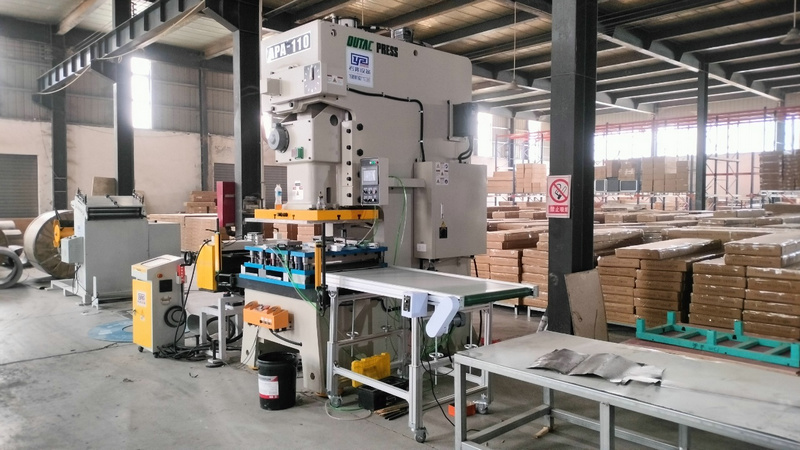
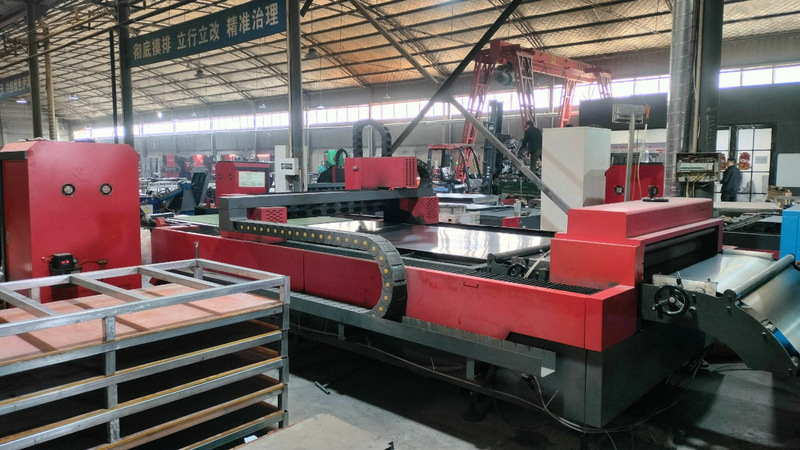
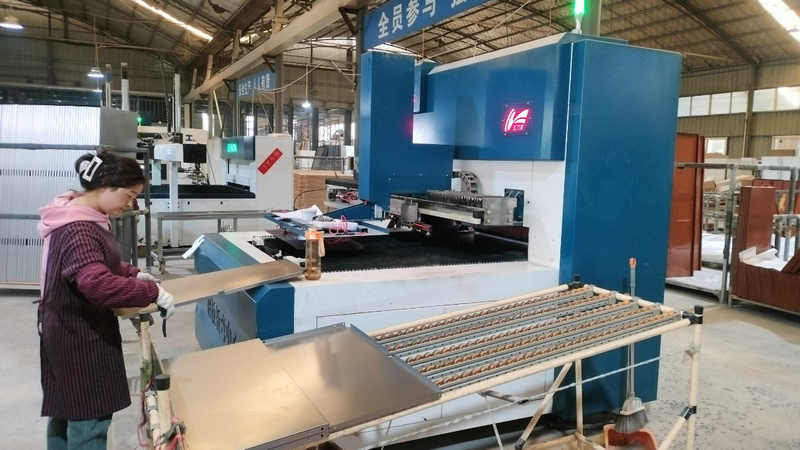
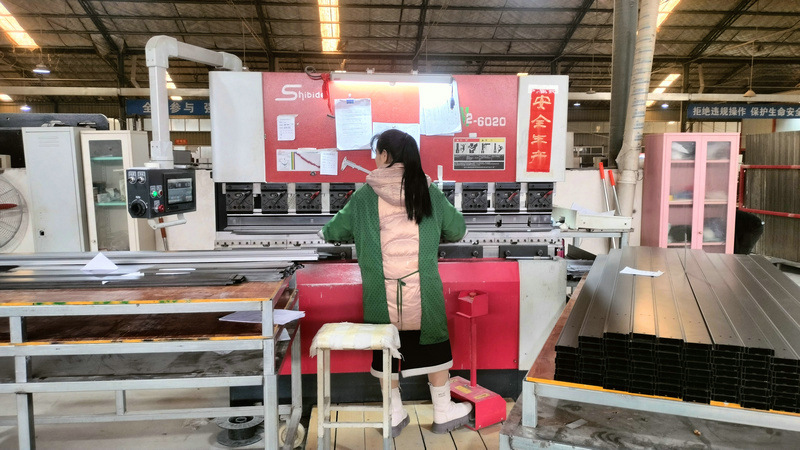
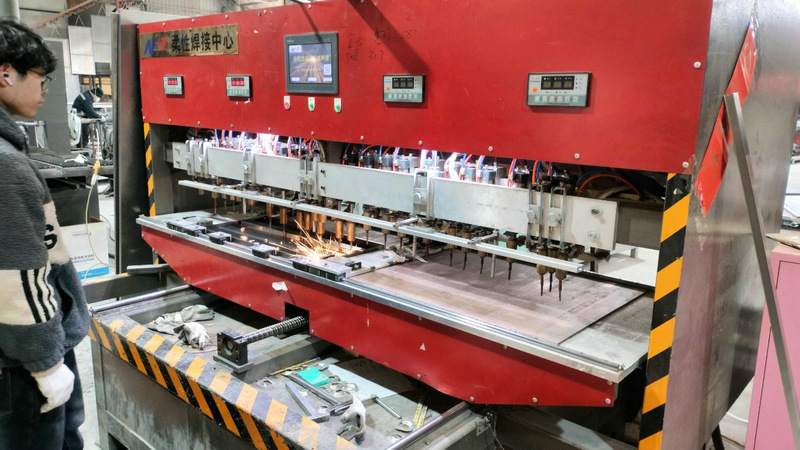
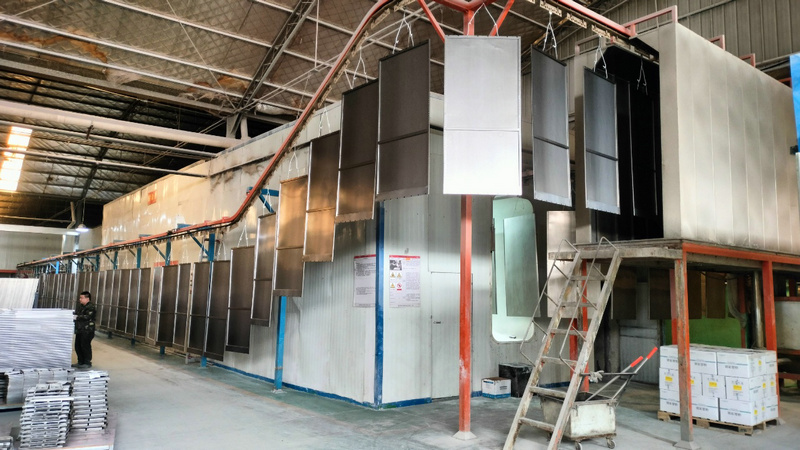
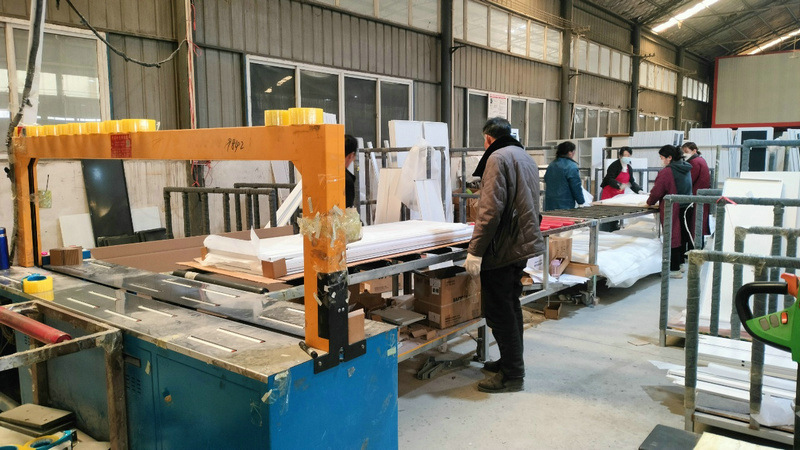
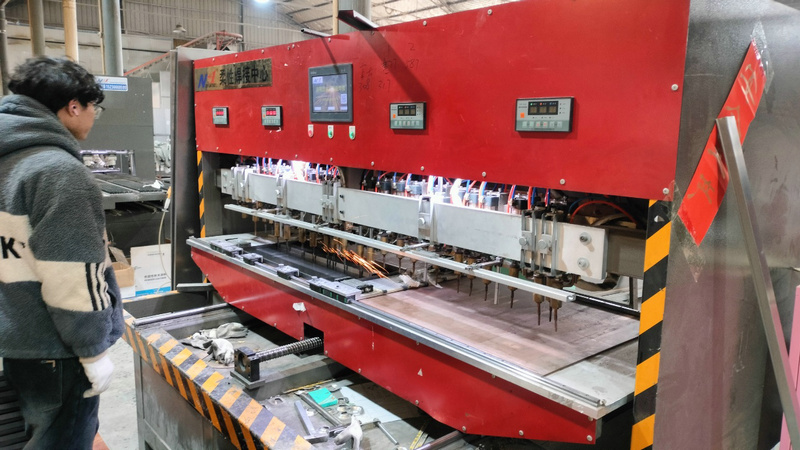
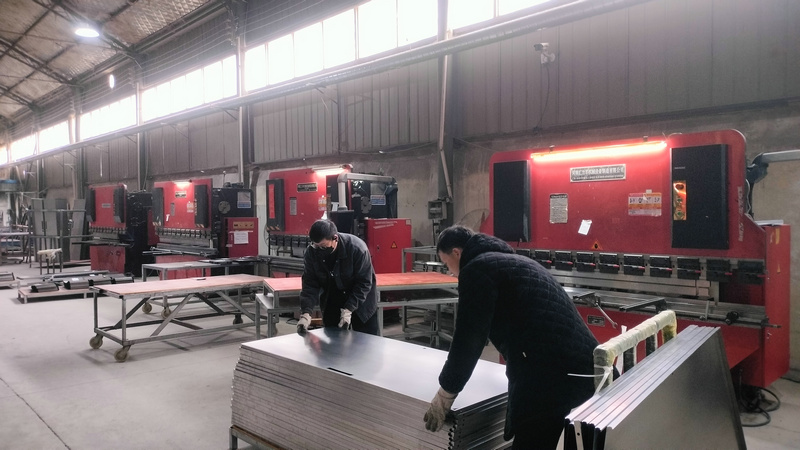
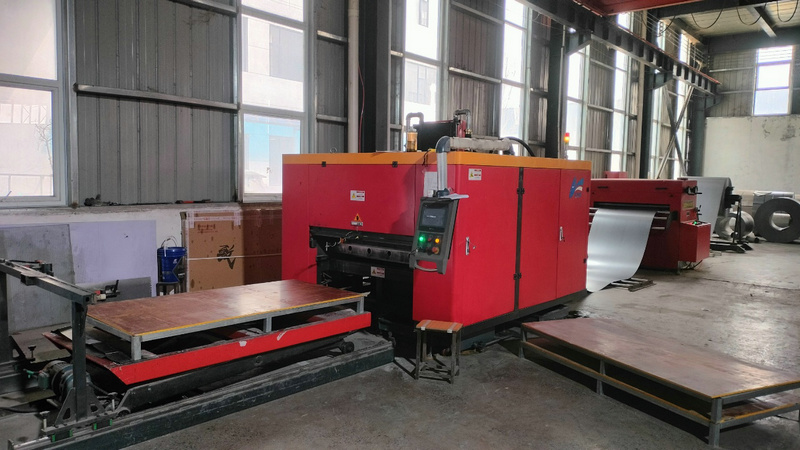
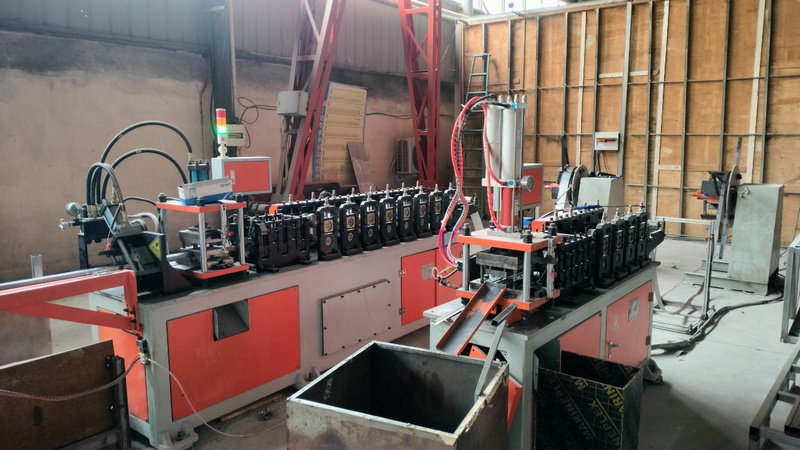
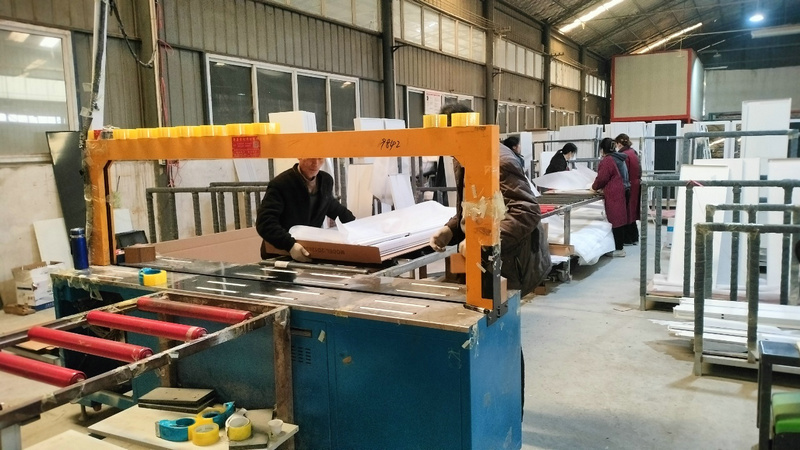
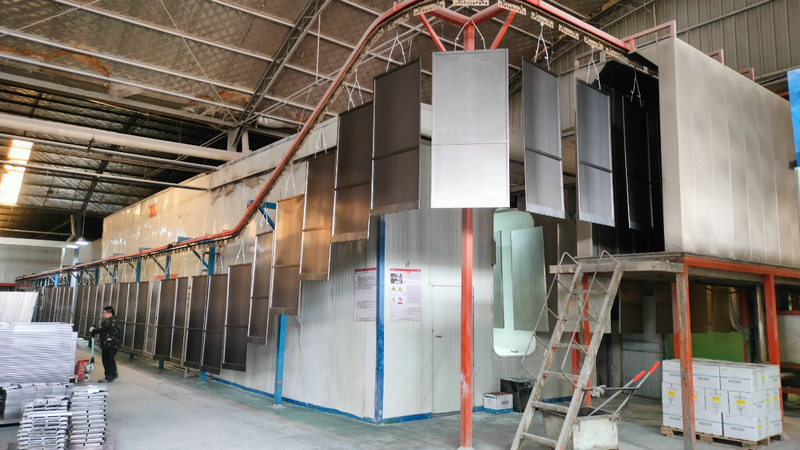
Take an inside look at our advanced fabrication workflows. From cold-roll forming and precision robotic welding to automated electrostatic powder coating lines, we maintain complete control over structural integrity.
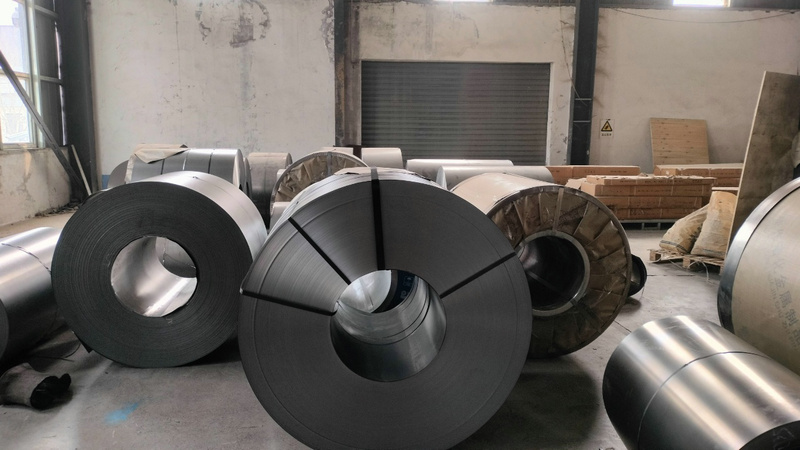
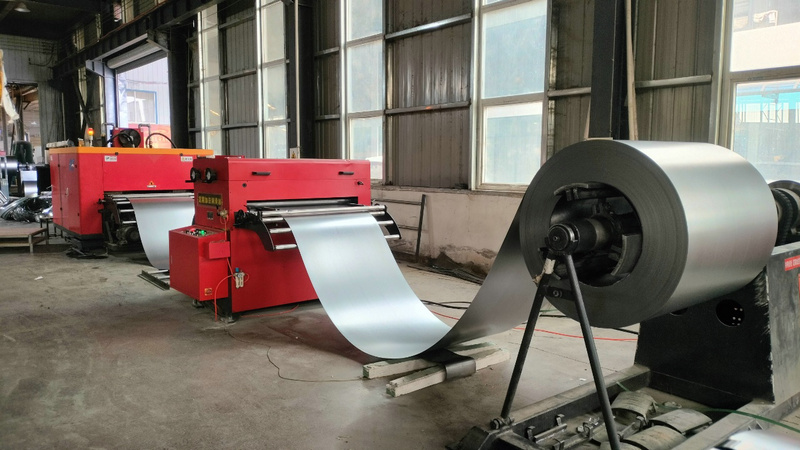
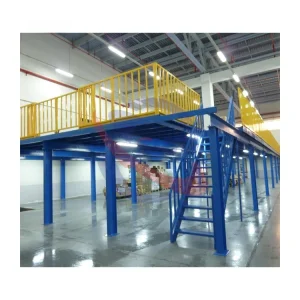
In modern industrial facilities and regional distribution centers, optimizing volumetric storage density is no longer just a trend—it is a critical operational necessity. High land prices, growing construction expenses, and the rapid rise of third-party logistics (3PL) make it essential to build upwards rather than outwards. Industrial steel mezzanine platforms offer an ideal engineering path, letting enterprises expand vertically within their existing physical footprint.
However, adding high-capacity overhead structures involves strict mechanical requirements, rigorous structural calculations, and complex regulatory compliance. This white paper highlights the key engineering practices, localization workflows, manufacturing quality checks, and supply chain designs that make CE-certified steel platforms reliable, durable, and highly efficient.
Worldwide logistics networks are experiencing unprecedented growth, driven by rapid e-commerce expansion and just-in-time manufacturing models. Consequently, demand for urban logistics hubs and fulfillment centers has surged. Yet, finding large plots of industrial real estate near major metropolitan areas remains difficult and expensive.
Faced with high real estate costs, structural engineers and warehouse planners rely on heavy-duty industrial steel platforms to reclaim valuable space. These structures double or triple usable floor area by turning empty overhead space into operational zones. Whether used for automated sortation systems, dense conveyor lines, secondary assembly zones, or pick-and-pack operations, industrial steel platforms offer a flexible, cost-effective alternative to physical building expansions.
Today's storage solutions must also integrate smoothly with advanced automation. Modern mezzanines are engineered to support heavy dynamic loads, such as those from Autonomous Mobile Robots (AMRs), automated sorting machinery, and dense vertical lift modules. Supporting these systems requires strict deflection limits, precise vibration management, and highly stable structural framing.
Industrial storage configurations vary widely based on regional market needs, physical facilities, and local environmental conditions. A steel platform that performs well in a dry, seismically stable zone may require significant adjustments before it can be deployed elsewhere. Below are three common localized application setups:
In North American logistics hubs, speed and throughput are paramount. Mezzanine platforms here are typically configured with large column spans (often 6 to 10 meters) to allow forklift traffic, conveyor runs, and AGV pathways to flow freely on the floor below. These structures must comply with RMI (Rack Manufacturers Institute) standard MH16.1 and local AISC structural steel guidelines. Engineers must design for high dynamic loads, install heavy-duty column protection, and include integrated safety gates for mezzanine loading zones.
Industrial platforms in European manufacturing corridors (such as Germany and Poland) often support heavy static machinery, manufacturing inventory, and local work teams. These multi-tier systems must meet Eurocode 3 (EN 1993) standards for structural steel design. They require excellent vibration control, fire-resistant decking materials, integrated escape pathways, and high-visibility safety barriers to protect workers on both levels.
Installations in active seismic zones (such as Indonesia, the Philippines, or Japan) require specialized engineering to handle lateral forces. Our R&D engineers use advanced Finite Element Analysis (FEA) software to design custom seismic bracing, heavy-duty baseplates, and high-strength anchor connections. In warm, high-humidity regions, we also apply thick electrostatic powder coatings or hot-dip galvanization to prevent rust and extend the platform's service life.
Shenzhen Shunyiming Trading Co., Ltd. continuously refines its structural product lines through constant engineering innovation. Our technical roadmap focuses on four main performance areas:
Shenzhen Shunyiming’s manufacturing hub in southern China offers significant advantages in material sourcing, fabrication speed, and global logistics coordination:
Raw Material Integration: Being located near major steel mills gives us direct, cost-effective access to certified structural steel. Through our network of over 800 supply chain partners, we secure high-grade raw materials quickly, insulating our clients from global material shortages.
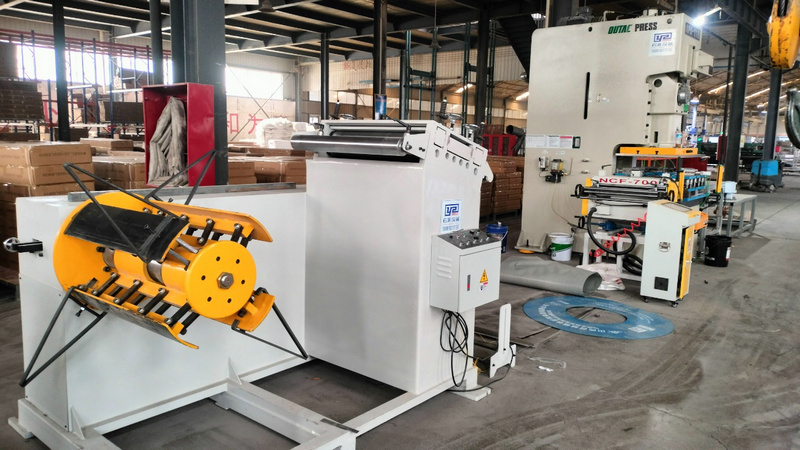
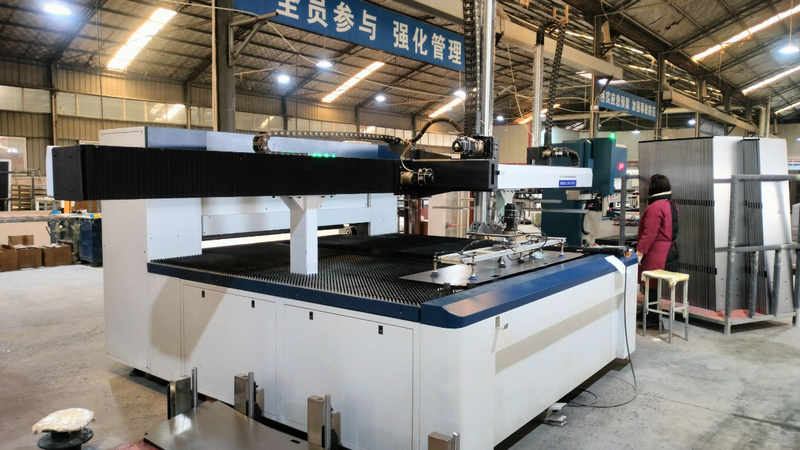
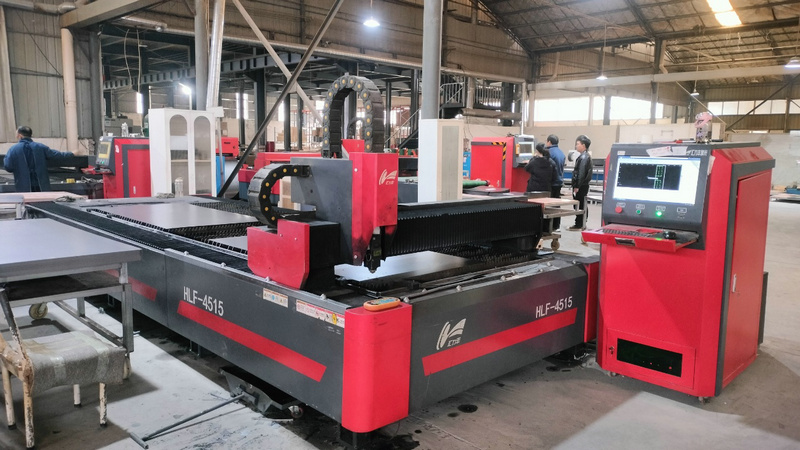
Advanced Production Automation: Our 32,000-square-meter facility features automated CNC punching lines, laser cutting tables, robotic welding cells, and automated multi-stage rolling lines. This advanced machinery minimizes manual errors, ensures uniform weld quality, and speeds up production turnarounds.
Strategic Shipping Hubs: Based in Shenzhen, we are close to some of the world's busiest deepwater ports, including Yantian and Shekou. This geographic advantage translates into direct shipping lanes, competitive freight rates, and efficient container packing, helping us deliver projects to global ports on time and within budget.
Meeting local building codes and safety regulations is essential when installing overhead industrial structures. At Shenzhen Shunyiming, we provide comprehensive compliance support throughout the design and manufacturing process:
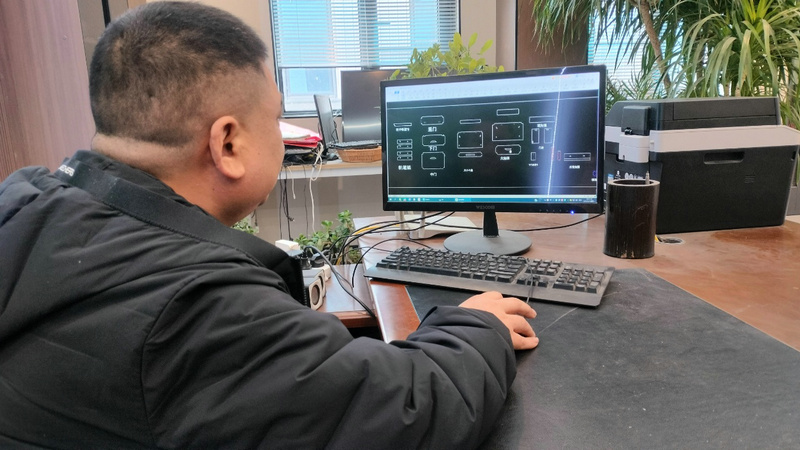
Our engineering team uses advanced structural calculation software to generate 3D CAD layouts, structural analysis reports, and dynamic load estimations. We detail key load metrics—such as dead loads, live loads, concentrated point loads, and dynamic factors—ensuring compliance with regional standards like the European Construction Products Regulation (CPR) and local EN 1090 requirements.
To help clients secure local permits, we supply detailed material test certificates, weld strength documentation, and signed structural calculations. We also offer remote installation guidance, providing step-by-step layout drawings, installation videos, and direct engineering support to make setup fast, safe, and efficient.
Review key technical, engineering, and logistical questions regarding our CE-certified steel platform systems.
Our engineers calculate the platform's load capacity based on static dead loads (the weight of the structure itself), uniform live loads (stored inventory, pallet placement, or foot traffic), concentrated point loads (heavy machinery legs or rack columns), and dynamic impact factors (such as moving pallet jacks or AMVs). We design platforms to handle loads ranging from 250 kg/sqm up to 2,000+ kg/sqm, matching the structural profiles to your specific load requirements.
Our factory follows the EN 1090 standard for steel and aluminum structures. We control the entire production process—from raw material traceability (EN 10204 3.1 certificates) and certified welding procedures (WPQR) to final dimensional checks and thickness testing of our powder coatings. Each platform is shipped with a Declaration of Performance (DoP) and carries the CE mark, proving compliance with EU safety directives.
We provide a variety of decking options to suit different operating environments. High-density wood panels (such as structural MDF or plywood) with wear-resistant finishes are ideal for foot traffic and light hand carts. Open steel grating is preferred for light flow, ventilation, and fire sprinkler activation. Solid steel plate or diamond-patterned safety plate offers excellent durability and slip resistance in heavy industrial areas.
Yes. Our platforms feature a modular, bolted connection design, avoiding the need for on-site welding. This lets you modify, expand, or even relocate the platform as your warehouse requirements change. We retain all engineering drawings and calculations, allowing us to easily manufacture matching additions or replacement parts that align perfectly with your existing structure.
Our standard manufacturing lead time is 30 to 45 days after the final design drawings are approved. This timeline can vary depending on the project's scale, structural complexity, and customized finishes. Thanks to our 32,000-square-meter facility and extensive supply chain network, we can run multiple production lines in parallel to meet demanding project schedules.
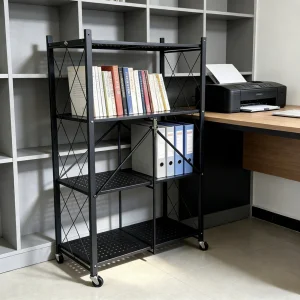
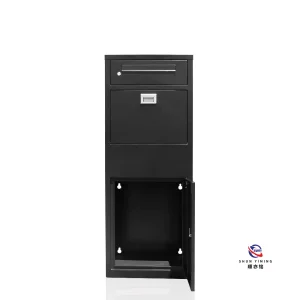
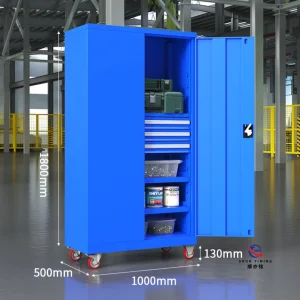
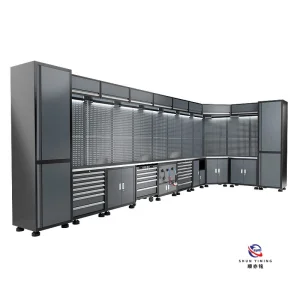
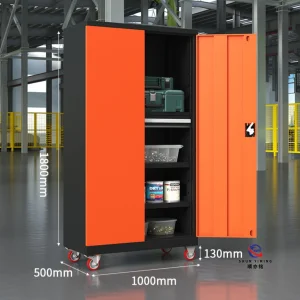
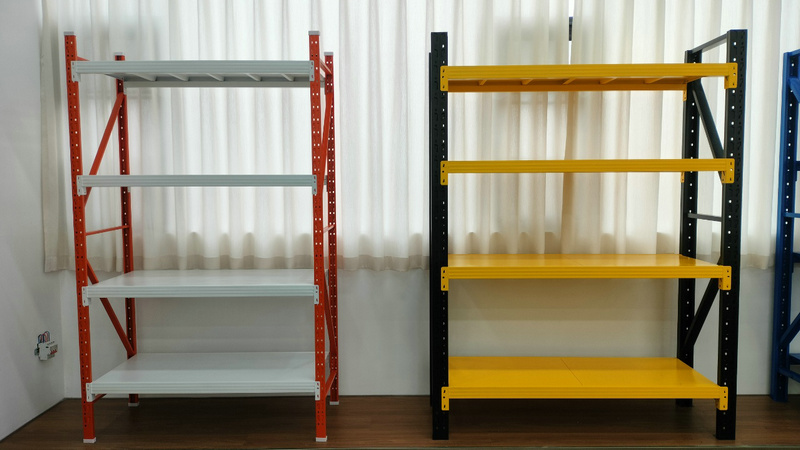
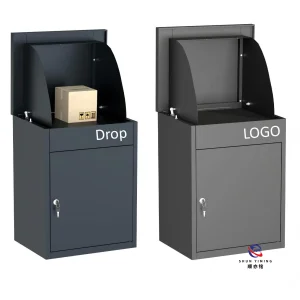
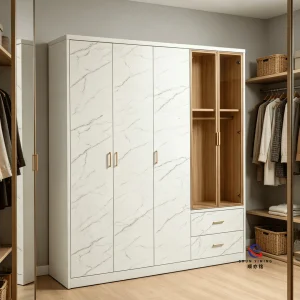
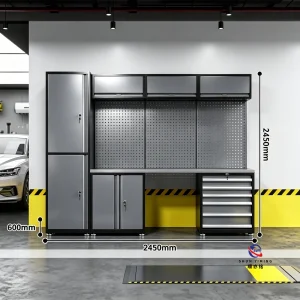
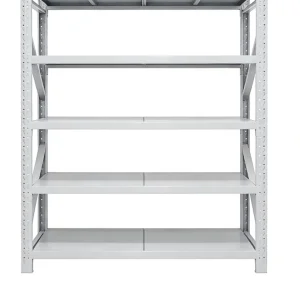
Explore our secondary collection of smart locker systems, heavy-duty shelving, and professional workstation equipment engineered for industrial, commercial, and public spaces.
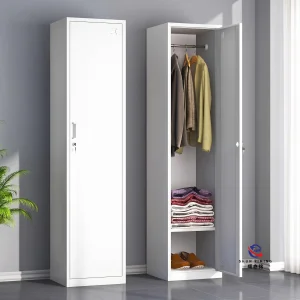
 Shunyiming Racking