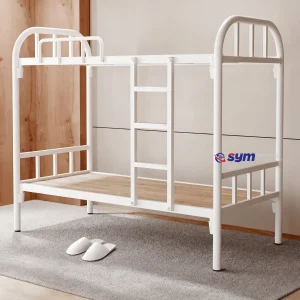
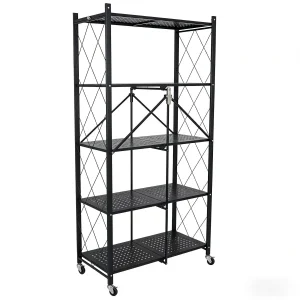
Innovative and heavy-duty logistics and warehouse storage products engineered for maximizing storage density and operational throughput.
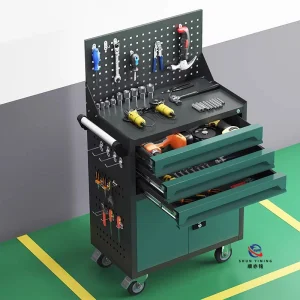
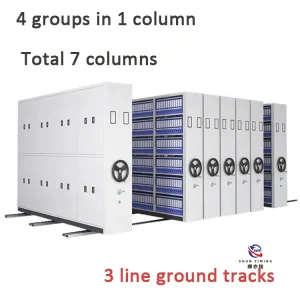
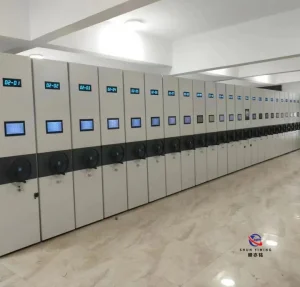
Shenzhen Shunyiming Trading Co., Ltd. leads the engineering and exporting of high-density semi-automated storage configurations.
Established in 2015, Shenzhen Shunyiming Trading Co., Ltd. is a premier manufacturer and global supplier specializing in heavy-duty industrial racking and smart warehouse storage systems. Operating out of a state-of-the-art facility spanning over 32,000 square meters, we bring over 14 years of deep industry expertise and 8 years of dedicated international trade experience to the global market. Driven by innovation, our annual export revenue has reached USD 28 million, serving clients across North America, Europe, Southeast Asia, and the Middle East.
At Shenzhen Shunyiming, quality and structural integrity are paramount. Supported by a robust network of more than 800 supply chain partners, we cater primarily to global logistics hubs, large-scale enterprise warehouses, industrial distributors, and e-commerce fulfillment centers. Our dedicated quality control team of 45 certified inspectors enforces rigorous testing protocols—including full raw material incoming inspection, automated online weld integrity monitoring, and heavy load-capacity stress tests—ensuring every racking system meets international safety standards like ISO9001 and CE.
Our end-to-end foreign trade expertise and strong R&D department, staffed by 18 senior structural engineers, enable full OEM/ODM customization. From dynamic load calculations and custom dimensions to specialized anti-corrosion powder coatings and seismic-resistant layouts, we deliver tailor-made solutions. In the past year alone, our R&&D team successfully introduced 65 new product designs to help our clients optimize warehouse footprint and operational efficiency.
Products comply with CE, ISO9001, FEM 10.2.02, and AS4084 standards for absolute safety.
Expandable configurations tailored to high-bay automated racking layout designs.
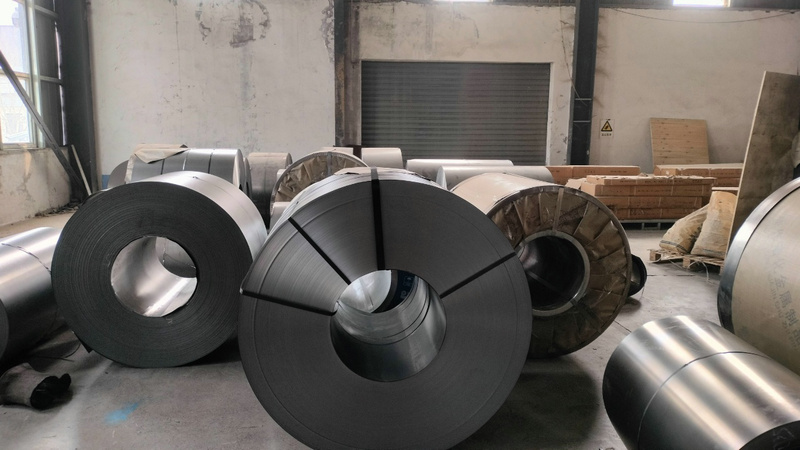
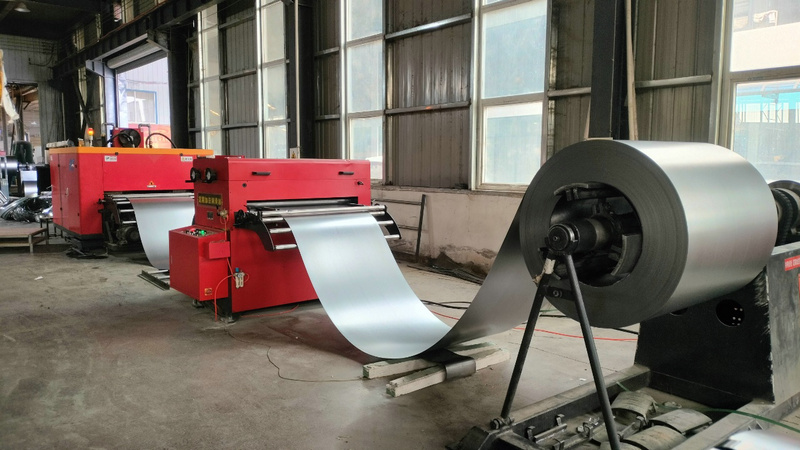
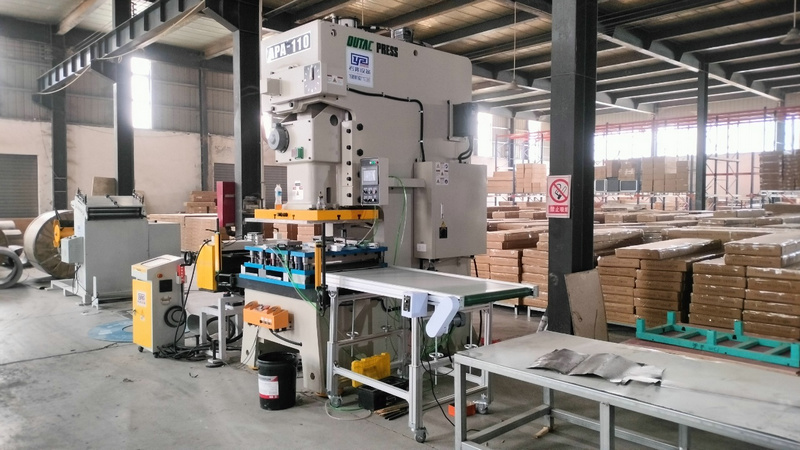
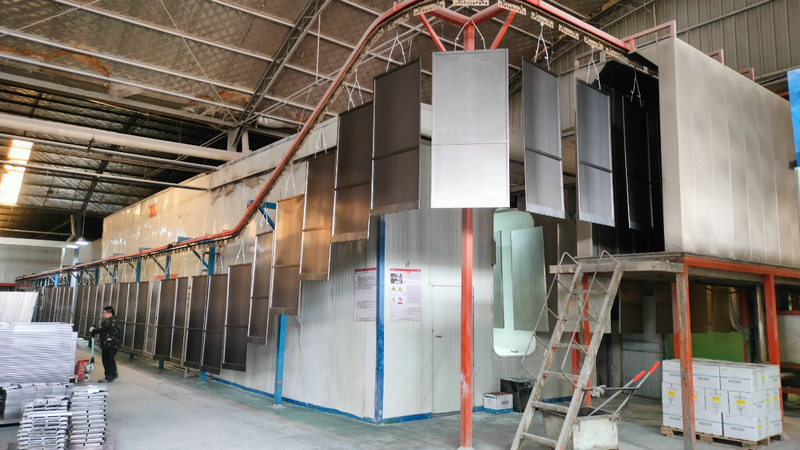
Take a look inside our state-of-the-art 32,000 sqm production workshop where quality steel transforms into world-class racking systems.
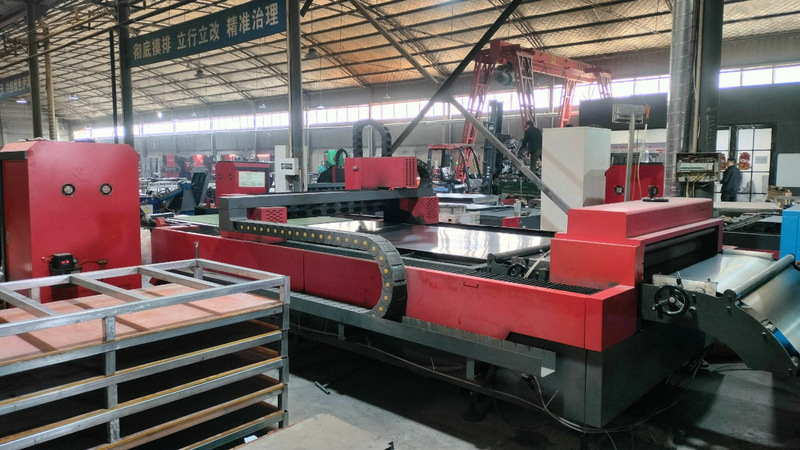
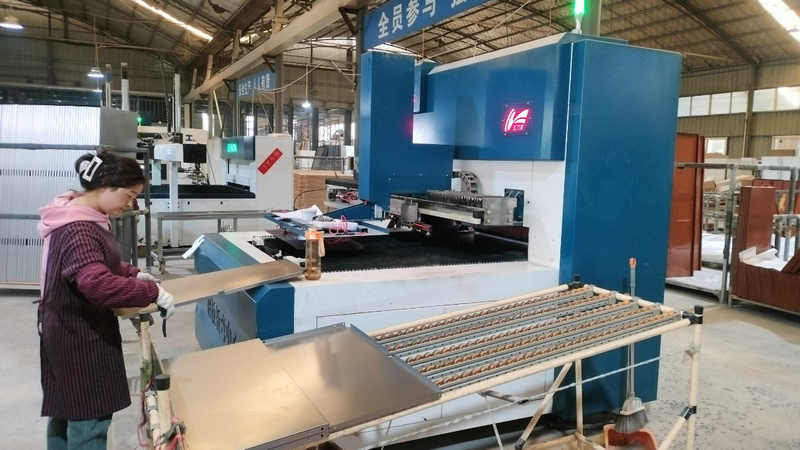
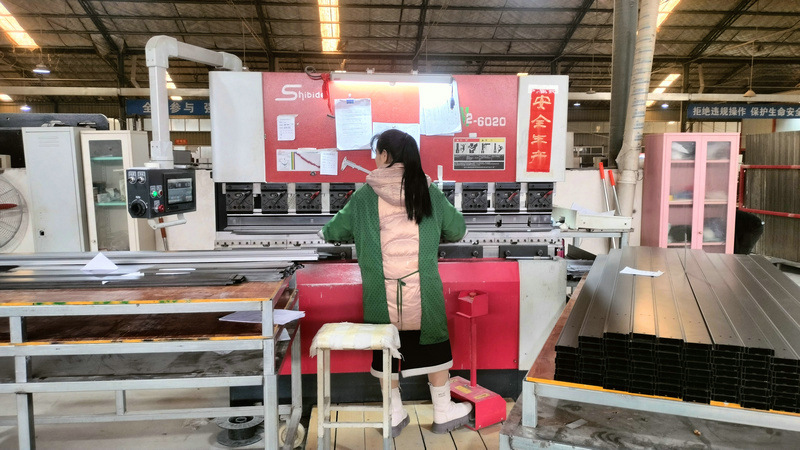
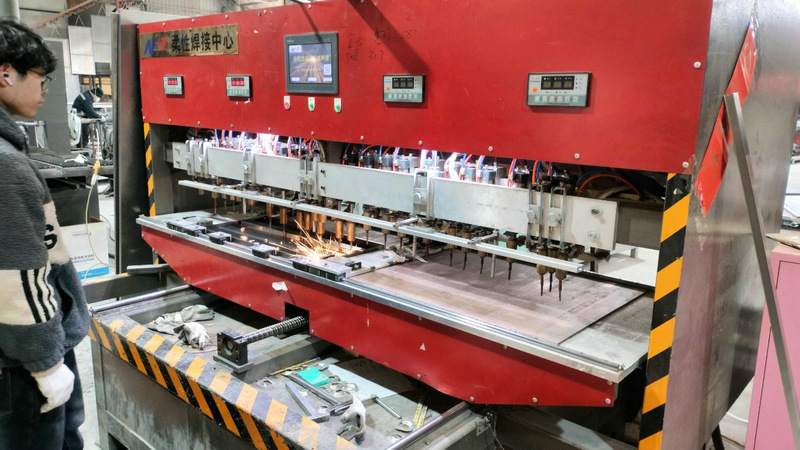
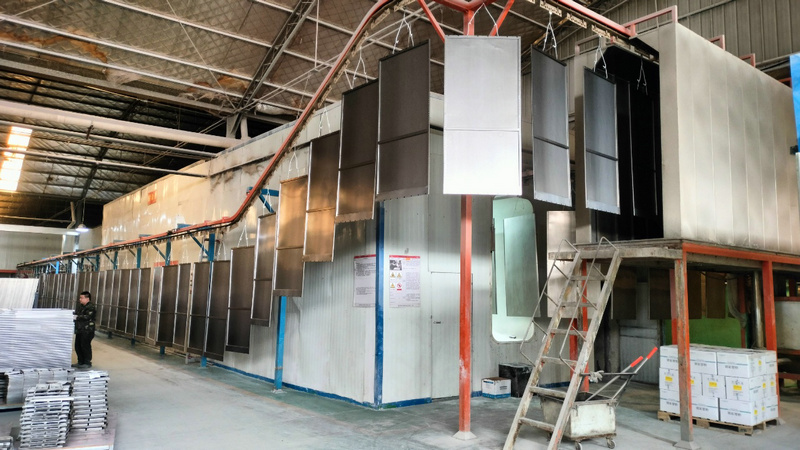
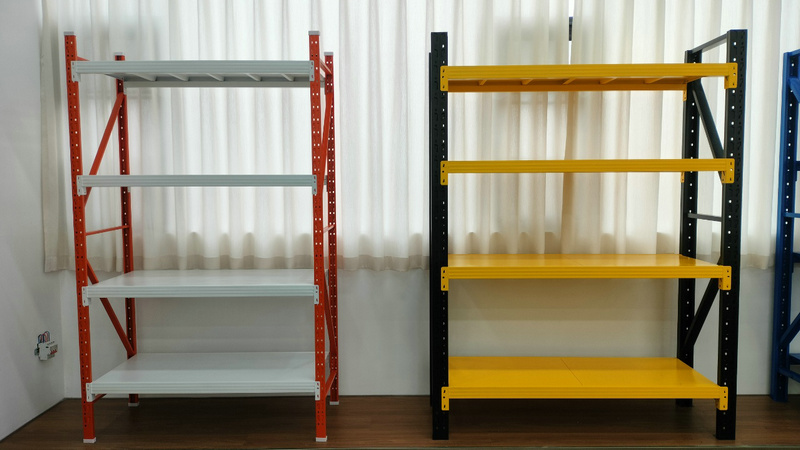
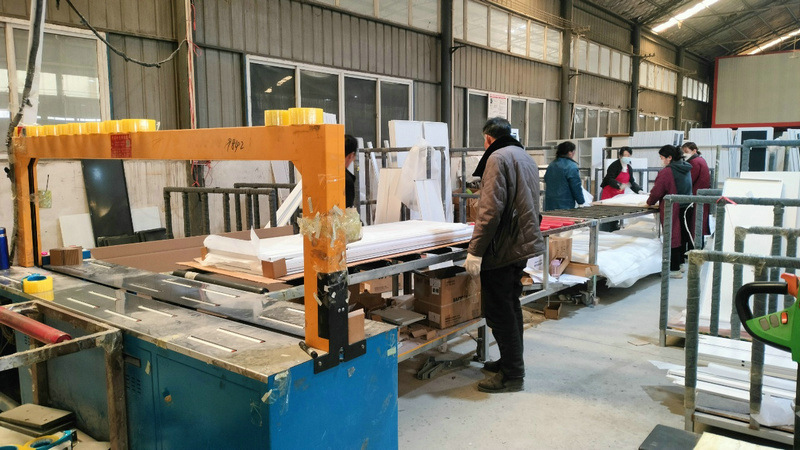
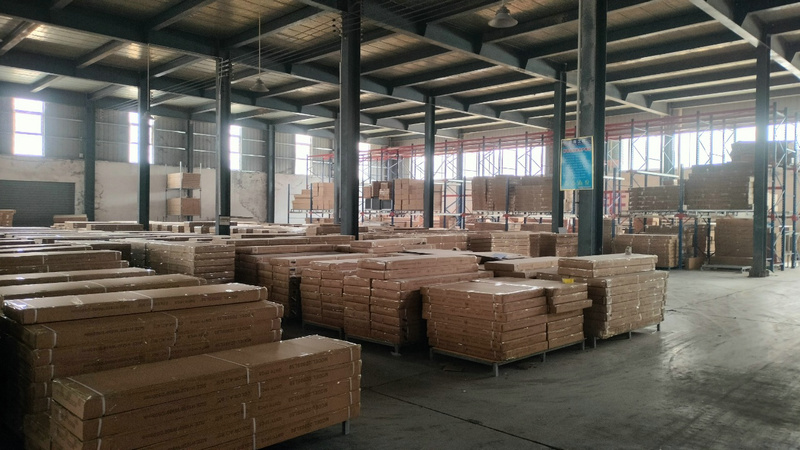
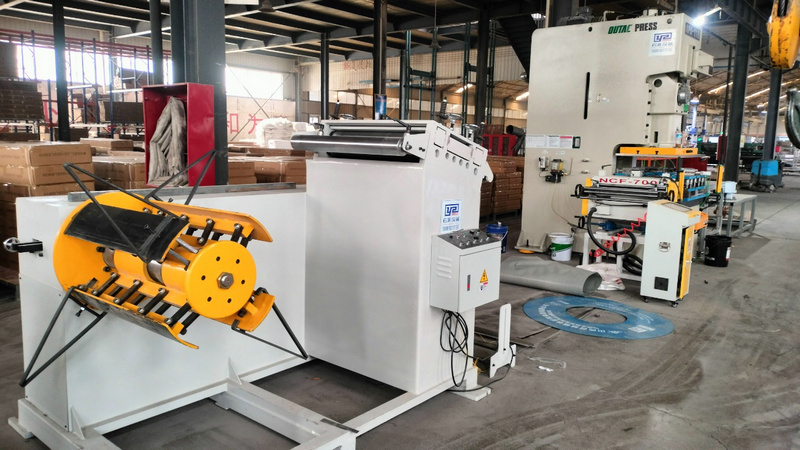
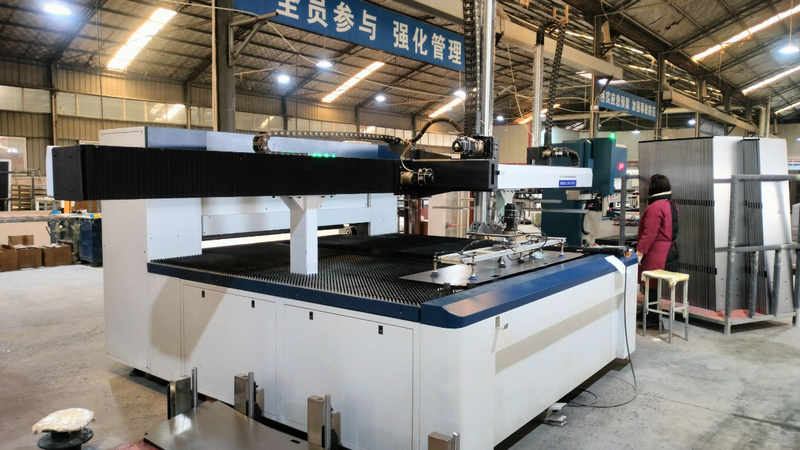
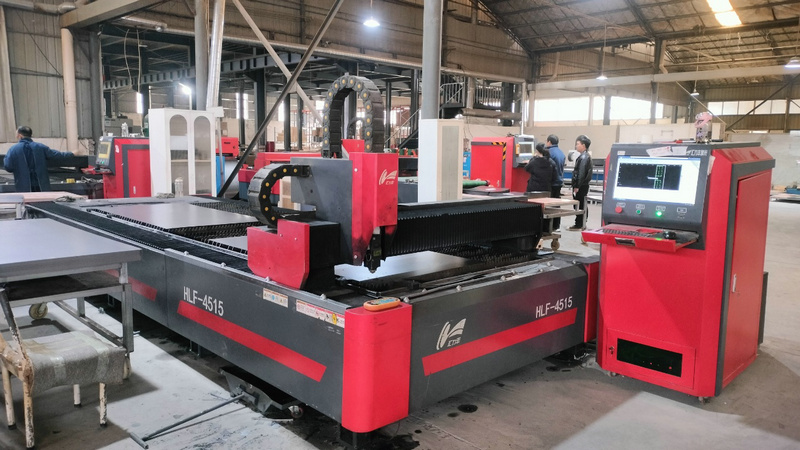
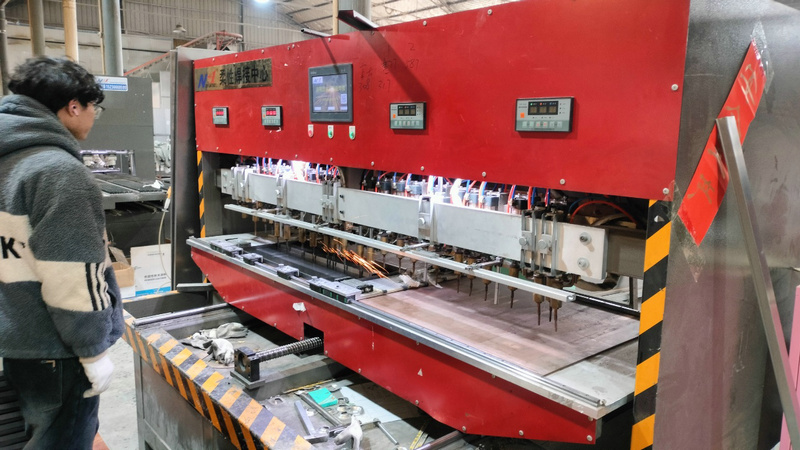
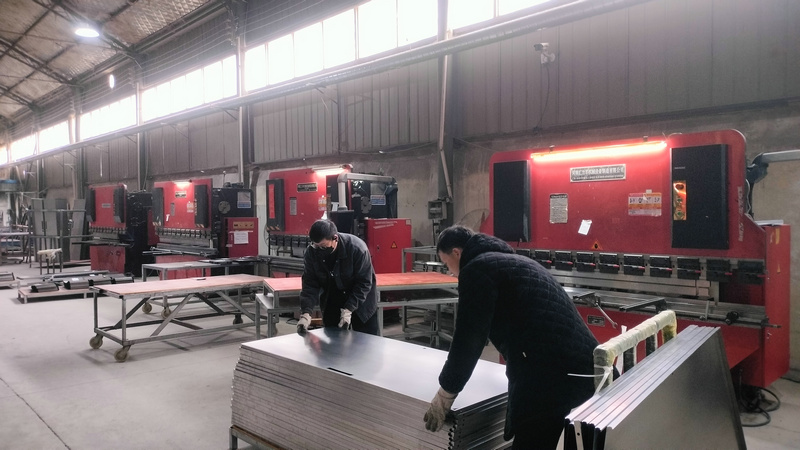
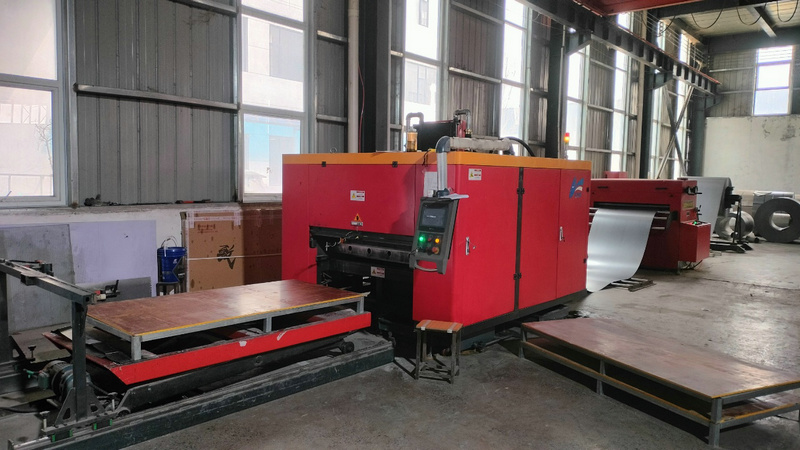
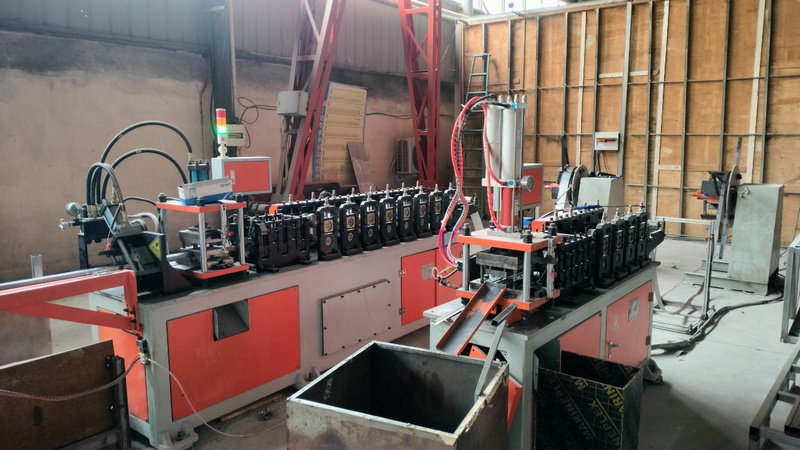
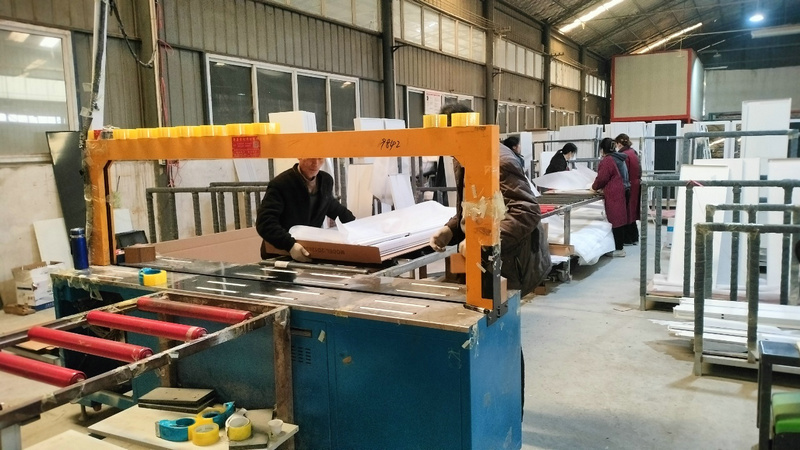
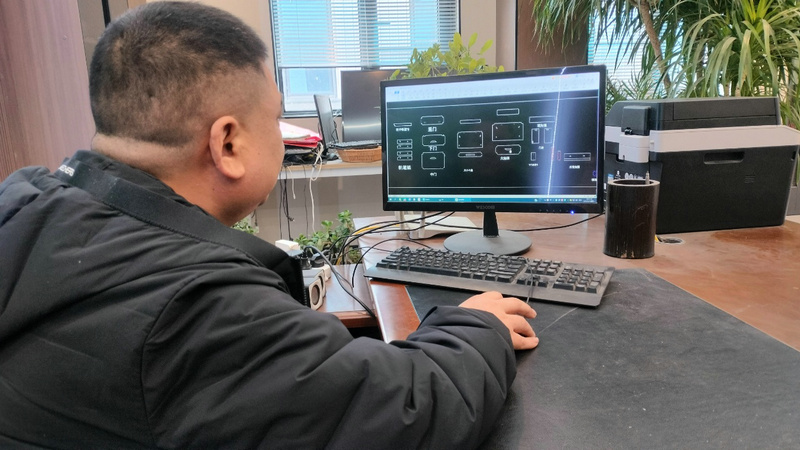
Why global enterprises select Chinese OEM/ODM suppliers for structural integrity, raw material abundance, and high technological integration.
We source our steel from premium Chinese state-owned steel plants, utilizing high-tensile hot-rolled Q235B and Q355 grades. These ensure low structural deflection, high yield points, and optimal weldability. Our configurations sustain heavy pallet dynamic loads ranging from 500kg up to 1,500kg per position safely.
By leveraging more than 800 supply chain partners in the regional industrial cluster, Shenzhen Shunyiming optimizes component cost from raw coil slitting to automated roll-forming and electrostatic finishing. We pass these cost benefits to our clients to deliver up to 35% savings compared to localized suppliers.
Our 18 structural engineers execute advanced Finite Element Analysis (FEA) using ANSYS to pre-simulate structural performance, dynamic shuttle travel acceleration, and potential seismic activities. Our customized profiles match the specific rail requirements of different radio shuttle carts, such as Wulian, Galaxis, and European brands.
An executive guide on semi-automated high-density storage design, deployment strategies, and ROI optimization.
A Radio Shuttle storage system (also known as a pallet runner or pallet mole system) is a semi-automated high-density storage solution that utilizes a self-powered robotic vehicle to deposit and retrieve pallets within deep racking lanes. Rather than having forklifts enter the storage lanes—as seen in traditional Drive-In racking—forklifts place the radio shuttle cart at the entry point of the designated lane. The cart then travels underneath the pallets, lifts them, and moves them to the deepest available storage location. This minimizes forklift travel times and significantly increases warehouse safety.
Depending on your inventory velocity, SKU profiles, and rotation protocols, a Radio Shuttle storage system can be engineered for two main configurations:
The success of a Radio Shuttle racking system depends heavily on the alignment between the racking structure and the shuttle runner. Our roll-formed upright posts and specialized support rails are engineered with a dimensional tolerance of ±0.5mm. We use Q355B structural steel for the runners to prevent profile torsion under heavy loads. Proper design keeps the shuttle from derailing or experiencing excessive friction, which can rapidly drain the cart's battery life.
Modern radio shuttle storage is transitioning from simple remote-controlled systems to dynamic, sensor-rich IoT nodes. The integration of 5G telemetry, LiDAR guidance, and smart WMS (Warehouse Management System) interfaces allows real-time diagnostics of the shuttle fleet's battery status, temperature, and cycle counts. Furthermore, hybrid combinations of Radio Shuttle racks with Stacked Cranes (ASRS) are gaining popularity in modern logistics parks to automate material flow completely.
How Shenzhen Shunyiming guarantees structural integrity and local regulatory approvals in North America, Europe, and Asia-Pacific.
Different geographies present unique seismic hazards. In accordance with the US Rack Manufacturers Institute (RMI) standards, European FEM codes, and Australian AS4084 rules, our engineering department performs custom wind, floor-slab load, and seismic acceleration calculations. Every project is accompanied by a structural calculation report to guarantee safety under regional seismic loads.
For European distribution channels, we supply racking systems certified to CE standards, utilizing EN 15512 structural specifications. For the Americas, our steel sourcing conforms to ASTM parameters, ensuring straightforward approvals from local building inspectorates and occupational safety regulators (such as OSHA).
Although our main fabrication yard is in China, we partner with regional rack installation teams, engineering consultants, and third-party inspectors in North America, Europe, and the Middle East. We provide detailed 3D installation videos, layout drawings, and online supervision during the setup phase to ensure quick deployment.
Answers to common structural, financial, and integration questions concerning industrial automated racking projects.
Typically, a Radio Shuttle storage lane can easily manage 20 to 50 pallets in depth. The main limitation is the battery life of the shuttle and warehouse throughput requirements. For very deep lanes, it is critical to ensure proper horizontal beam bracing and high-precision rail alignment to prevent cumulative tracking deviations.
Yes, absolutely. High-density shuttle systems are highly effective in cold storage and freezer applications (down to -30°C). By maximizing storage volume in a smaller footprint, they dramatically lower refrigeration power consumption. In cold environments, the radio shuttle carts are equipped with specialized low-temperature batteries and condensation-resistant heating elements.
Unlike traditional racks, radio shuttle carts require standard, high-quality pallets. Standard wooden pallets (like Euro-pallets or GMA pallets) or rigid plastic pallets with bottom runners must be in good condition. Damaged, warped, or loose deckboards can cause sensor tracking errors, trigger the shuttle's safety shutoff, or cause jams inside the deep lanes.
Radio Shuttle systems represent a cost-effective middle ground. They require a higher initial capital investment than standard drive-in racking because they use specialized rails and automated carts. However, they are significantly less expensive and faster to deploy than fully automated ASRS crane systems. They offer a strong return on investment (ROI) by maximizing storage volume, minimizing forklift operator overhead, and reducing product damage.
Modern radio shuttle carts feature comprehensive safety systems, including front and rear laser scanners, photoelectric sensors for pallet detection, mechanical bumpers, emergency stop triggers, and anti-slip wheel configurations. The cart automatically stops if it detects an unexpected obstacle in the lane, preventing collisions and material damage.
Explore our broader selection of storage and organizational solutions designed for workshops, retail areas, and warehouses.
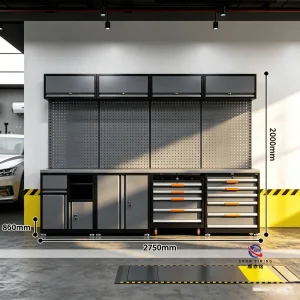
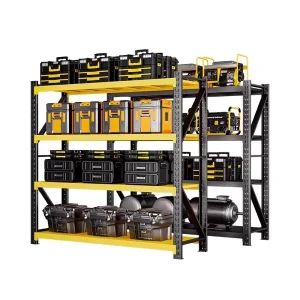
 Shunyiming Racking