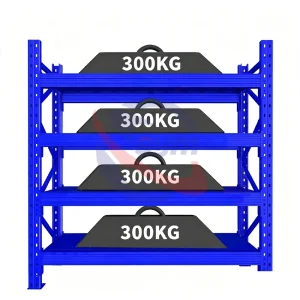
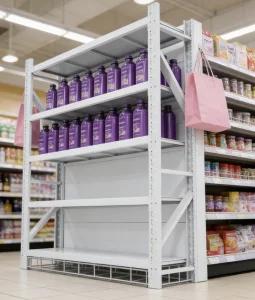
Engineered for material handling optimization, security, and long-term durability. Check out our high-demand industrial modules.
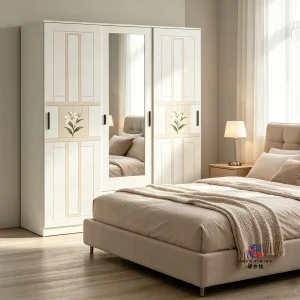
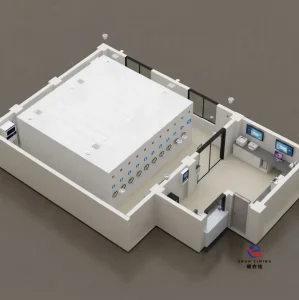
An analysis of structural integrity, space utilization metrics, and international B2B procurement strategies.
In the contemporary globalized supply chain, space is no longer just a physical dimension; it is a critical variable in operational expenditure. Heavy-duty stackable metal containers, modular racking systems, and smart space-saving storage furniture form the structural backbone of modern material handling. Global logistics hubs, automotive assembly lines, distribution centers, and commercial offices are facing unprecedented pressure to optimize every cubic meter of floor space while guaranteeing dynamic load safety.
Stackable containers and modular vertical storage units solve this fundamental challenge by utilizing vertical airspace that otherwise goes wasted. By engineering high-yield steel frames with precision interlocking mechanisms, manufacturers allow industrial operators to stack loaded structures up to six layers high safely. In heavy industrial environments—such as automotive component manufacturing, e-commerce fulfillment hubs, and raw chemical material management—the use of rigid stackable units reduces warehouse footprint requirements by up to 75% compared to traditional loose-floor storage.
"Semantic Intent Highlight: When global procurement officers search for 'China Wholesale Stackable Containers Factories,' they are not merely looking for wire baskets or plastic bins. They require high-load capacity structural steel frames, seismic-certified configurations, multi-tier racking integrations, and customizable modular cabinetry capable of surviving rigorous multi-year cycles."
The deployment of stackable modular systems varies drastically based on localized environment regulations, regional safety guidelines (such as FEM in Europe, RMI in North America, and AS4084 in Australia), and material requirements:
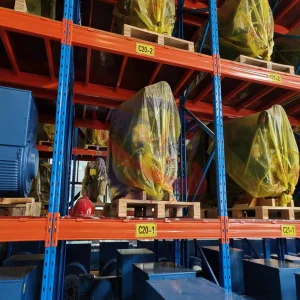
Requires heavy-duty cold-rolled steel stackable bins with high static load limiters (often exceeding 2,000 kg per container). Features dynamic self-locking feet to prevent displacement during transport.
Demands anti-corrosion galvanized or specialized epoxy-powder coated finishes. The design must facilitate optimum airflow to maintain temperature uniformity across dense stacks.
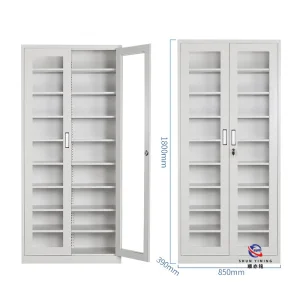
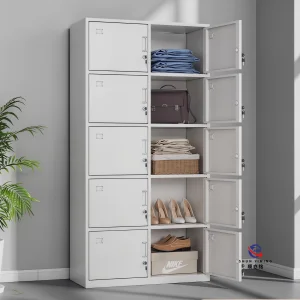
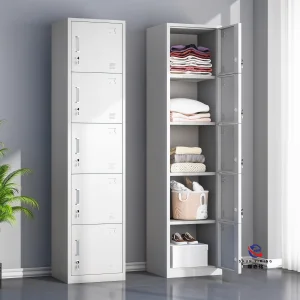
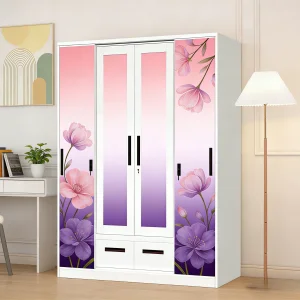
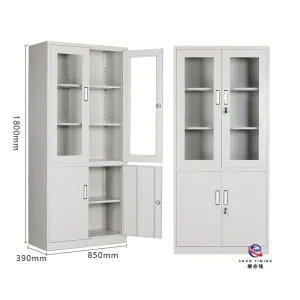
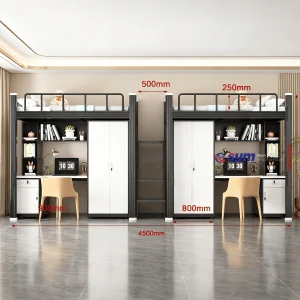
Requires space-optimized KD (Knock-down) structures like steel document lockers, smart touch-screen compact shelving units, and aesthetic wardrobes that integrate style with fireproof properties.
A Premier Manufacturer of Heavy-Duty Racking and Smart Warehouse Storage Systems
Established in 2015, Shenzhen Shunyiming Trading Co., Ltd. is a premier manufacturer and global supplier specializing in heavy-duty industrial racking and smart warehouse storage systems. Operating out of a state-of-the-art facility spanning over 32,000 square meters, we bring over 14 years of deep industry expertise and 8 years of dedicated international trade experience to the global market. Driven by innovation, our annual export revenue has reached USD 28 million, serving clients across North America, Europe, Southeast Asia, and the Middle East.
At Shenzhen Shunyiming, quality and structural integrity are paramount. Supported by a robust network of more than 800 supply chain partners, we cater primarily to global logistics hubs, large-scale enterprise warehouses, industrial distributors, and e-commerce fulfillment centers. Our dedicated quality control team of 45 certified inspectors enforces rigorous testing protocols—including full raw material incoming inspection, automated online weld integrity monitoring, and heavy load-capacity stress tests—ensuring every racking system meets international safety standards like ISO9001 and CE.
Innovation is deeply embedded in our operations. Our end-to-end foreign trade expertise and strong R&D department, staffed by 18 senior structural engineers, enable full OEM/ODM customization. From dynamic load calculations and custom dimensions to specialized anti-corrosion powder coatings and seismic-resistant layouts, we deliver tailor-made solutions. In the past year alone, our R&D team successfully introduced 65 new product designs to help our clients optimize warehouse footprint and operational efficiency.
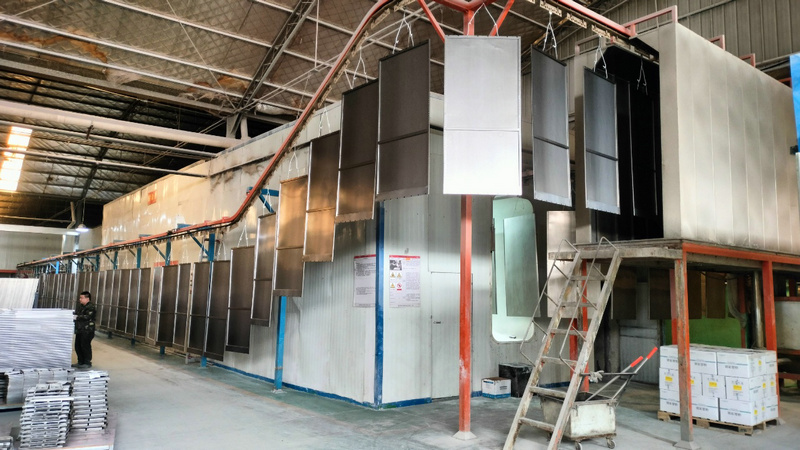
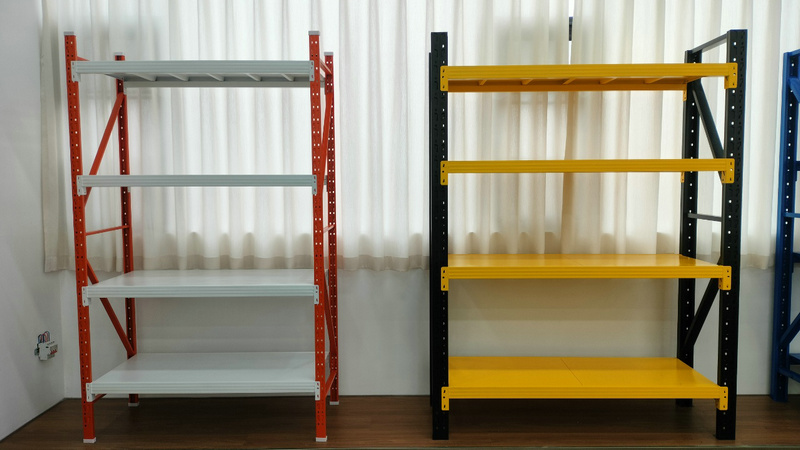
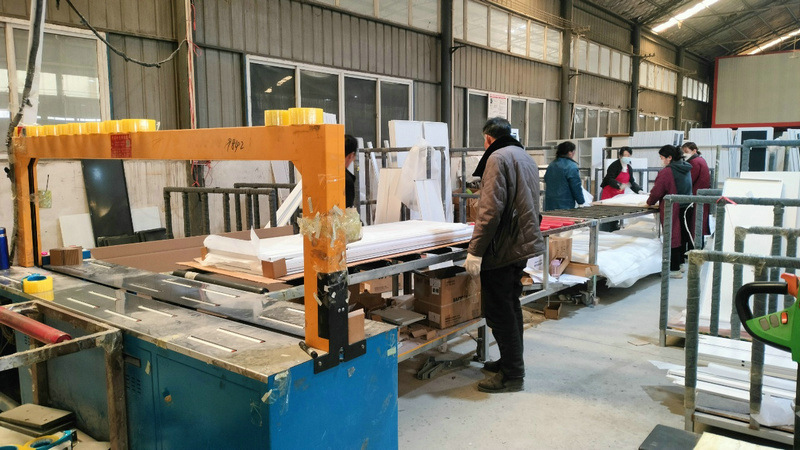
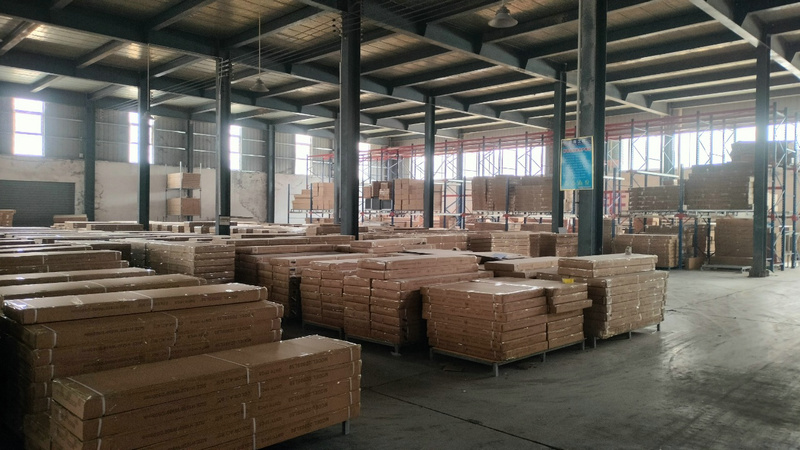
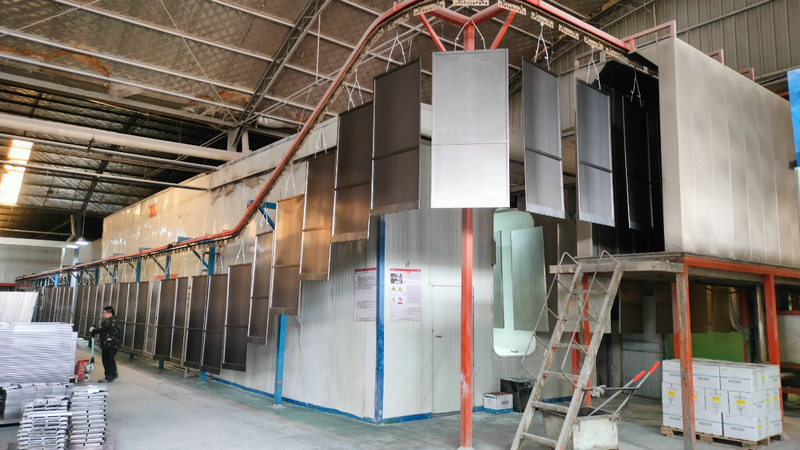
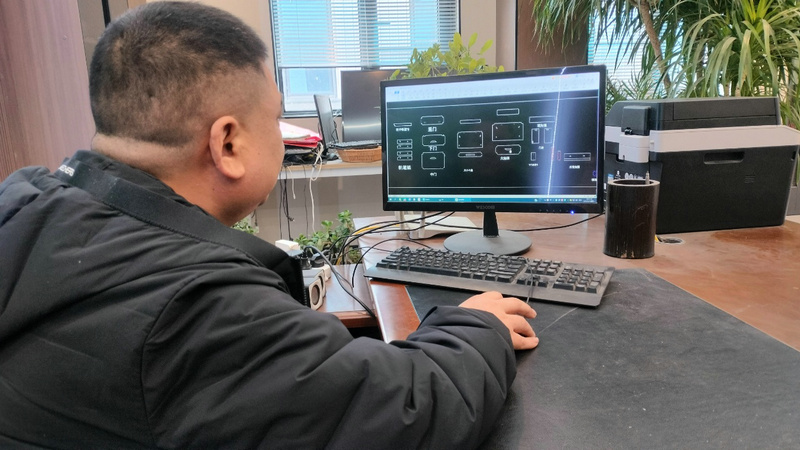
Trace our comprehensive manufacturing journey, from premium raw material steel coils to automated punching, robotic bending, precision welding, and finished storage products.
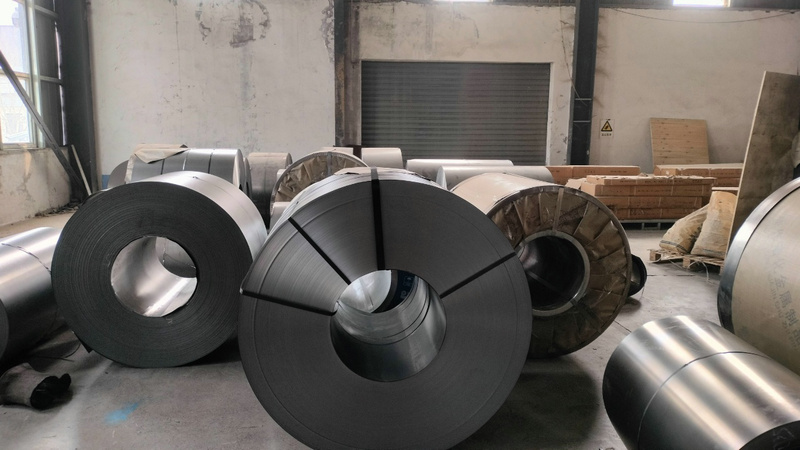
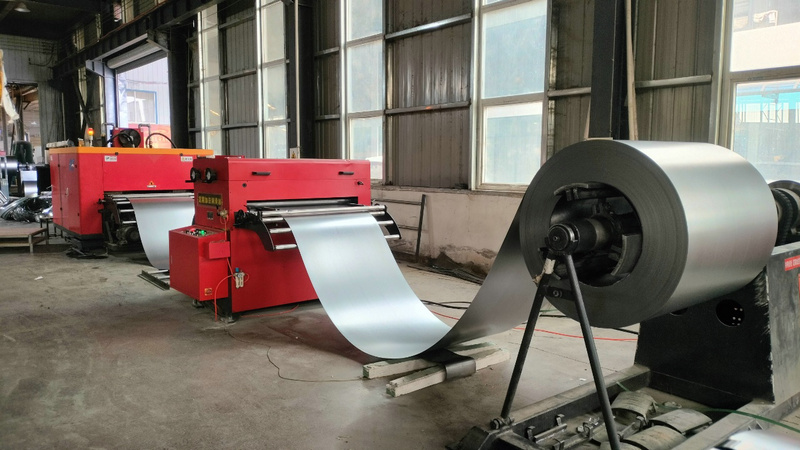
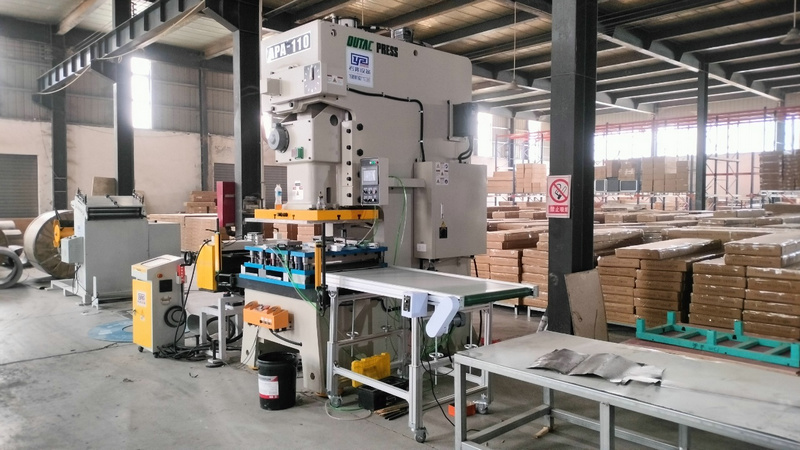
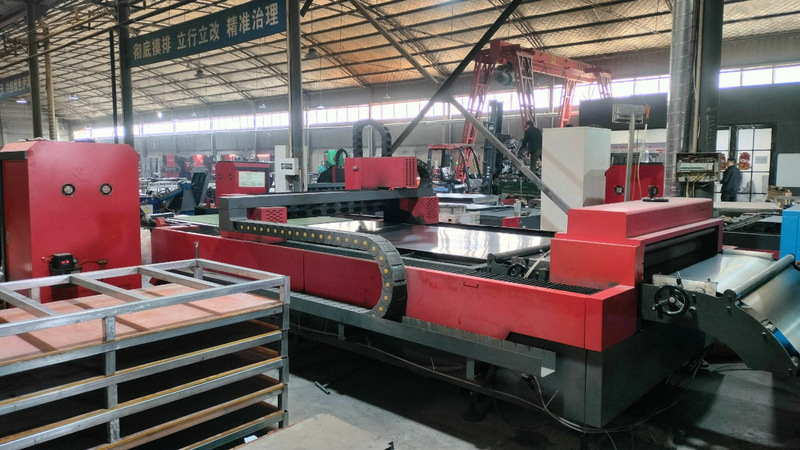
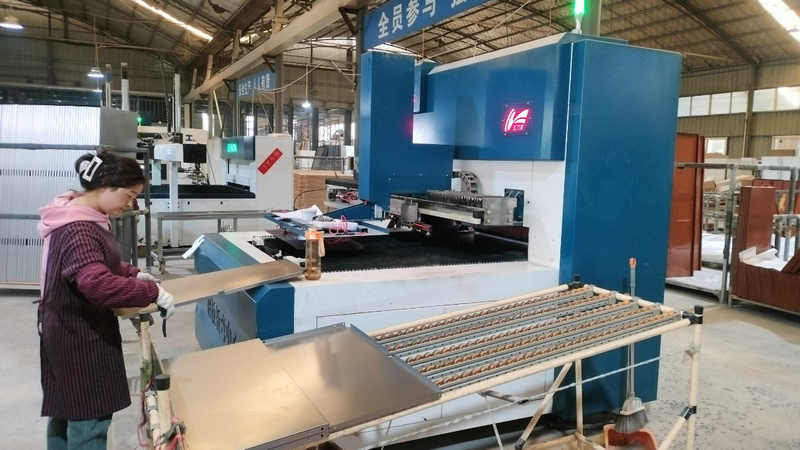
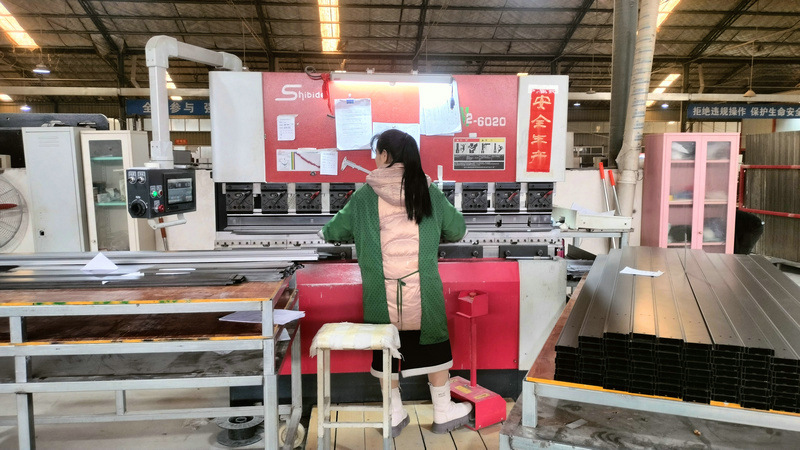
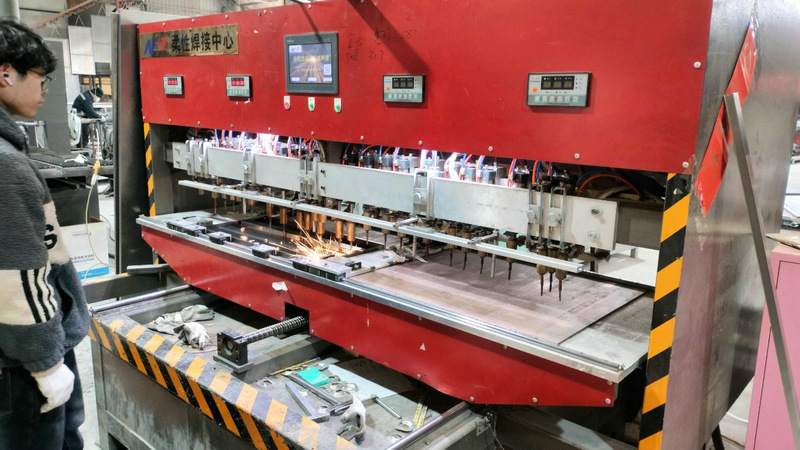
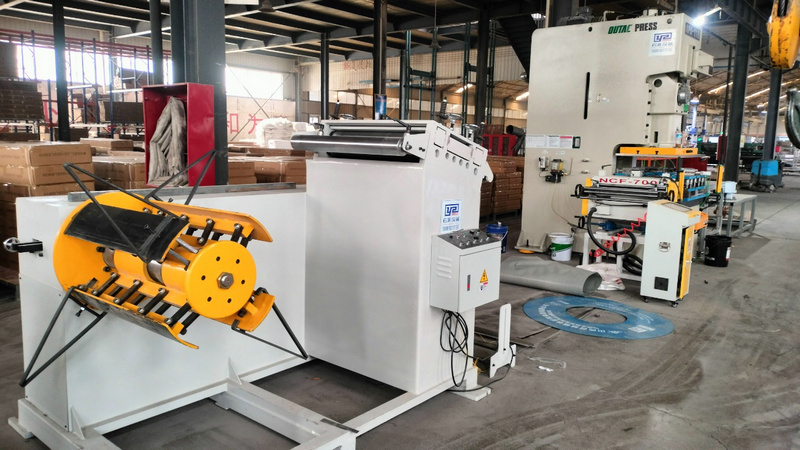
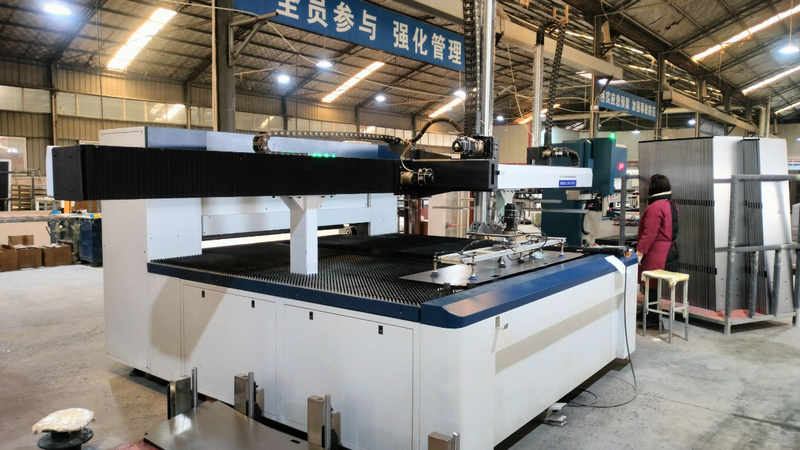
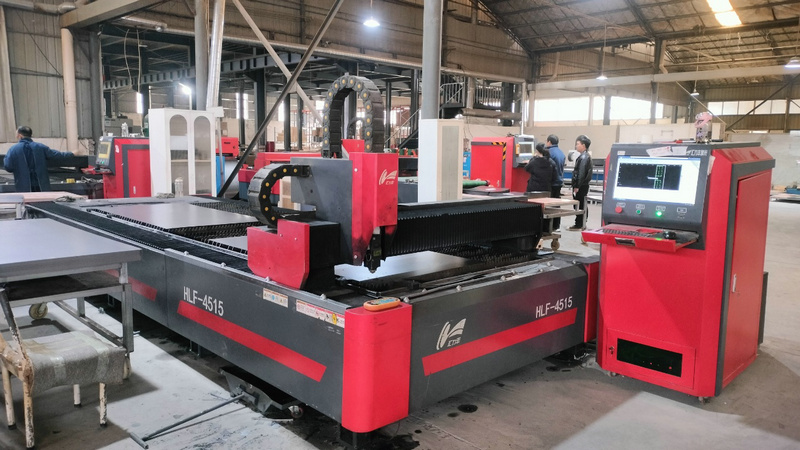
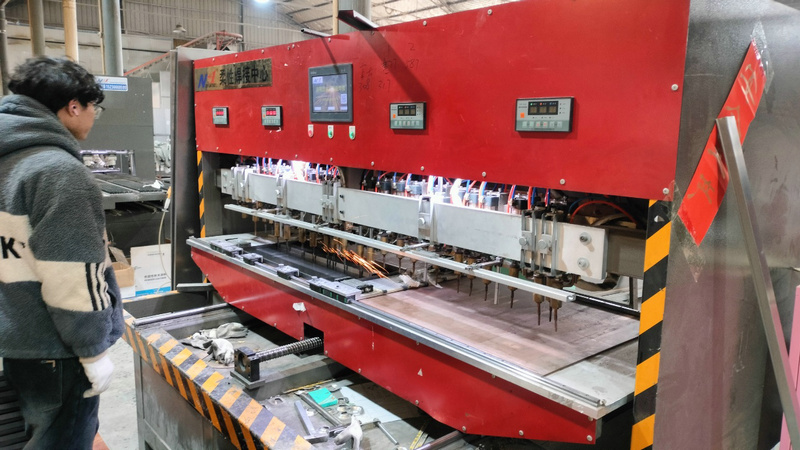
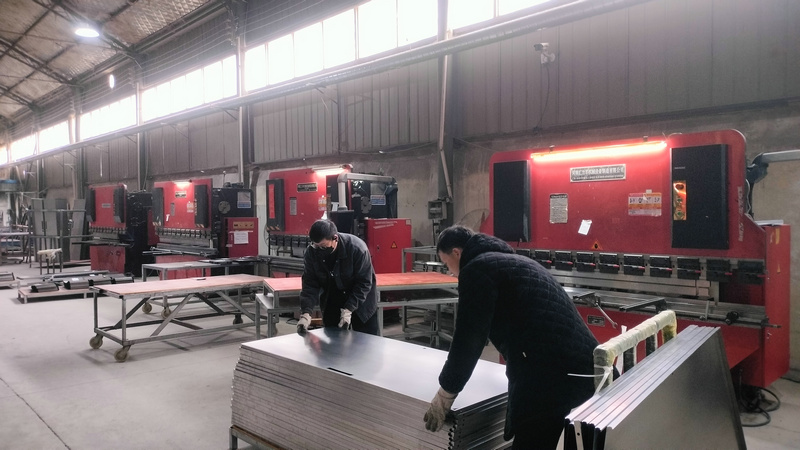
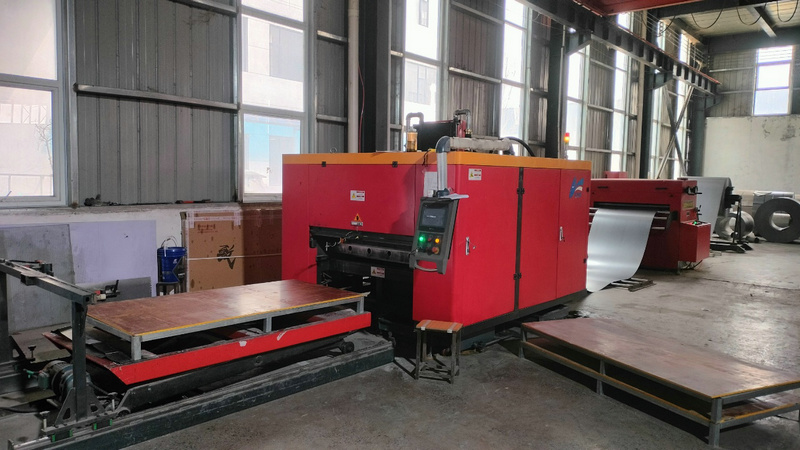
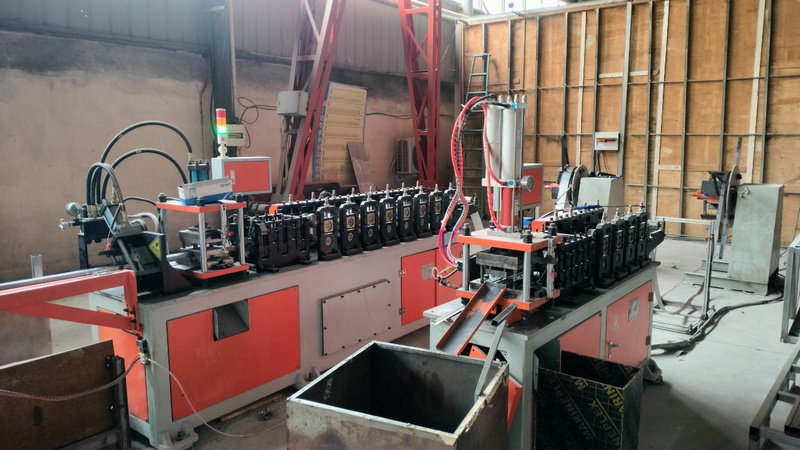
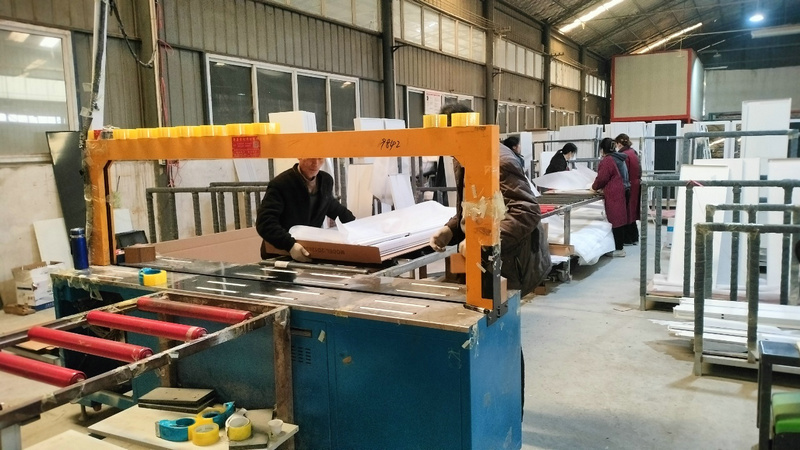
Crucial technical variables to evaluate prior to signing high-volume wholesale storage supply agreements.
When executing large-scale sourcing contracts for stackable steel containers and heavy-duty storage shelving systems, procurement committees must look beyond unit price to determine the total cost of ownership (TCO) and operational lifespan. The primary manufacturing variables include:
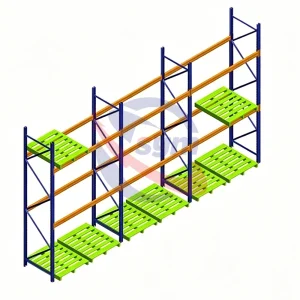
The load capacity of industrial racking and stackable containers depends directly on the structural steel grade. Elite manufacturers, including Shenzhen Shunyiming, use high-tensile Q235 and Q355 cold-rolled steel profiles. Cold rolling improves tensile yield strength and tolerance uniformity compared to hot-rolled steel, ensuring that vertical columns and support beams do not experience buckling under maximum load stresses.
Whether the equipment is intended for climate-controlled retail archives, standard industrial assembly floors, or harsh open-air docks, finishing is key. Shenzhen Shunyiming applies high-precision electrostatic powder coating lines that cure at temperatures up to 200°C. This forms an impermeable polymer barrier that protects against oxidation, scratches, and impact, ensuring a service life exceeding 10 years even in high-humidity regional zones like Southeast Asia.
Global freight rates are calculated based on volume (cubic meters) as well as weight. Solidly welded frames maximize rigidity but dramatically increase shipping space waste. Shenzhen Shunyiming's KD (Knock-down) structural filing cabinets, lockers, and industrial shelves allow flat-pack shipping. This design cuts container usage during transit by up to 60%, delivering immense freight savings for international buyers.
Detailed professional answers targeting high-level queries from procurement managers and distribution engineers.
Chinese factories utilize advanced design tools like ANSYS or SolidWorks for Finite Element Analysis (FEA) to simulate stress distribution under maximum loading. Companies like Shenzhen Shunyiming perform physical destructive testing and dynamic load-capacity testing using hydraulic presses. Additionally, ISO9001 and CE certification require testing the strength of raw materials and checking weld integrity using non-destructive ultrasonic or magnetic particle testing to ensure that load safety guidelines (e.g., FEM 10.2.02) are consistently met.
The primary advantage is cost optimization in shipping. Flat-packing KD steel lockers, wardrobes, and filing cabinets allows logistics teams to load significantly more units per 40ft HQ container. This reduces ocean freight costs per unit by up to 50–60%. Furthermore, modular designs allow for easy replacement of individual panels if damaged, rather than writing off the entire storage cabinet. Fast-assembly KD systems are engineered to be put together in under 10 minutes without specialized industrial tools.
To resist salt-spray and high humidity in areas like Southeast Asia or coastal North America, steel sheets undergo multi-stage pretreatment. This includes chemical degreasing, acid rust removal, phosphating (which forms a crystalline layer for paint adhesion), and electrostatic epoxy-polyester powder coating. For extreme environments, galvanized steel coils (SGCC/DX51D) or hot-dip galvanization (conforming to EN ISO 1461) are used to prevent moisture from causing rust underneath the paint layer.
Shenzhen Shunyiming employs 18 senior structural engineers who work directly with global warehouse designers. We perform calculations for dynamic structural loads, design customized clearances for automated guided vehicles (AGVs) and stacker cranes, and customize beam slotting patterns to fit specific automated storage and retrieval systems (ASRS). We provide detailed 3D CAD models and structural calculations within 48 hours of receiving system parameters.
For office furniture and lockable steel cabinetry, compliance with BIFMA (Business and Institutional Furniture Manufacturers Association) standards is key, validating stability, lock durability, and unit safety. For industrial heavy-duty racking, compliance with European FEM 10.2.02 regulations, US Rack Manufacturers Institute (RMI) standards, and ISO 9001:2015 quality management systems are required. Compliance ensures safety in facilities subject to regular workplace inspections.
Smart compact shelving utilizes a system of mobile carriages on floor-embedded rails to eliminate fixed aisles. When an operator needs access, the shelving units glide apart to create a single aisle, either manually or via automated touch-screen motors. This system increases storage capacity by up to 100-150% in the same footprint. Integrating RFID or barcode tracking databases with motorized shelving enables automated inventory locating, securing access through password or biometric authentication.
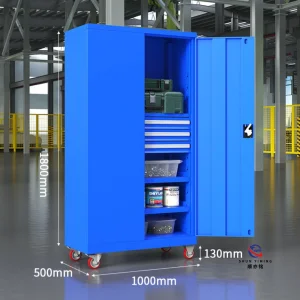
Discover our comprehensive collection of warehouse optimization, tool storage, and heavy-duty steel structures.
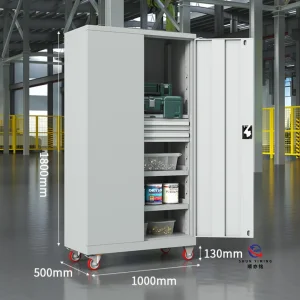
 Shunyiming Racking