Engineered structural steel storage configurations, multi-tier platforms, and heavy-duty custom logistics systems built to strict international safety thresholds.
Shenzhen Shunyiming Trading Co., Ltd. leads the industrial warehousing and structural load storage fabrication sector.
Providing the raw engineering insight behind heavy structural fabrications, high-capacity dynamics, and global warehouse trends.
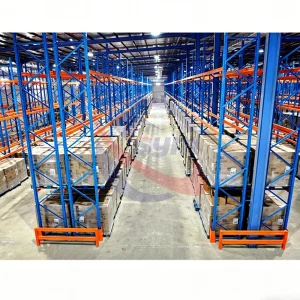
Modern loading and storage systems must endure continuous kinetic and static stressors. Custom loading racks incorporate structural grade profiles engineered to dissipate localized seismic energy, preventing buckling during high-speed crane movements and extreme load transitions.
From petrochemical environments to cold-chain facilities, environments vary drastically. We apply specialized thermoplastic epoxy-polyester coatings cured between 180°C and 200°C, providing a durable barrier against moisture, mild acids, and aggressive friction.
Our structures comply strictly with ISO9001 and CE. All loading racks are verified through Finite Element Analysis (FEA), simulating uniform distributed loads (UDL) to meet international standards such as RMI and FEM.
"OEM loading racks are not just basic steel frames; they serve as structural foundations that support modern supply chains. If structural loading parameters deviate by even 1.5%, it can lead to structural failures, putting warehouse operators and materials at risk."
In the past decade, logistics systems have transitioned from manual, low-density storage models to automated, high-density hubs. Modern material handling relies on Automated Storage and Retrieval Systems (AS/RS), automated shuttles, and heavy-duty structural loading racks. This transition requires structural storage systems to have much tighter tolerances—often down to ±1.0mm—as automated machinery cannot tolerate uneven spacing or structural deflection.
Additionally, the rapid expansion of international e-commerce and cold-chain distribution has made thermal flexibility and corrosion resistance critical factors in warehouse design. Factories now require customizable heavy-duty racking solutions that can adapt to changing warehouse designs, load configurations, and seismic requirements without compromising structural safety.
Enterprise B2B buyers look for more than just low prices; they prioritize structural safety, engineering support, and reliable lead times. Selecting a manufacturing partner requires reviewing material mill sheets, weld penetration verification reports, and safety calculations. A partner with a dedicated R&D team can reduce lead times during the design phase, providing structural drawings and calculation reports that satisfy local building regulators.
Explore the details of our manufacturing process. We transform raw structural steel into high-capacity warehousing systems.
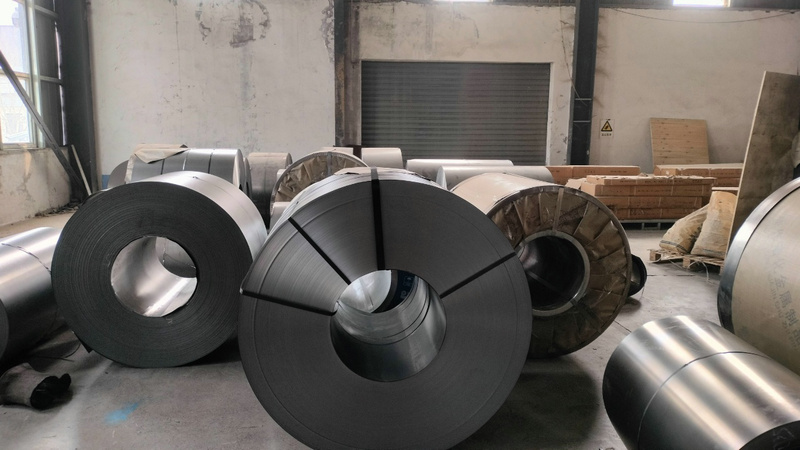
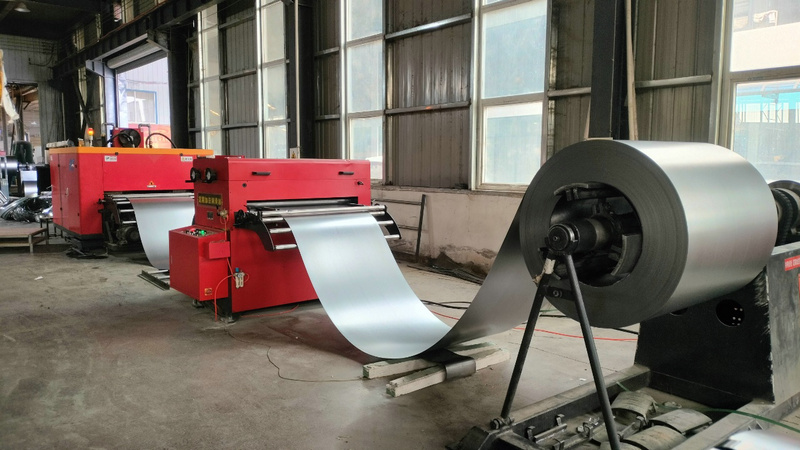
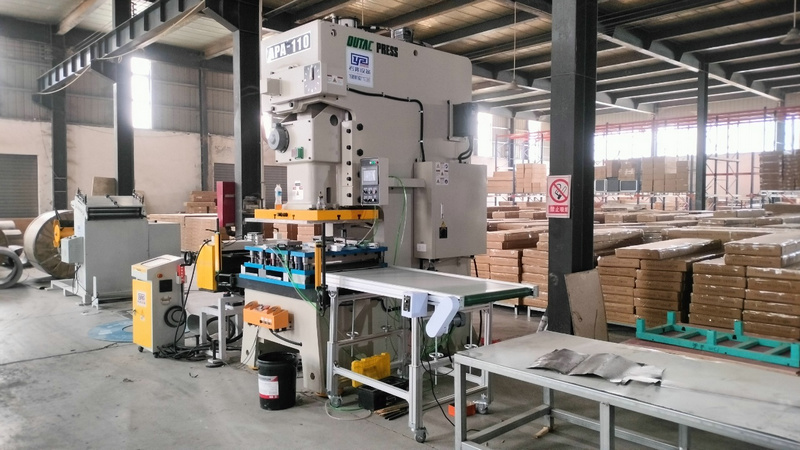
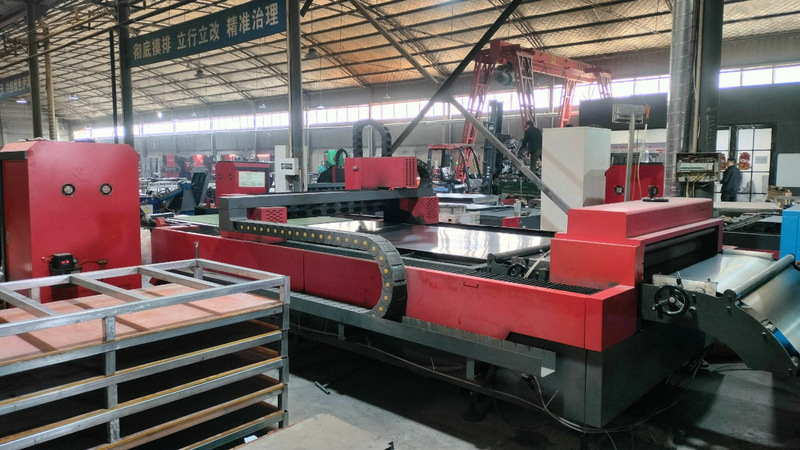
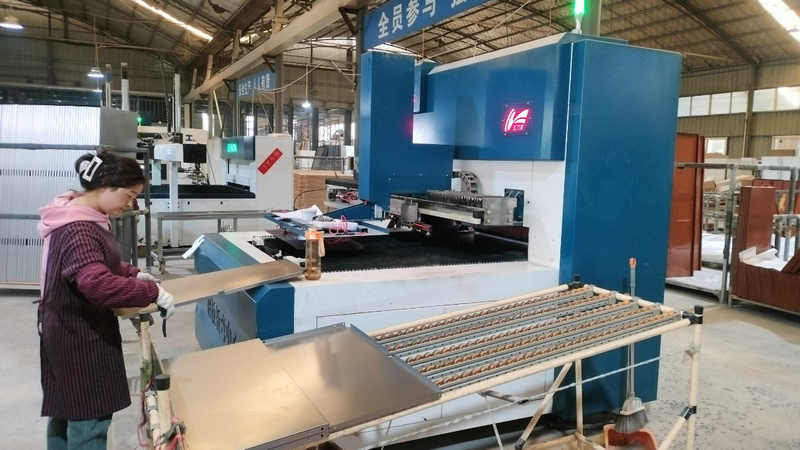
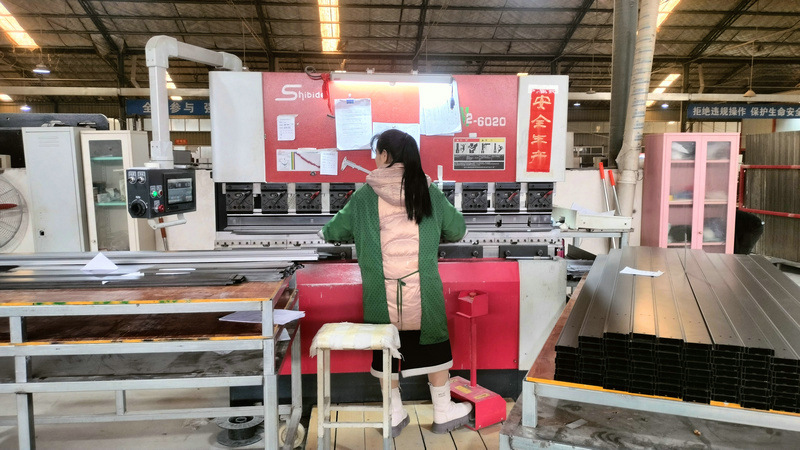
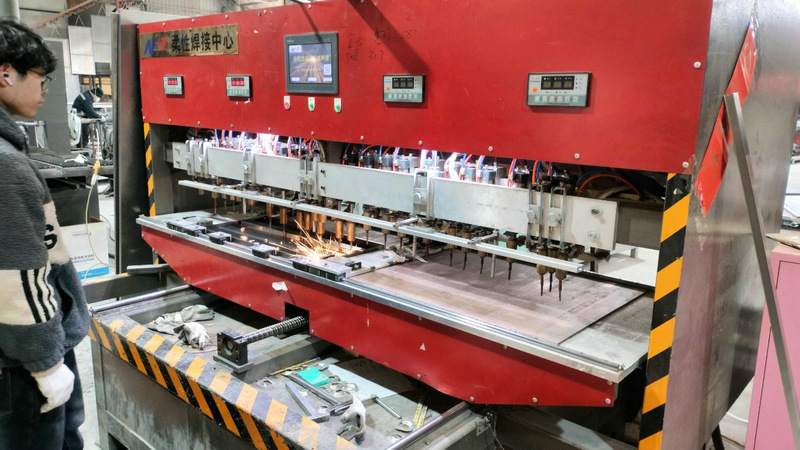
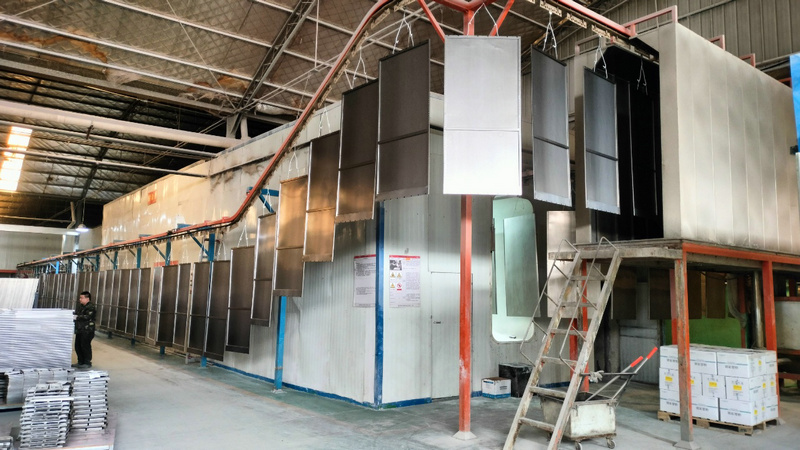
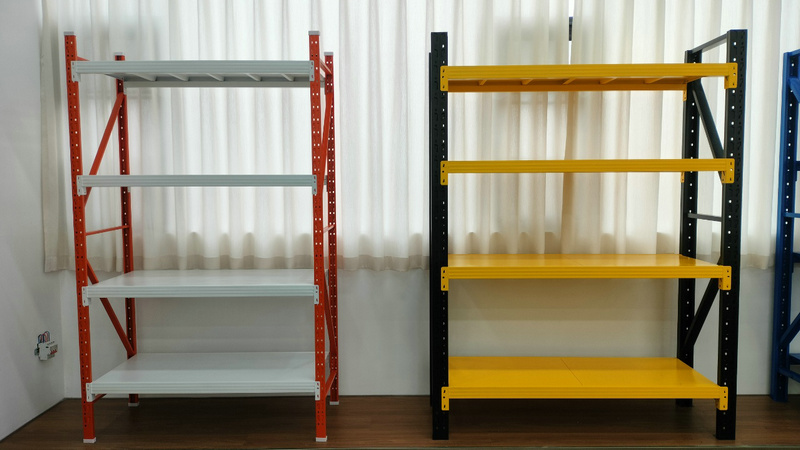
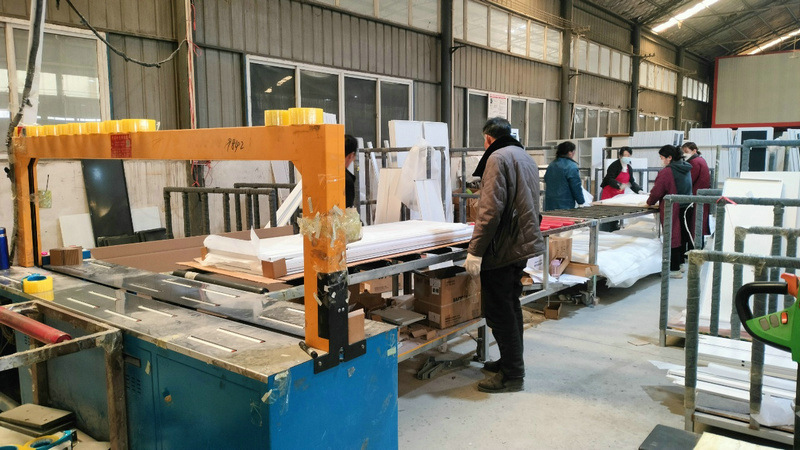
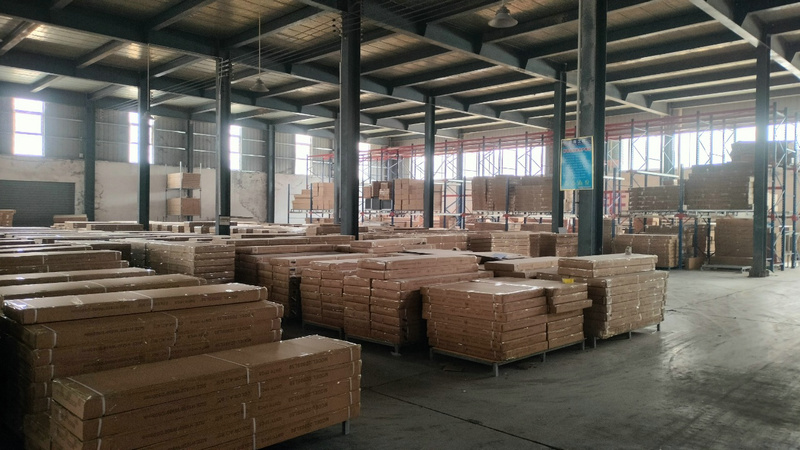
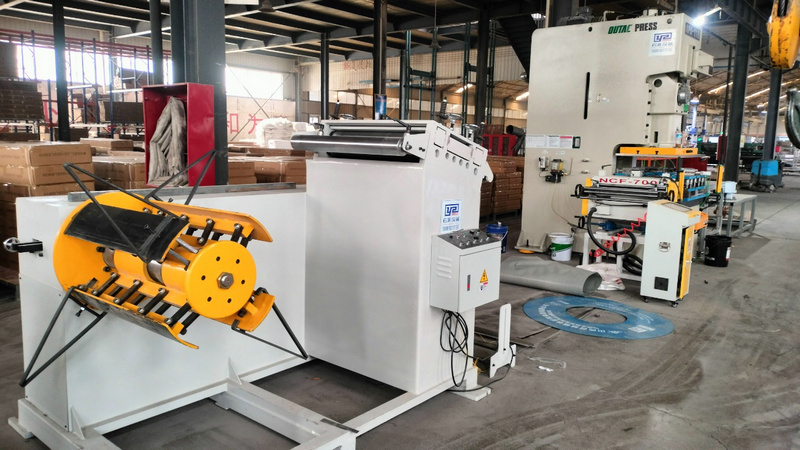
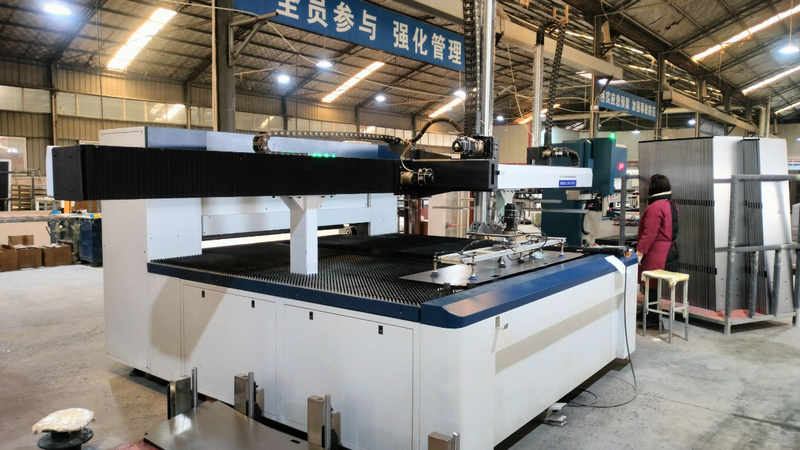
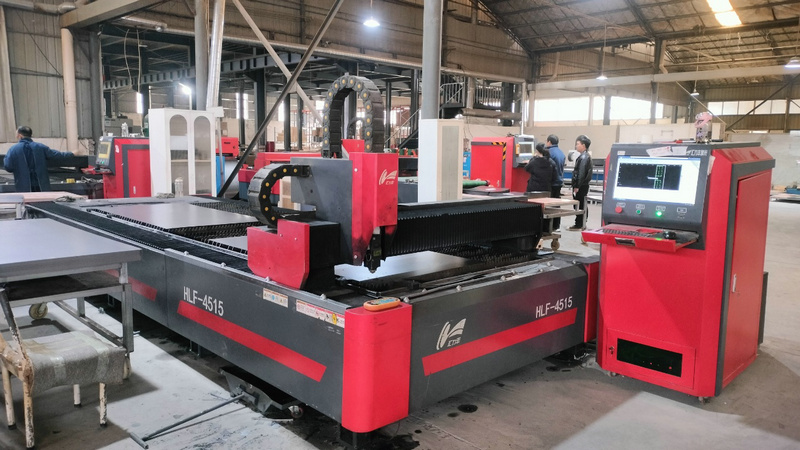
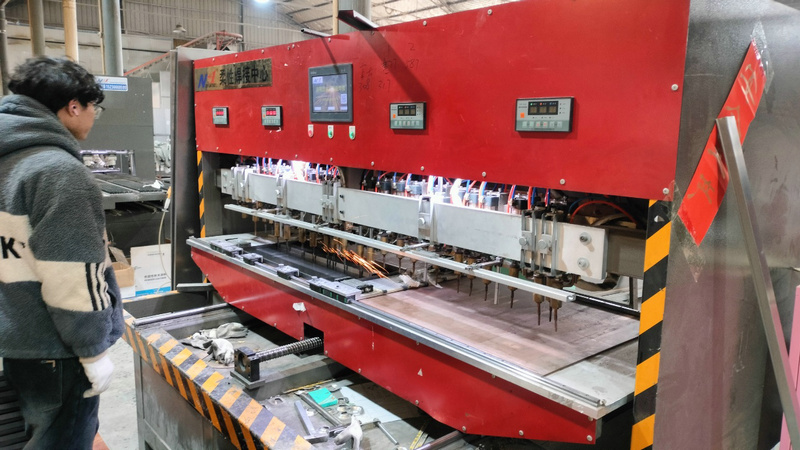
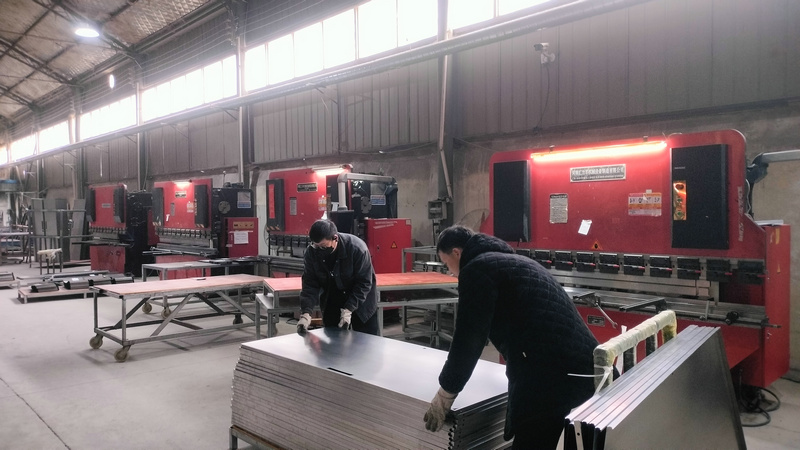

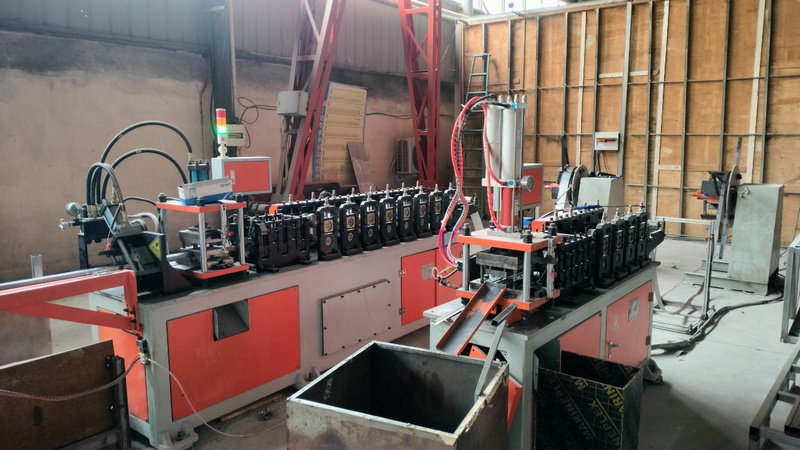
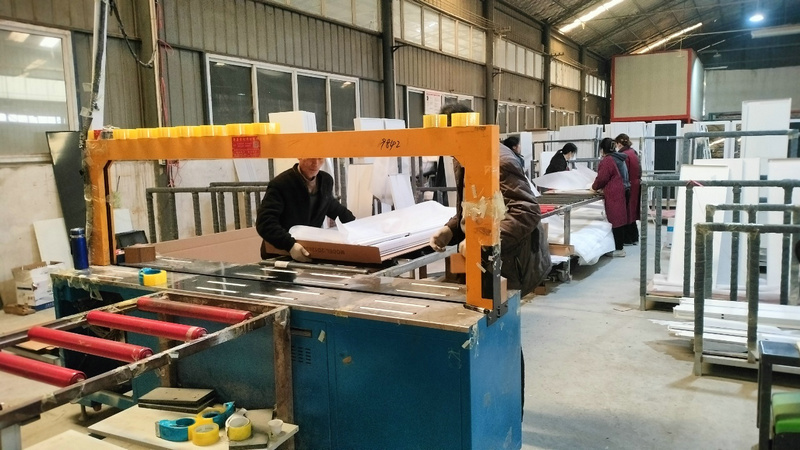
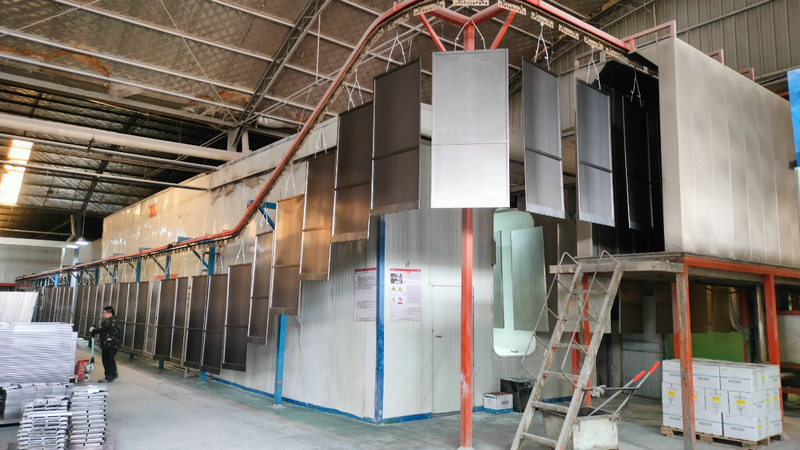
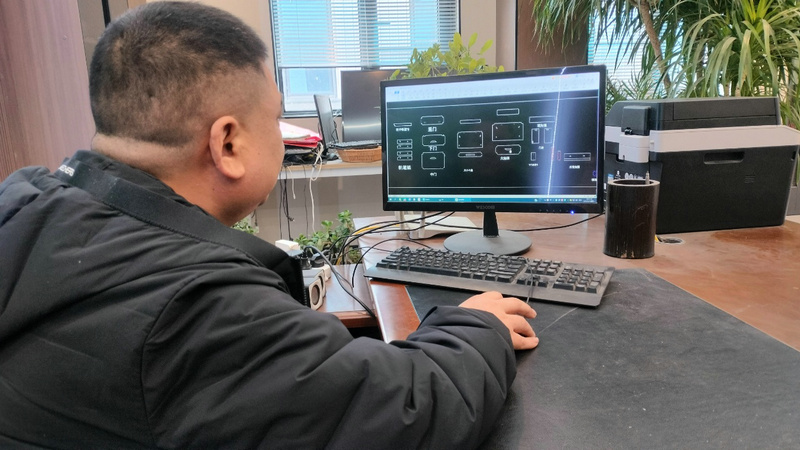
How our heavy-duty custom structures adapt to specific operational demands in different target environments.
Get answers to common technical, commercial, and engineering questions about OEM industrial storage systems.
Q: What grades of steel do you use for your industrial loading racks and shelving?
We source certified structural steel, primarily Q235B and Q355B. Material test certificates (MTC) showing chemical composition and yield strength are provided for each batch to ensure structural compliance.
Q: How does your engineering department calculate dynamic load limits?
Our 18 structural engineers use ANSYS and SolidWorks for Finite Element Analysis (FEA). We calculate dynamic stress based on uniform distributed loads (UDL) and point loads, applying safety factors ranging from 1.5 to 2.0 depending on localized safety codes.
Q: Can your racking systems comply with local seismic building regulations?
Yes. We custom design bases, connections, and frame uprights to withstand seismic lateral forces. Let us know your seismic zone rating, and we will calculate the required profiles and concrete anchoring specifications.
Q: What surface finish options do you offer for anti-corrosion protection?
We provide hot-dip galvanizing, electro-galvanizing, and electrostatic epoxy polyester powder coatings. The thickness of our powder coatings ranges from 60 to 110 microns, verified using electromagnetic gauges.
Q: What is the typical lead time for a custom OEM loading rack design?
Initial engineering drawings are delivered within 3-5 days. Once approved, production takes 20 to 30 days depending on the project volume, facilitated by our automated lines.
Q: Do you accept third-party quality control inspections before shipment?
Yes. We welcome inspections from international organizations like SGS, TÜV, or Bureau Veritas. We provide full access to weld quality logs and dimensions during inspection.
Q: How do you package components to prevent damage during sea transit?
We use heavy-duty steel bands, air-cushioned bubble wraps, and corner guards. Structural uprights and beams are bundled together on steel cradles, allowing for safe container loading and unloading.
Q: Can your manufacturing plant design racking systems compatible with automated AS/RS systems?
Yes. We construct racking with tight tolerances (±1mm) to ensure compatibility with automated shuttles and cranes, preventing system sensor faults.
Q: What structural verification documents are provided upon delivery?
We provide structural layout drawings, loading charts, steel mill reports, welding inspections, and ISO9001/CE certificates with every project shipment.
Q: How does Shenzhen Shunyiming manage supply chain price volatility?
We maintain raw material contracts with over 800 supply chain partners and secure steel reserves, helping to stabilize pricing and guarantee delivery schedules.
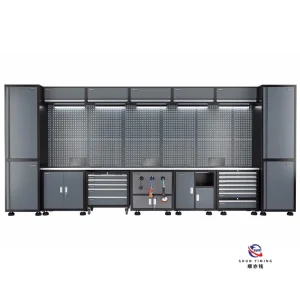
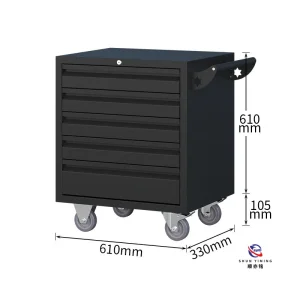
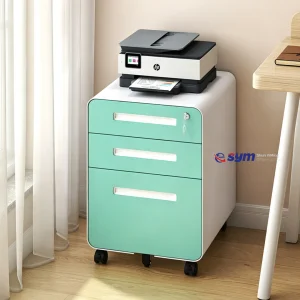
Heavy duty workshop storage cabinet systems, mobile utility units, and custom flat pack office storage solutions.
 Shunyiming Racking