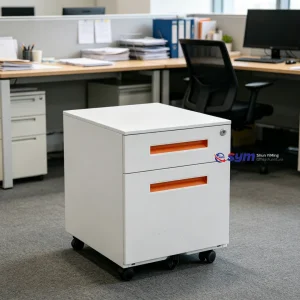
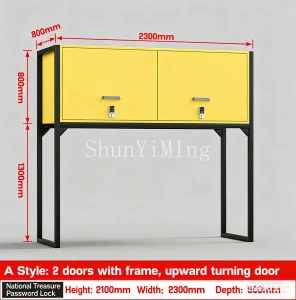
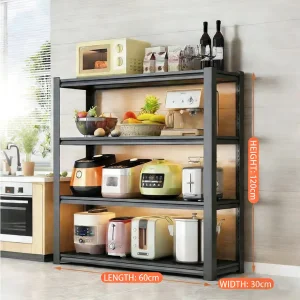
Explore our heavy-duty industrial platforms, smart compact storage arrays, and high-density racking designs configured for immediate global export.
Established in 2015, Shenzhen Shunyiming Trading Co., Ltd. is a premier manufacturer and global supplier specializing in heavy-duty industrial racking and smart warehouse storage systems. Operating out of a state-of-the-art facility spanning over 32,000 square meters, we bring over 14 years of deep industry expertise and 8 years of dedicated international trade experience to the global market. Driven by innovation, our annual export revenue has reached USD 28 million, serving clients across North America, Europe, Southeast Asia, and the Middle East.
At Shenzhen Shunyiming, quality and structural integrity are paramount. Supported by a robust network of more than 800 supply chain partners, we cater primarily to global logistics hubs, large-scale enterprise warehouses, industrial distributors, and e-commerce fulfillment centers. Our dedicated quality control team of 45 certified inspectors enforces rigorous testing protocols—including full raw material incoming inspection, automated online weld integrity monitoring, and heavy load-capacity stress tests—ensuring every racking system meets international safety standards like ISO9001 and CE.
Innovation is deeply embedded in our operations. Our end-to-end foreign trade expertise and strong R&D department, staffed by 18 senior structural engineers, enable full OEM/ODM customization. From dynamic load calculations and custom dimensions to specialized anti-corrosion powder coatings and seismic-resistant layouts, we deliver tailor-made solutions. In the past year alone, our R&D team successfully introduced 65 new product designs to help our clients optimize warehouse footprint and operational efficiency.
An in-depth structural review of high-density logistics architecture and spatial optimization principles driving modern supply chains.
Industrial land valuation across major distribution hubs in North America, Western Europe, and Asia-Pacific has climbed over 45% in the last five years. Logistics operators and supply chain executives no longer measure performance solely on footprint area (square meters); instead, they look at volumetric utilization (cubic meter yields). Multi-tier storage structures, industrial steel mezzanines, and high-density mobile shelving systems have transitioned from optional capital improvements to critical structural requirements.
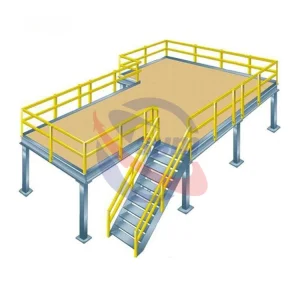
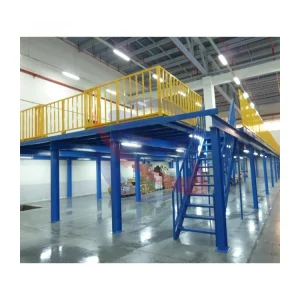
By implementing double-tier or triple-tier mezzanine assemblies, operations expand vertically without altering the physical building envelope. This eliminates zoning hurdles, reduces energy footprints for heating and cooling, and doubles or triples the active sorting and warehousing surfaces. For fulfillment hubs, this directly correlates with higher SKU counts, lower picking cycle times, and an improved overall bottom line.
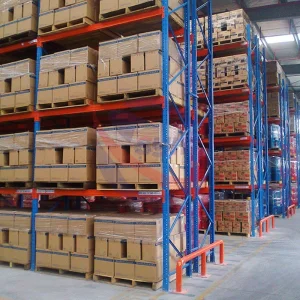
Rapid delivery models require urban hubs located within metropolitan boundaries. Spatial constraints necessitate vertical division. Multi-tier shelving systems allow continuous manual picking levels alongside automated sorting conveyors on structural platforms.
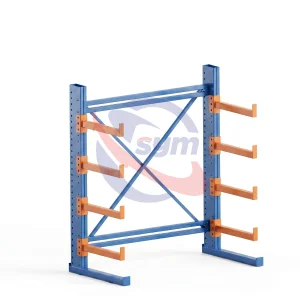
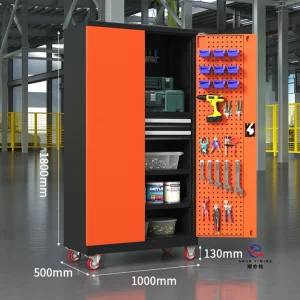
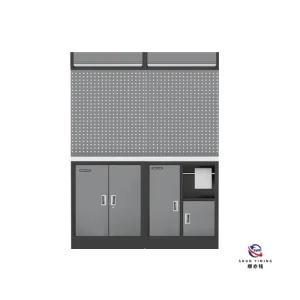
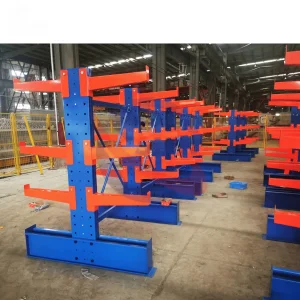
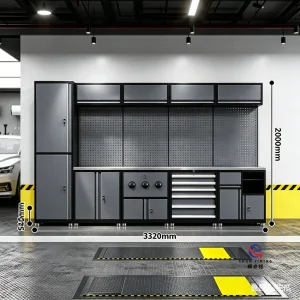
Industrial spaces must integrate assembly benches, heavy raw storage, and tool cribs. Modular tool stations, cantilevers, and heavy-duty steel workbenches support massive loads (up to 2000kg) while keeping workspaces organized and accessible.
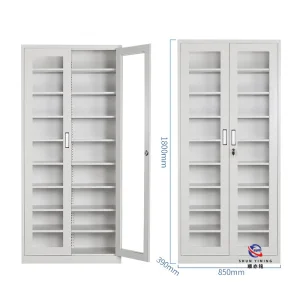
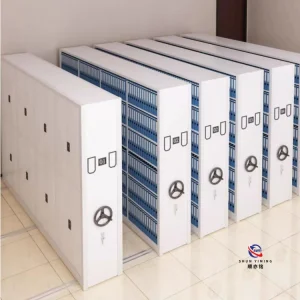
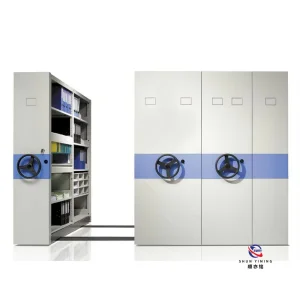
Enterprise offices and public facilities leverage smart electric mobile high-density compact shelving units to securely store sensitive documentation, using automated safety sensors to preserve assets within minimized footprints.
From metallurgical verification to computer-guided surface preparation, witness how our factory maintains strict tolerance compliance.
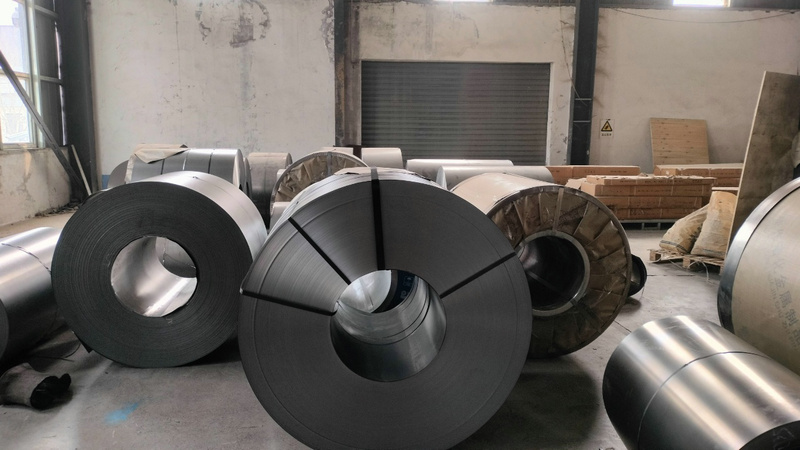
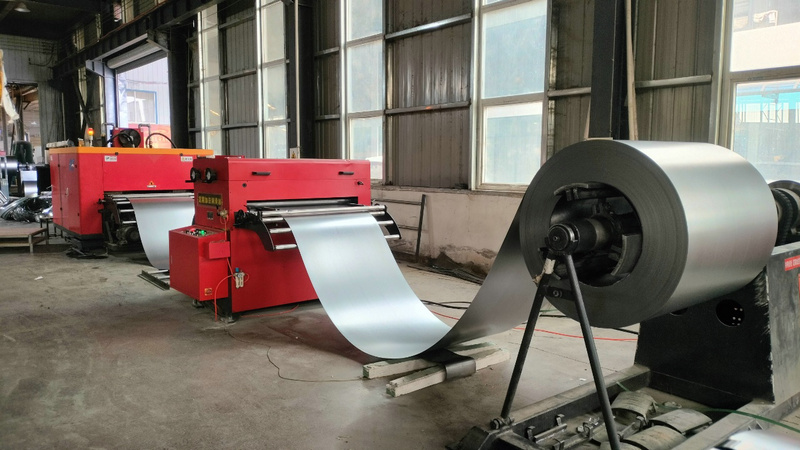
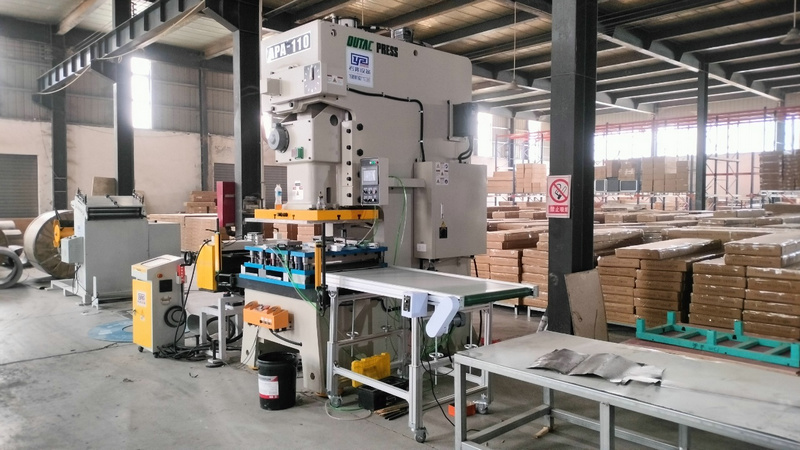
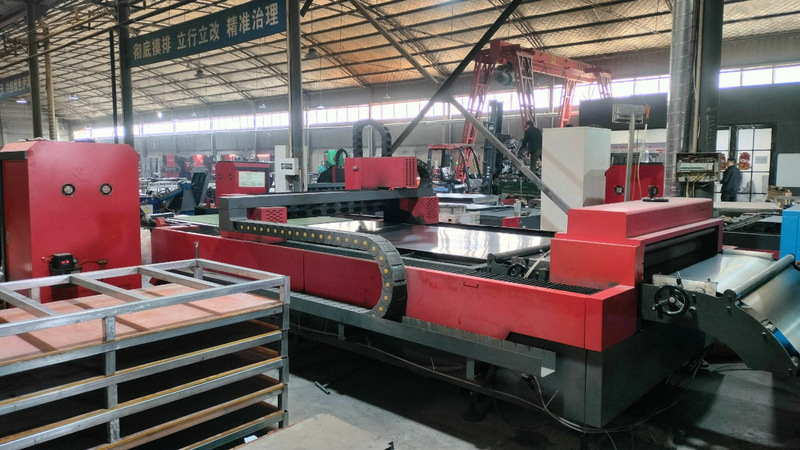
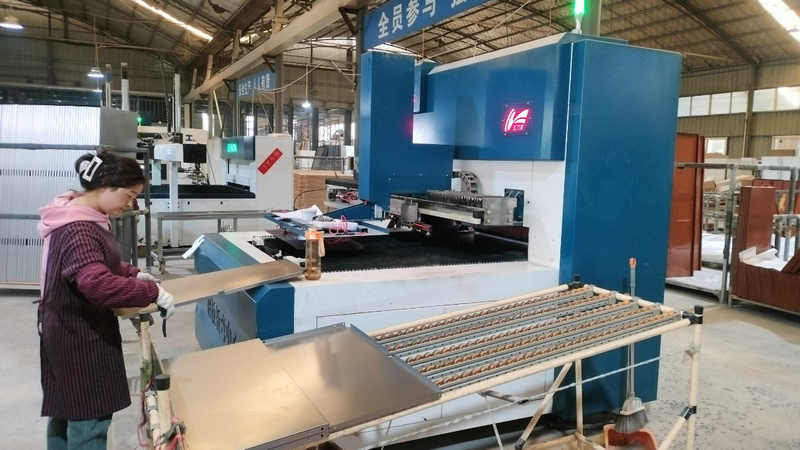
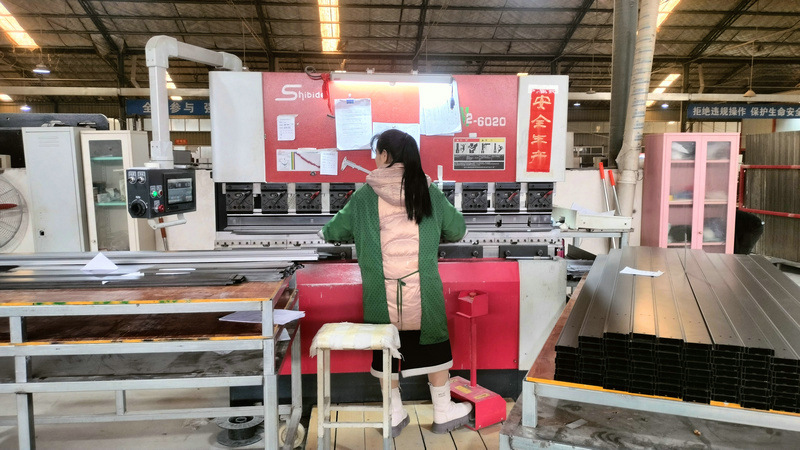
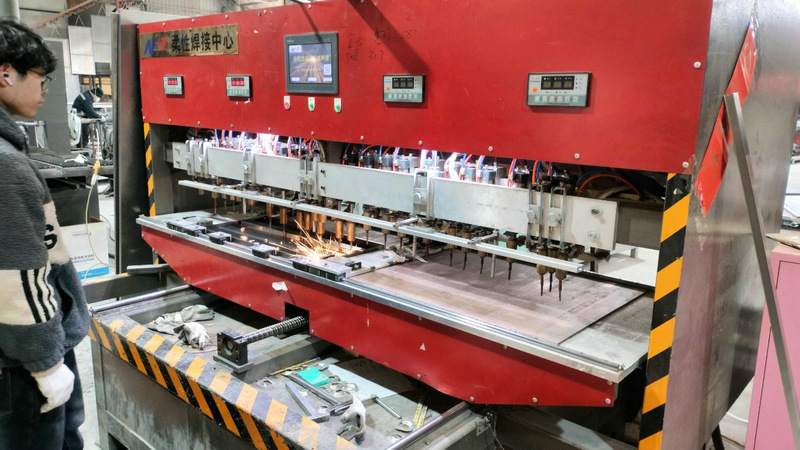
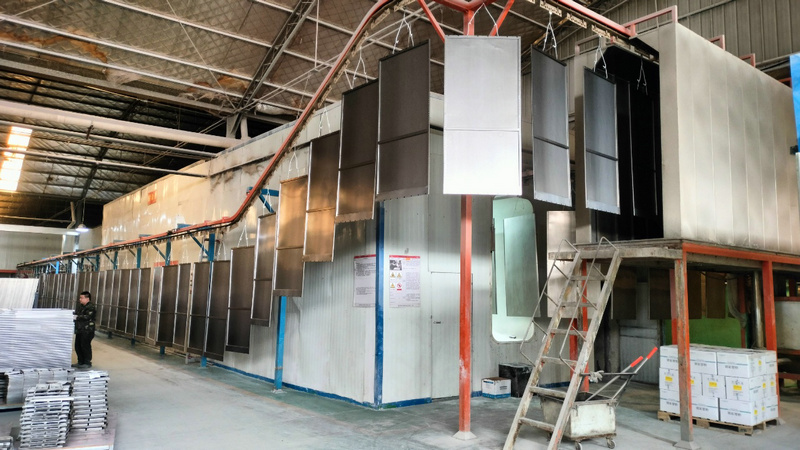
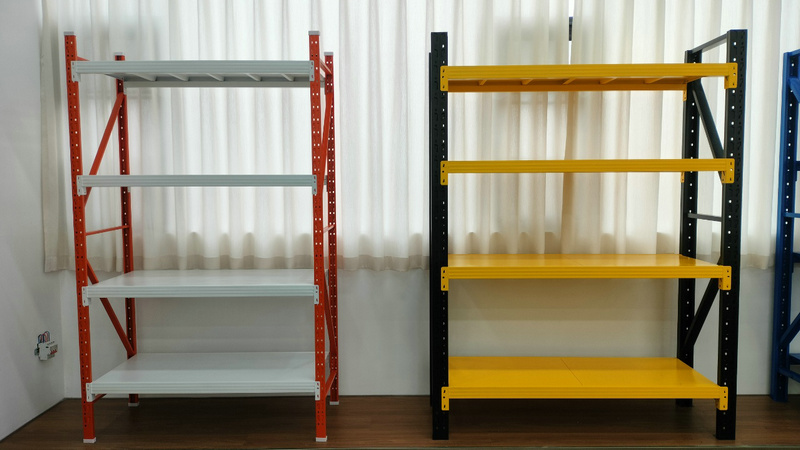
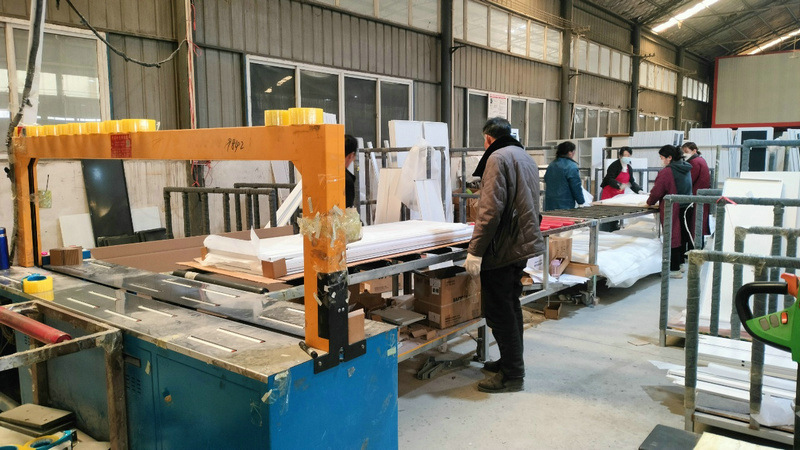
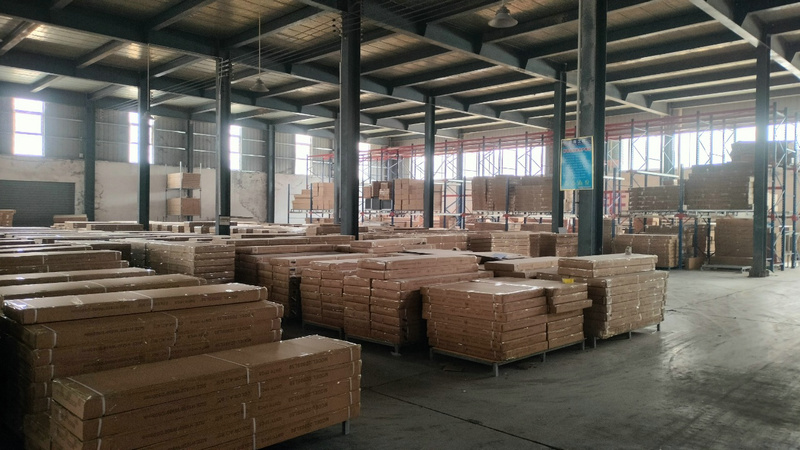
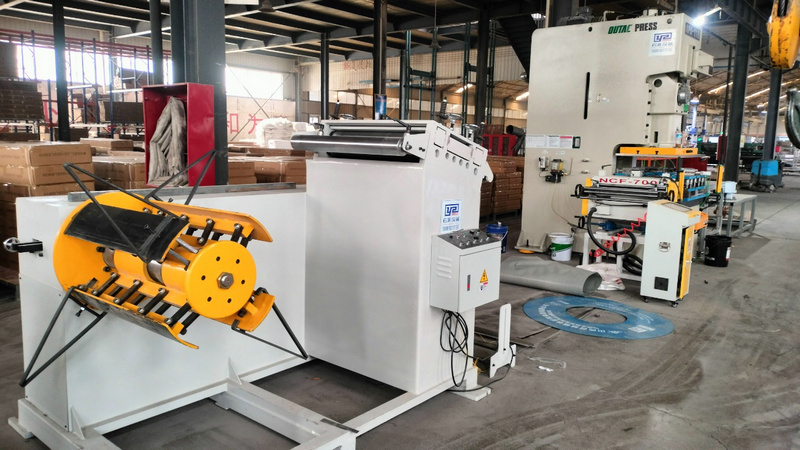
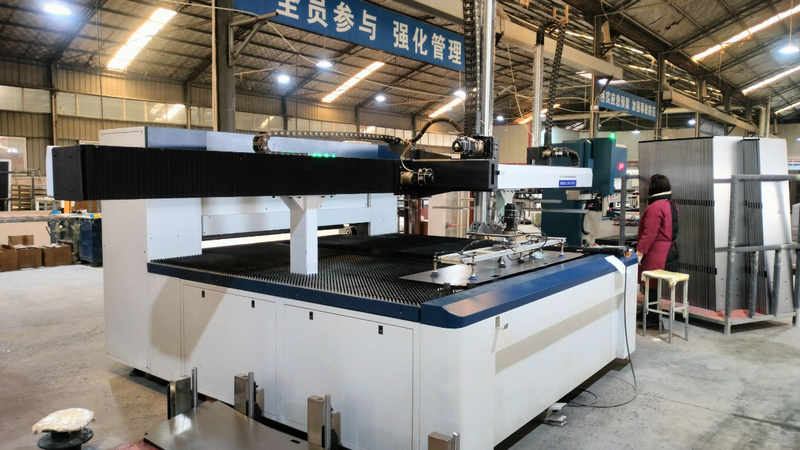
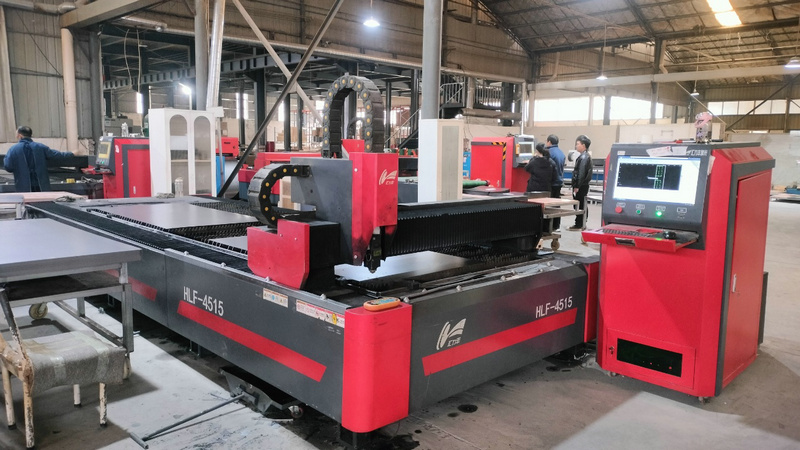
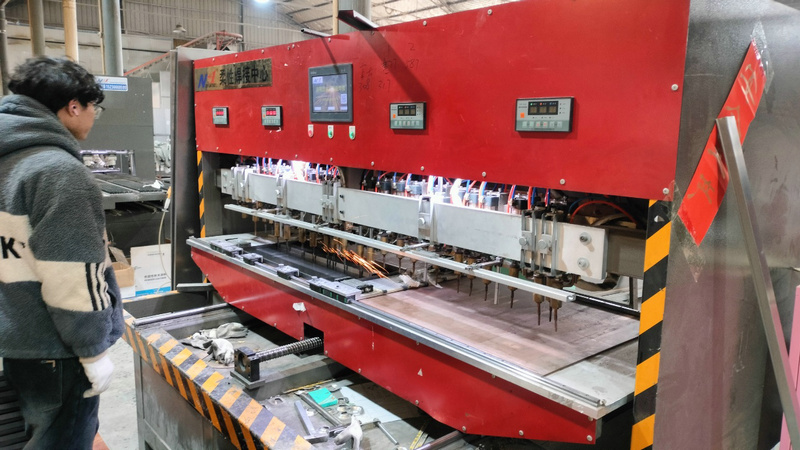
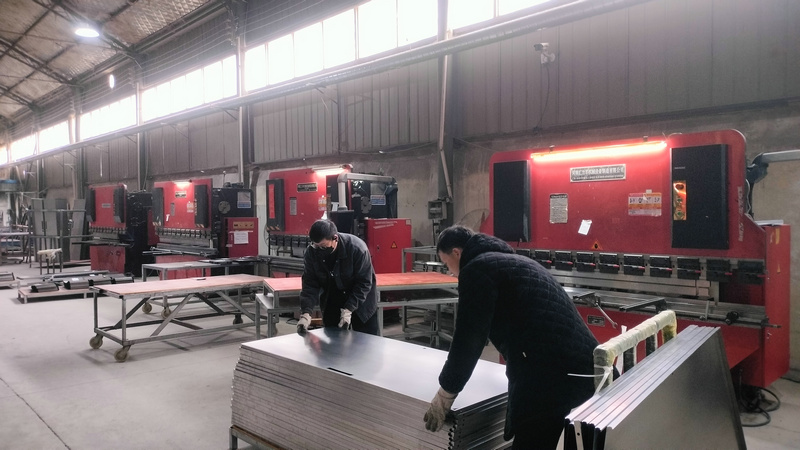
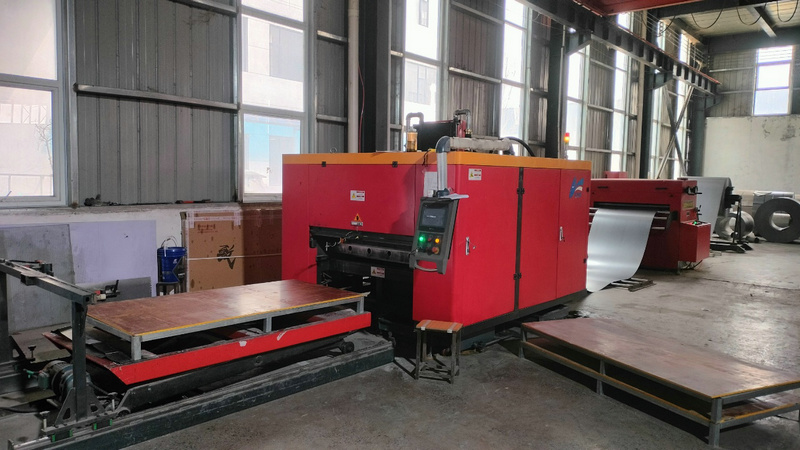
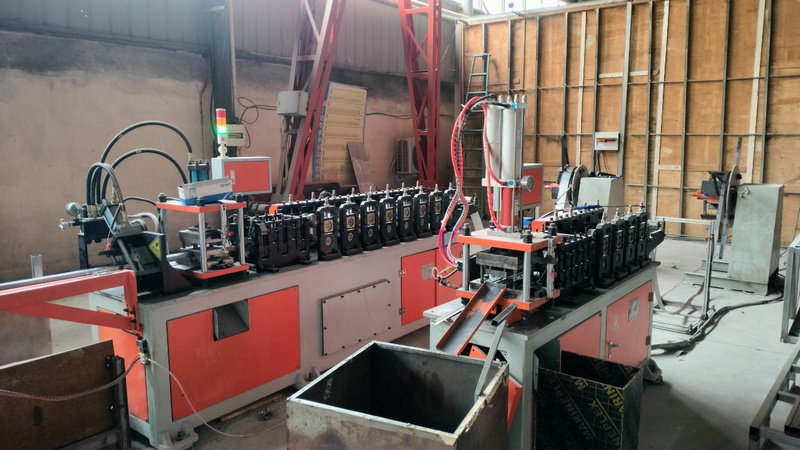
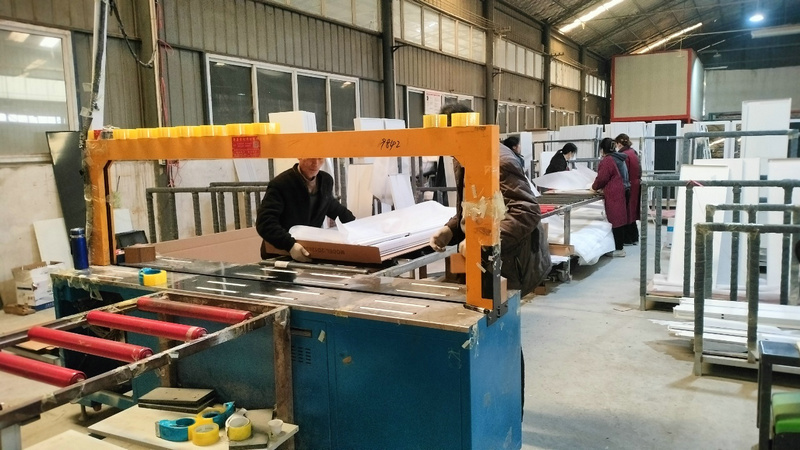
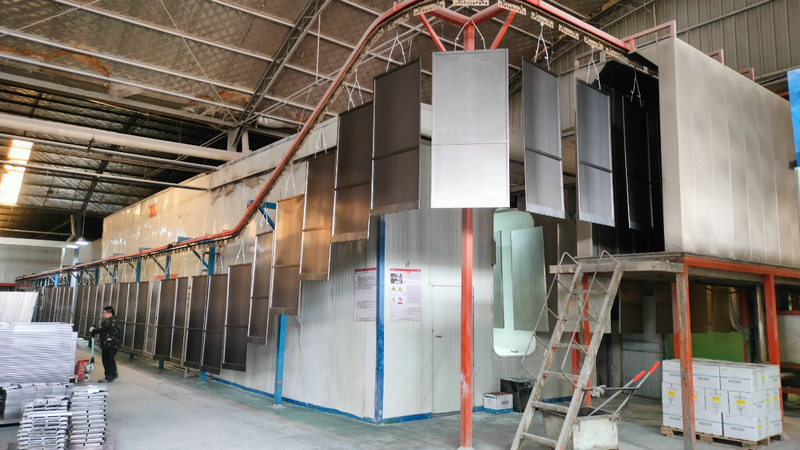
Why do global enterprise purchasers turn to Chinese OEM factories like Shenzhen Shunyiming? The reason is structural—rooted in raw material integration, manufacturing tooling, and advanced robotic processes.
Shenzhen Shunyiming utilizes high-quality Q235B and Q355B structural steel, procured directly from state-level mills. This ensures consistent yield strength, elastic deformation thresholds, and excellent weldability. The raw material undergoes rigorous chemical composition analyses before forming.
Our facility operates automated continuous cold-rolling profile lines. Column uprights and box beams are shaped with zero internal mechanical stress concentrations, securing structural uniformity over lengths exceeding 12 meters.
Manual welding often introduces thermal deformation. By using robotic spot and arc-welding stations, beam connectors and plates are aligned to sub-millimeter tolerances, securing uniform load distribution and reducing installation times in the field.
We implement a multi-stage pre-treatment wash followed by a thermosetting epoxy-polyester powder coat. This achieves a durable surface (thickness range: 70-110 microns) resistant to mechanical impacts, moisture exposure, and chemical agents.
For multi-tier installations, compliance is a safety requirement. Structural failures can lead to massive liabilities. Our engineering team utilizes finite element analysis (FEA) software to simulate seismic loads, wind pressures, and static and dynamic load distributions.
European racking design codes addressing load factor limits, structural deviations, and floor anchor tolerances.
North American standards for design, testing, and deployment of industrial steel storage rack systems.
Australian structural directives detailing design verification, manufacturing quality, and operational testing.
The rapid expansion of autonomous logistics, Automated Guided Vehicles (AGVs), and Automated Storage and Retrieval Systems (AS/RS) is reshaping warehouse footprints. Modern racking systems must now interface with automated systems to maximize spatial efficiency.
When issuing Requests for Proposal (RFPs) for large-scale multi-tier platforms, enterprise procurement managers should verify:
Expert clarifications on engineering parameters, customs shipping compliance, structural safety, and custom manufacturing runs.
Heavy-duty industrial workstations, cantilever rack arrays, and advanced mobile steel storage units designed to optimize storage density.
 Shunyiming Racking