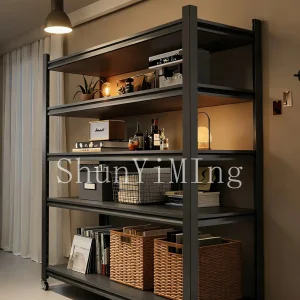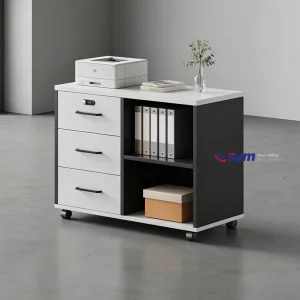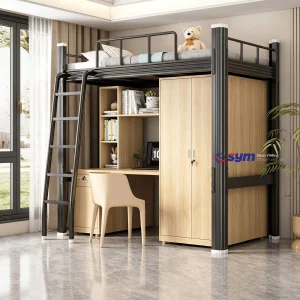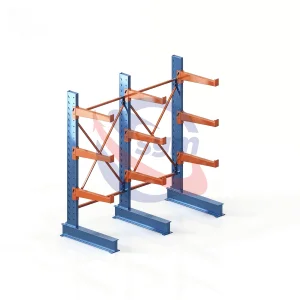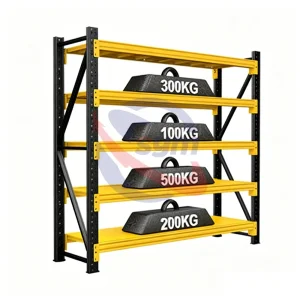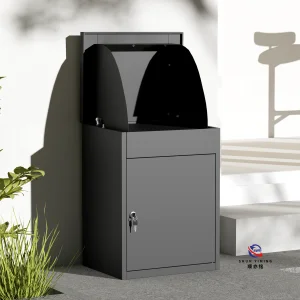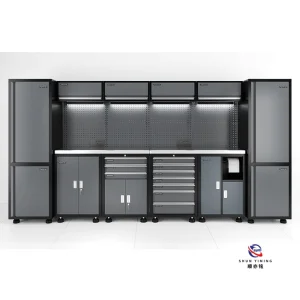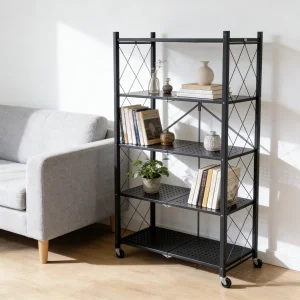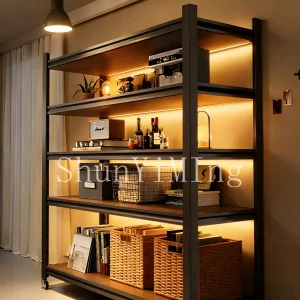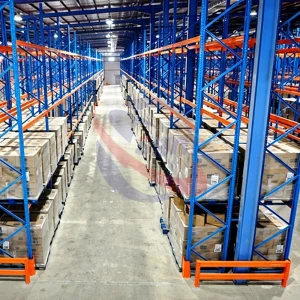
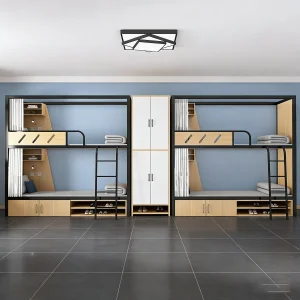
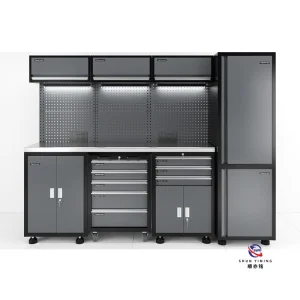
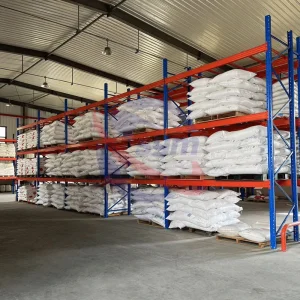
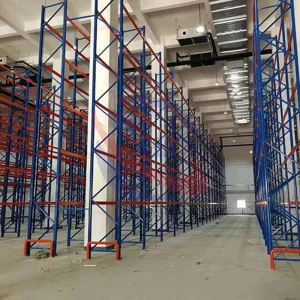
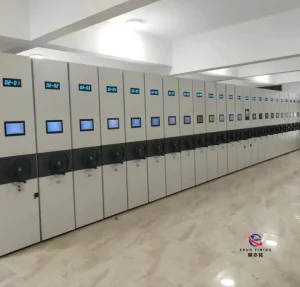
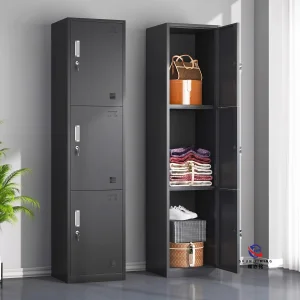
Established in 2015, Shenzhen Shunyiming Trading Co., Ltd. has cemented its reputation as a leading premier manufacturer and global supplier specializing in heavy-duty industrial racking and smart warehouse storage systems. Operating out of a state-of-the-art facility spanning over 32,000 square meters, we bring more than 14 years of deep manufacturing expertise combined with 8 years of dedicated international trade experience to the global market.
Our commitment to engineering excellence and strategic innovation has enabled us to scale our operations globally, yielding an annual export revenue of USD 28 million. We systematically serve prominent enterprises, distribution networks, and industrial stakeholders across North America, Europe, Southeast Asia, and the Middle East.
At Shenzhen Shunyiming, quality and structural integrity are paramount. Supported by a robust network of more than 800 supply chain partners, we cater primarily to global logistics hubs, large-scale enterprise warehouses, industrial distributors, and e-commerce fulfillment centers. Our dedicated quality control team of 45 certified inspectors enforces rigorous testing protocols—including full raw material incoming inspection, automated online weld integrity monitoring, and heavy load-capacity stress tests—ensuring every racking system meets international safety standards like ISO9001 and CE.
Innovation is deeply embedded in our operations. Our end-to-end foreign trade expertise and strong R&D department, staffed by 18 senior structural engineers, enable full OEM/ODM customization. From dynamic load calculations and custom dimensions to specialized anti-corrosion powder coatings and seismic-resistant layouts, we deliver tailor-made solutions. In the past year alone, our R&D team successfully introduced 65 new product designs to help our clients optimize warehouse footprint and operational efficiency.
Industrial real estate and warehousing footprints represent one of the highest cost centers for global supply chains. With rising urban property costs, enterprise logistics managers are shifting away from footprint expansion toward vertical volume maximization. This structural shift underpins the massive surge in demand for adjustable shelving and custom racking configurations. Enterprises require flexible, high-density, and modular systems that adapt to shifting inventory units (SKUs) without demanding capital-intensive structural modifications.
Modern distribution centers no longer manage uniform palletized stock. Rapid SKU turnover and high-volume order picking profiles demand racking systems that integrate seamlessly with robotic systems (like AGVs and AMRs), dynamic flow lanes, and picking stations. High-tensile steel shelving units with adjustable increments allow rapid modification of pick faces, lowering travel times and direct labor expenses.
Cold chain facilities suffer from high energy overheads, making storage density mission-critical. In these settings, standard steel rusts and degrades. Industrial procurement teams search for specialized zinc-galvanized or epoxy powder-coated adjustable racks that maintain structural load limits down to -30°C without risk of brittle failure. Shenzhen Shunyiming delivers custom steel compositions engineered specifically to mitigate thermal stress and humidity-induced corrosion.
Purchasing managers are transitioning away from evaluating initial unit costs toward evaluating lifecycle costs. Racks that fail compliance audits, experience deflection under load, or require complex assembly tooling significantly inflate operational costs. We minimize TCO by fabricating systems featuring tool-free adjustments, certified safety margins, and structural steel grades that resist forklift impacts.
Multi-national companies operating across different geographies require compliance stability. Racking installed in seismic regions such as California (USA), Japan, or parts of Southern Europe must conform to precise local codes (e.g., Rack Manufacturers Institute (RMI) standards in the USA, and FEM 10.2.02 in Europe). Working with an OEM/ODM manufacturer capable of executing custom stress analyses ensures projects navigate municipal building inspections and safety compliance audits without delay.
Our 32,000-square-meter facility utilizes fully integrated production workflows, transforming raw steel coils into structural-grade shelving with exceptional precision. By executing all structural cutting, rolling, welding, and finishing in-house, we secure complete control over tensile strength and tolerances.
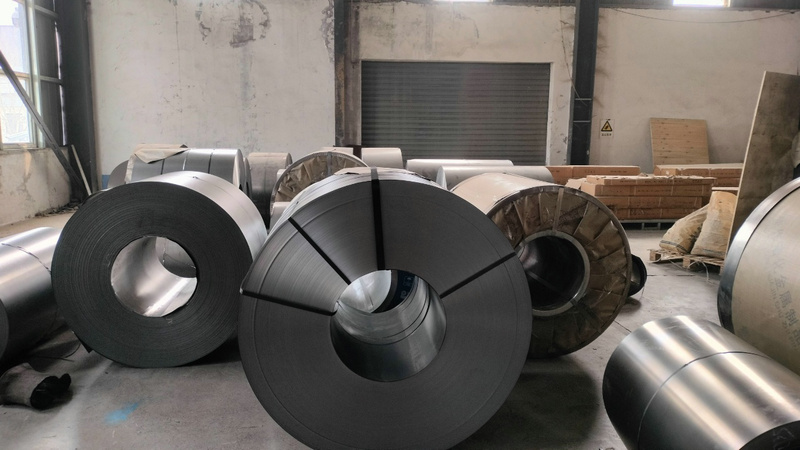 Raw Material
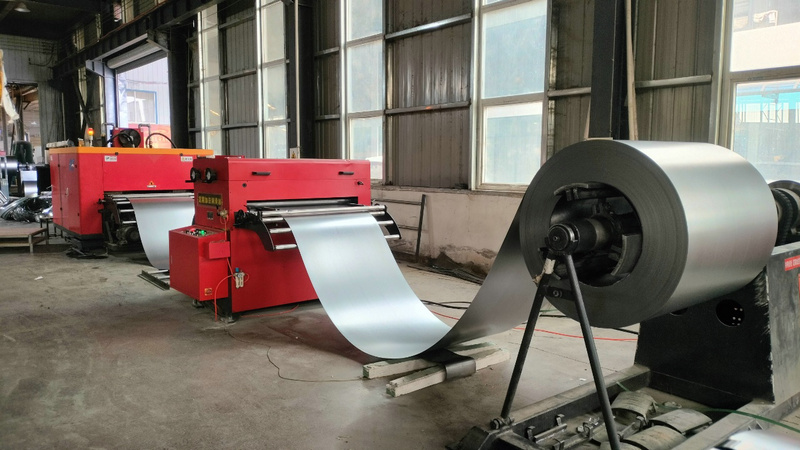 Cutting
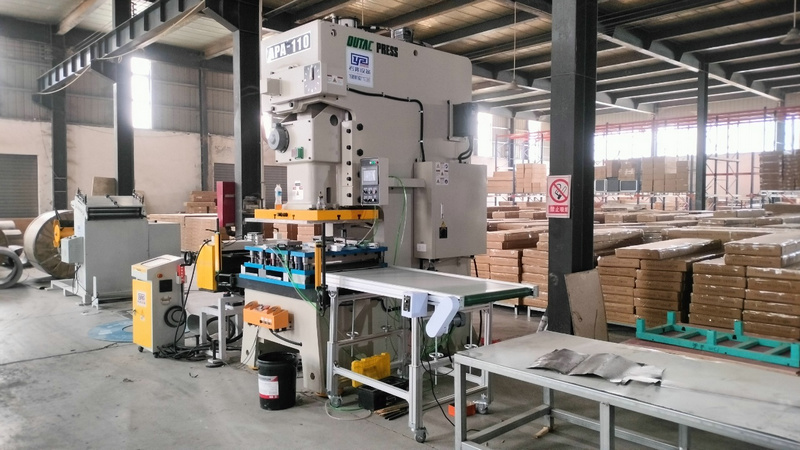 Punching
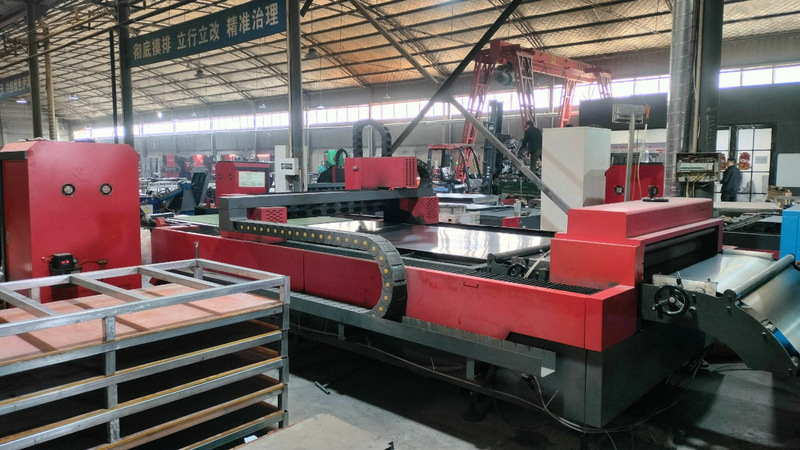 Secondary Cutting
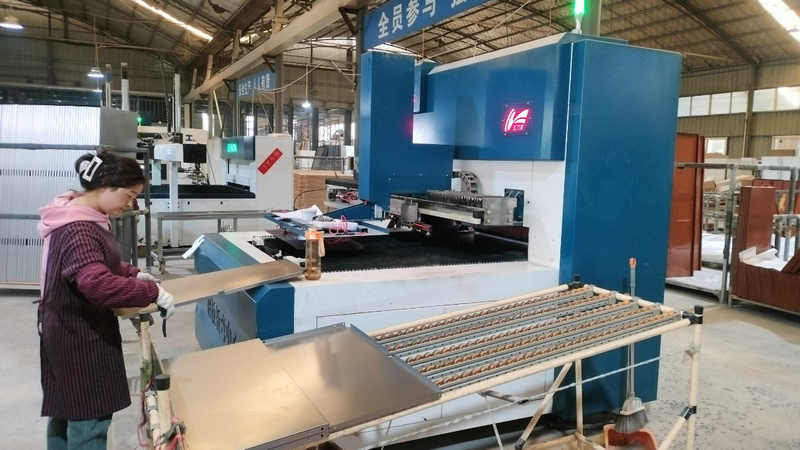 Precision Bending
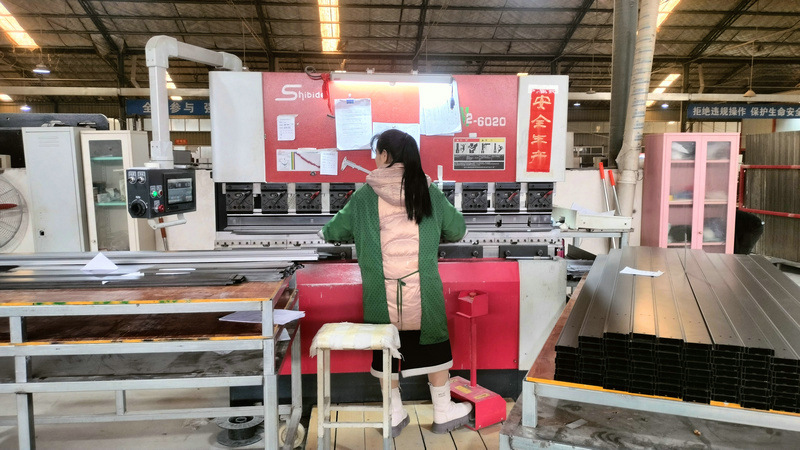 Secondary Bending
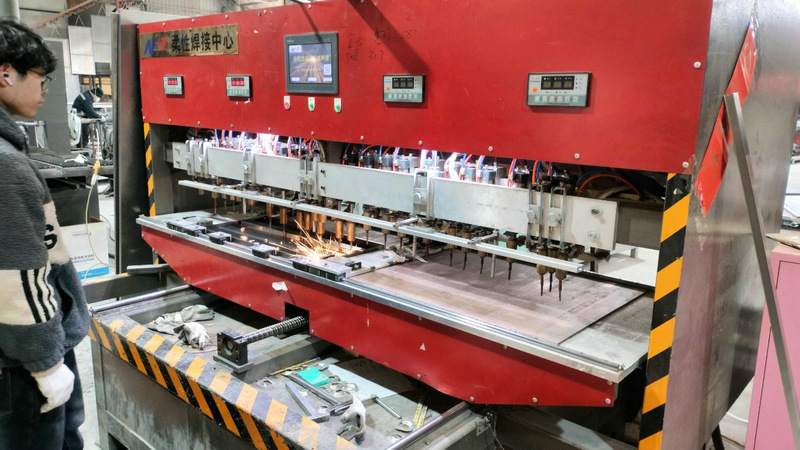 Robot Welding
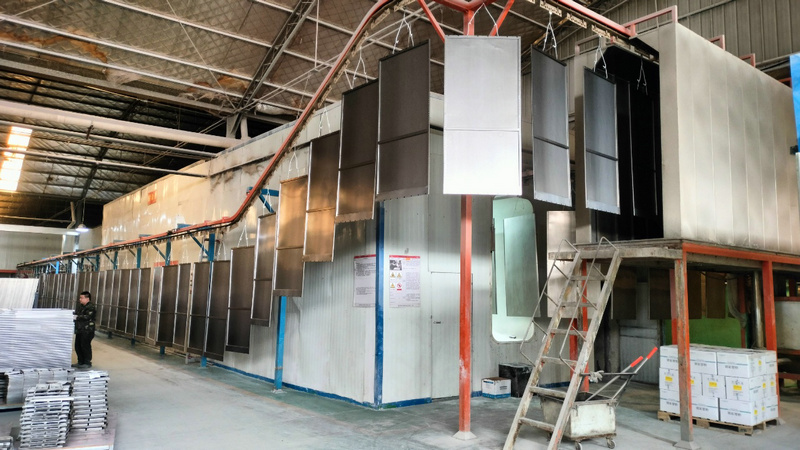 Powder Coating
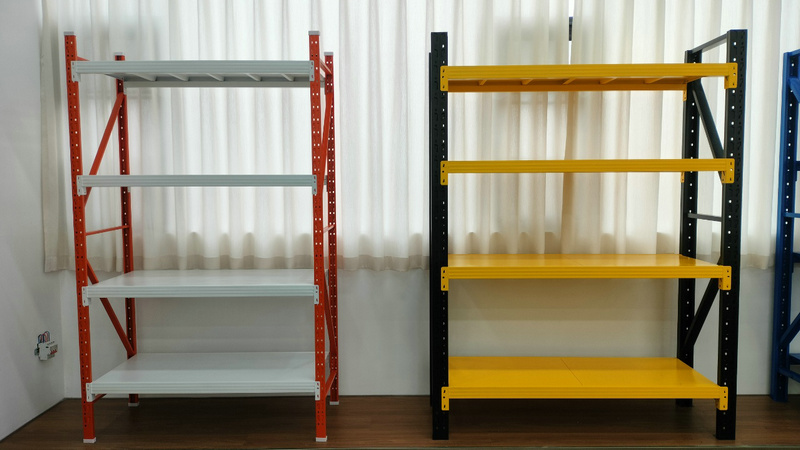 Finished Quality check
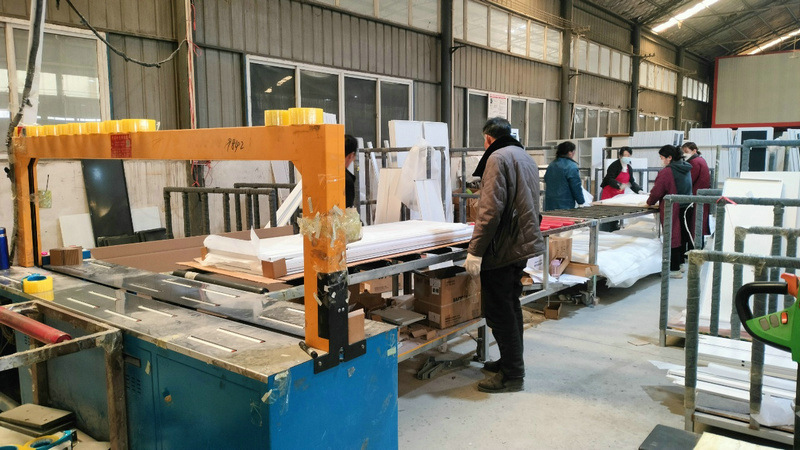 Heavy Duty Packing
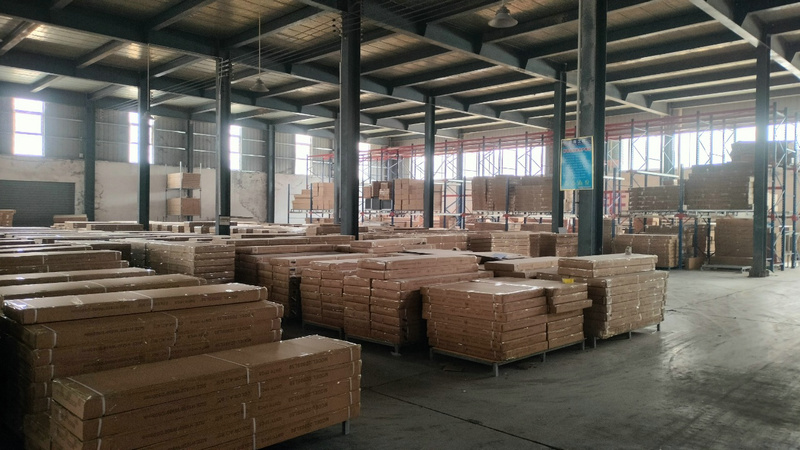 Factory Storage
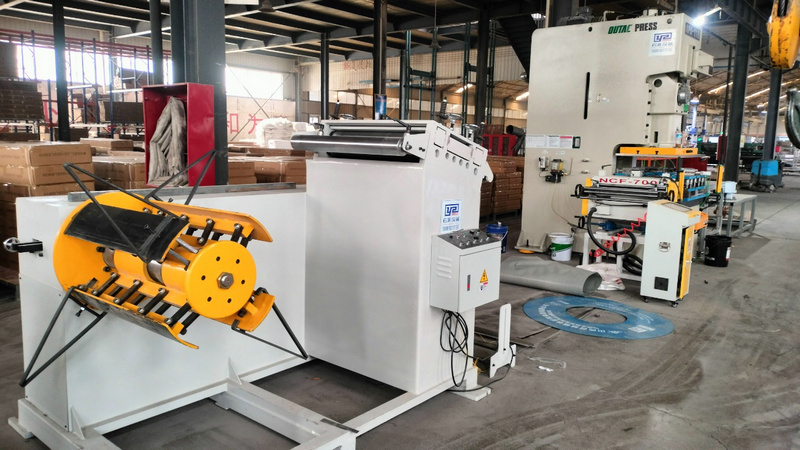 Auto Punch Line
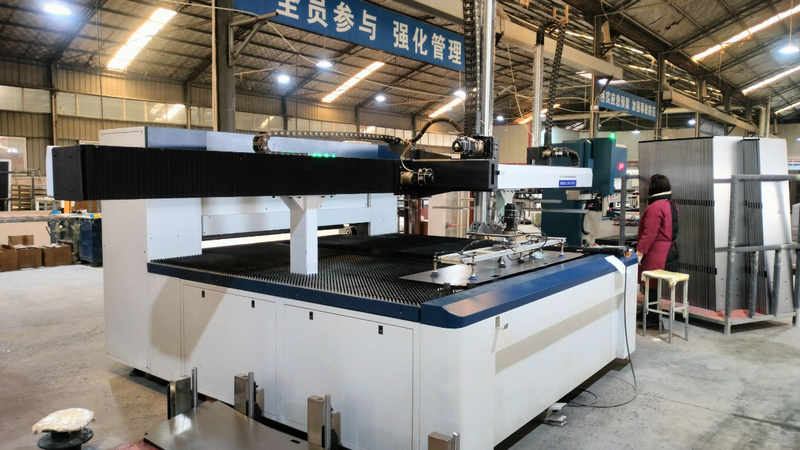 Auto Bending Machine
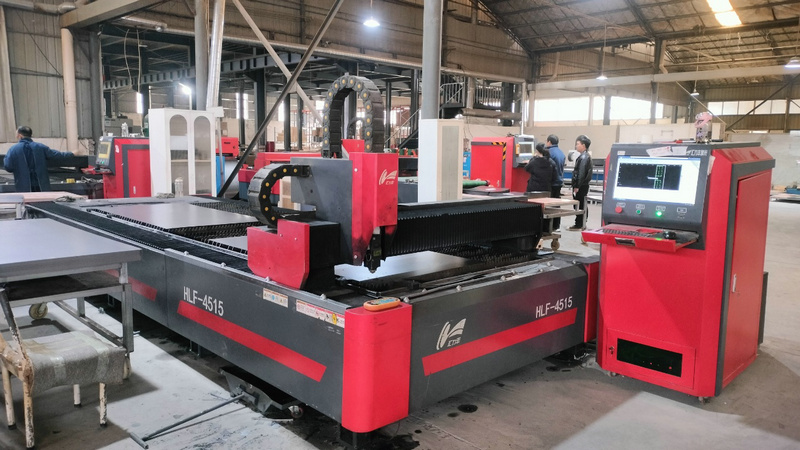 Precision Shearer
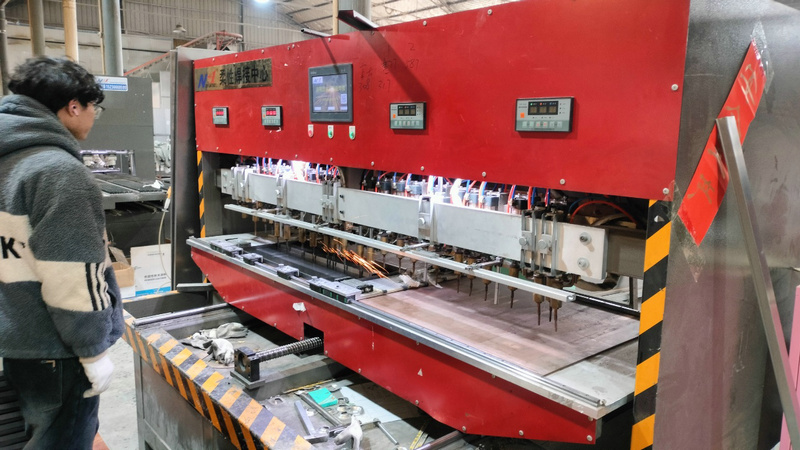 Multi-Spot Welder
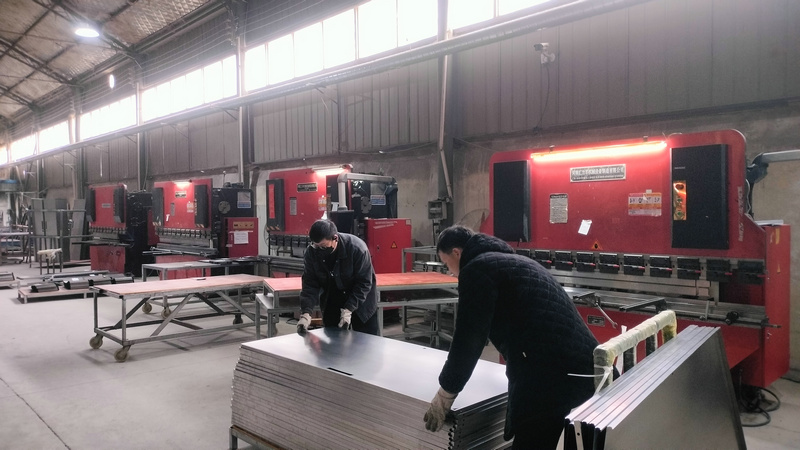 Digital Bending Bench
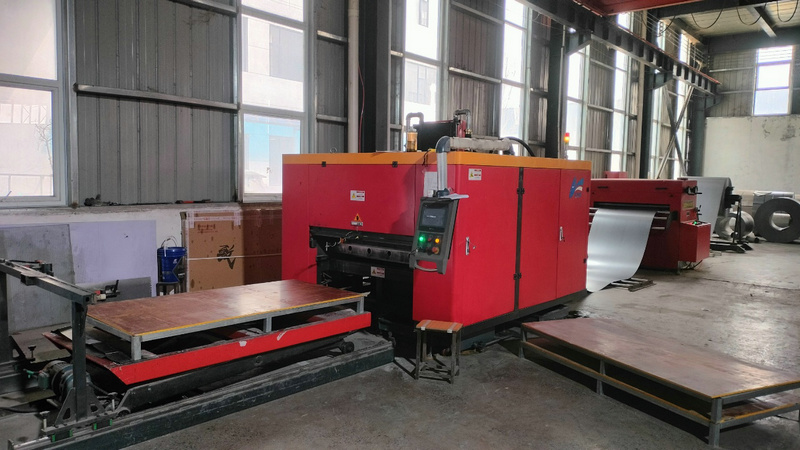 Rod Shearing Station
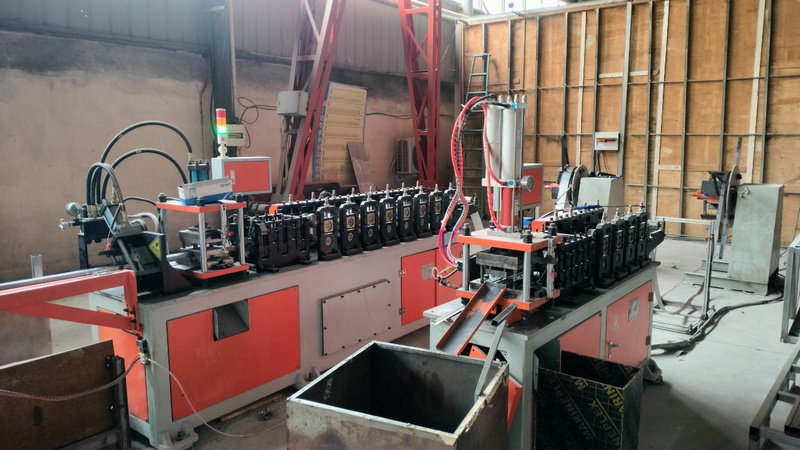 High-Speed Rolling Line
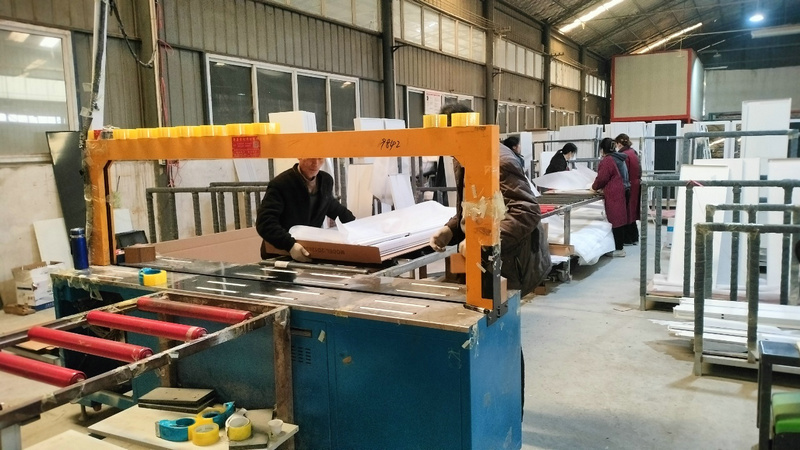 Automated Wrap Line
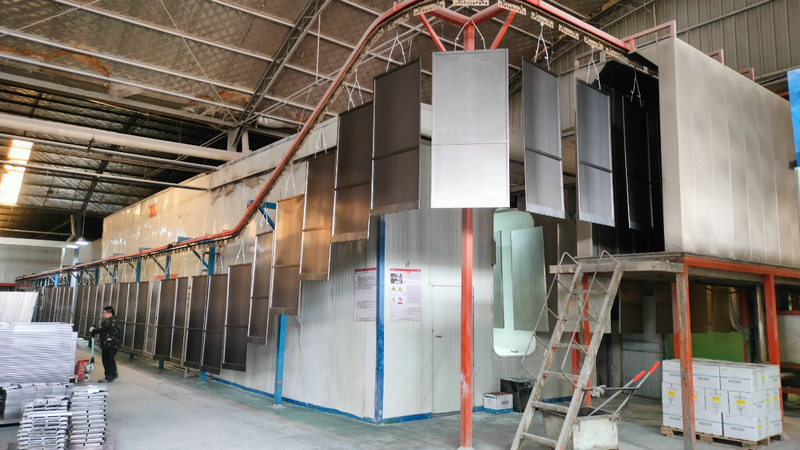 Paint Shop Line
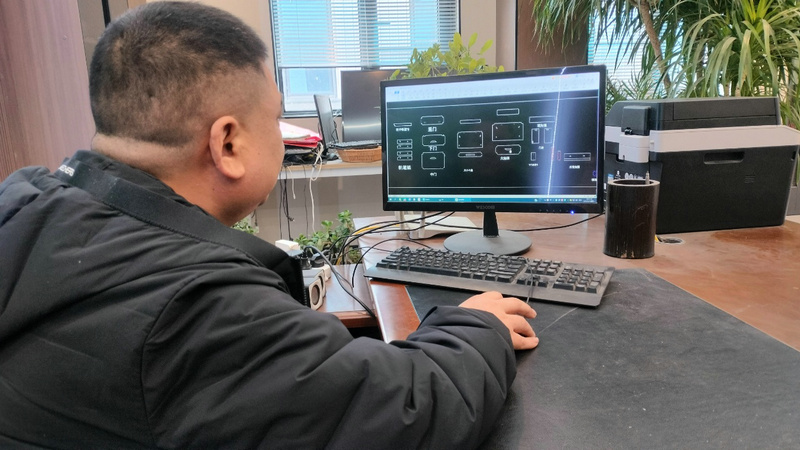 3D CAD Engineering
Engineering a high-capacity shelving system demands a thorough understanding of materials science and mechanical engineering. Our R&D division, staffed by 18 senior structural engineers, conducts exhaustive Finite Element Analysis (FEA) to simulate stress concentrations and buckling limits before committing tools to production.
We source structural-grade carbon steel from verified premium mill runs. Under high-load configurations, our roll-formed upright profiles leverage Q235B steel due to its balance of yield strength and ductility. For specialized heavy-load pallet racks subject to dynamic forklift impacts, we utilize Q345B steel, offering enhanced load margins and safety indices.
The structural capacity of an upright frame rests on the profile design and the precision of its punch pattern. Our automated rolling lines maintain structural dimensional tolerances within ±0.1mm. Precision teardrop, hexagonal, or butterfly slots are punched prior to forming to prevent micro-cracking and stress risers, ensuring shelf beams engage securely and adjust easily.
To resist industrial wear and moisture, our components undergo a multi-stage pretreatment process: chemical degreasing, hot-water rinsing, iron-phosphate conversion coating, and passivation. Racks then receive an electrostatic powder coat of high-durability epoxy-polyester resin, cured at 200°C. This forms a protective barrier resistant to chipping, UV degradation, and chemical exposure.
In high-risk seismic zones, standard baseplates are insufficient. Our R&D team designs customized heavy-duty baseplates, cross-bracing frameworks, and portal ties. These structures distribute horizontal shear stresses directly to concrete slabs, preventing structural collapse under emergency conditions.
Exporting structural steel systems globally requires rigorous alignment with regional construction and safety standards. A failure to comply can lead to rejected municipal occupancy permits, higher commercial insurance premiums, or dangerous workplace incidents. Shenzhen Shunyiming secures full peace of mind through strict compliance with key international standards:
Our internal testing department executes rigorous audits on every production lot. We perform destructive tensile tests on coupon samples, checking yield limits, ultimate tensile strengths, and elongation margins. Welded components undergo ultrasonic inspection to confirm uniform joint penetration, while baseplates and beam connectors endure static and cyclic shear loading to guarantee field reliability.
 Shunyiming Racking