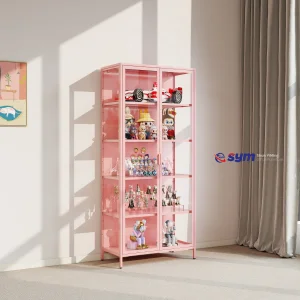
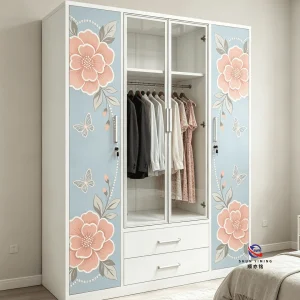
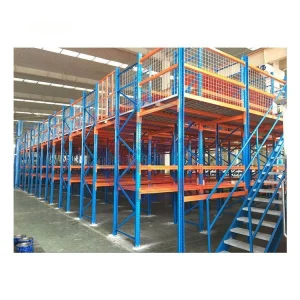
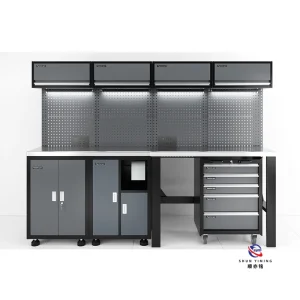
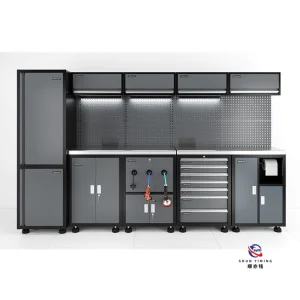
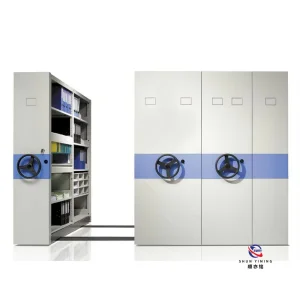
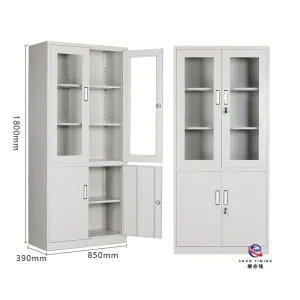
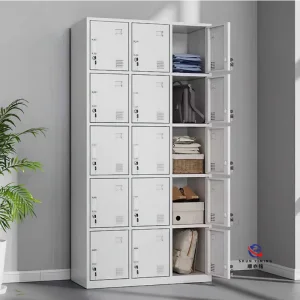
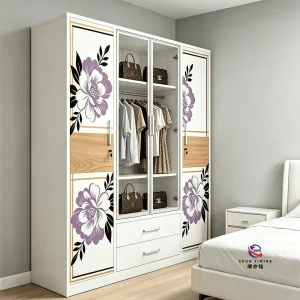
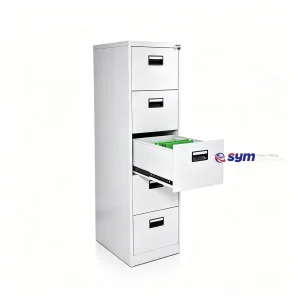
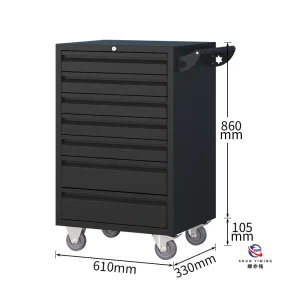
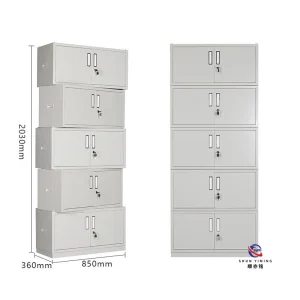
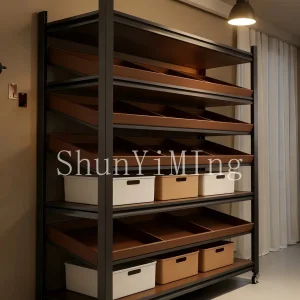
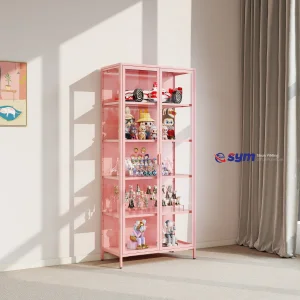
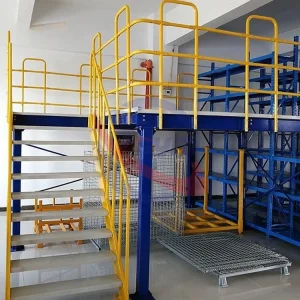
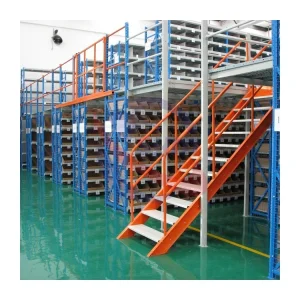
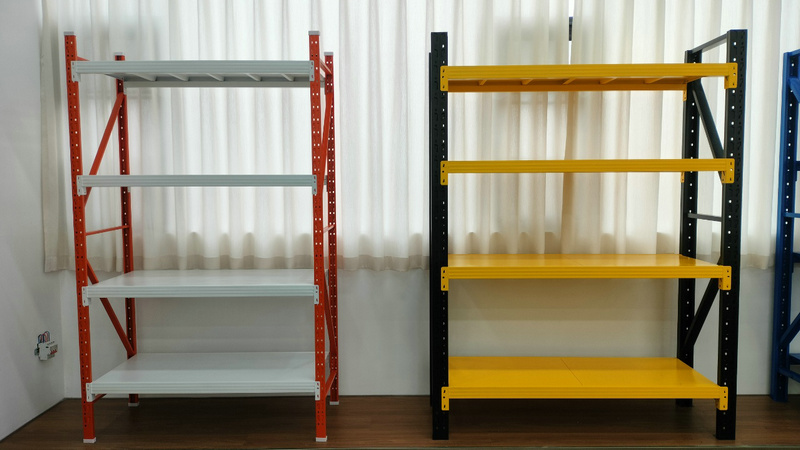
Explore our integrated range of industrial racking components, custom mezzanine systems, and high-performance steel workstations.
In modern supply chain architecture, spatial footprint optimization is directly linked to operational profitability. As logistics networks scale rapidly under pressure from global e-commerce and cold storage expansion, standard selective racking systems often prove inefficient. This is where Push-Back Storage Systems step in—a premier high-density gravity flow storage solution utilizing nested rolling carts on inclined steel rails to achieve dynamic bulk storage.
Operating on a Last-In, First-Out (LIFO) inventory flow paradigm, push-back storage systems accommodate 2 to 6 pallets depth per lane. When a pallet is loaded from the front aisle, it pushes the existing pallet back onto the next nesting cart. During unloading, as the front pallet is retrieved, gravity gently pulls the remaining pallets forward to the picking face.
Bringing robust production capacities and precision steel fabrication to global industrial infrastructure projects.
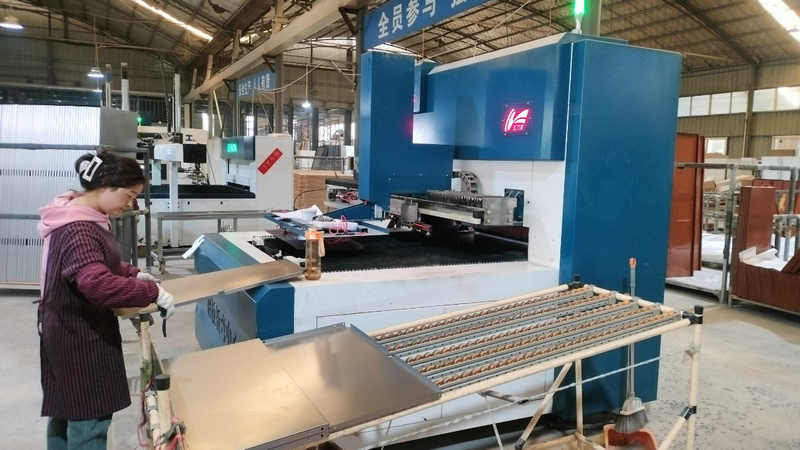
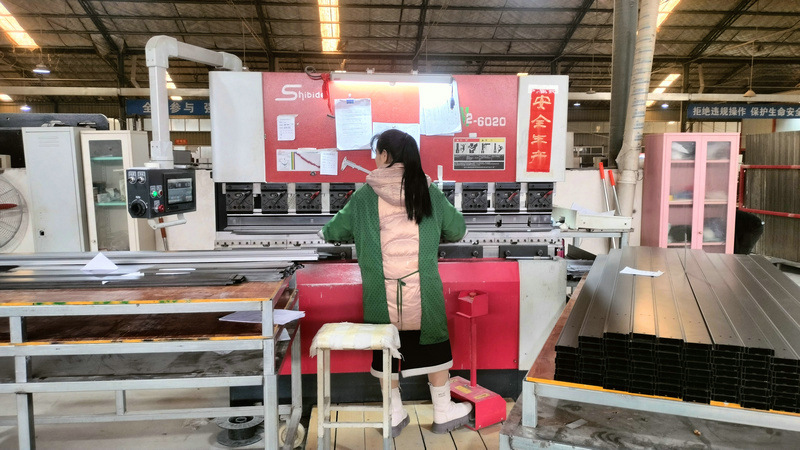
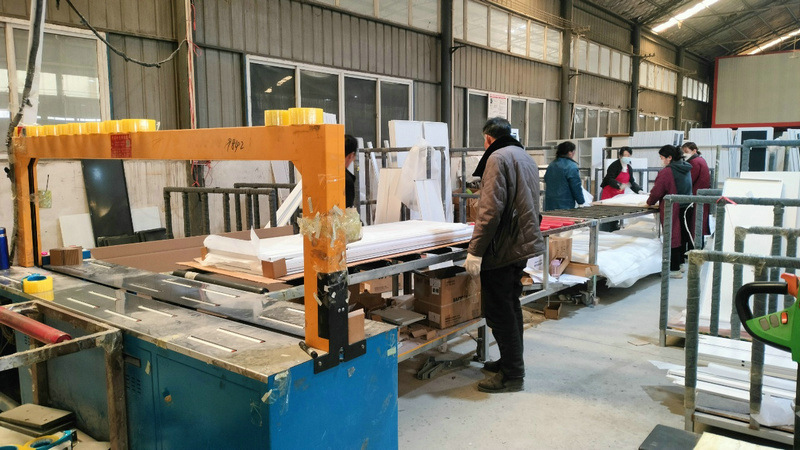
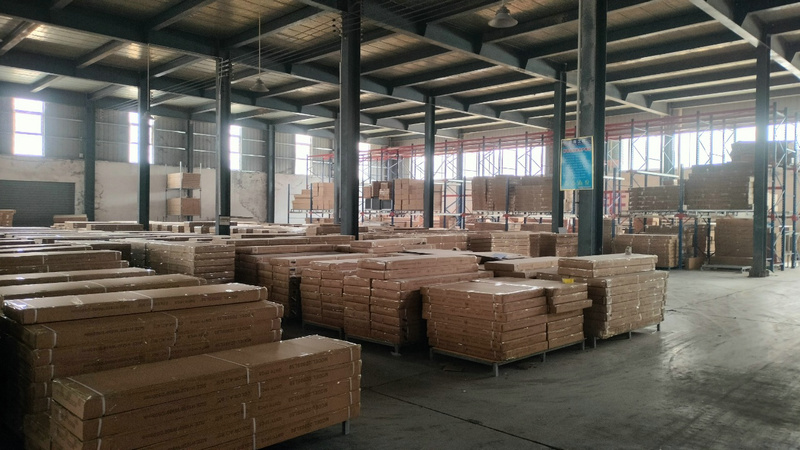
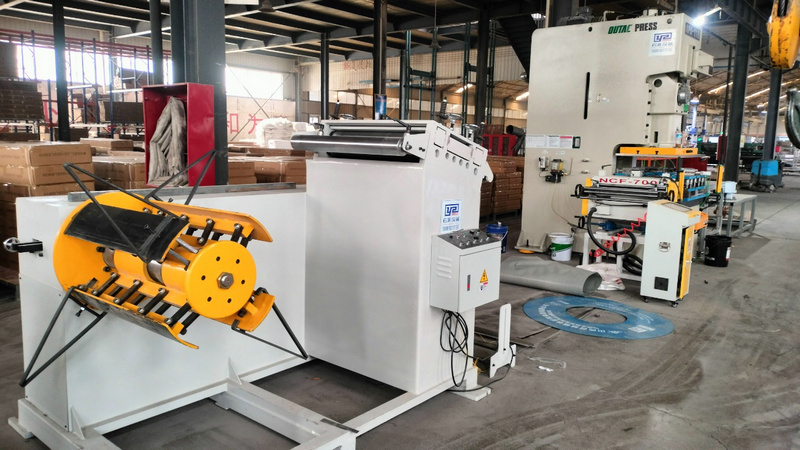
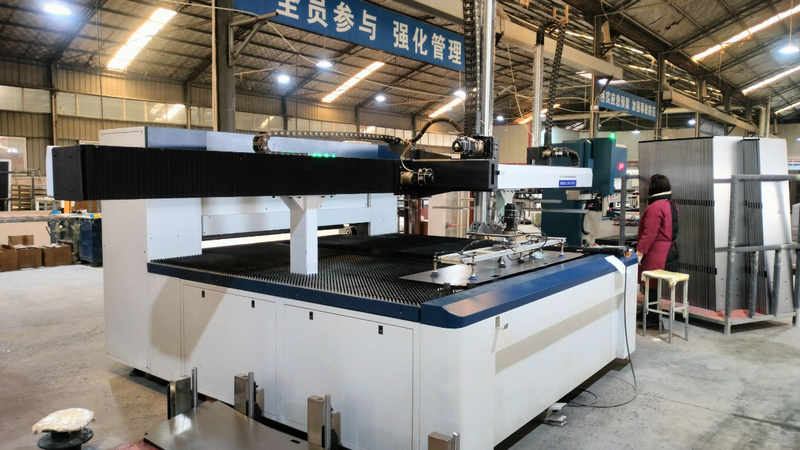
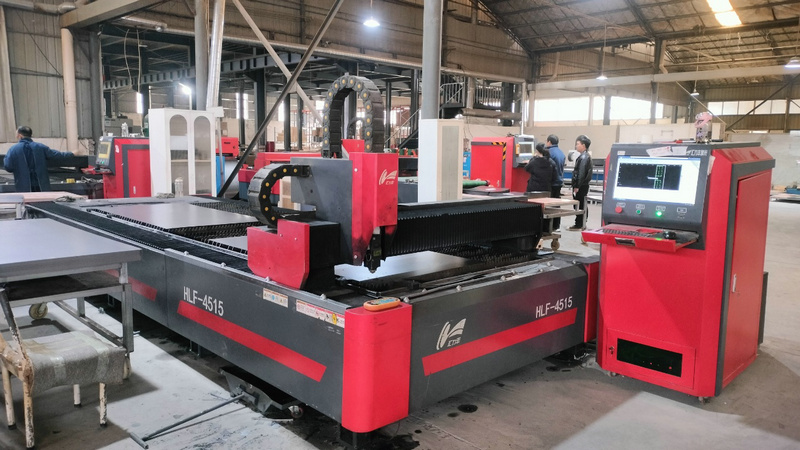
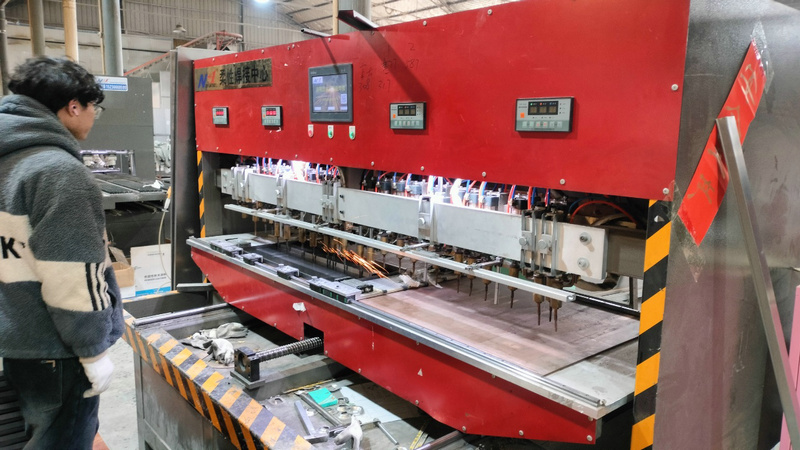
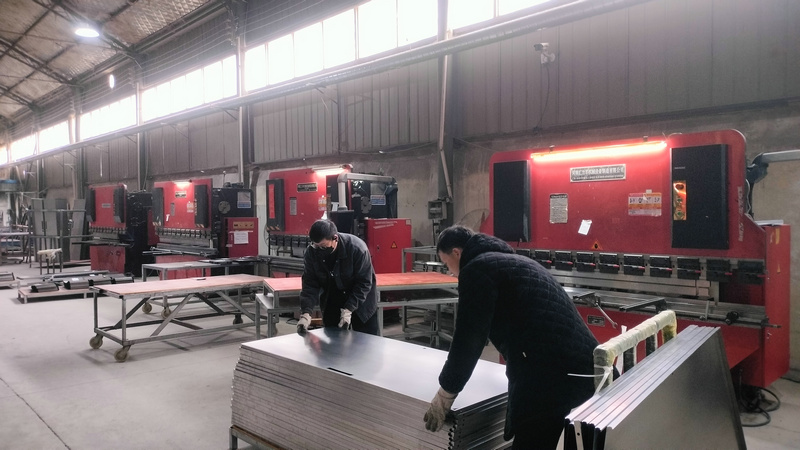
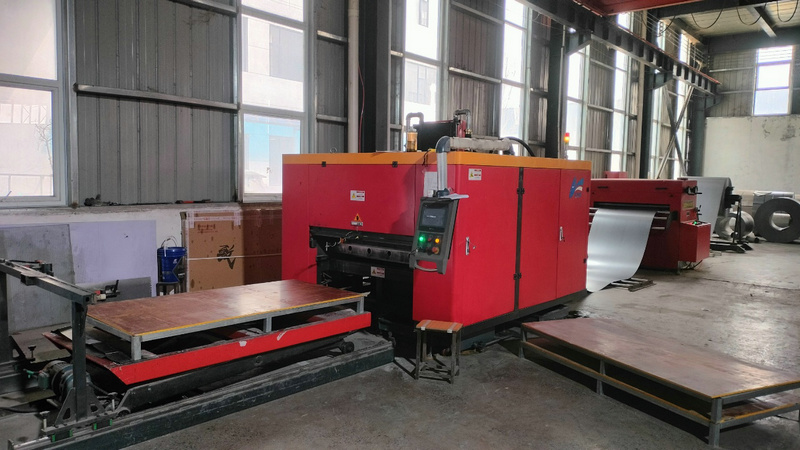
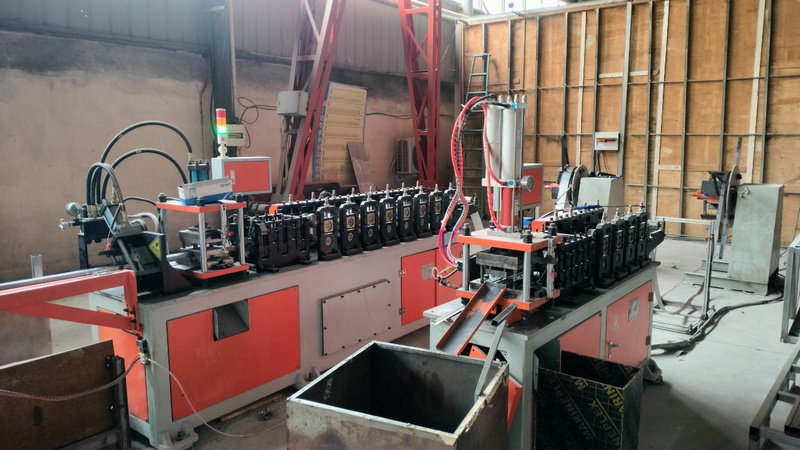
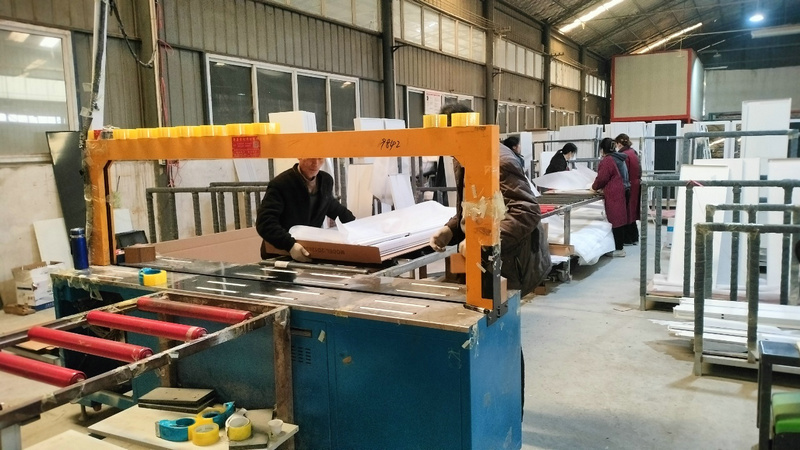
Established in 2015, Shenzhen Shunyiming Trading Co., Ltd. is a premier manufacturer and global supplier specializing in heavy-duty industrial racking and smart warehouse storage systems. Operating out of a state-of-the-art facility spanning over 32,000 square meters, we bring over 14 years of deep industry expertise and 8 years of dedicated international trade experience to the global market. Driven by innovation, our annual export revenue has reached USD 28 million, serving clients across North America, Europe, Southeast Asia, and the Middle East.
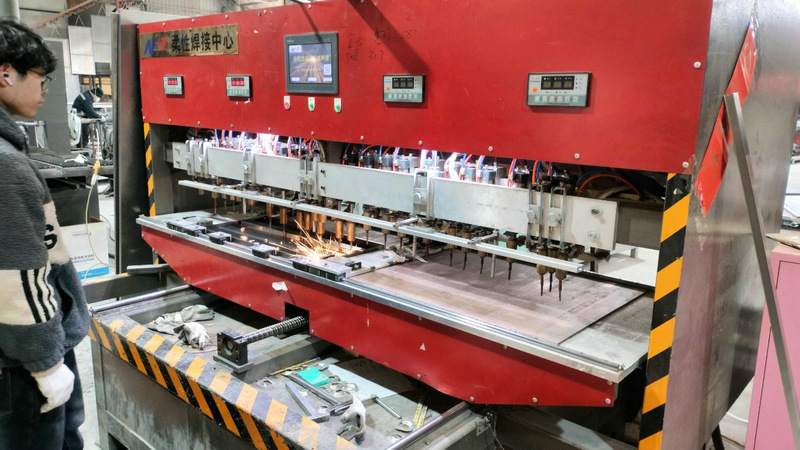
At Shenzhen Shunyiming, quality and structural integrity are paramount. Supported by a robust network of more than 800 supply chain partners, we cater primarily to global logistics hubs, large-scale enterprise warehouses, industrial distributors, and e-commerce fulfillment centers. Our dedicated quality control team of 45 certified inspectors enforces rigorous testing protocols—including full raw material incoming inspection, automated online weld integrity monitoring, and heavy load-capacity stress tests—ensuring every racking system meets international safety standards like ISO9001 and CE.
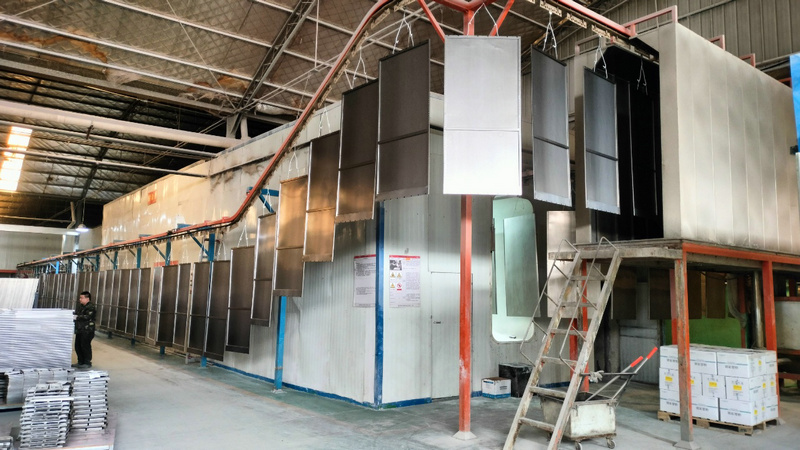
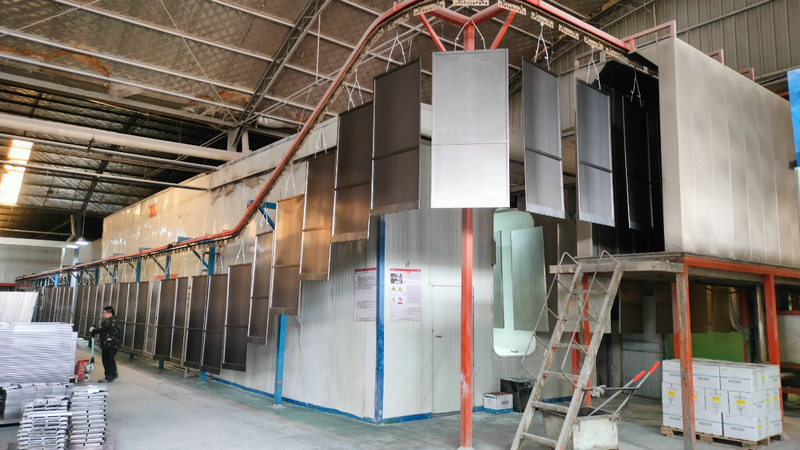
Innovation is deeply embedded in our operations. Our end-to-end foreign trade expertise and strong R&D department, staffed by 18 senior structural engineers, enable full OEM/ODM customization. From dynamic load calculations and custom dimensions to specialized anti-corrosion powder coatings and seismic-resistant layouts, we deliver tailor-made solutions. In the past year alone, our R&D team successfully introduced 65 new product designs to help our clients optimize warehouse footprint and operational efficiency.
The efficiency of a push-back storage system depends heavily on structural tolerances and mechanical components. The system consists of dynamic cart nesting configurations configured to run on structural steel rails. These rails are fixed at a constant slope of 2.5% to 3.5%, allowing gravity to smoothly guide the carts forward.
| Parameters | Technical Metric / Material Specification |
|---|---|
| Standard Load Capacity | 500 kg to 1,500 kg per pallet position |
| Lane Depth Capabilities | 2-deep, 3-deep, 4-deep, 5-deep, and 6-deep configurations |
| Steel Standard Reference | High-strength structural steel Q235B and Q355B (ASTM A36 & A572 equivalent) |
| Upright Frame Options | Roll-formed or Hot-rolled Structural Channel steel columns |
| Surface Treatment Process | Electrostatic thermosetting polyester powder coating (scratch and chemical resistant) |
| Structural Compliance | RMI Specification (USA), FEM 10.2.02 (Europe), AS4084 (Australia) |
Push-Back storage is not a one-size-fits-all product; its application depends strongly on regional infrastructure demands, environmental constraints, and product shelf-lives. Below are key localized application scenarios engineered by our structural design team:
In regions like Canada and the Northern USA, heating/refrigeration costs make volumetric optimization critical. Push-back systems are implemented inside freezers (-30°C) with low-temperature grease bearings and specialized Q355D steel to prevent low-temperature structural embrittlement.
High real-estate costs in hubs like Germany and the Netherlands require dynamic storage with minimal aisle footprints. Push-back storage offers standard multi-SKU storage lanes allowing immediate product access while eliminating spatial waste.
In seismic-prone regions like Indonesia and the Philippines, standard push-back designs are customized with heavy-duty dynamic base plates, reinforced frame bracing, and custom rail tie-downs complying with regional earthquake parameters.
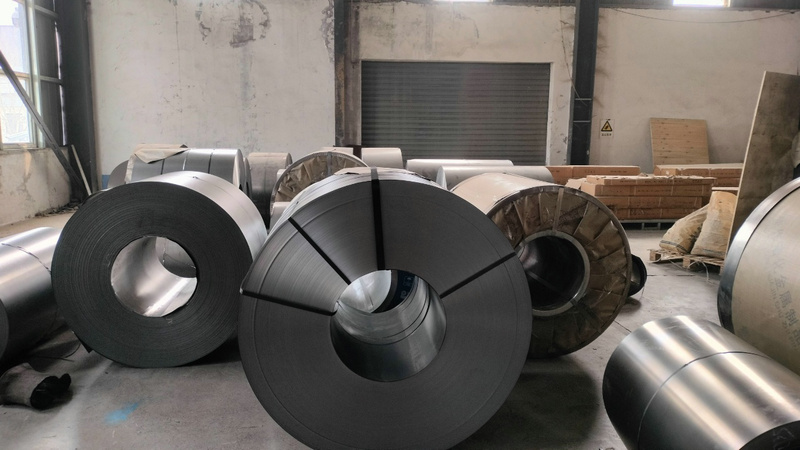
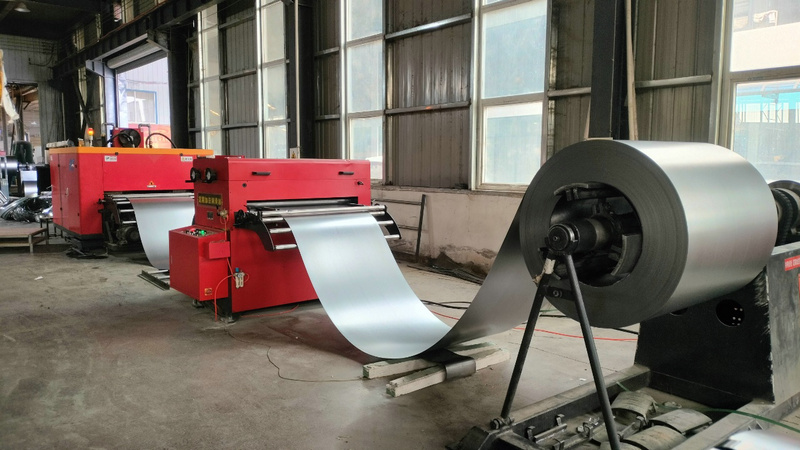
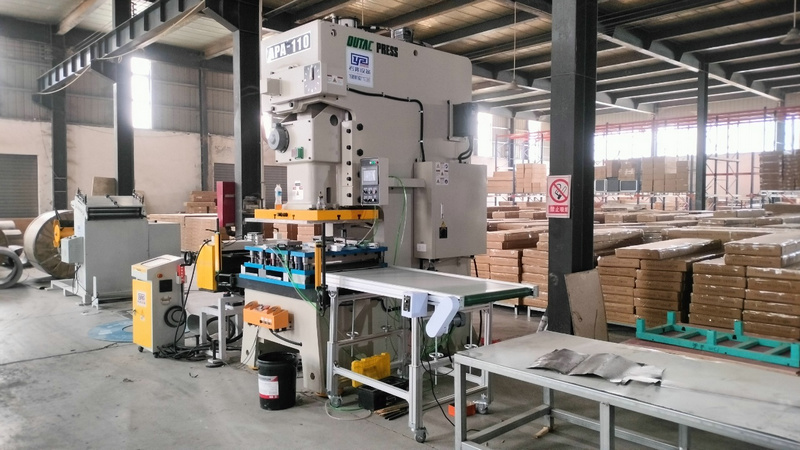
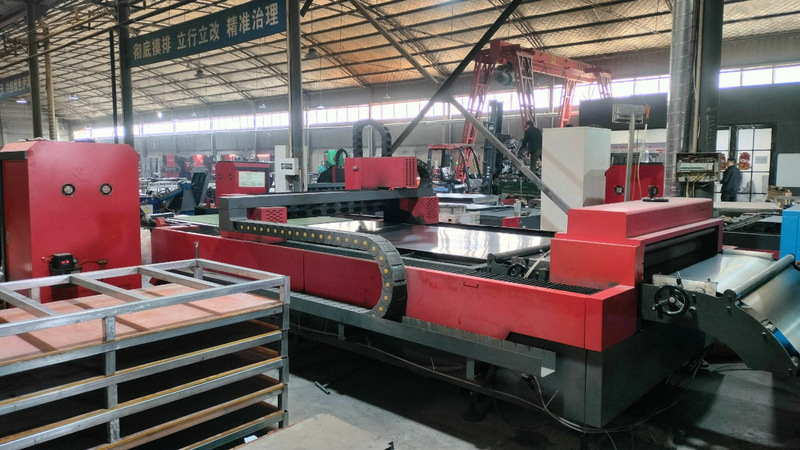
Every structural component is manufactured in-house under stringent raw material incoming inspections and welding audits.
As warehousing transitions to Industry 4.0, storage rack structures are no longer passive steel frame installations. They are integrating with sensors, data interfaces, and automated driving systems to support modern logistics operations. Our R&D division has laid down a clear development roadmap for push-back systems over the next decade:
The introduction of load-sensing piezoelectric sensors within cart frames allows real-time weight tracking. This information communicates directly with the Warehouse Management System (WMS) to prevent overloading and trace dynamic product placement.
To accommodate heavy pallet handling, we are engineering dynamic hydraulic speed limiters within the inclined rail lines. This prevents heavy pallets from shifting forward too quickly when the front-most pallet is retrieved, ensuring load stability.
Autonomous Guided Vehicles (AGVs) demand tighter alignment tolerances than traditional forklift operators. Our newest generation of OEM/ODM push-back rails features precision guides, laser alignment brackets, and automated entry slots to allow robotic forklifts to pick and place pallets seamlessly.
Sourcing industrial racking from Shenzhen Shunyiming Trading Co., Ltd. provides a unique strategic advantage derived from the concentration of sheet metal production, advanced raw materials, and global logistics infrastructure in Southern China.
Building safe structural warehouse storage systems requires strict adherence to international safety codes. Racking failures can lead to catastrophic damage and operations downtime, which is why Shenzhen Shunyiming structures undergo exhaustive FEA (Finite Element Analysis) testing and physical load certifications.
Technical clarifications, load constraints, operational practices, and customization options for industrial buyers.
Explore our full line of industrial shelving, heavy-duty mezzanine platforms, and protective steel storage units.
 Shunyiming Racking