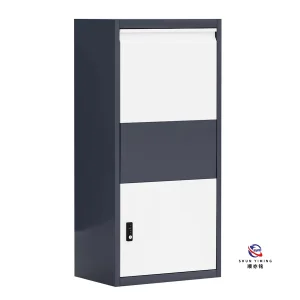
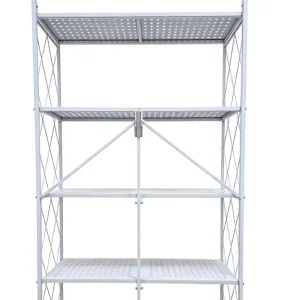
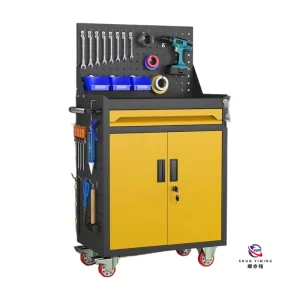
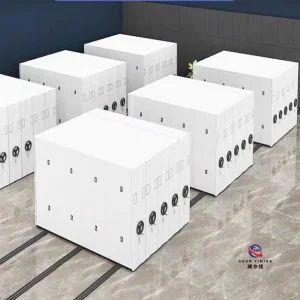
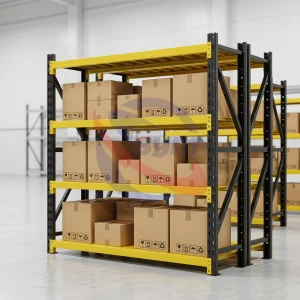
High-capacity structural racking and steel-based workspace organizational configurations designed for global logistics hubs and commercial environments.
Understanding the paradigm shift in global material handling from selective pallet racking to multi-directional dynamic shuttle networks.
In the rapidly changing landscape of global supply chain management, warehousing space has transitioned from a simple cost center to a critical driver of competitive advantage. Across major logistics networks in North America, Europe, and the Asia-Pacific region, the convergence of skyrocketing real estate values, severe warehouse labor shortages, and the explosive expansion of e-commerce SKU counts has forced engineering executives to seek storage solutions with ultra-high density and high throughput.
Traditional selective pallet racking systems, while versatile, waste over 50% of a facility's footprint on access aisles. Double-deep and drive-in systems increase density but introduce severe operational bottlenecks, specifically structural damage risks and the "First-In, Last-Out" (FILO) limitation.
This is where the 4-Way Shuttle System comes in. Unlike traditional 2-way radio shuttles that can only traverse a single deep lane (x-axis), the modern 4-way shuttle is an autonomous robot capable of navigating both longitudinal and lateral tracks (x-axis and y-axis) within a specialized racking structure. Powered by advanced onboard controls, busbar systems or fast-charging supercapacitors, and vertical elevators (lifters), the 4-way shuttle system offers independent tier-to-tier operation and multi-depth flexibility. It bridges the gap between massive storage capacity and rapid pallet access, representing the pinnacle of modern Automated Storage and Retrieval Systems (AS/RS).
Eliminates access aisles entirely, allowing up to 90% space utilization. Reduces land footprint requirements by up to 50% compared to conventional forklifts.
Decouples racking tiers from shuttle units. System designers can dynamically adjust shuttle fleet sizes during peak operational seasons to increase throughput.
If a single shuttle unit experiences a mechanical fault, the WCS (Warehouse Control System) dynamically routes alternative units to complete tasks, avoiding complete system failure.
A benchmark for global heavy-duty racking manufacturing, safety standards, and high-precision production lines.
Established in 2015, Shenzhen Shunyiming Trading Co., Ltd. has grown into a leading manufacturer and global supplier specializing in heavy-duty industrial racking and smart warehouse storage systems. Operating from a state-of-the-art facility spanning over 32,000 square meters, the company combines over 14 years of deep industry expertise and 8 years of dedicated international trade experience to serve global markets. Driven by innovation, Shunyiming's annual export revenue has reached USD 28 million, serving clients across North America, Europe, Southeast Asia, and the Middle East.
Quality and structural integrity are paramount for 4-way shuttle racking, where mechanical tolerances must be kept under 1.5mm to ensure collision-free robot travel. Supported by a robust network of more than 800 supply chain partners, Shunyiming caters primarily to global logistics hubs, large-scale enterprise warehouses, industrial distributors, and e-commerce fulfillment centers.
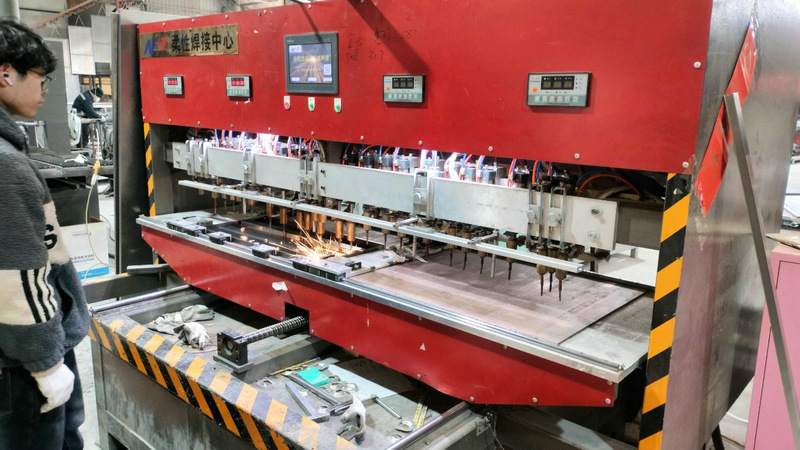
The company's dedicated QC team of 45 certified inspectors enforces rigorous testing protocols. These include full incoming raw material inspection (verifying tensile strength of Q235B and Q355B structural steel), automated online weld integrity monitoring, and heavy load-capacity stress tests. These protocols ensure every racking system complies with international safety standards like ISO9001 and CE.
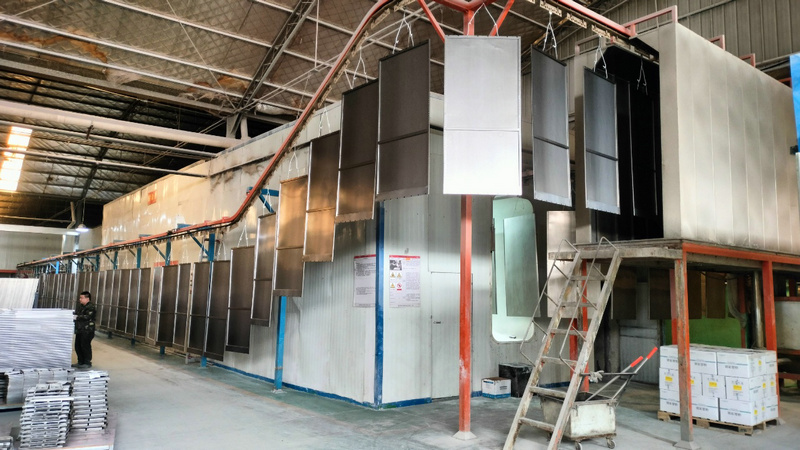
Innovation is central to Shunyiming's operations. The end-to-end foreign trade team and R&D department, staffed by 18 senior structural engineers, allow for full OEM/ODM customization. From dynamic load calculations and custom dimensions to specialized anti-corrosion powder coatings and seismic-resistant layouts, they deliver customized solutions. In the past year alone, the R&D team successfully introduced 65 new product designs to help clients optimize warehouse footprint and operational efficiency.
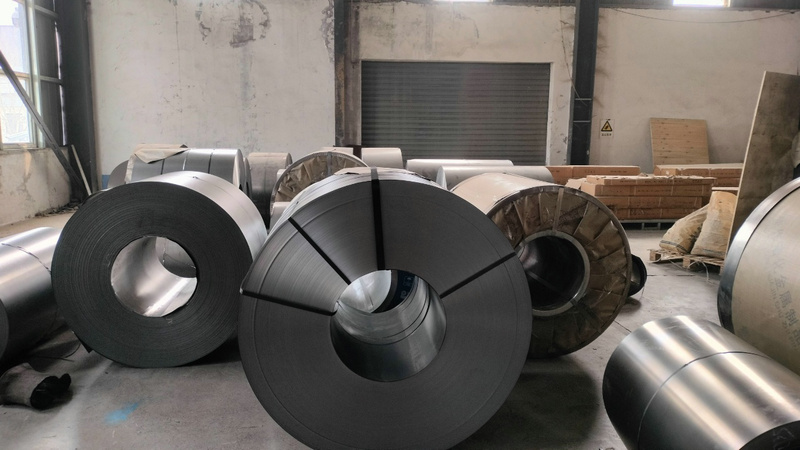
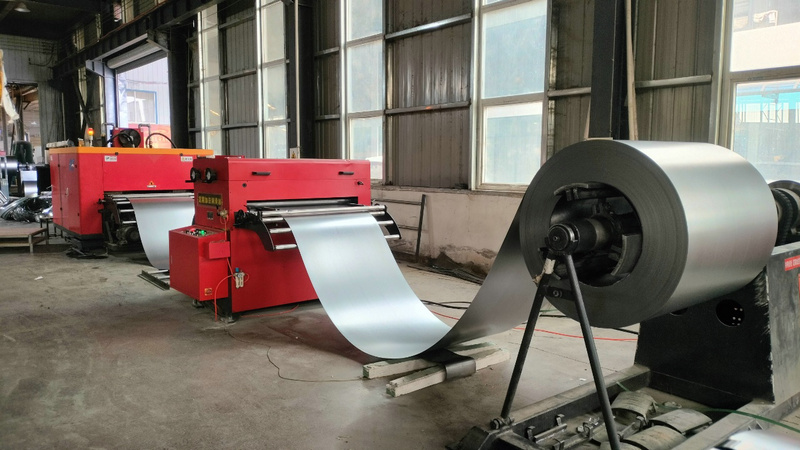
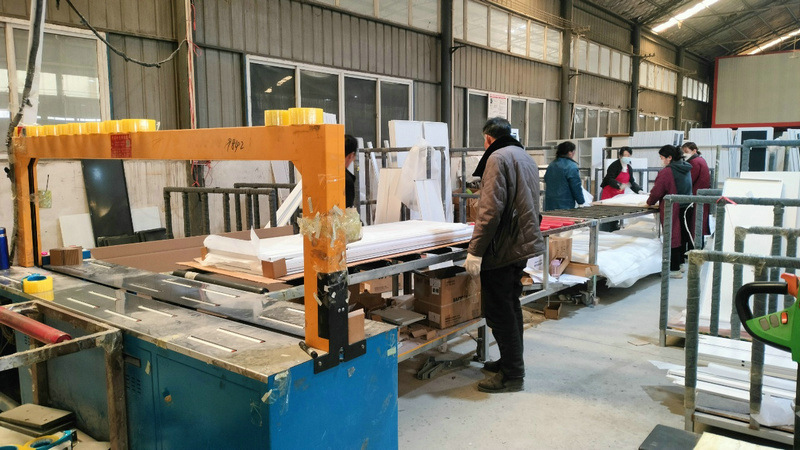
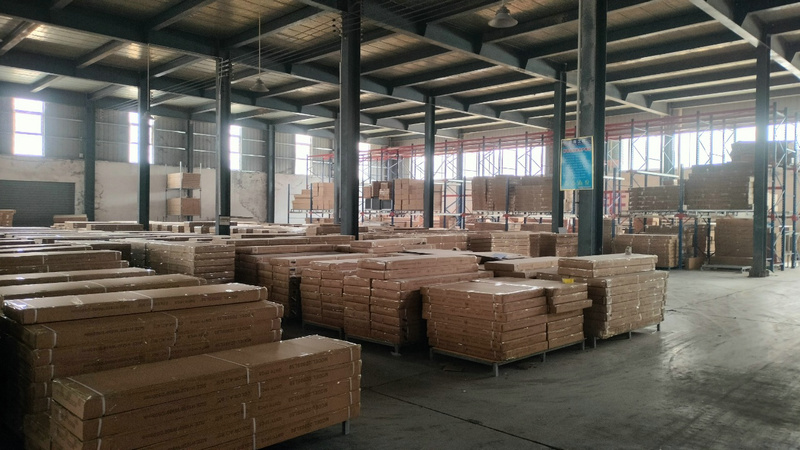
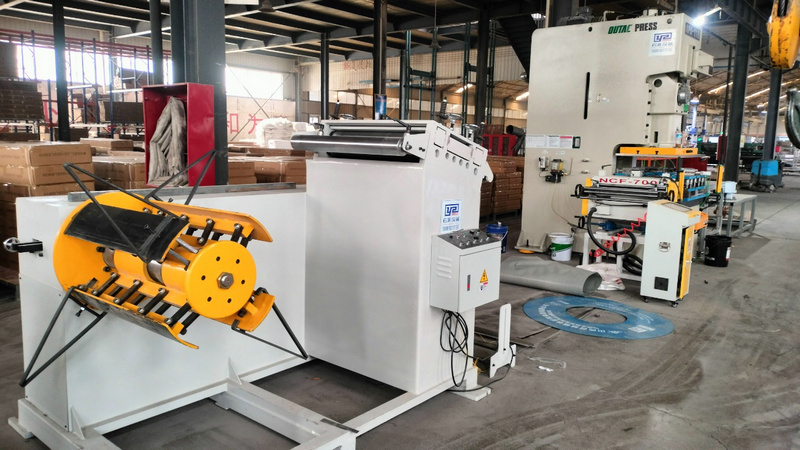
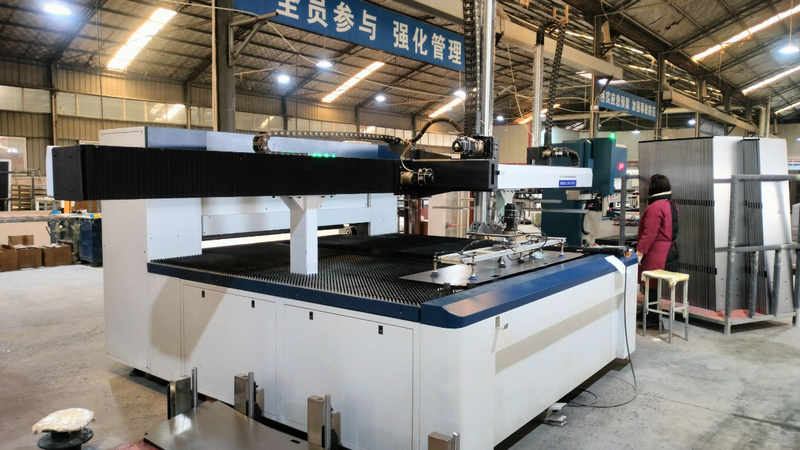
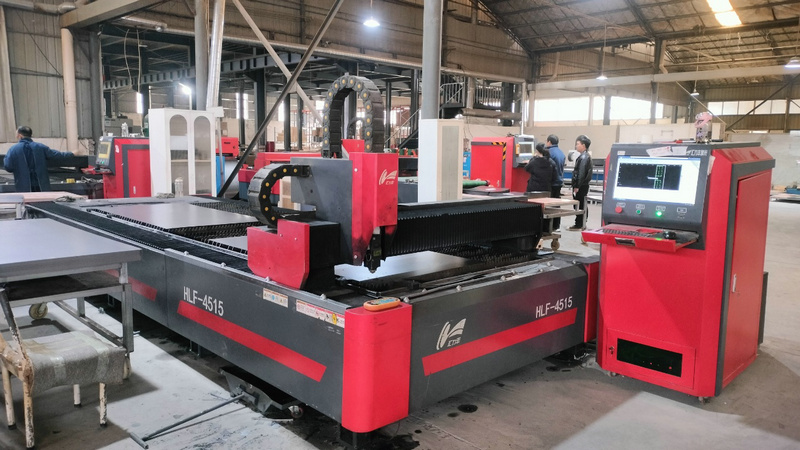
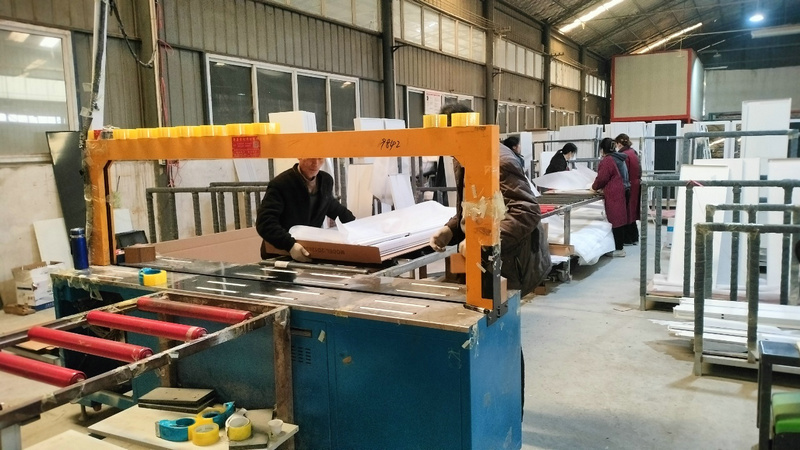
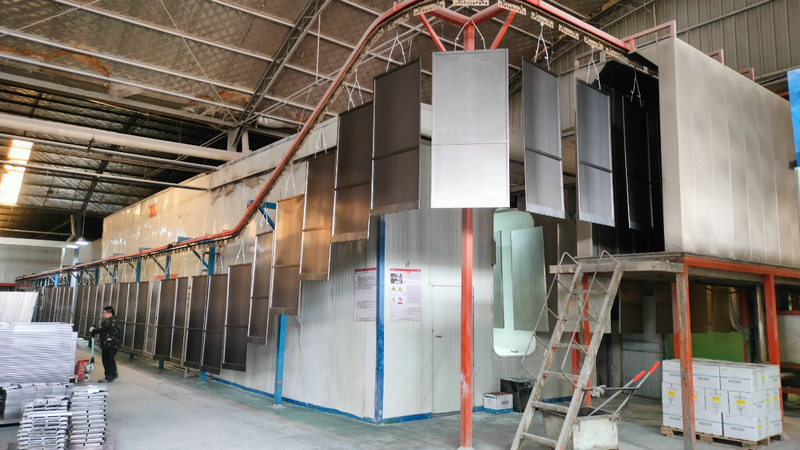
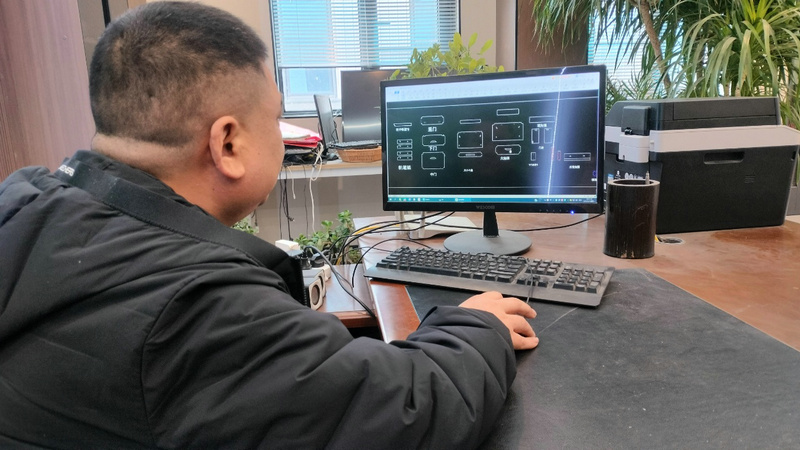
A look inside the 32,000 m² factory floor, showing the equipment and systematic processes required to construct high-tolerance structural racking systems.
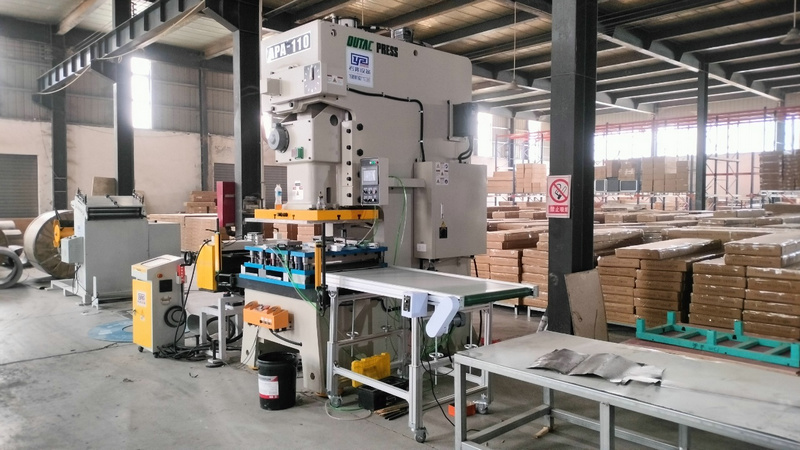
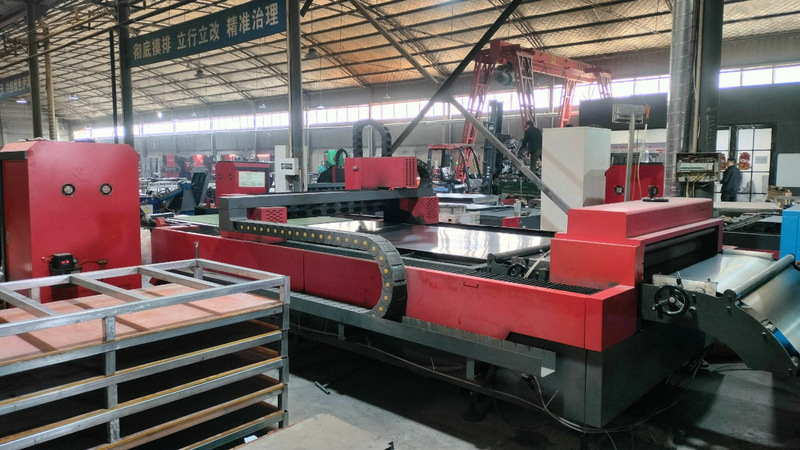
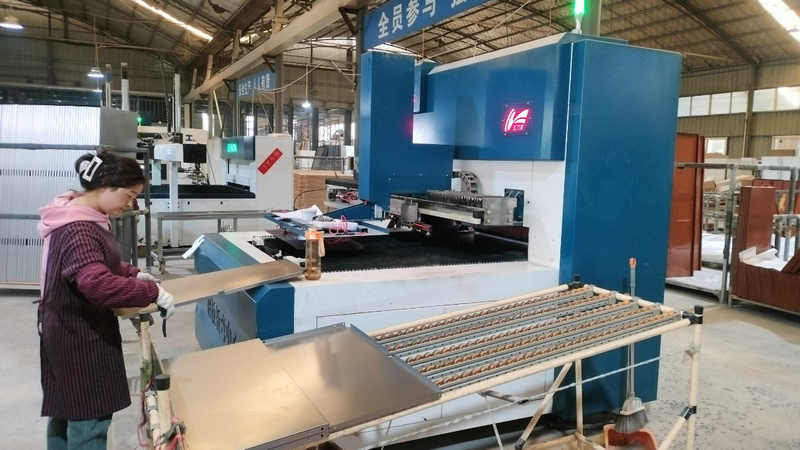
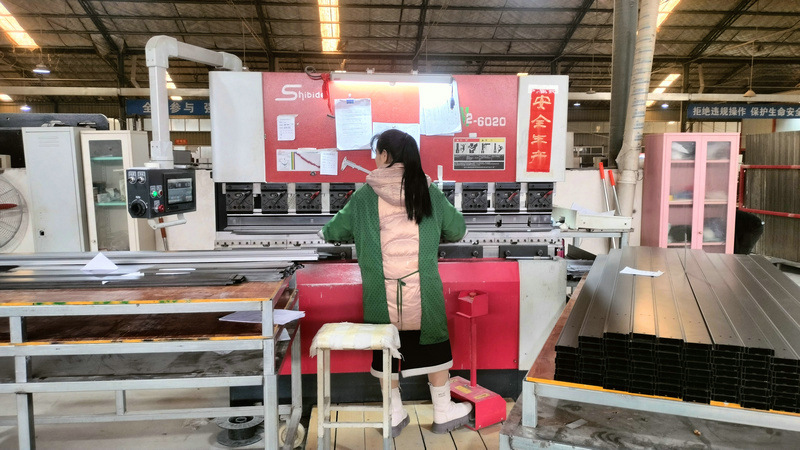
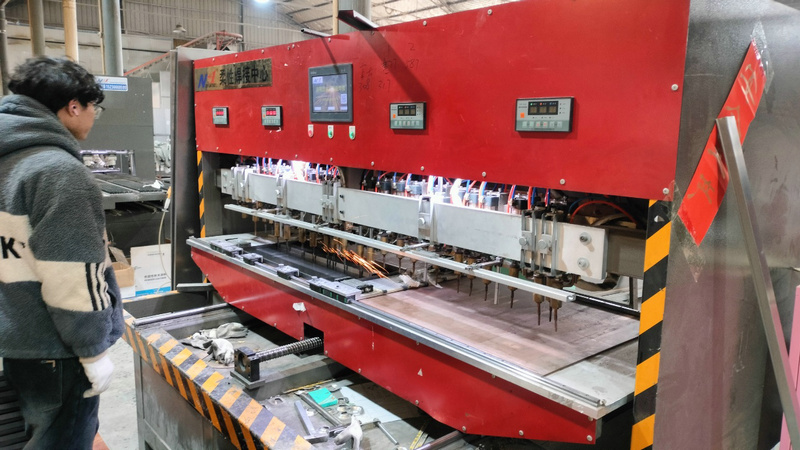
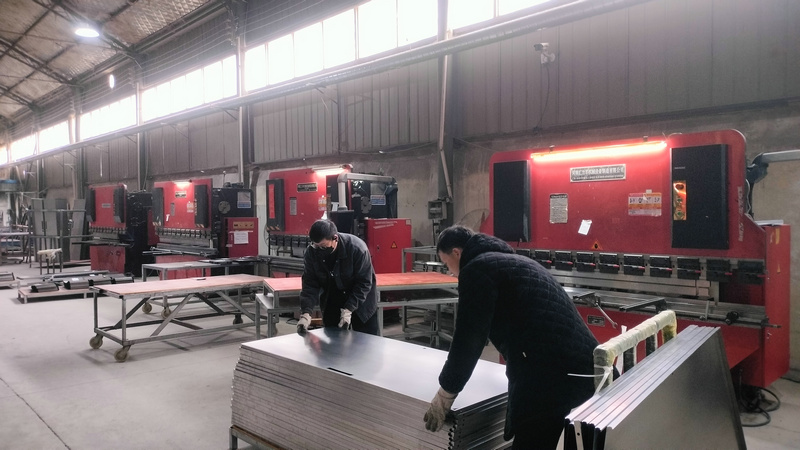
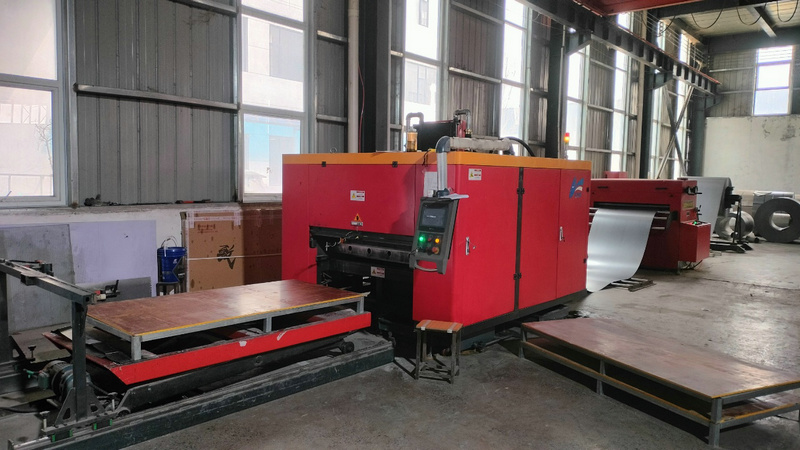
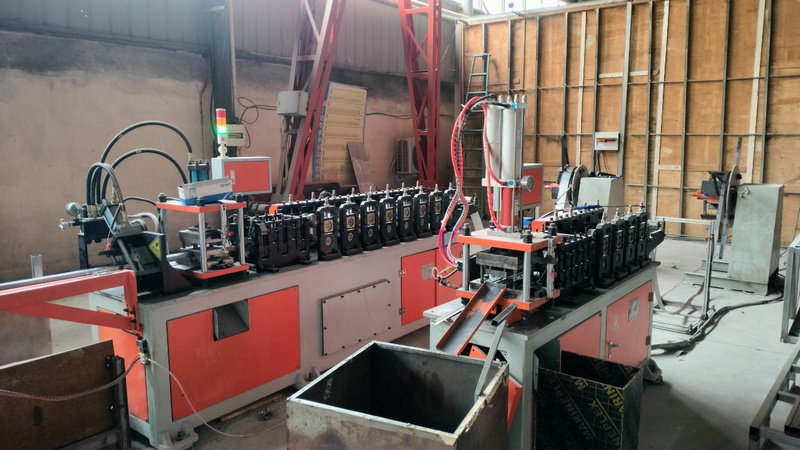
How 4-way shuttle AS/RS architectures are applied to address complex supply chain problems across vertical industries.
Cold chain facilities are highly expensive to build and operate. The electricity costs required to maintain sub-zero temperatures (ranging from -18°C to -30°C) make vertical density a priority. 4-way shuttle systems designed for cold storage utilize specialized, low-temperature lithium-iron or supercapacitor power units that do not degrade in freezing conditions.
The ultra-dense layout minimizes the cubic volume of the refrigerated envelope, reducing refrigeration energy costs by up to 40%. Additionally, the system reduces the need for human operators to work in extreme sub-zero temperatures, improving safety and workplace comfort.
The pharmaceutical industry requires strict compliance with Good Manufacturing Practices (GMP) and Good Distribution Practices (GDP). Traceability, zero-contamination risk, and absolute FIFO (First-In, First-Out) operations are required by regulatory bodies like the FDA and EMA.
A 4-way shuttle system integrated with a validated WMS allows for precise batch tracking, automated quarantine routing, and real-time inventory management. Because shuttle units run on clean electricity without hydraulics, the risk of chemical leaks is eliminated, maintaining cleanroom standards.
E-commerce fulfillment centers handle unpredictable order profiles and high SKU volumes. During peak promotional periods (e.g., Black Friday or Double 11), throughput demands can spike to several times normal levels.
Unlike stacker crane systems, which are limited to one crane per aisle, a 4-way shuttle system allows engineers to adjust the ratio of robots to racking. By introducing additional shuttles into the racking network, peak throughput capacity can be scaled up without building new physical storage aisles.
The engineering milestones driving the next generation of autonomous warehouse equipment and deep AI integration.
Traditional WCS systems use fixed, path-locked routing algorithms. Next-generation systems leverage swarm intelligence and decentralized dynamic path planning. Each 4-way shuttle recalculates its route millisecond-by-millisecond based on local sensor feedback and other shuttle positions. This reduces congestion points within the racking network, boosting operational efficiency by up to 25%.
The transition from standard Lithium-Ion batteries to Lithium Titanate (LTO) and advanced supercapacitors represents a major hardware upgrade. Supercapacitors charge in under 10 seconds at charging stations located within the racking framework. This design allows for continuous 24/7 operation and extends the battery service life to over 10 years, reducing lifetime maintenance costs.
Furthermore, the adoption of 5G private networks within automated facilities ensures low-latency communication (less than 10 milliseconds) between the shuttle units, high-speed lifters, and the central WCS. This eliminates communication dropouts in high-density steel environments, improving overall system safety and reliability.
Critical structural tolerances and compliance frameworks that B2B buyers must evaluate during factory inspections.
When purchasing racking for a 4-way shuttle system, standard warehouse storage tolerances are not sufficient. Because the autonomous shuttles travel at speeds up to 2.0 m/s and carry pallet loads of up to 1,500 kg, structural deflection, rail alignment, and weld quality must be tightly controlled. Buyers should evaluate potential manufacturers against the following criteria:
Detailed answers to key technical, financial, and operational questions regarding 4-way shuttle AS/RS investments.
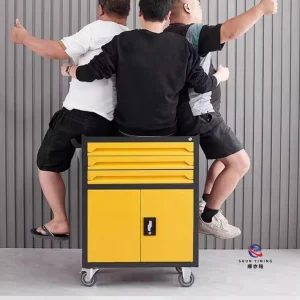
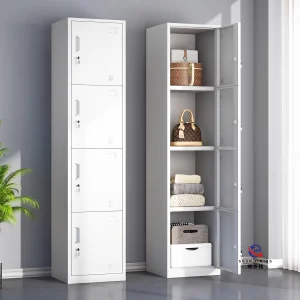
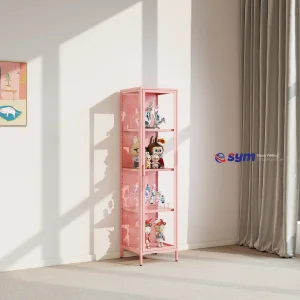
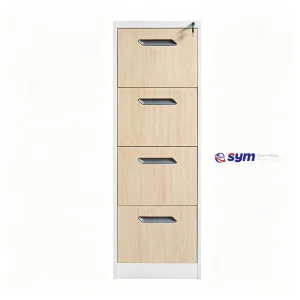
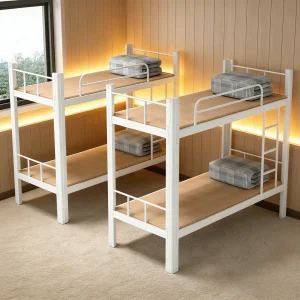
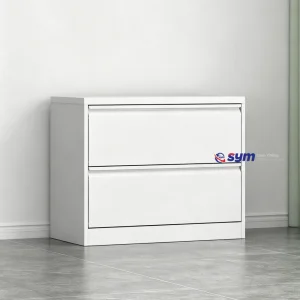
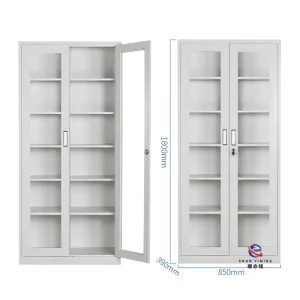
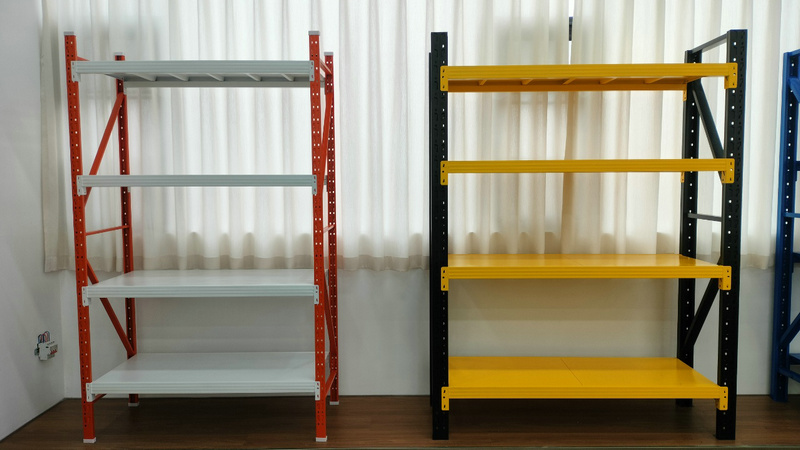
Complete structural catalog detailing heavy-duty workshop organizers, safety storage cabinets, and commercial-grade layouts.
 Shunyiming Racking