Engineered high-performance steel products optimized for demanding industrial, medical, and storage applications.
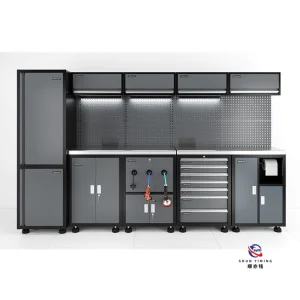
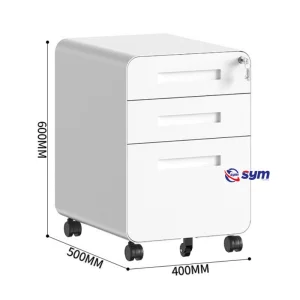
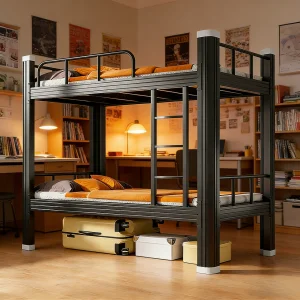
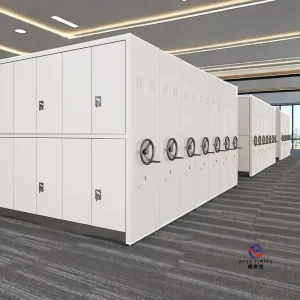
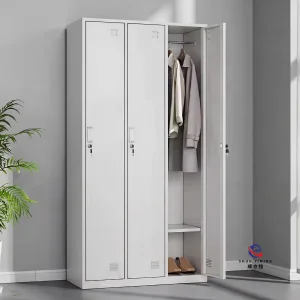
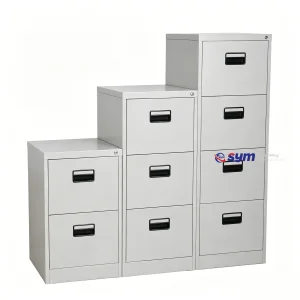
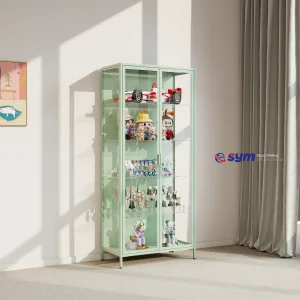
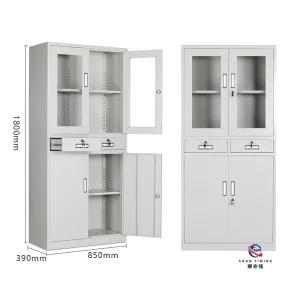
In modern industrial design and logistics infrastructure management, the transition from traditional nuts-and-bolts assembly mechanisms to high-precision boltless systems marks a significant evolution. High-density storage requires modularity, quick adaptability, and zero downtime. As modern warehouse managers look to optimize supply chains and maximize space utilization, boltless structures have shifted from a utility choice to a strategic asset.
Unlike classic structural racking, which requires specialized tools, certified assembly technicians, and long periods of downtime, modern boltless systems utilize interlocking mechanisms like keyholes, rivets, or slot-and-hook fittings. This provides structural integrity equal to or exceeding standard bolted joints. Under stress loading, these systems lock together even more securely, distributing load forces evenly across the upright column profiles.
Purchasing decisions for industrial racking must look beyond raw loading capacities. Key buying criteria should include weld fatigue tolerances, the chemistry of the steel substrate (e.g., SPCC cold-rolled standards), and dynamic seismic elasticity metrics. Partnering with suppliers that implement certified raw material traceability is essential for long-term safety and performance.
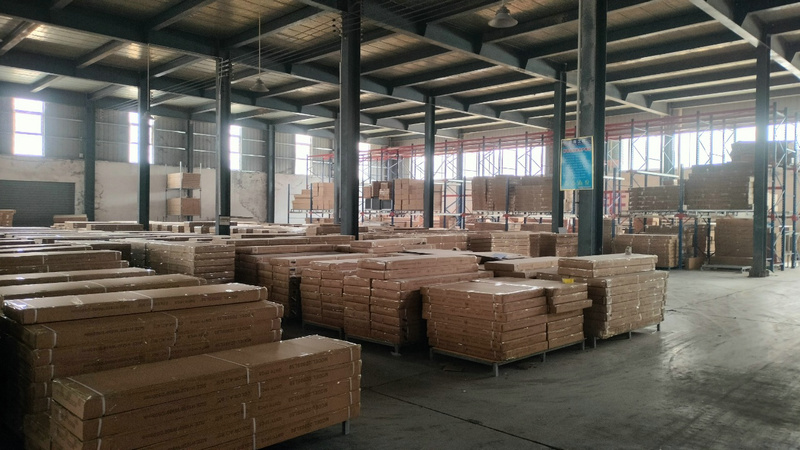
Established in 2015, Shenzhen Shunyiming Trading Co., Ltd. is a premier manufacturer and global supplier specializing in heavy-duty industrial racking and smart warehouse storage systems. Operating out of a state-of-the-art facility spanning over 32,000 square meters, they bring over 14 years of deep industry expertise and 8 years of dedicated international trade experience to the global market. Driven by innovation, their annual export revenue has reached USD 28 million, serving clients across North America, Europe, Southeast Asia, and the Middle East.
Quality and structural integrity are paramount at Shenzhen Shunyiming. Supported by a robust network of more than 800 supply chain partners, they cater primarily to global logistics hubs, large-scale enterprise warehouses, industrial distributors, and e-commerce fulfillment centers. A dedicated quality control team of 45 certified inspectors enforces rigorous testing protocols—including full raw material incoming inspection, automated online weld integrity monitoring, and heavy load-capacity stress tests—ensuring every racking system meets international safety standards like ISO9001 and CE.
Innovation is deeply embedded in their operations. An end-to-end foreign trade expertise and strong R&D department, staffed by 18 senior structural engineers, enable full OEM/ODM customization. From dynamic load calculations and custom dimensions to specialized anti-corrosion powder coatings and seismic-resistant layouts, they deliver tailor-made solutions. In the past year alone, the R&D team successfully introduced 65 new product designs to help clients optimize warehouse footprint and operational efficiency.
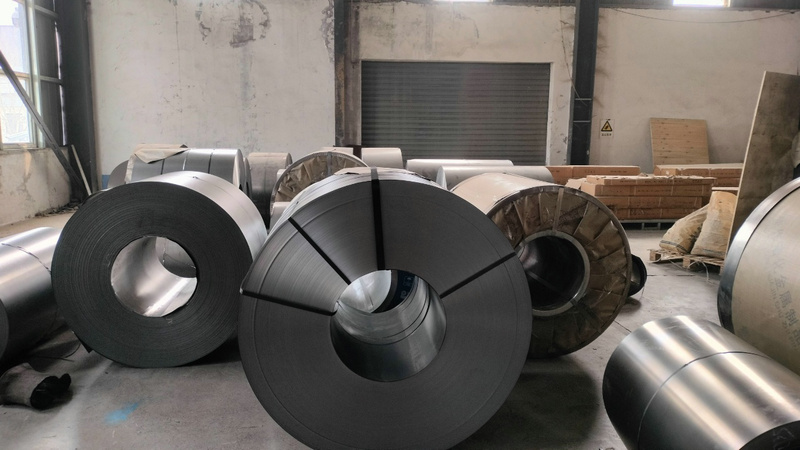
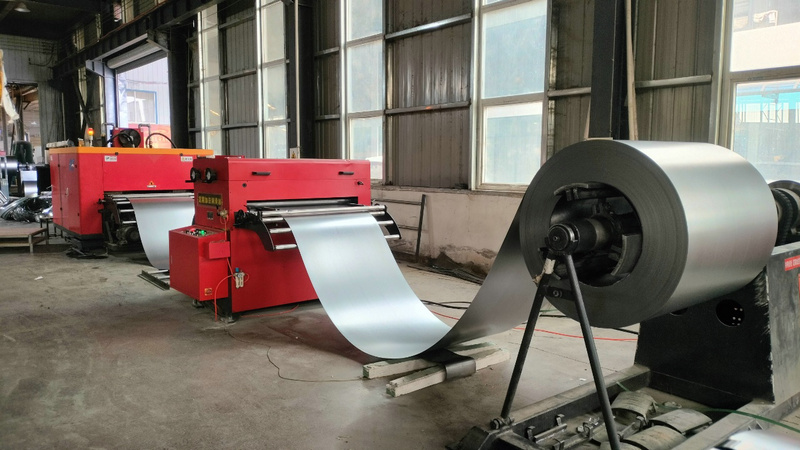
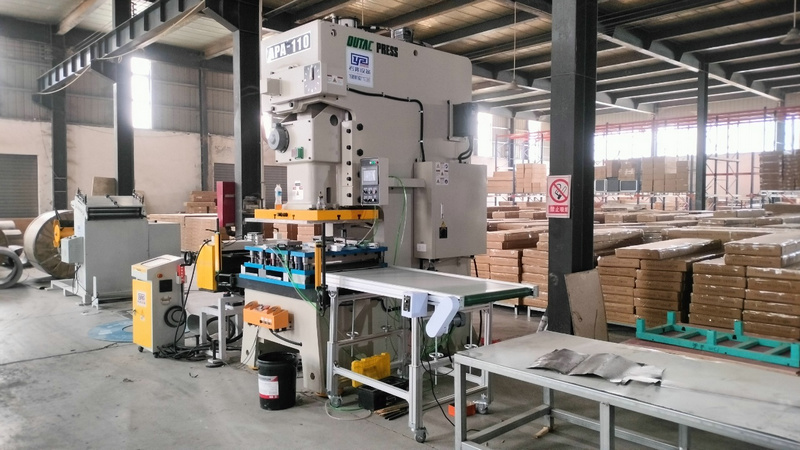
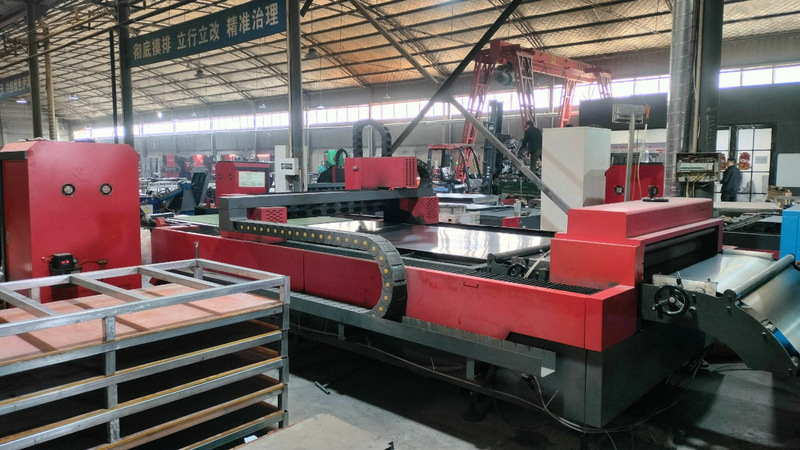
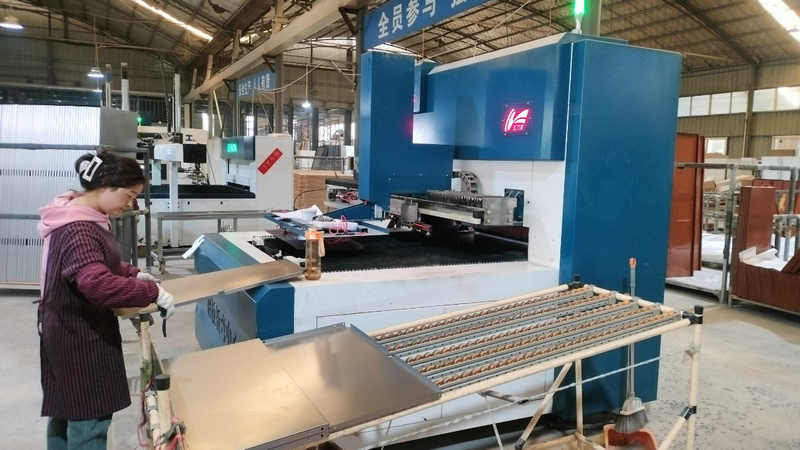
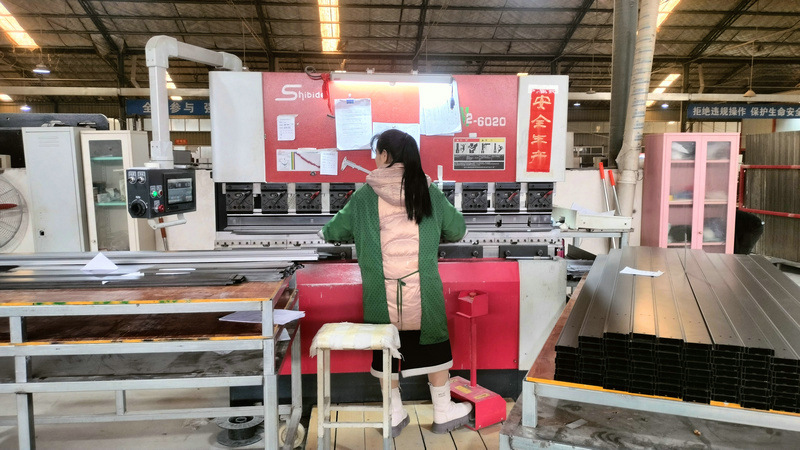
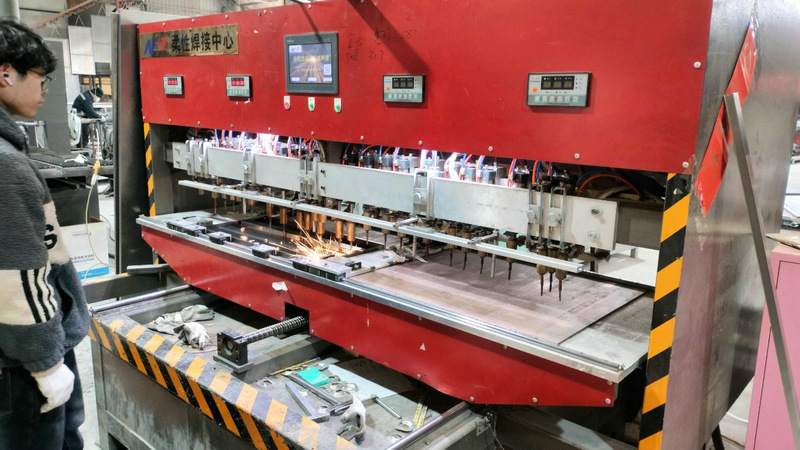
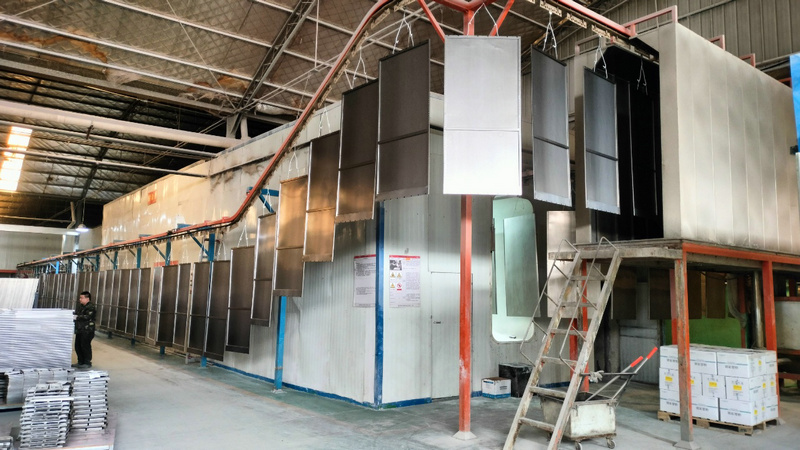
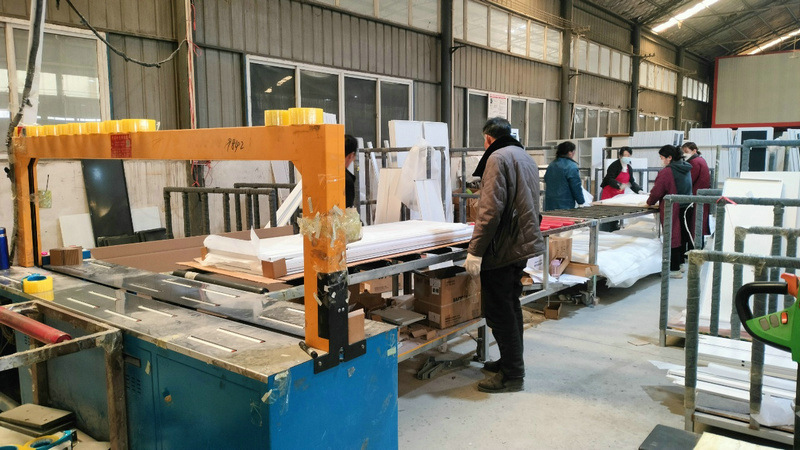
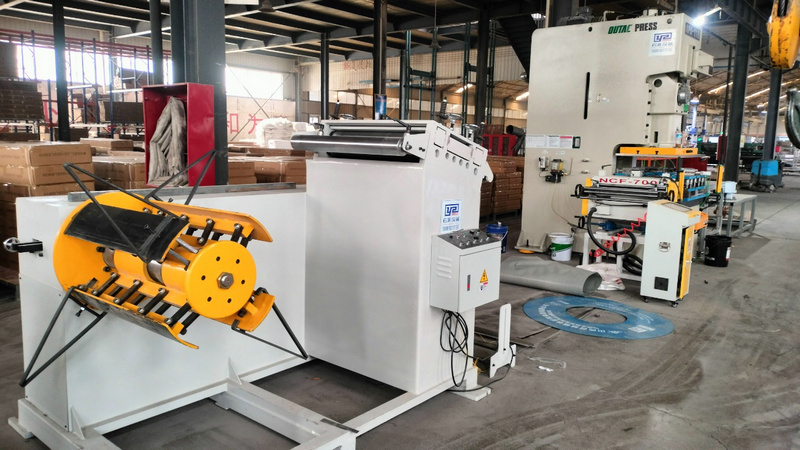
A step-by-step look at our automated production line, showing where raw structural steel is shaped into high-tolerance industrial racking components.
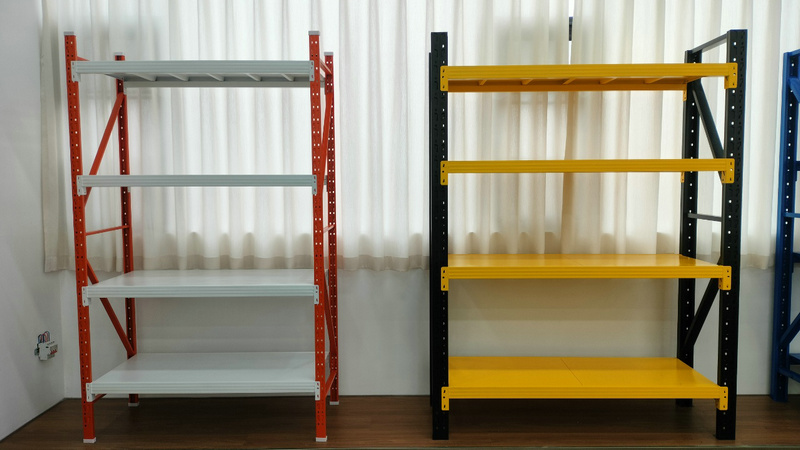
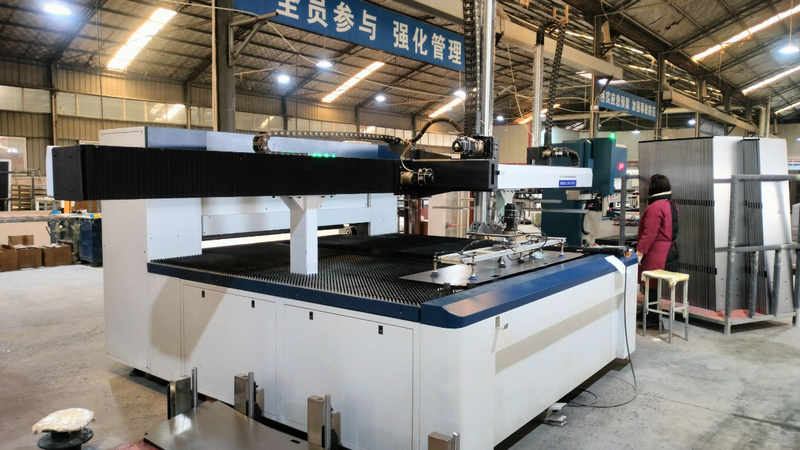
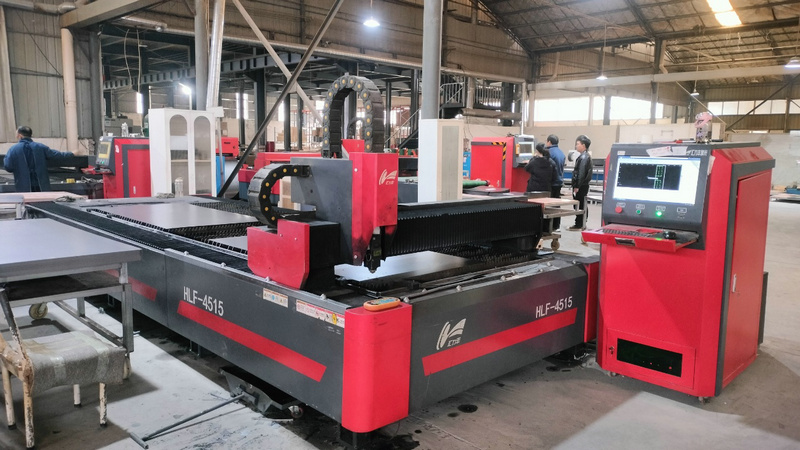
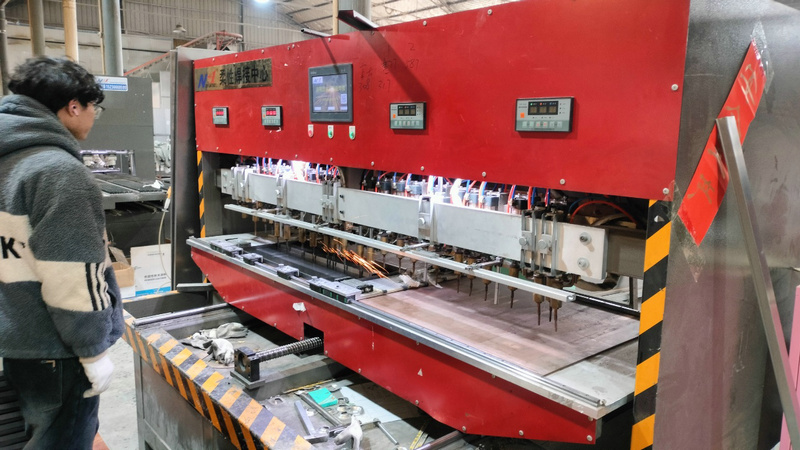
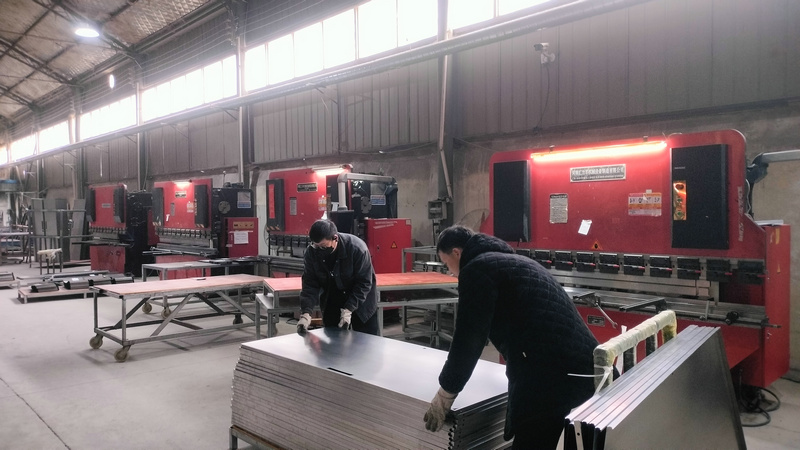
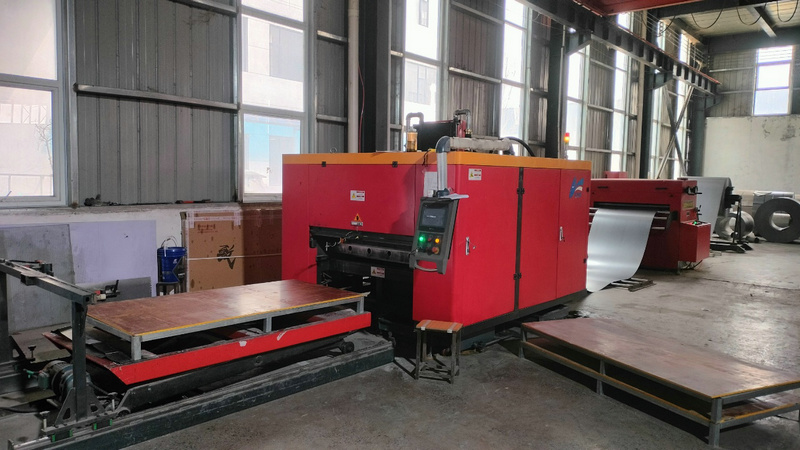
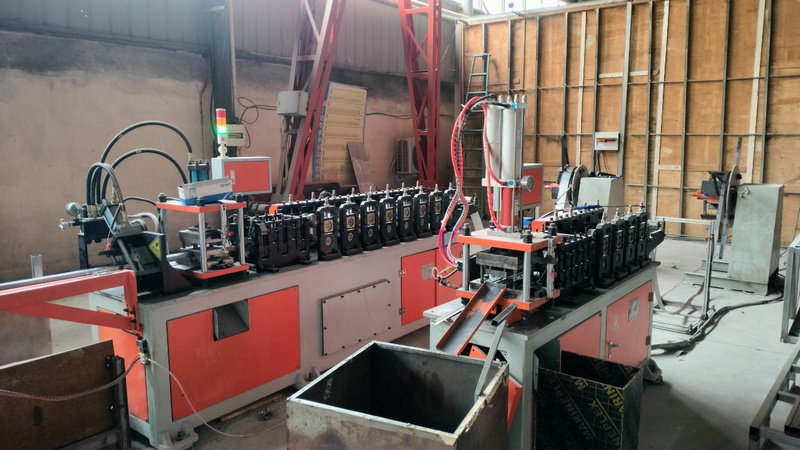
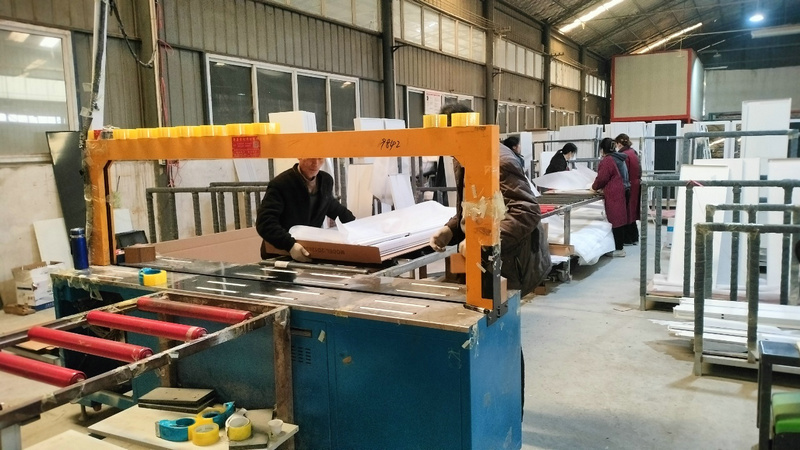
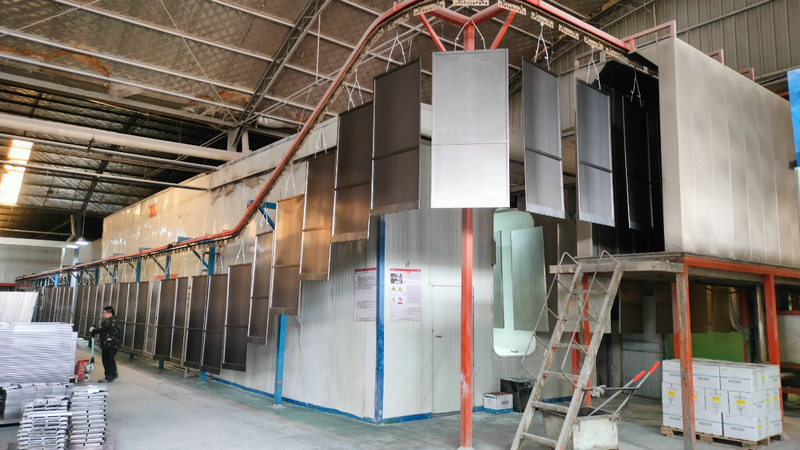
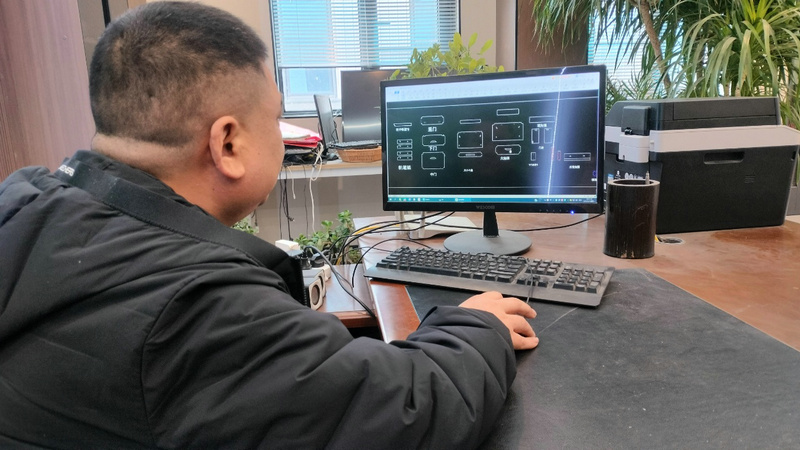
Different industrial environments require tailored storage solutions. High-volume distribution operations need racking configurations designed for their specific material handling workflows:
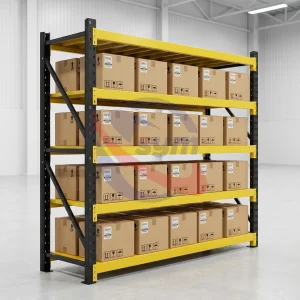
Fulfillment centers require fast installation cycles. Boltless shelving systems with quick-access, multi-tier layouts optimize vertical space, making SKU retrieval faster for high-rotation products.
Heavy manufacturing settings require rugged, reliable storage. Cold-rolled steel racking designed to hold heavy dies, sub-assemblies, and raw steel bars helps prevent column deflection and joint failure.
Sub-zero environments require corrosion-resistant coatings. Galvanized and specialized powder-coated boltless systems prevent structural rust and paint chipping in high-humidity cold storage facilities.
Procuring industrial racking at scale requires careful evaluation of safety and compliance standards. Buyers must verify that products meet regional structural requirements:
Shenzhen Shunyiming Trading Co., Ltd. ensures compliance with these international standards. Every structural layout is verified using finite element analysis (FEA) software before production, reducing field installation errors and ensuring long-term safety.
The industrial storage industry is shifting toward smart, integrated ecosystems. Future developments in boltless systems will likely focus on three main areas:
1. RFID-Tagged Smart Racking: Integrating passive RFID sensors into structural beams to monitor load levels in real time and warn operators of overloading or structural stress.
2. High-Strength Low-Alloy (HSLA) Steels: Using advanced steel chemistry to design lighter racking profiles that maintain high load capacities, reducing shipping weights and carbon footprints.
3. Automation Compatibility: Designing systems with tighter manufacturing tolerances to integrate seamlessly with automated guided vehicles (AGVs) and autonomous mobile robots (AMRs) in smart warehouses.
Expert technical answers regarding load limits, structural integrity, configuration options, and shipping protocols.
Loading capacity is determined by evaluating the unsupported upright height (vertical shelf spacing) and the thickness of the cold-rolled steel profile. At Shenzhen Shunyiming, we run dynamic finite element analysis (FEA) tests on all custom projects to ensure structural safety factors conform to ISO9001 and CE norms before manufacturing begins.
For cleanrooms, medical laboratories, and chemical storage environments, we offer specialized thermosetting epoxy powder coatings, hot-dip galvanization, and anti-static (ESD) powder finishes. These treat the steel substrate to resist moisture, mild acids, and electrostatic discharge.
Yes. Our engineering department can design multi-tier structures and walkways supported by heavy-duty boltless framing. Our team of 18 senior structural engineers works with customers to create custom structural layouts tailored to their specific building heights and floor load limits.
Standard production ranges between 20 to 30 days from final CAD blueprint approval, depending on the project scope. Our R&D team can provide initial technical drawings and structural loading specifications within 3 to 5 business days after receiving your facility layout parameters.
Heavy-duty options, document management solutions, and specialized storage designs for industrial and office environments.
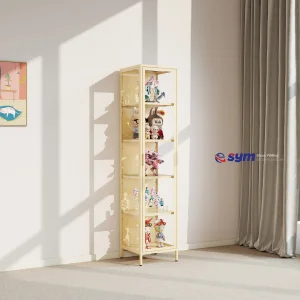
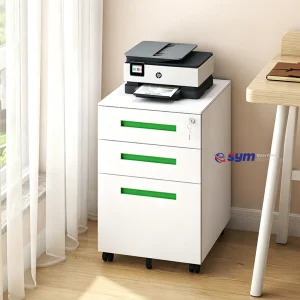
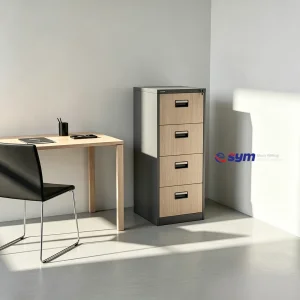
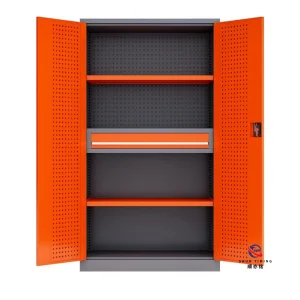
 Shunyiming Racking