Engineered for structural durability, optimal space utilization, and intense industrial loads.

The modern global supply chain network is undergoing structural changes. As international commerce transitions from "Just-in-Time" to "Just-in-Case" inventory paradigms, the demand for resilient, space-optimized warehousing infrastructures has surged. Industrial shelving and structural racking systems represent the physical backbone of this transformation. According to international market analytics, the global industrial shelving market is projected to reach USD 18.5 Billion by 2030, driven by the expansion of automated fulfillment centers, dynamic cold storage hubs, and specialized heavy-duty manufacturing environments.
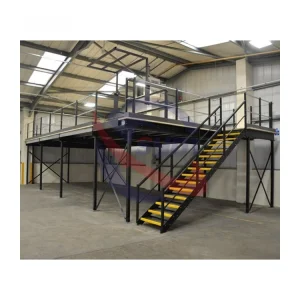
Industrial shelving systems are no longer passive iron structures. Modern global installations demand advanced structural analysis, high-strength cold-rolled steel profiles, and customized load-bearing metrics designed to withstand seismic activities, localized microclimates, and aggressive chemical exposures. From heavy-duty cantilever racks supporting structural steel profiles to sophisticated mezzanine platforms utilizing vertical volumetric space, manufacturers must provide solutions that balance raw weight-bearing capacity with dynamic layout flexibility.
Furthermore, local regulatory standards—such as RMI (Rack Manufacturers Institute) in the United States, EN 15512 codes in the European Union, and localized seismic guidelines—require exporters to implement stringent engineering controls. Selecting a tier-one industrial shelving manufacturer involves evaluating not just raw material pricing, but their structural engineering methodology, metallurgical traceability, and advanced powder-coating standards.
The convergence of logistics automation and materials engineering is redefining warehousing infrastructure.
Next-generation racking profiles utilize SPCC and SGCC cold-rolled steel modified with trace elements. This enables structural weight reductions of up to 15% without sacrificing vertical load-bearing capability. Our dynamic structural engineering calculations ensure optimal stress-strain response curves.
Seismic mitigation engineering is critical for regions like North America, Europe, and the Middle East. Through Finite Element Analysis (FEA) and specialized baseplate configurations, modern industrial structures are simulated under intensive vibration spectrums to guarantee structural integrity.
Modern racking systems must integrate seamlessly with Automated Storage and Retrieval Systems (ASRS). Structural tolerances are reduced to +/- 1.5mm, and tracks are designed to support high-speed robotic shuttles, enhancing automated order fulfillment speed and safety.
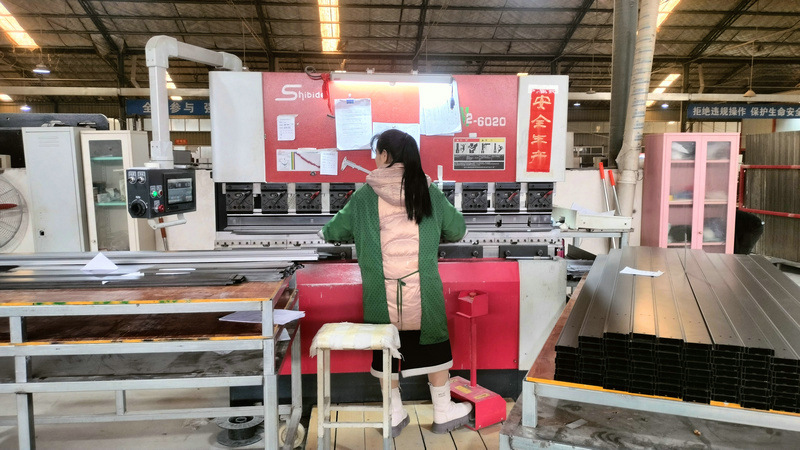
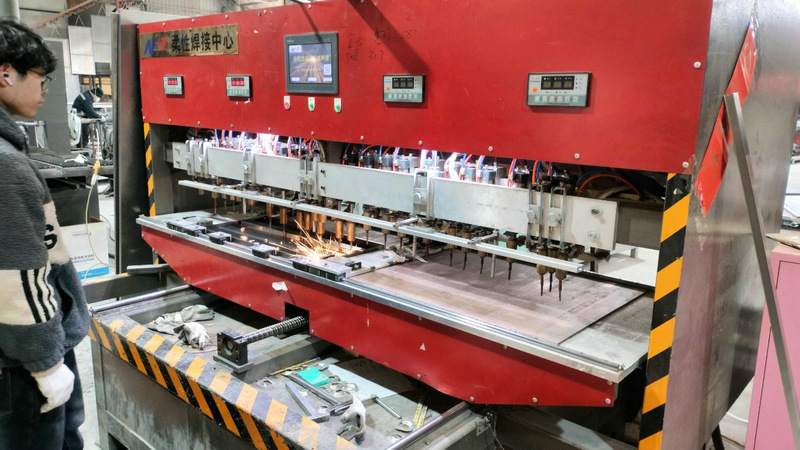
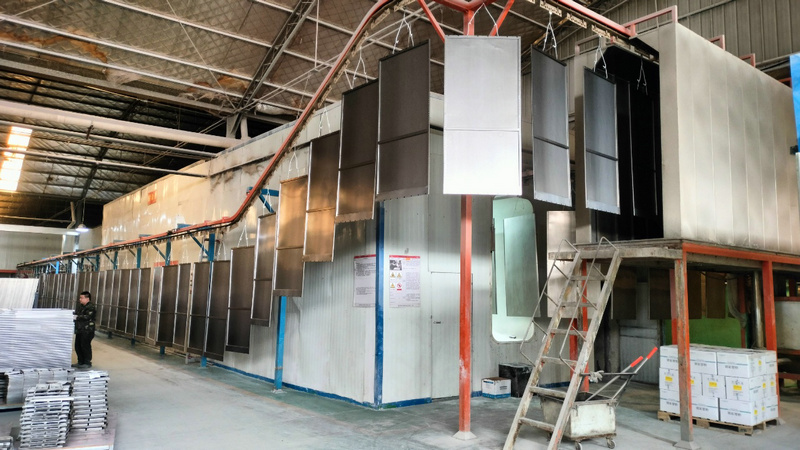
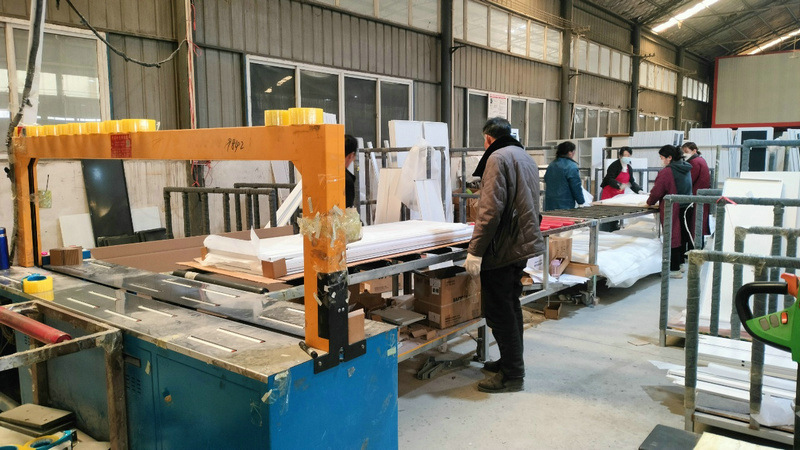
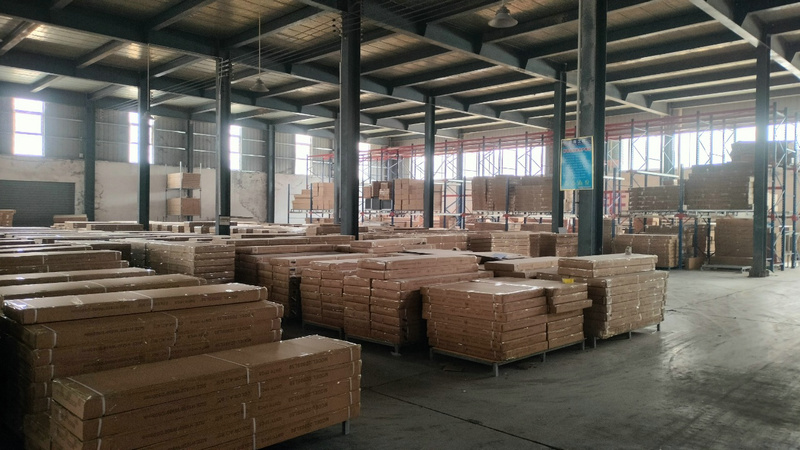
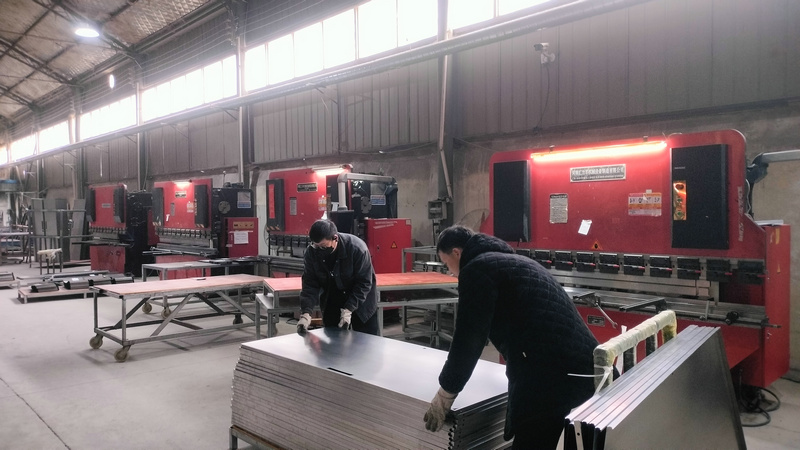
Structural failure in a high-density warehouse environment is a high-risk liability. To prevent catastrophic material degradation, our manufacturing operations feature end-to-end automation and traceability. From raw material receipt to electrostatic thermosetting powder coating, every stage undergoes quality checks.
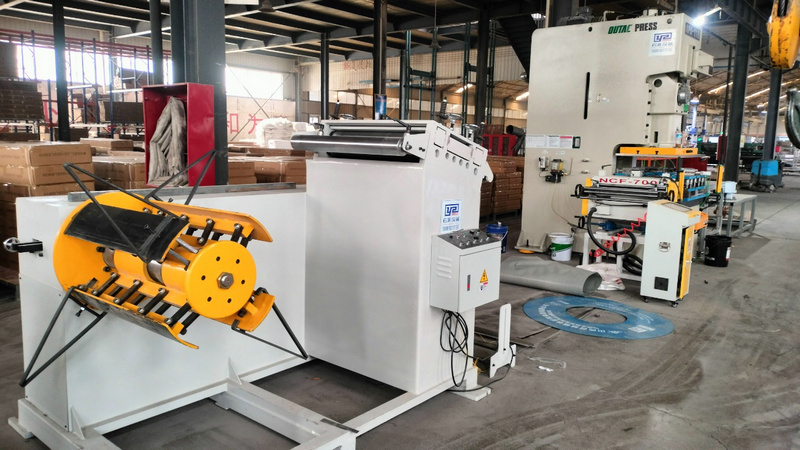
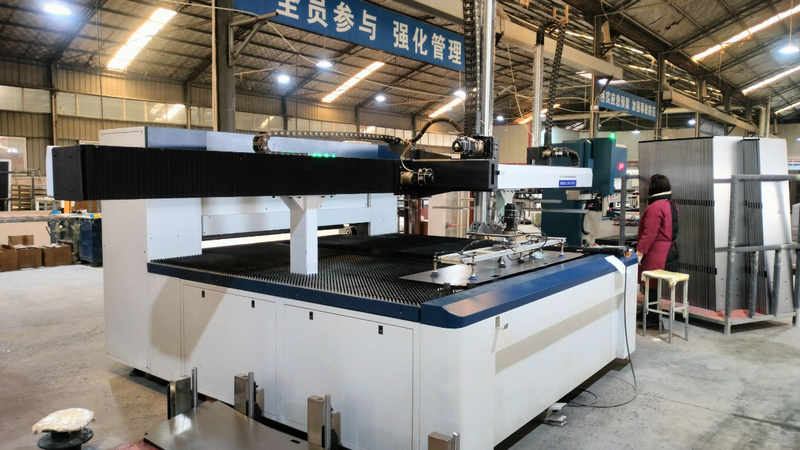
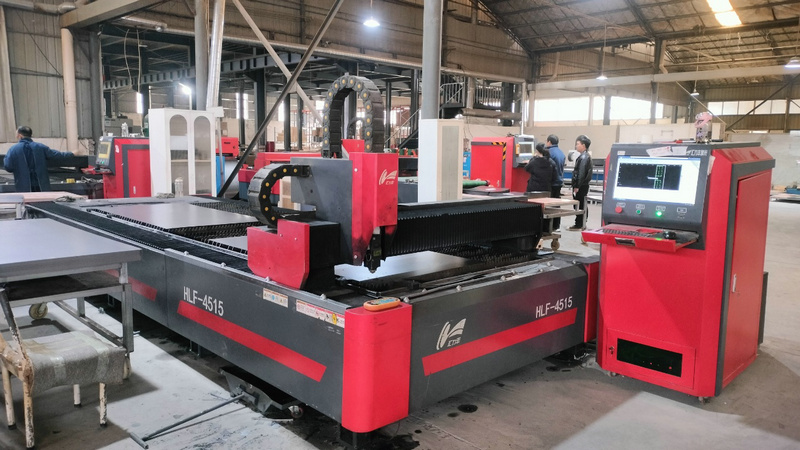
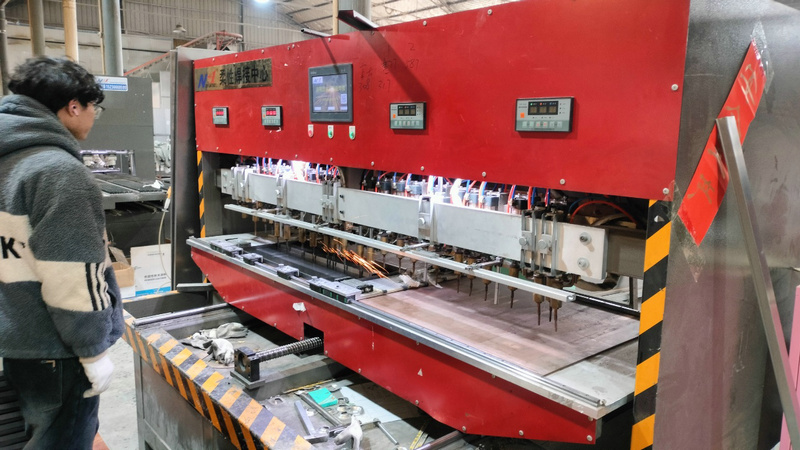
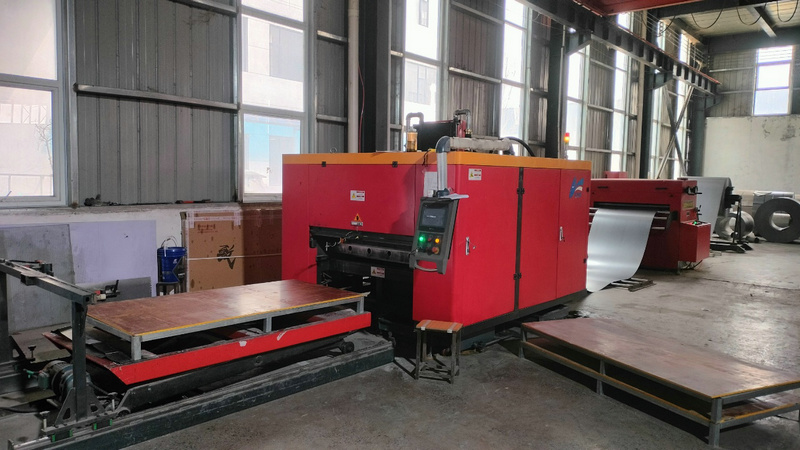
Our facility features high-speed continuous profiling rolling mills, automated CNC laser cutters, and multi-point robotic welding stations. Automated cold rolling ensures consistent thickness and high structural straightness of upright columns. We strictly monitor welding penetration depth to eliminate air pockets and structural weak spots.
Surface preparation is key to preventing oxidation in cold storage or humid facilities. Every steel profile goes through multi-stage chemical pretreatment, including degreasing, pickling, and phosphating, followed by electrostatically applied epoxy-polyester powder coating. The resulting surface resists impacts, abrasions, and chemical spills.
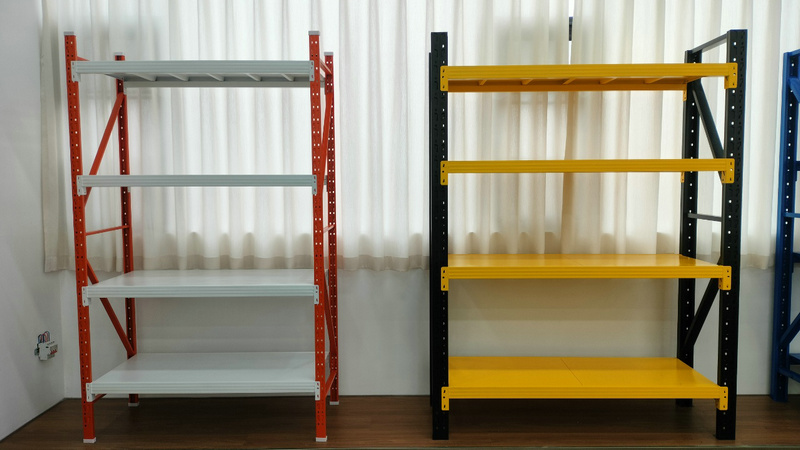
A transparent look at our specialized production processes, ensuring quality from steel coils to finished racking units.
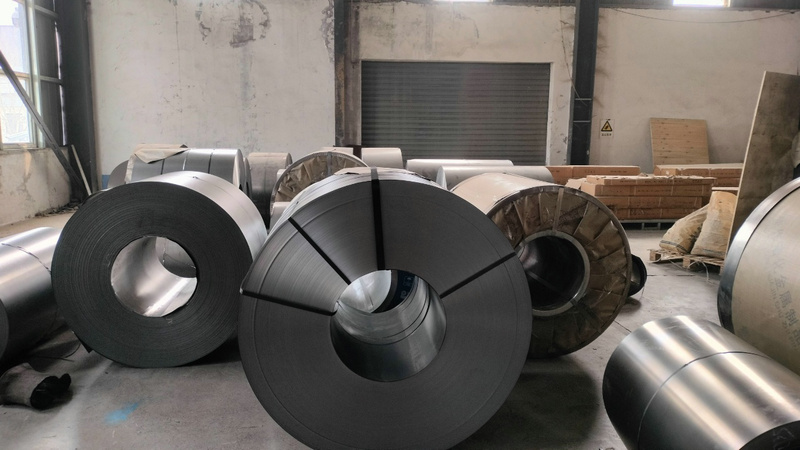
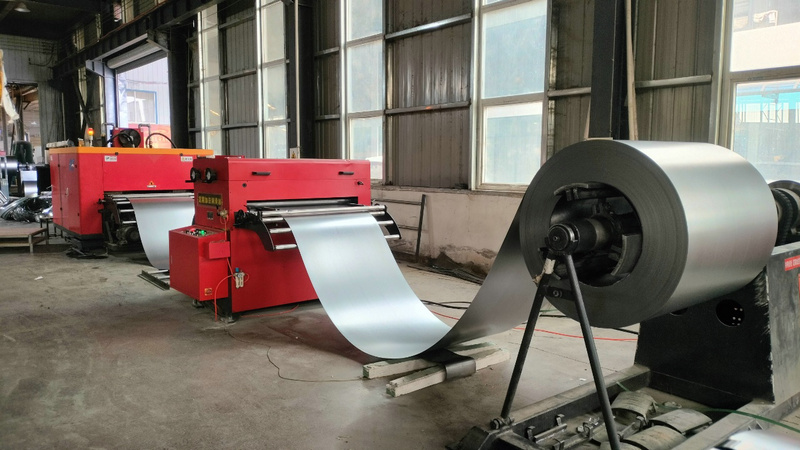
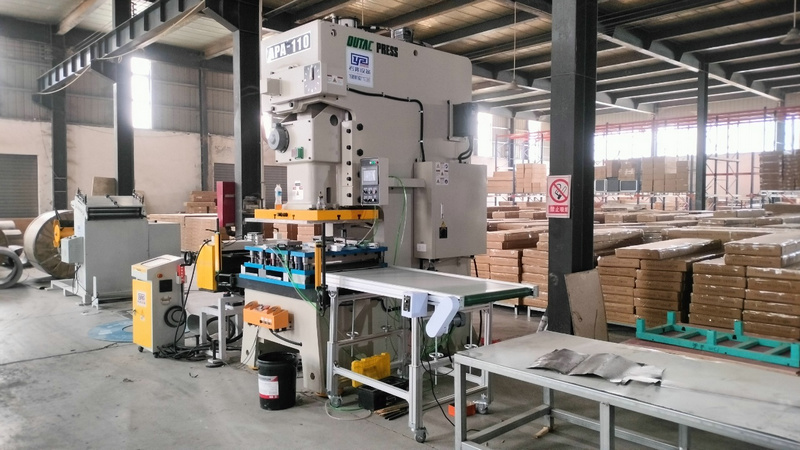
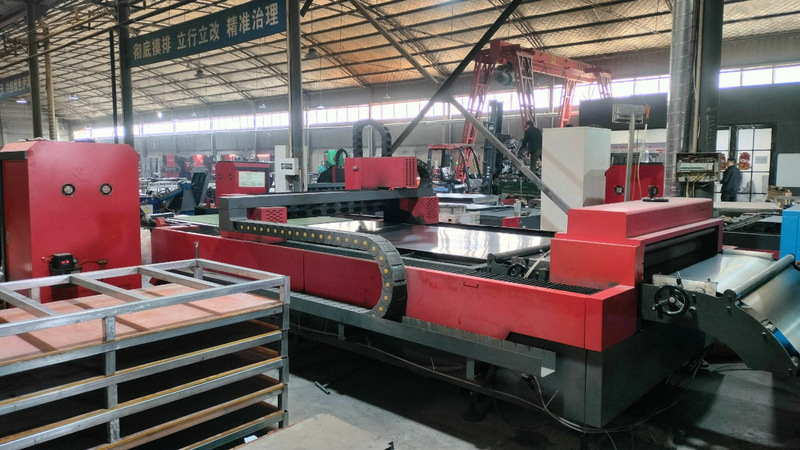
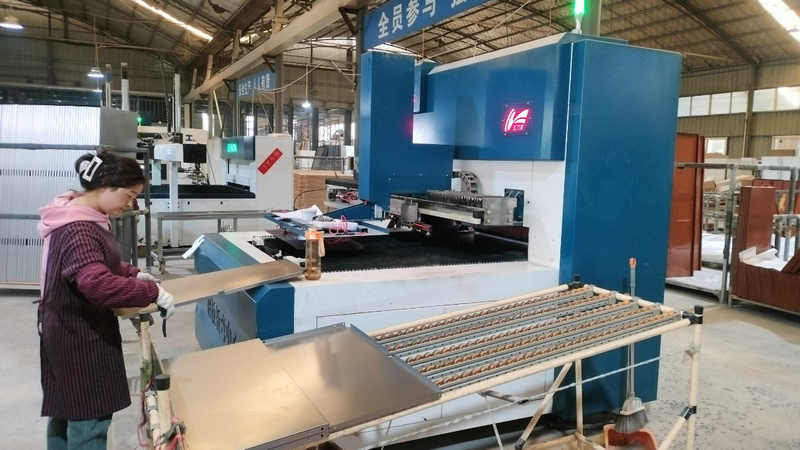
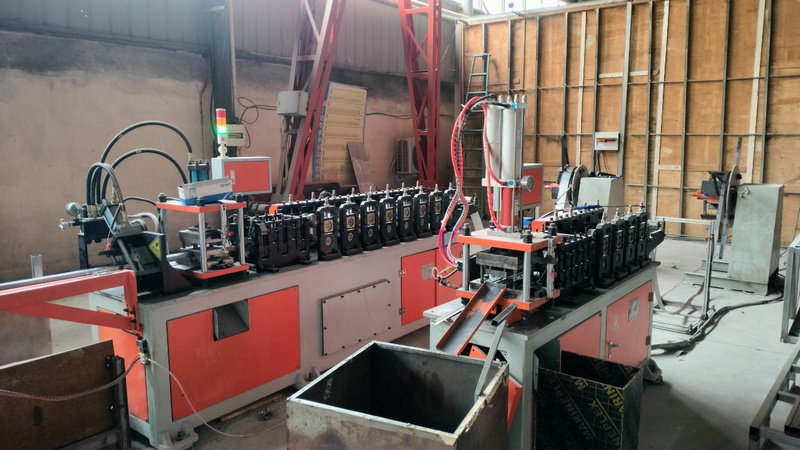
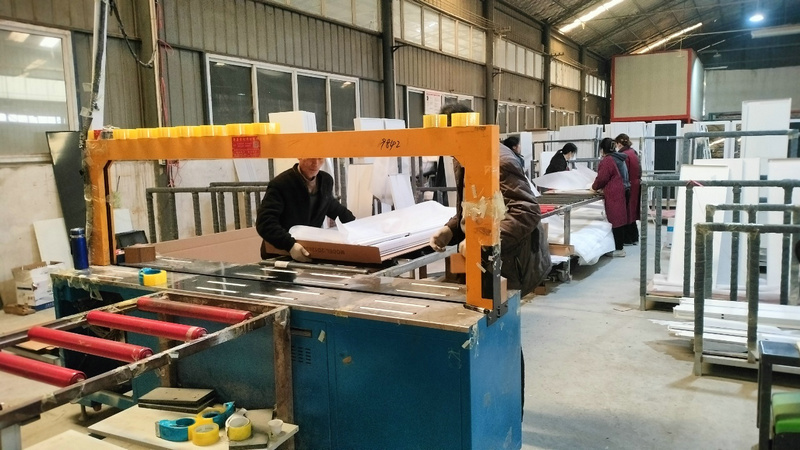
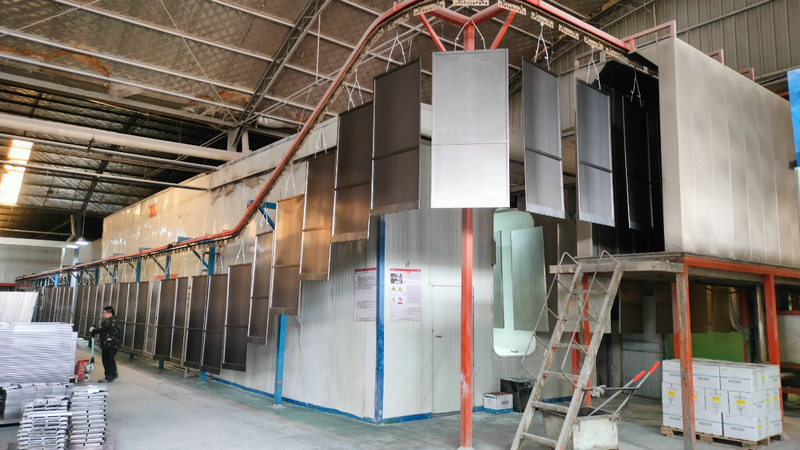
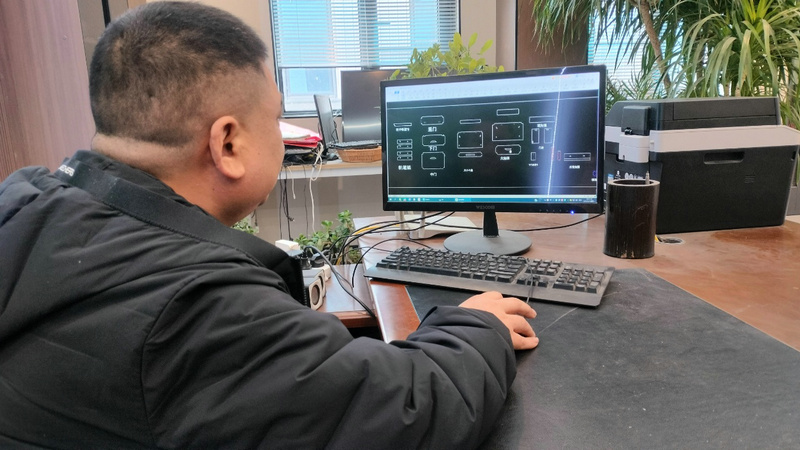 Integrated Structural CAD/FEM Design Process Verification
Adapting industrial storage infrastructure to meet specific market regulations and environmental conditions.
Operating in sub-zero environments (down to -30°C) requires specialized low-temperature carbon steel to prevent structural brittleness. Racks must support high-density configurations like Drive-In or Shuttle systems to maximize thermal efficiency and minimize refrigeration footprints.
Fulfillment hubs prioritize rapid item access and high inventory rotation rates. This requires selective racking systems, pick-modules, and multi-tier mezzanine platforms integrated with barcode or RFID scanners to optimize sorting speeds.
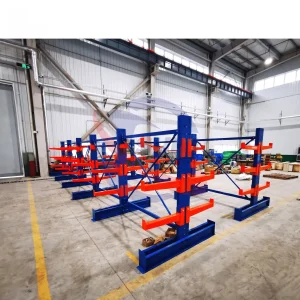
Heavy-duty tooling, machinery manufacturing, and steel roll profiles require high load capacities (up to 4,000 kg per level). Our custom heavy-duty cantilever racks and structural platforms meet strict tender specifications for safety and weight distribution.
Direct answers from our senior structural engineering division regarding dynamic loads, standards compliance, and project procurement.
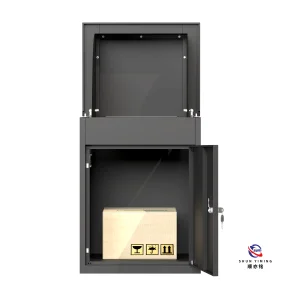
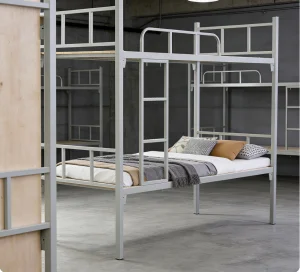
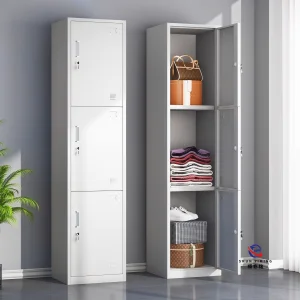
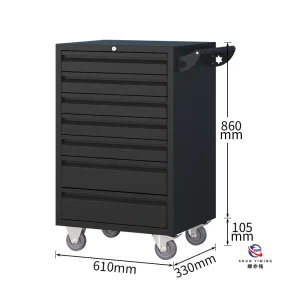
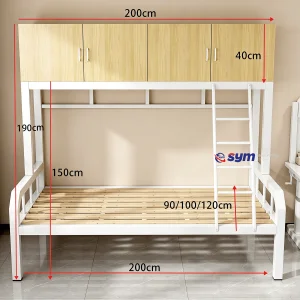
High-grade commercial tool carts, customized platforms, and heavy-duty steel bed frames.
 Shunyiming Racking