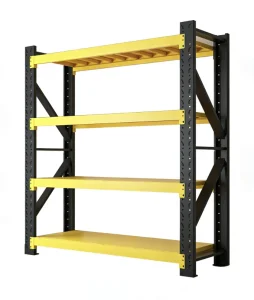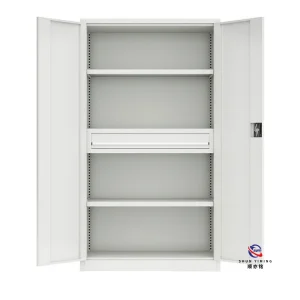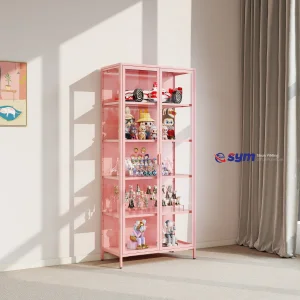
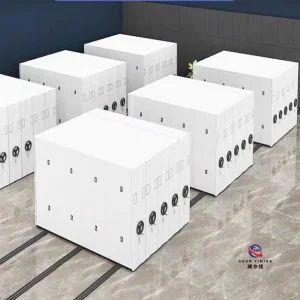
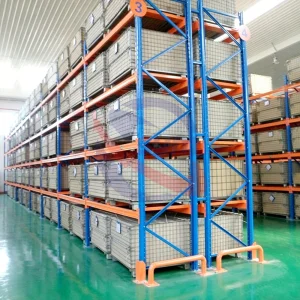
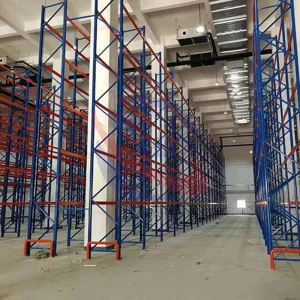
In the era of hyper-optimized supply chains and rapid automated fulfillment, selecting the right industrial racking, mezzanine platforms, and commercial steel storage systems is critical to enterprise scale. Storage platforms are no longer passive equipment; they are dynamic architectural elements that directly influence throughput efficiency, workspace safety, and space utilization.
Mezzanines and multi-tier storage systems utilize unused headroom, doubling or tripling storage square footage without altering the facility's outer physical footprint.
Engineered storage platforms must adhere to rigid specifications including EN 15512 (FEM 10.2.02), RMI (MH16.1), and AS4084-2012 for structural safety under full load capacity.
Modern production facilities demand flexibility. Scalable boltless, structural, and mobile systems allow rapid reconfiguration as warehousing demands evolve.
Established in 2015, Shenzhen Shunyiming Trading Co., Ltd. is a premier manufacturer and global supplier specializing in heavy-duty industrial racking and smart warehouse storage systems. Operating out of a state-of-the-art facility spanning over 32,000 square meters, we bring over 14 years of deep industry expertise and 8 years of dedicated international trade experience to the global market. Driven by innovation, our annual export revenue has reached USD 28 million, serving clients across North America, Europe, Southeast Asia, and the Middle East.
At Shenzhen Shunyiming, quality and structural integrity are paramount. Supported by a robust network of more than 800 supply chain partners, we cater primarily to global logistics hubs, large-scale enterprise warehouses, industrial distributors, and e-commerce fulfillment centers. Our dedicated quality control team of 45 certified inspectors enforces rigorous testing protocols—including full raw material incoming inspection, automated online weld integrity monitoring, and heavy load-capacity stress tests—ensuring every racking system meets international safety standards like ISO9001 and CE.
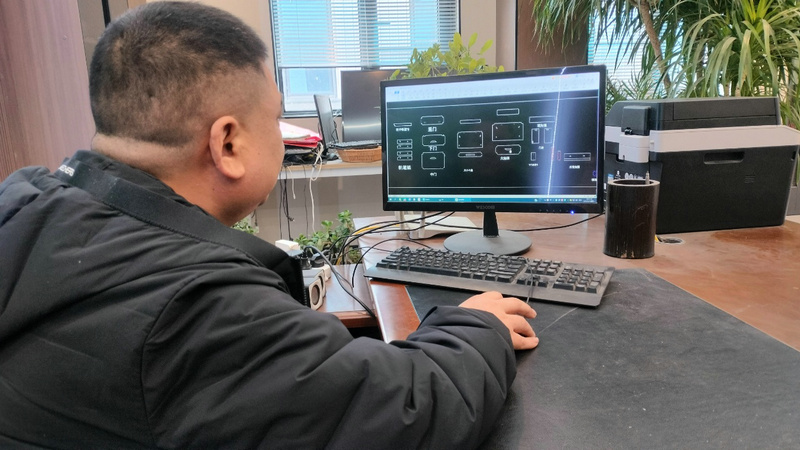
Innovation is deeply embedded in our operations. Our end-to-end foreign trade expertise and strong R&D department, staffed by 18 senior structural engineers, enable full OEM/ODM customization. From dynamic load calculations and custom dimensions to specialized anti-corrosion powder coatings and seismic-resistant layouts, we deliver tailor-made solutions. In the past year alone, our R&D team successfully introduced 65 new product designs to help our clients optimize warehouse footprint and operational efficiency.
The industrial warehousing landscape is transforming rapidly. Global manufacturers must transition from basic static iron configurations to smart, structurally optimized, and environmentally friendly solutions. Here are the macro trends shaping the procurement choices of Fortune 500 logistics firms.
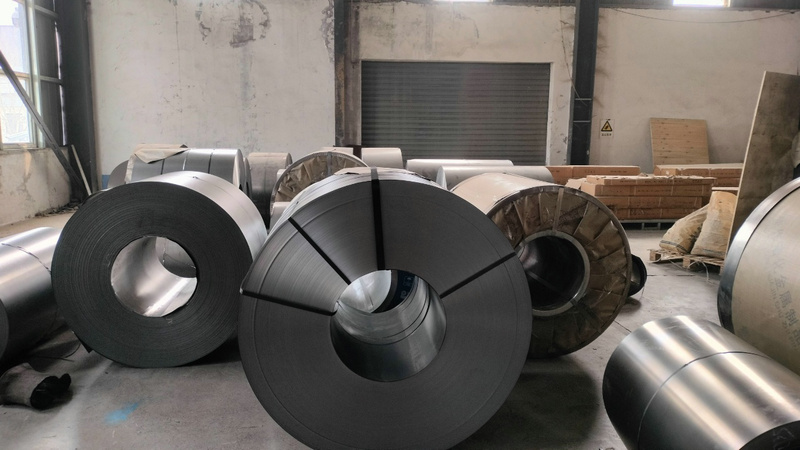
Traditional static racking is increasingly giving way to racking systems designed specifically to work with robotic shuttles and automated stacker cranes. These installations demand strict tolerance configurations (often within ±1mm variation) to prevent automation jams. Structural columns must be constructed from cold-rolled structural steel (Q235B or Q355) to guarantee physical deflection limits remain within standard AS/RS operating range.
With extreme weather and seismic events on the rise globally, structural engineers must execute Finite Element Method (FEM) analysis on all large installations. Industrial platforms must be anchored utilizing seismic-rated baseplates and high-strength chemical anchors. This ensures that load structures can handle localized acceleration factors without collapsing.
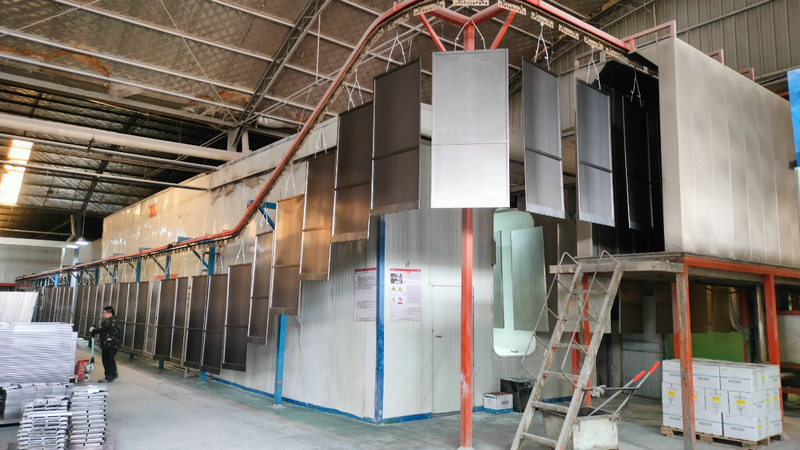
Environmentally friendly electrostatic powder coatings that emit zero volatile organic compounds (VOCs) are now mandatory for European and North American buyers. Zinc-rich primer coating paired with specialized epoxy-polyester coatings ensures long-lasting resistance against industrial humidity, chemicals, and mechanical abrasions.
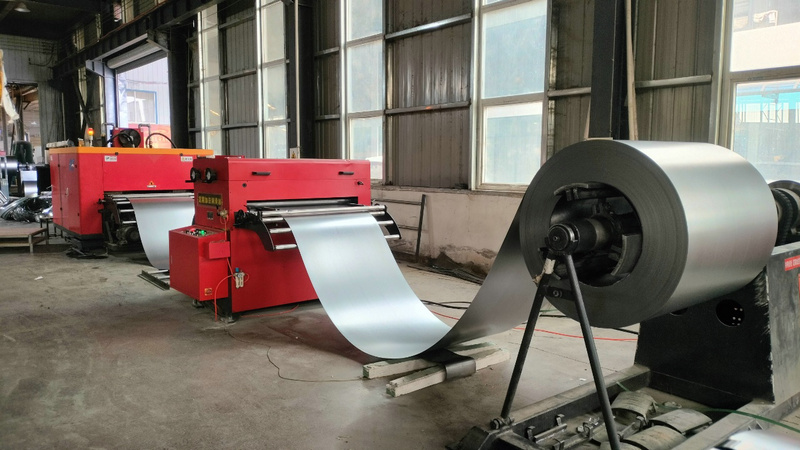
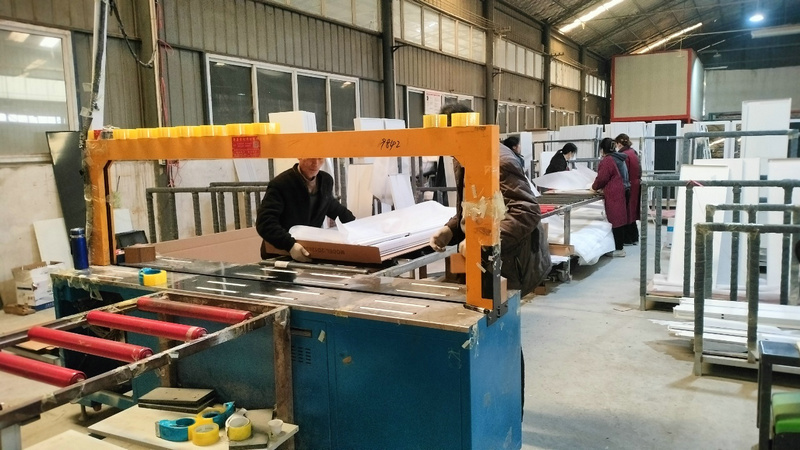
Our state-of-the-art production line utilizes heavy industrial CNC machinery, automated laser cutting systems, and high-frequency welding lines to manufacture platforms conforming to ISO 9001 and CE certifications.
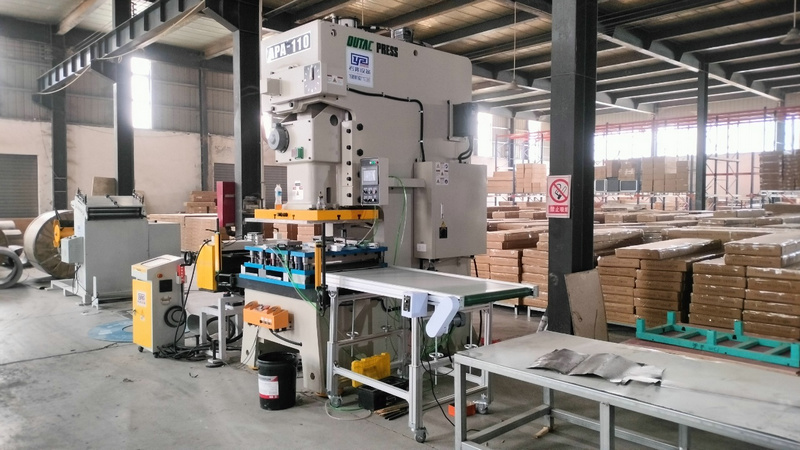
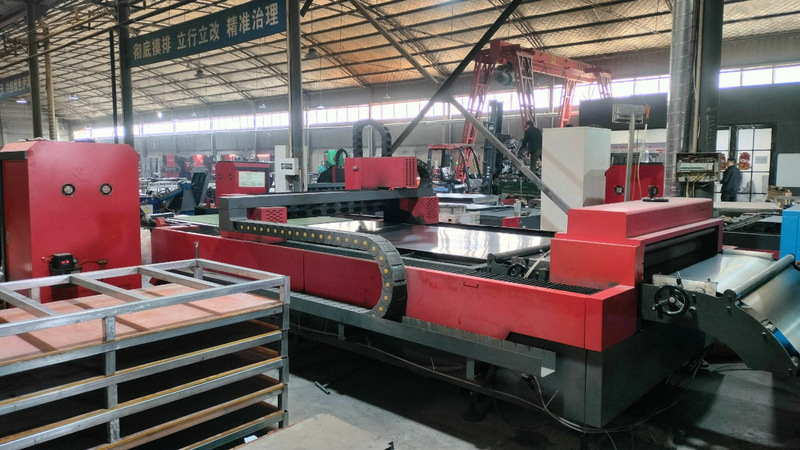
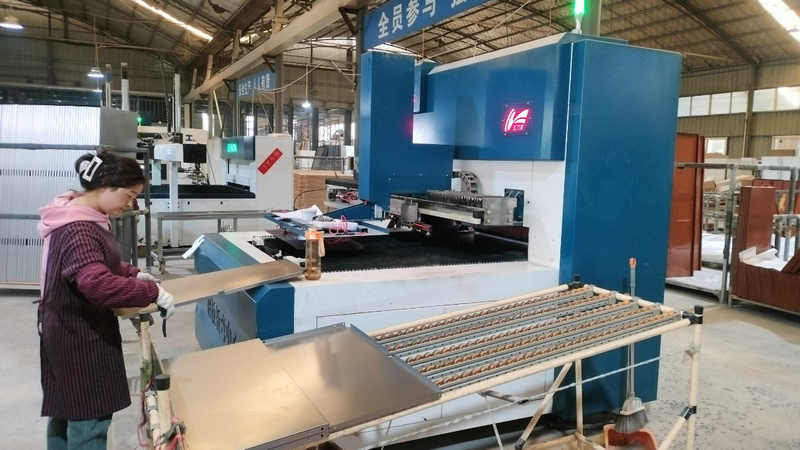
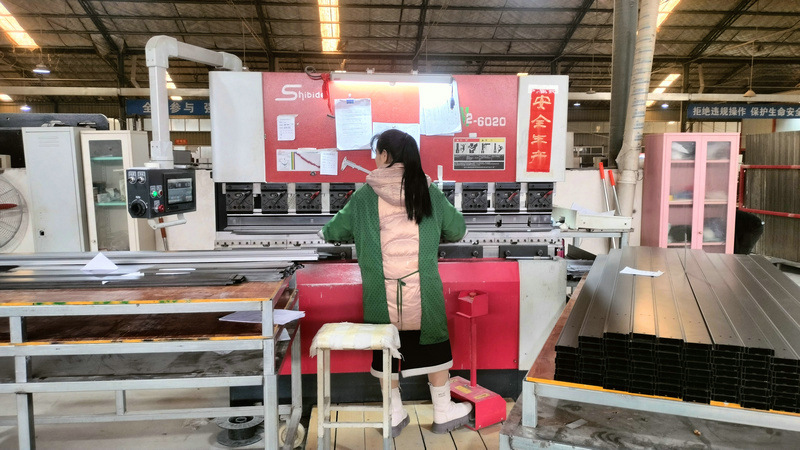
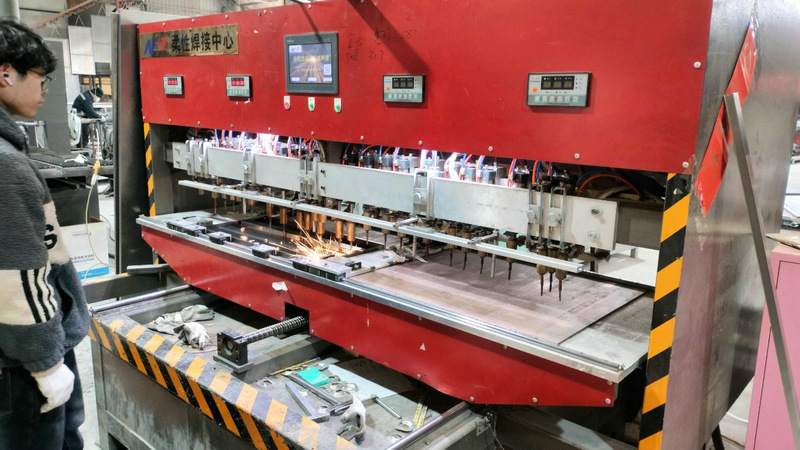
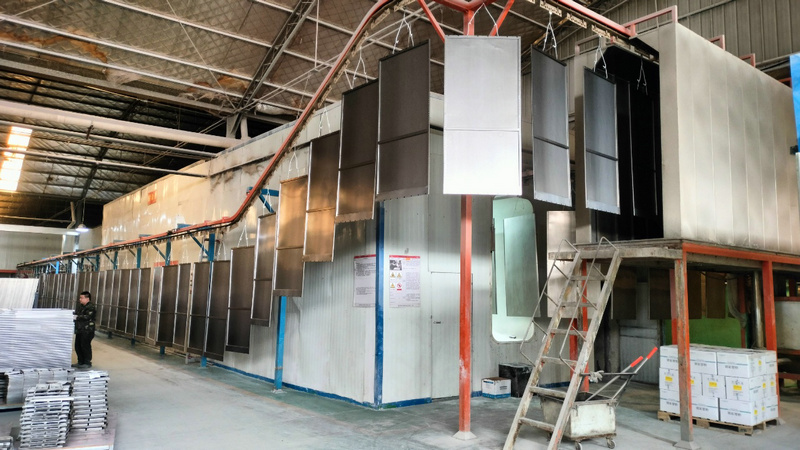
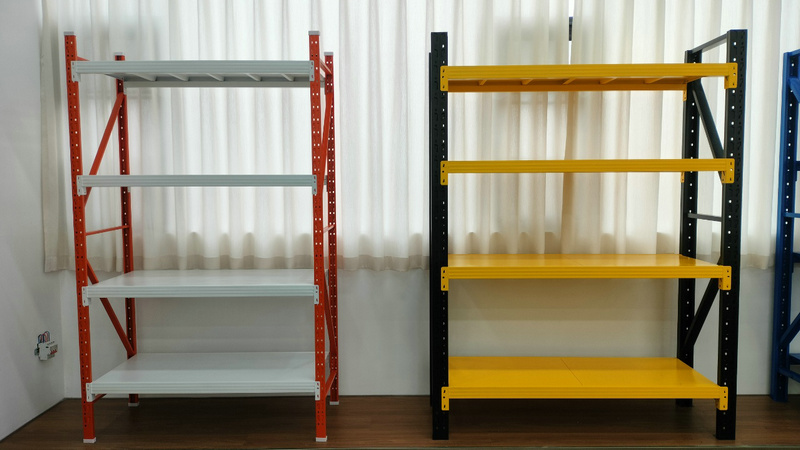
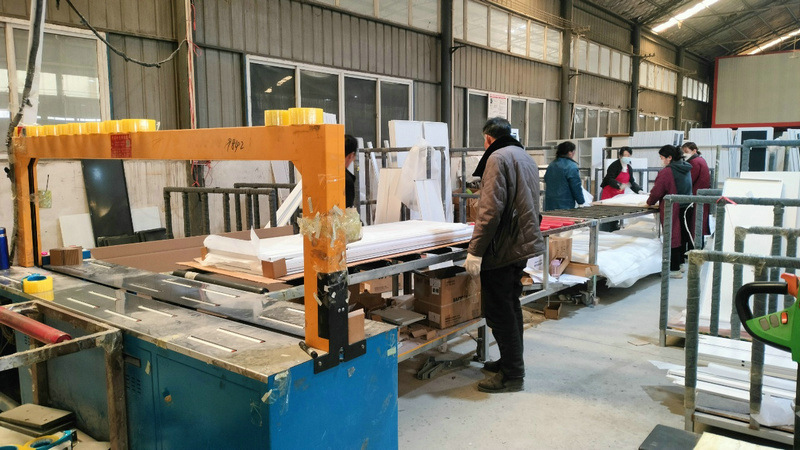
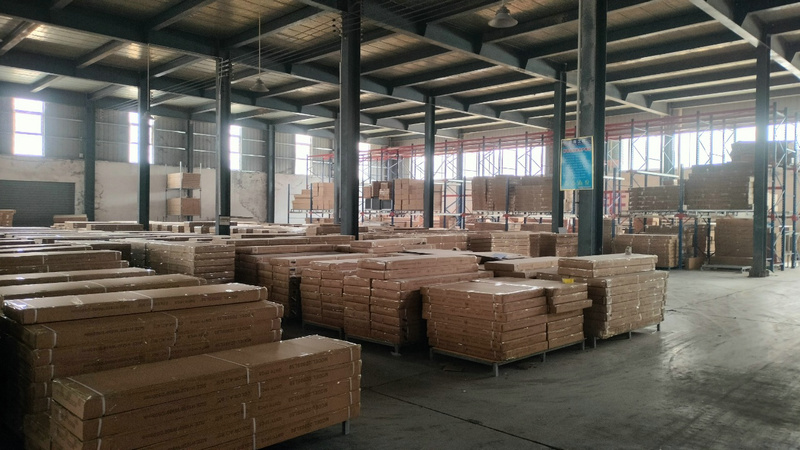
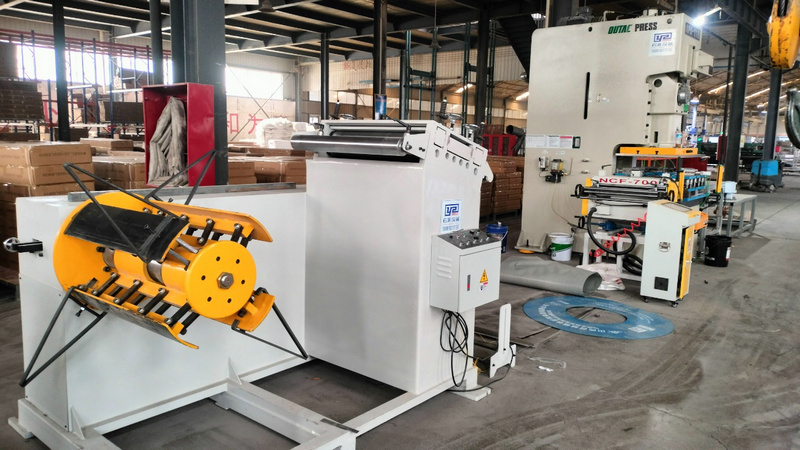
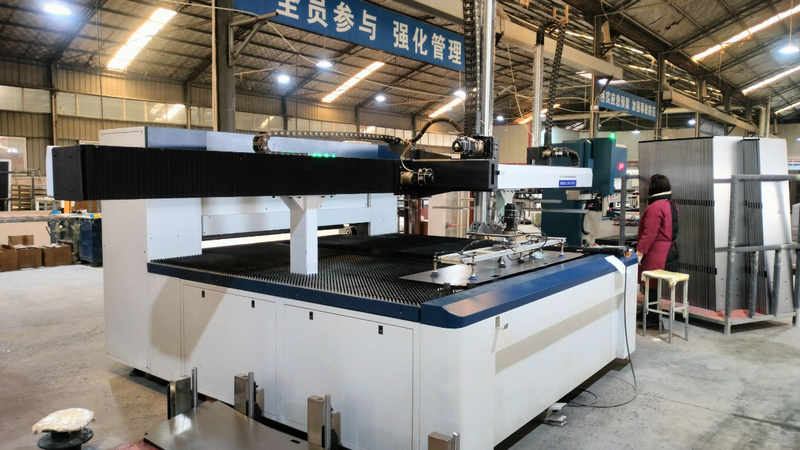
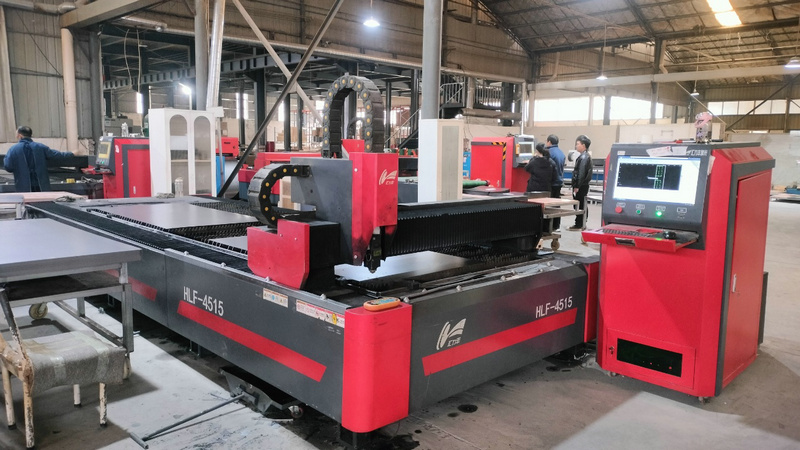
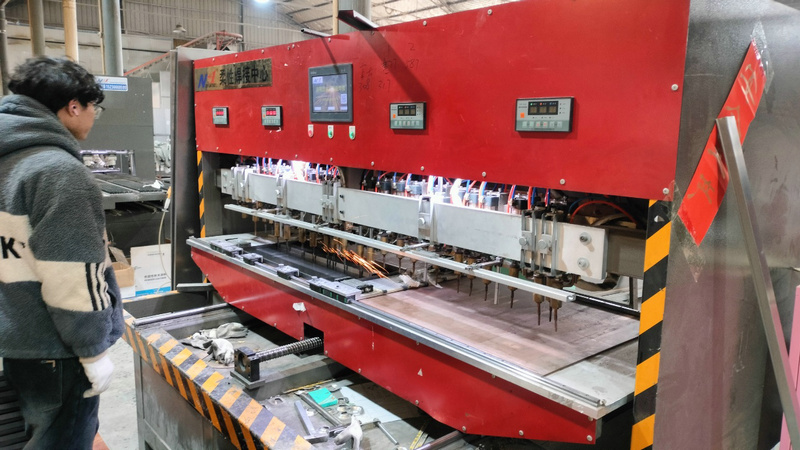
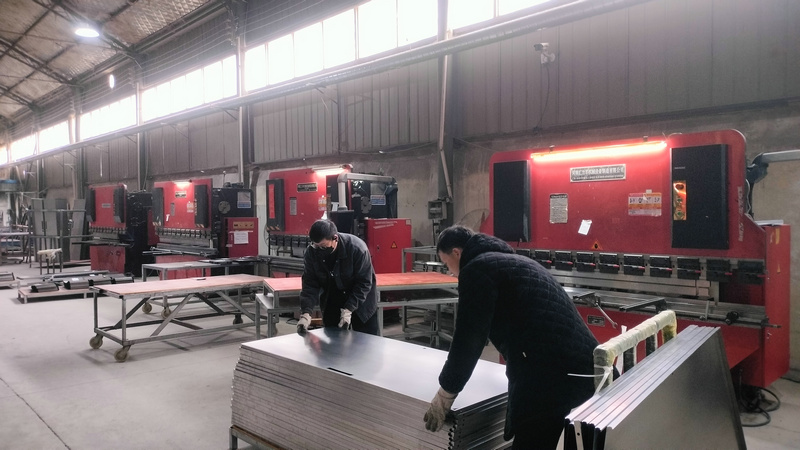
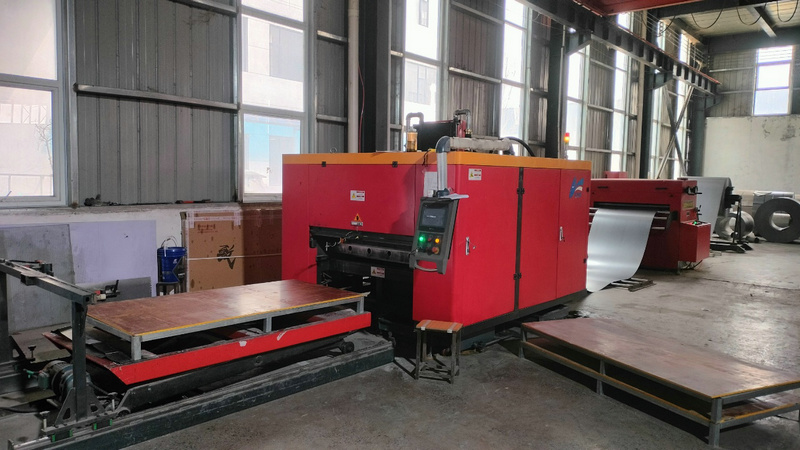
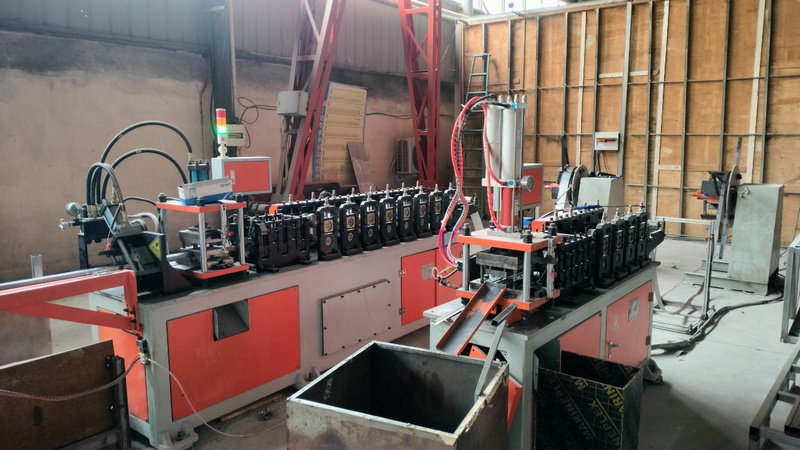
Procuring heavy steel structures requires seamless local custom clearances, installation certifications, and layout validations. Global regulations define the minimum thresholds for structural integrity.
Compliance with EN 15620 for automated crane operations, and FEM 10.2.02 detailing specifications for static steel pallet racking platforms.
Adherence to the ANSI MH16.1 Design, Testing, and Utilization Specification for Industrial Steel Storage Racks, verified via local PE (Professional Engineer) certification.
Australian-compliant structural baseplate tolerances and load limitations, ensuring security and compliance under intense work conditions.
Shenzhen Shunyiming Trading Co., Ltd. continuously invests in advanced structural modeling, smart monitoring components, and advanced anti-corrosion science to lead the industrial platform space.
By integrating strain gauge sensors directly into heavy-duty upright frames, our future platform iterations will feature real-time load monitoring alerts. Overloading or impact-induced damage will trigger immediate software notifications, mitigating structural failure hazards.
For projects situated in active fault zones (such as dynamic ports in South America and Japan), we are patenting a baseplate design featuring a self-recovering energy dampener, capable of neutralizing up to 30% of horizontal ground displacement forces.
To cater to food-grade cold chain storage environments, our R&D division is finalizing antimicrobial coatings that resist moisture condensation damage down to -40°C without shedding paint micro-particles.
Explore answers to technical questions concerning manufacturing standards, space engineering, and bulk procurement.
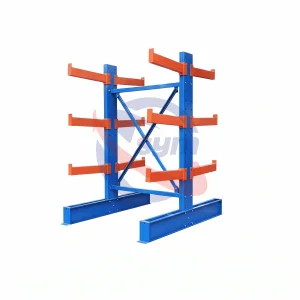
 Shunyiming Racking