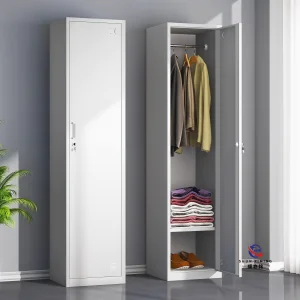
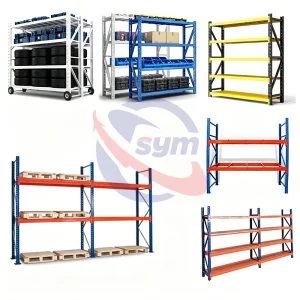
Discover our comprehensive range of high-durability cold storage, warehouse structural racks, and automated smart locker systems built for heavy-duty commercial deployment.
As dynamic urban markets demand real-time cold chain integrity for pharmaceuticals, fresh perishables, and biological agents, the design threshold for cold storage warehouses has reached unprecedented engineering levels. Standard industrial racking configurations fail to address thermal contraction stresses, low-temperature structural embrittlement, and dynamic seismic loads characteristic of freezing environments. This whitepaper analyzes the mechanical principles, metallurgy, and smart logistical paradigms defining the future of sub-zero logistics operations.
Modern sub-zero environments rely heavily on Automated Storage and Retrieval Systems (AS/RS) and radio shuttle systems. Maximizing cubic volume reduces overall cooling footprints, decreasing electrical overheads by up to 35% compared to traditional reach-truck layouts.
Standard carbon steel becomes brittle under intense cold. Advanced cold storage racks leverage Q355B and Q355D steel grades, rich in alloy stabilizers, designed to prevent micro-fracturing at temperatures ranging down to -40°C.
Frequent humidity flux during door openings generates persistent condensation. Specialized electrostatic powder coatings (cured at high temperatures) and hot-dip galvanization techniques prevent oxidation, securing 20+ years of active structural life.
Cold chain infrastructure presents unique operational challenges that go far beyond standard warehouse storage. Within a sub-zero facility, steel structures undergo thermodynamic changes that directly impact load capacity and structural safety. Standard hot-rolled and cold-rolled steel profiles are susceptible to the ductile-to-brittle transition temperature (DBTT) phenomenon. As the ambient temperature drops, the impact strength of the steel decreases significantly, rendering it prone to sudden brittle failure under normal mechanical stress.
"At Shenzhen Shunyiming Trading Co., Ltd., our R&D structural engineers design cold storage racking systems using premium Q355D steel alloys. By incorporating manganese and other refining elements, we maintain structural ductility and ensure stable load distributions even during localized seismic events or forklift impacts at -30°C."
Moreover, the design of dynamic high-density storage, such as Drive-In, Push-Back, Pallet Flow, and Automated Radio Shuttle Racking, must account for thermal expansion and contraction. Bolted connections are engineered with precise tolerances, and upright frames are reinforced using dual-anchor baseplates. Without specialized thermal compensation, the temperature fluctuations experienced between the installation phase (ambient temperature) and operational phase (deep freeze) can cause structural distortion, frame misalignment, and ultimate load failure.
B2B procurement professionals representing international logistics enterprises, pharmaceutical vaults, and large retail distribution networks evaluate racking systems on three primary metrics: compliance, safety, and durability. Designing racks for North America, Europe, and the Middle East requires strict adherence to international safety standards, including:
Shenzhen Shunyiming’s international team bridge the gap between regional building codes and industrial production. By offering dynamic Finite Element Analysis (FEA) on every customized rack project, our engineers verify structural compliance before raw steel is even rolled.
Based in Shenzhen, our state-of-the-art facility integrates automated steel rolling, robotic welding, and advanced quality assurance procedures to guarantee structural precision.
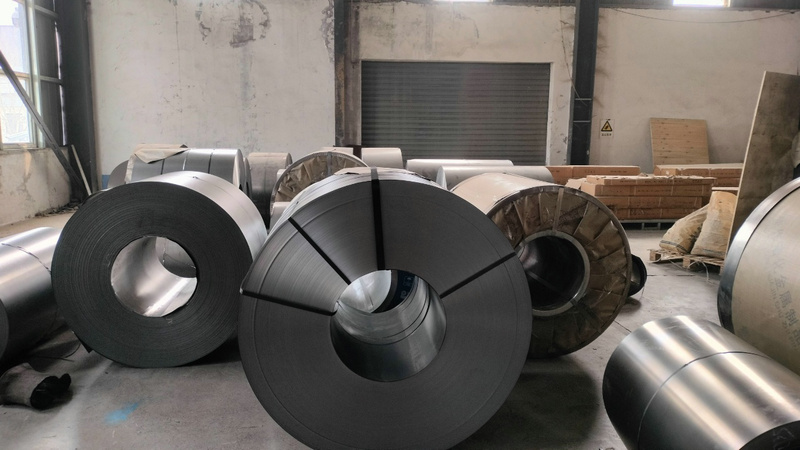
Raw material
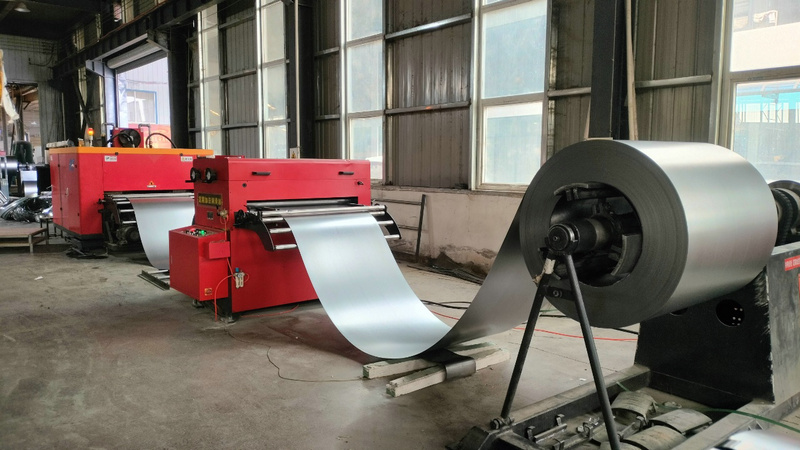
Cutting
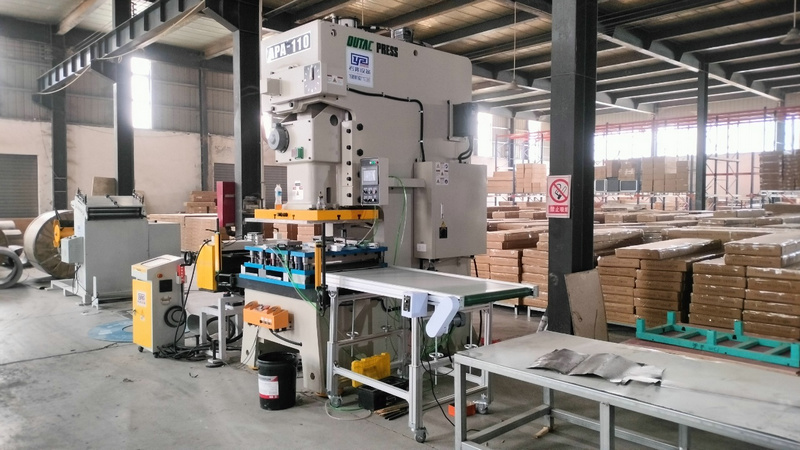
Punching
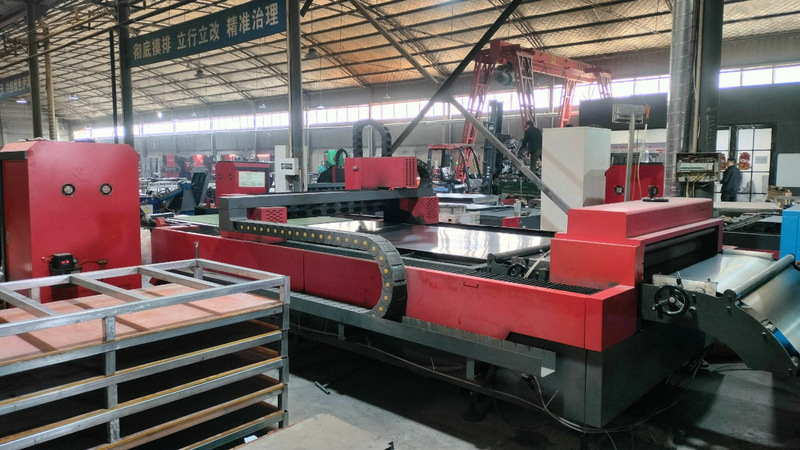
Cutting
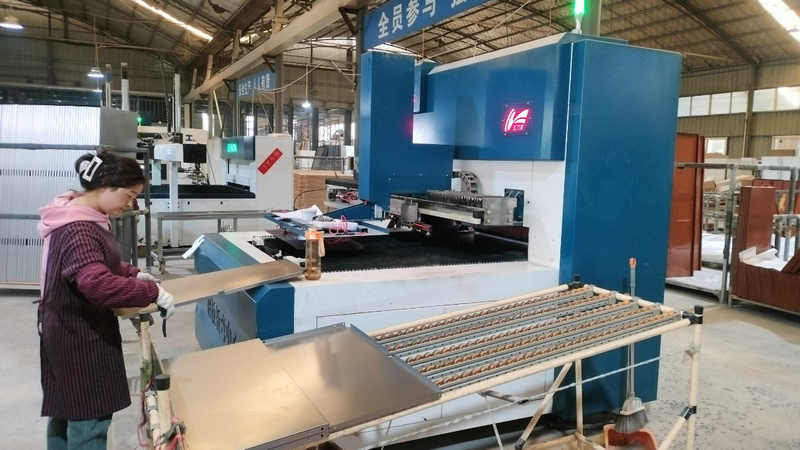
Bending
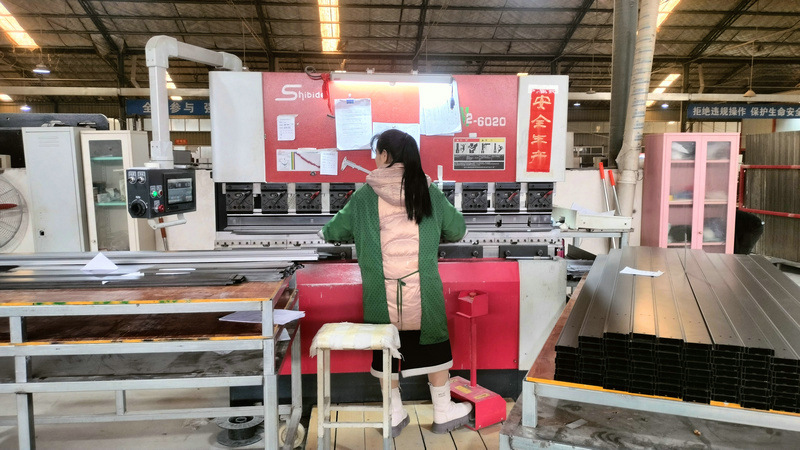
Bending
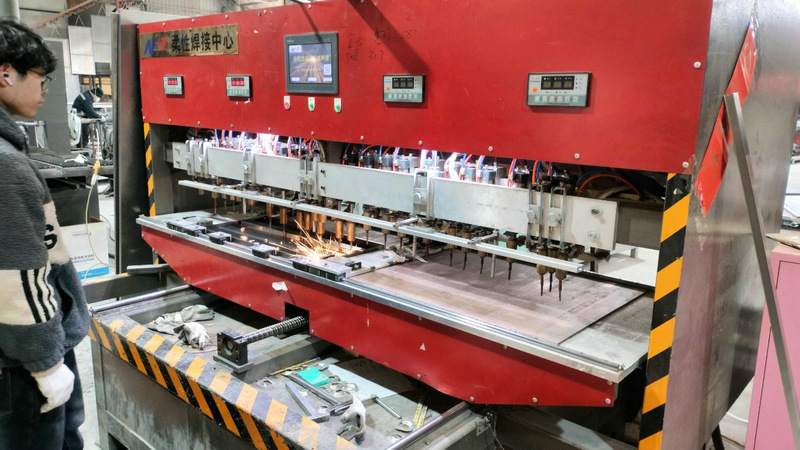
Welding
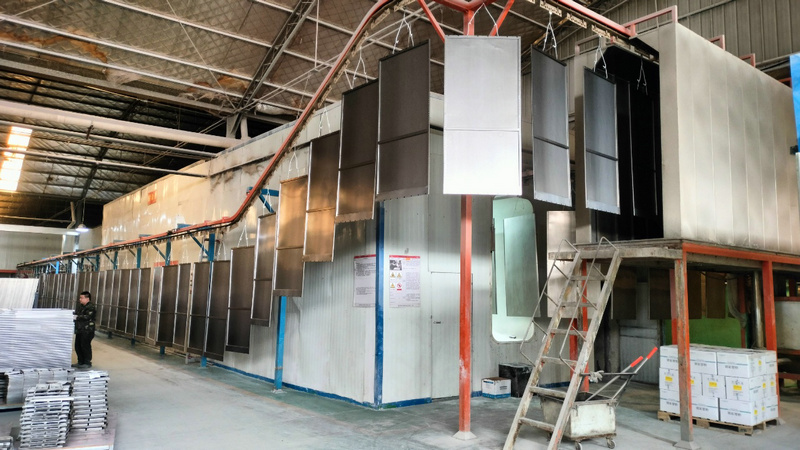
Painting
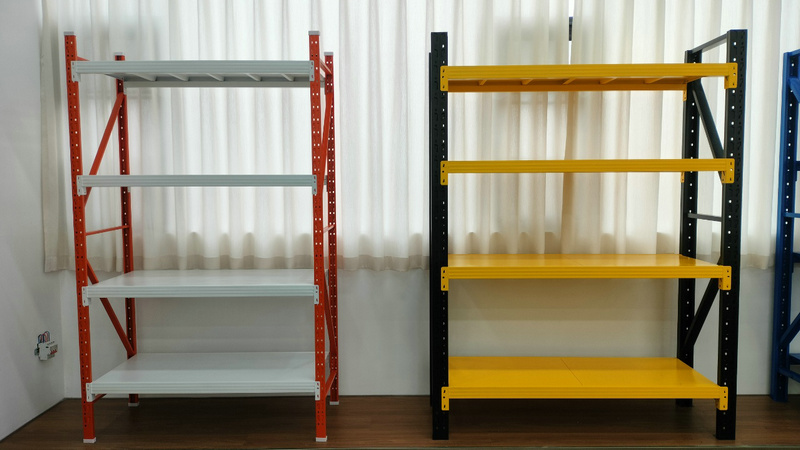
Finished product
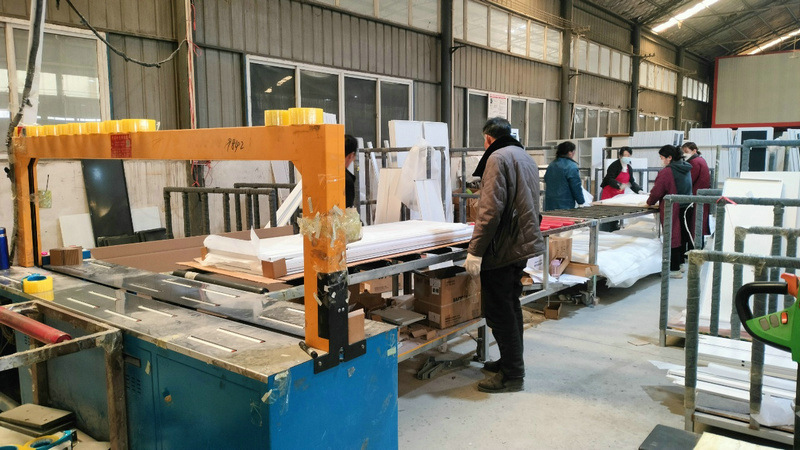
Packing
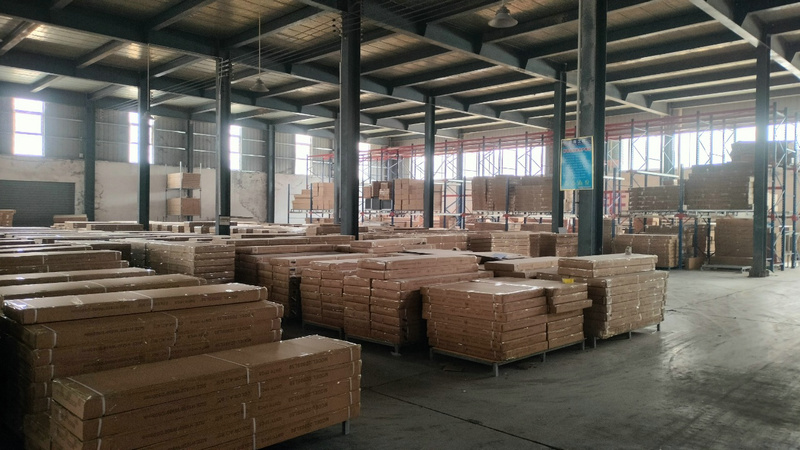
Storage
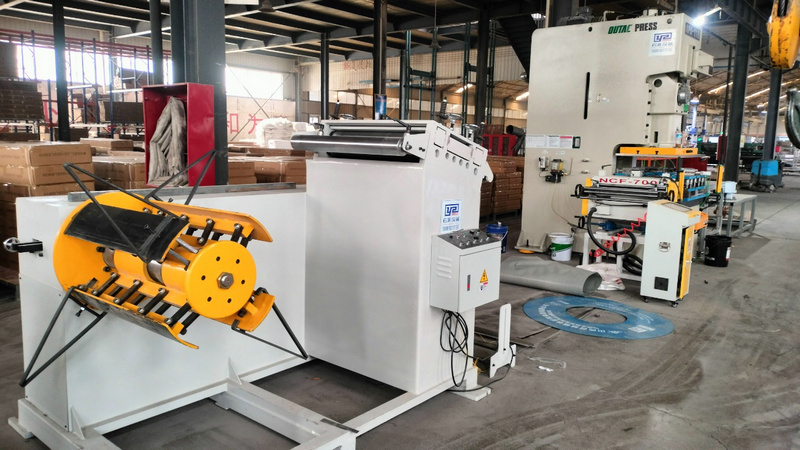
Automatic Punching Line
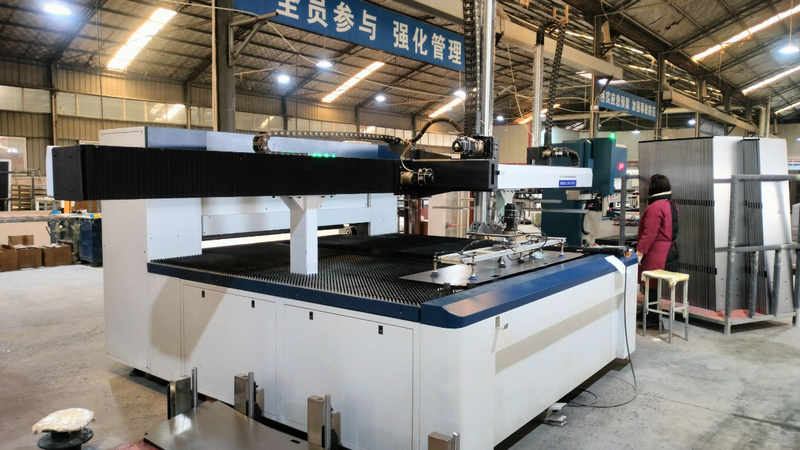
Automatic bending machine
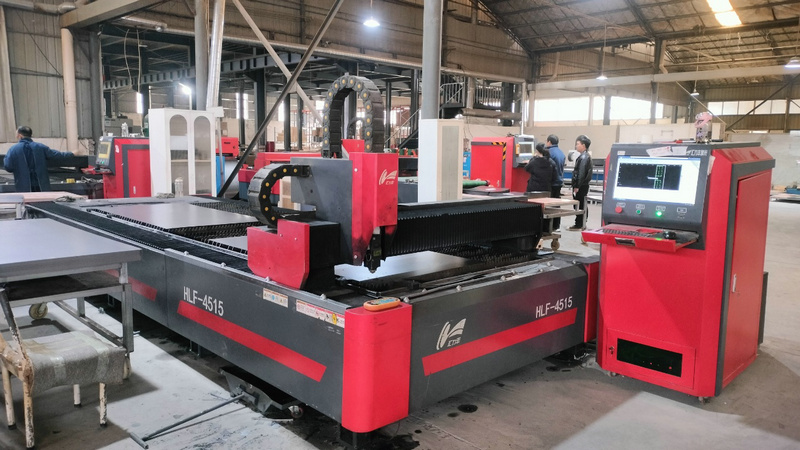
Cutting machine
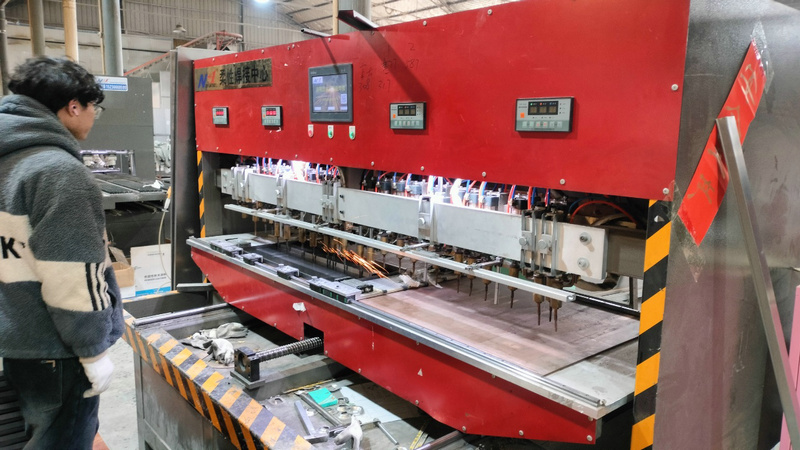
Multiple spot welder
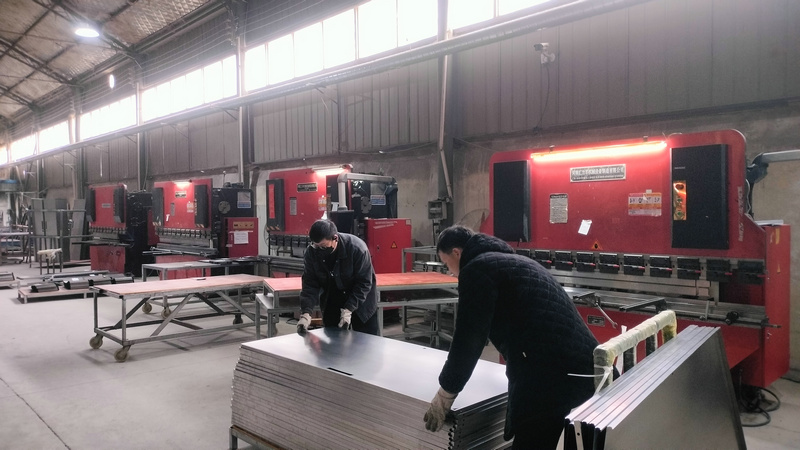
Bending machine
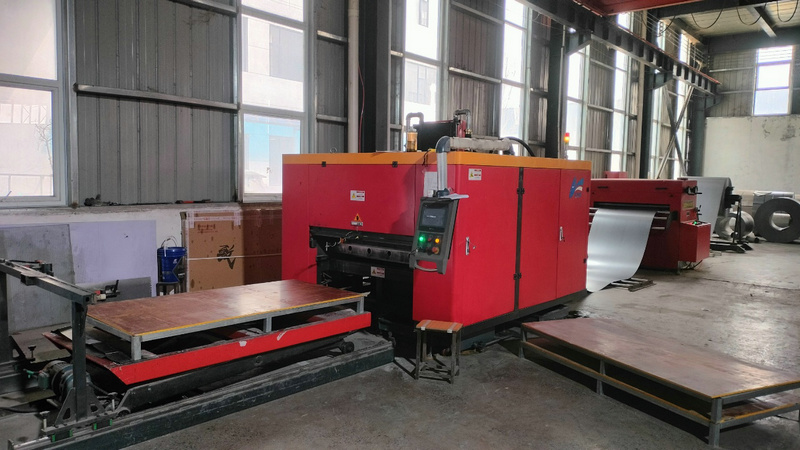
Rod shearing machine
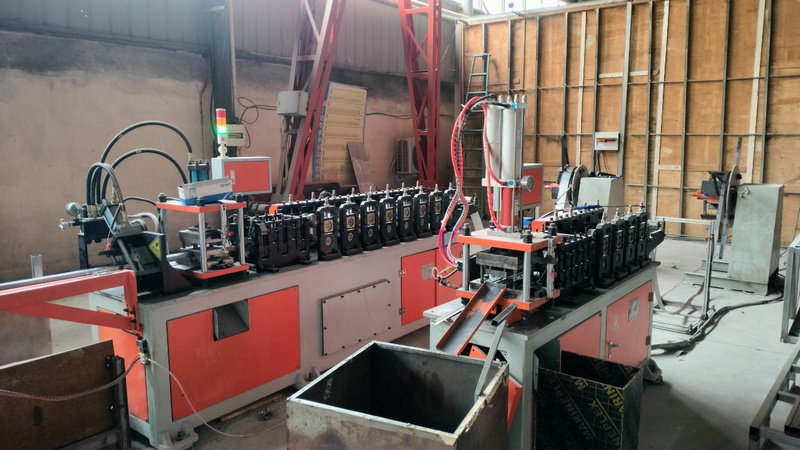
Rolling Line
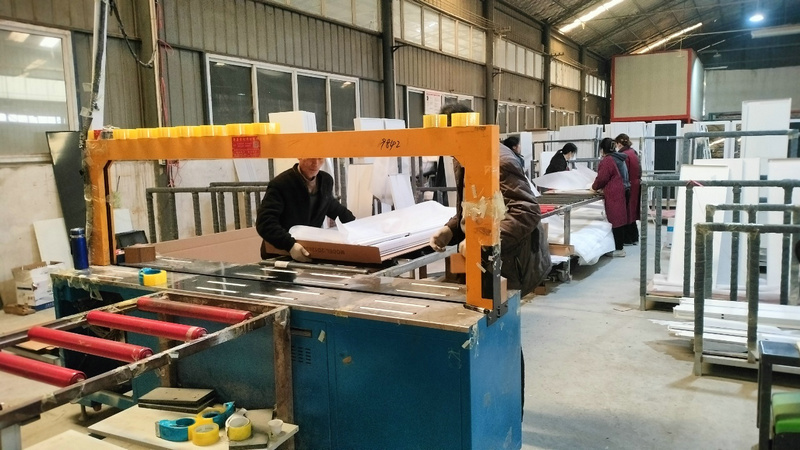
Packing line
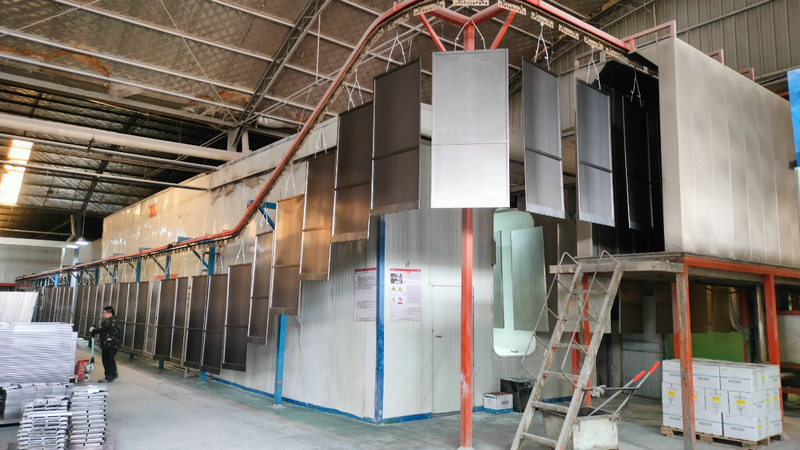
Paint shop
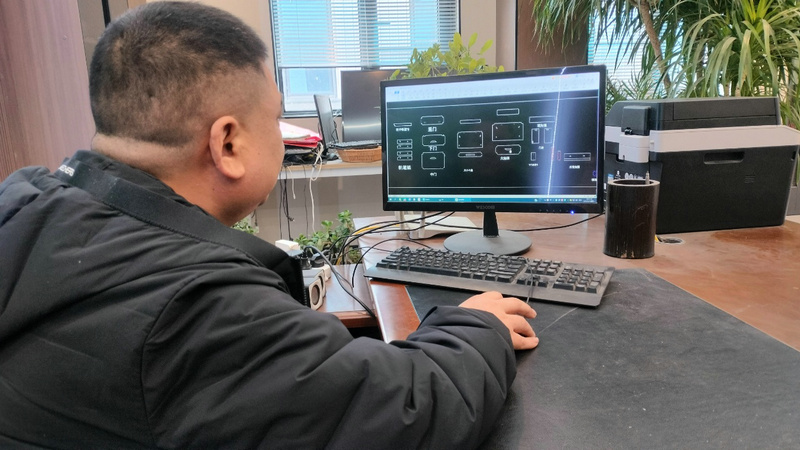
CAD Design & FEA Analysis
To fully understand the impact of custom industrial design, we must examine localized scenarios where cold storage racking systems operate under heavy operational stress. Different regions place unique parameters on manufacturing requirements:
In warm, high-humidity port cities, transitioning frozen goods from vessels to local cold stores creates intense ambient condensation. Under these conditions, typical steel surfaces degrade rapidly. Our engineering solution integrates hot-dip galvanized coating conformances (exceeding 85 microns thickness), protecting connection nodes and preventing rapid oxidation.
West Coast operations demand complete compliance with RMI and FEMA seismic parameters. Shenzhen Shunyiming addresses this by increasing upright column profiles, widening seismic baseplates, and engineering customized structural bracing configurations designed to dissipate seismic energy safely.
With high real-estate valuations in core transport corridors, European logistics centers require vertical integration. By deploying multi-tier automated crane and shuttle racking structures up to 30 meters high, our systems maximize footprint utilization while keeping deviation tolerances below 1mm.
Get answers to critical technical questions surrounding steel engineering, load configurations, and maintenance for low-temperature environments.
A: Standard steel exhibits brittle failure when subjected to freezing conditions (-18°C to -35°C). The absence of specific micro-alloys reduces impact resistance, increasing the chance of structural failure during forklift collisions. Sub-zero racking requires certified Q355B or Q355D carbon steel to ensure high structural ductility and durability under freezing temperatures.
A: Daily warehouse activities introduce warm air currents that condense on cold steel structures. This localized moisture accelerates rust, weakening structural nodes over time. To combat this, we apply high-grade electrostatic powder-coat finishes or hot-dip galvanization processes, ensuring a robust physical barrier that prevents moisture from reaching the load-bearing metal.
A: Industrial refrigeration costs are directly proportional to the total cubic volume of the room. Traditional forklifts require wide aisles, which wastes cold air. Radio shuttle racking removes the need for wide aisles, allowing dense block-stacking layouts that improve storage capacity by up to 150% and dramatically reduce energy consumption per pallet position.
A: Our R&D team uses Finite Element Analysis (FEA) software to simulate local load variations, forklift impacts, and seismic forces. This virtual modeling, combined with real-world pressure testing on structural prototypes, ensures all finished rack components comply with RMI, FEM, and CE safety standards before delivery.
A: Yes, our powder-coating formulations are lead-free, non-toxic, and conform to international food and pharmaceutical sanitation regulations. These durable surfaces resist cracking and flaking, preventing potential contaminants from entering cold-room inventory.
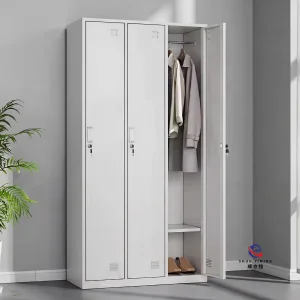
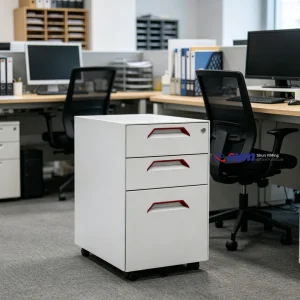
Durable storage units, tool cabinets, and metal locker systems built for heavy industrial environments, workshops, and commercial properties.
 Shunyiming Racking