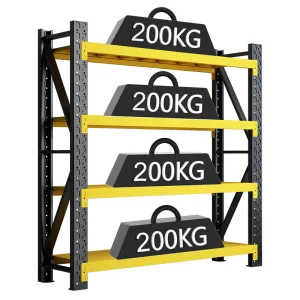
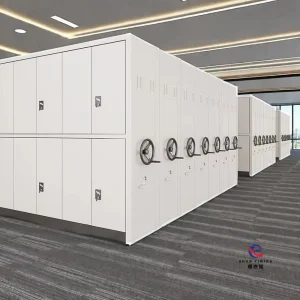
In the rapidly changing landscapes of modern global logistics, e-commerce distribution, and advanced manufacturing, floor space has evolved into a premier spatial asset. The strategic installation of structural steel mezzanine platforms has shifted from a mere storage solution to a critical tool for operational scaling. Industrial mezzanine systems offer a structural remedy by effectively doubling or tripling usable square footage without the capital expenditure, regulatory friction, and downtime associated with physical building expansion.
As a leading player in this space, Shenzhen Shunyiming Trading Co., Ltd. (established in 2015) has consolidated its position as a premier manufacturer and global supplier of heavy-duty industrial racking and smart warehouse storage systems. Operating from a 32,000 square meter state-of-the-art facility, the company leverages 14 years of deep industry expertise and 8 years of dedicated international trade experience. With an annual export revenue of USD 28 million, Shunyiming delivers precision-engineered structural platforms to North America, Europe, Southeast Asia, and the Middle East.
The global demand for industrial mezzanine systems is projected to experience substantial growth over the next decade. This growth is primarily driven by the ongoing shift towards hyper-local urban fulfillment centers, automated material handling integration (such as AGVs and AMRs), and the imperative for industrial operations to minimize their carbon footprint by utilizing vertical space.
With the rapid growth of high-turnover online retail, fulfillment hubs require multi-tiered walk-pick modules. Mezzanine configurations allow concurrent picker operations across multiple levels, reducing order processing times.
Industrial real estate prices in logistics hubs continue to rise. Maximizing the vertical clear height of existing facilities is often a more cost-effective strategy than acquiring new land or relocating.
Modern storage facilities combine structural mezzanines with automated conveyor lines, sorting machines, and multi-tier picking levels, requiring careful design and high load capacity.
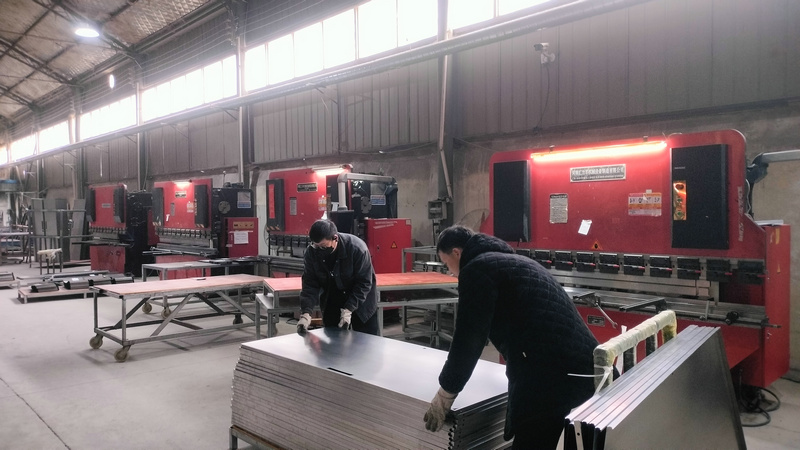
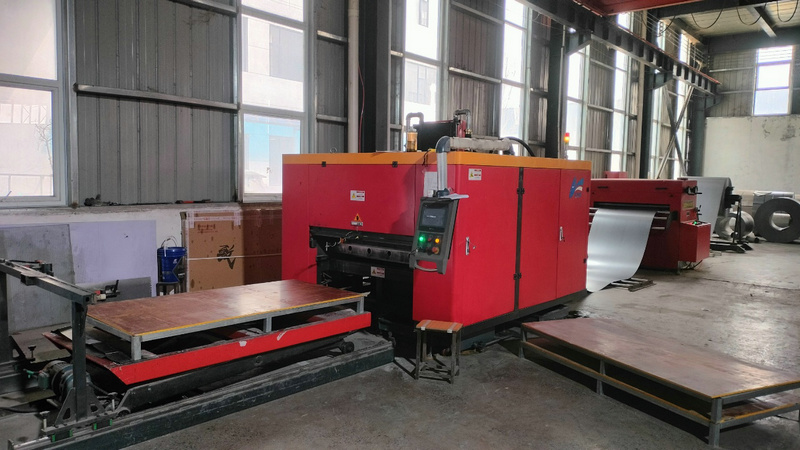
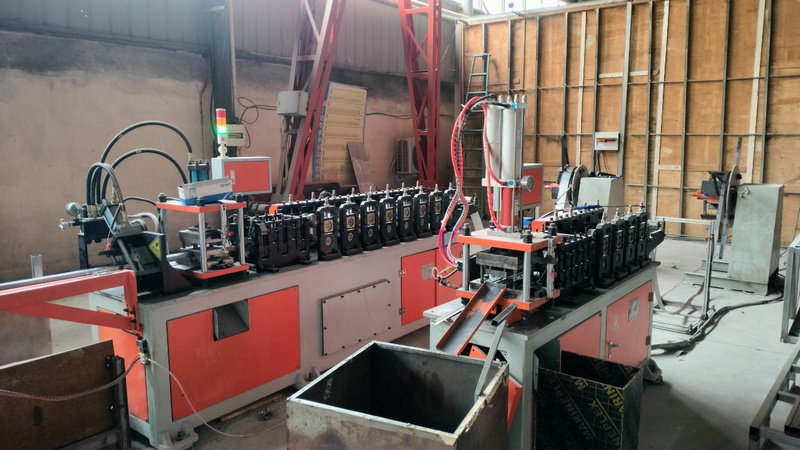
The Chinese manufacturing sector has transitioned from traditional labor-intensive fabrication to advanced, automated Smart Factory 4.0 systems. This development enables structural racking suppliers to deliver cost-effective and highly precise steel structures. Industrial steel mezzanines require precise structural engineering, consistent metallurgical chemistry, and reliable welding methods.
At Shenzhen Shunyiming, quality control is central to operations. Backed by a network of more than 800 supply chain partners, the company primarily serves global logistics hubs, large-scale enterprise warehouses, industrial distributors, and e-commerce fulfillment centers. A dedicated QC team of 45 certified inspectors enforces rigorous testing protocols, including:
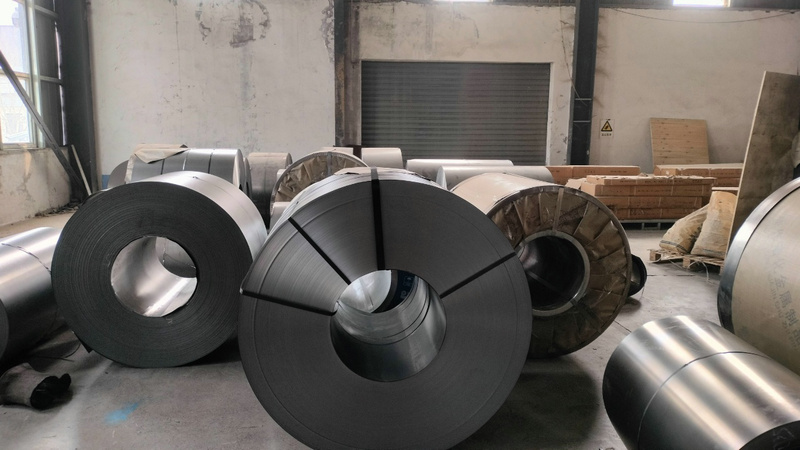
Comprehensive incoming inspection of structural steel coils (grades Q235B and Q355B), analyzing chemical composition and tensile strength.
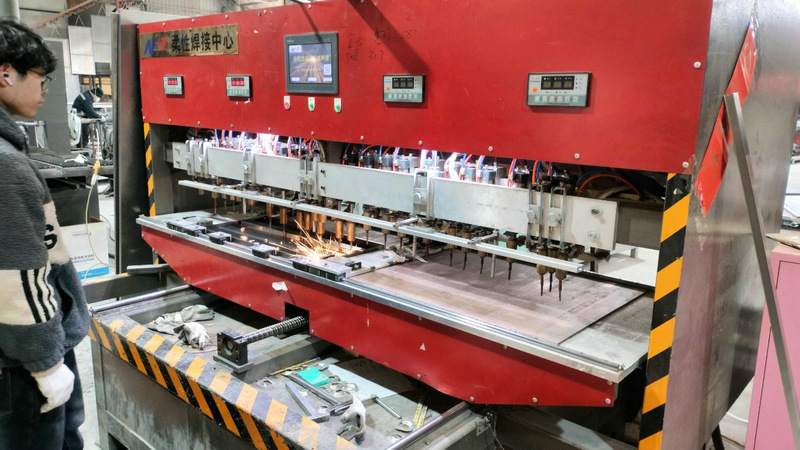
Real-time ultrasonic monitoring and robotic weld-integrity checks to prevent defect propagation in primary load-bearing connections.
Physical stress tests conducted on mock-up systems to verify elastic deformation parameters under dynamic and static weight limits.
Ensuring design compliance with international safety and engineering codes, including EN 15512, RMI, ISO9001, and CE certification.
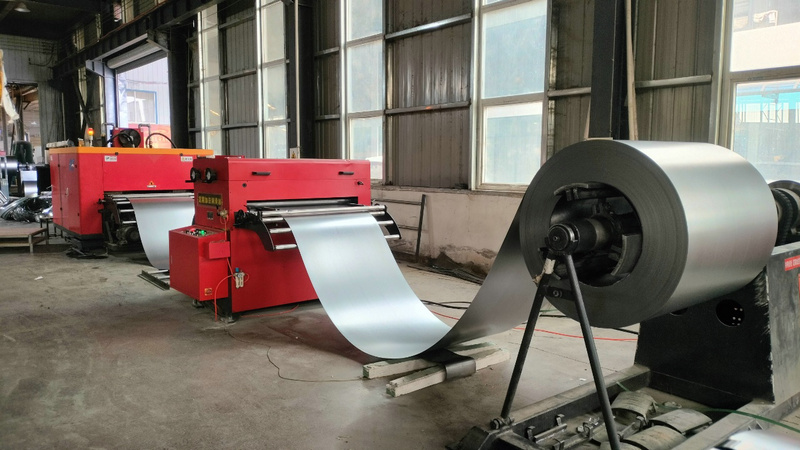
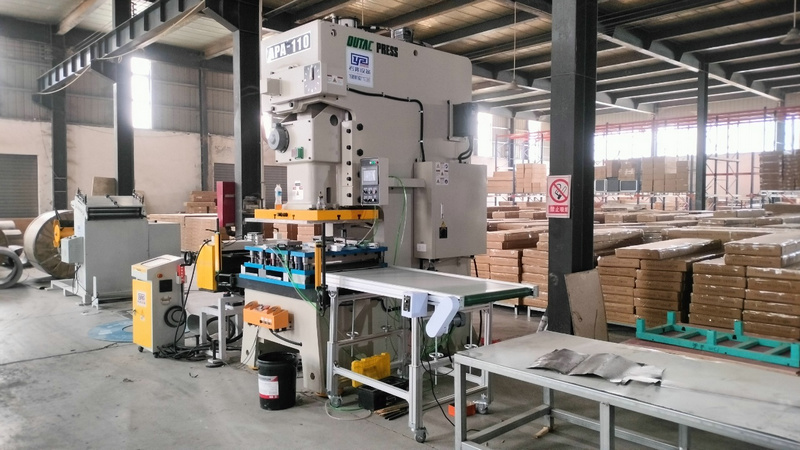
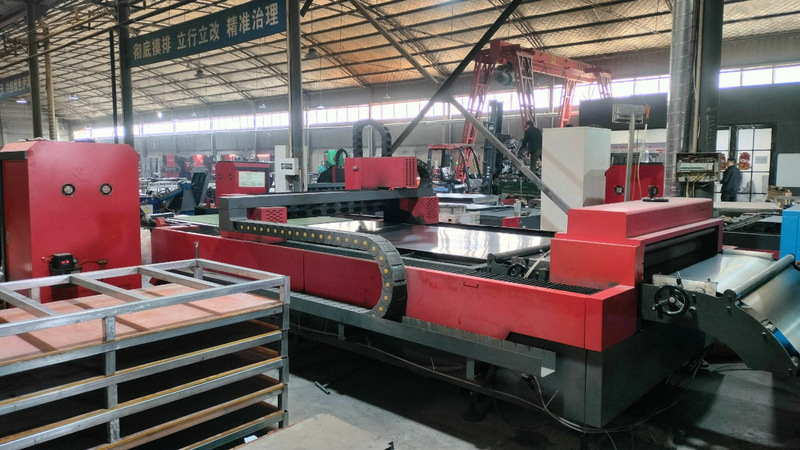
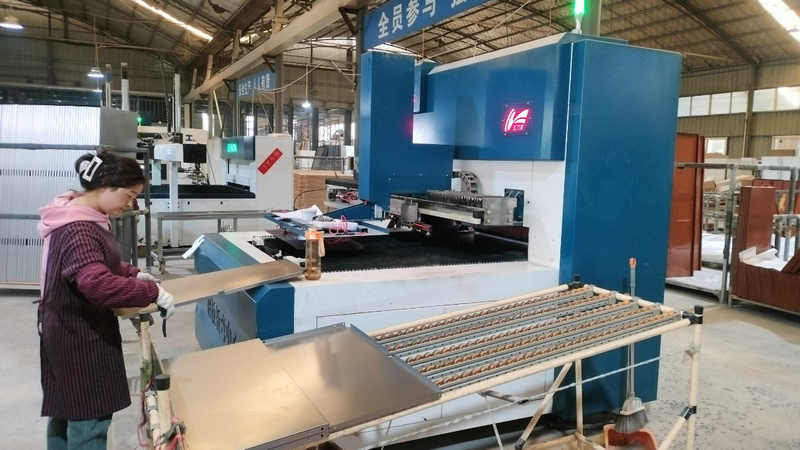
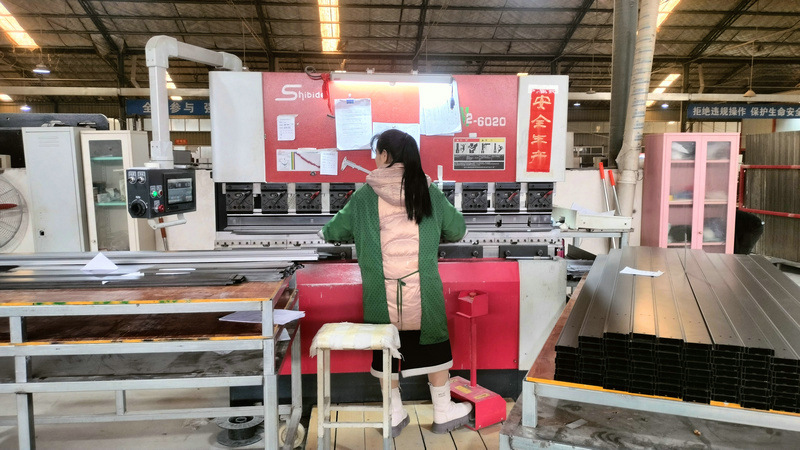
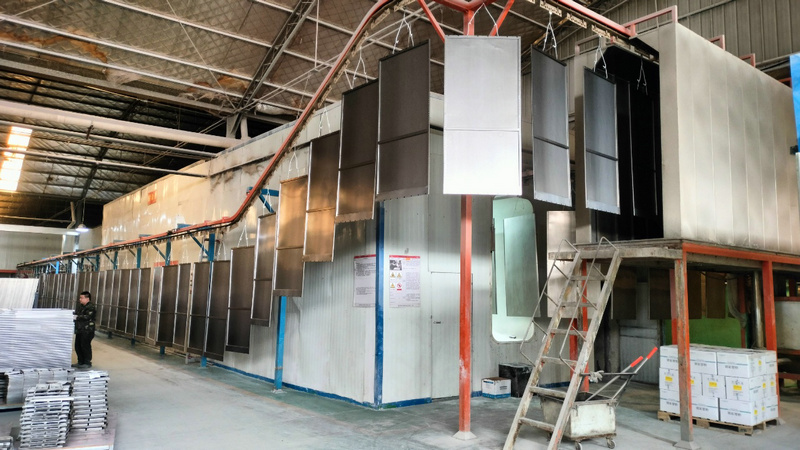
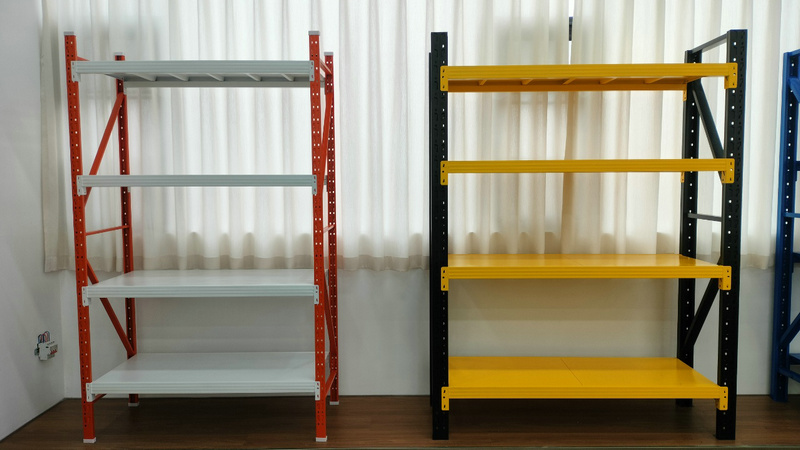
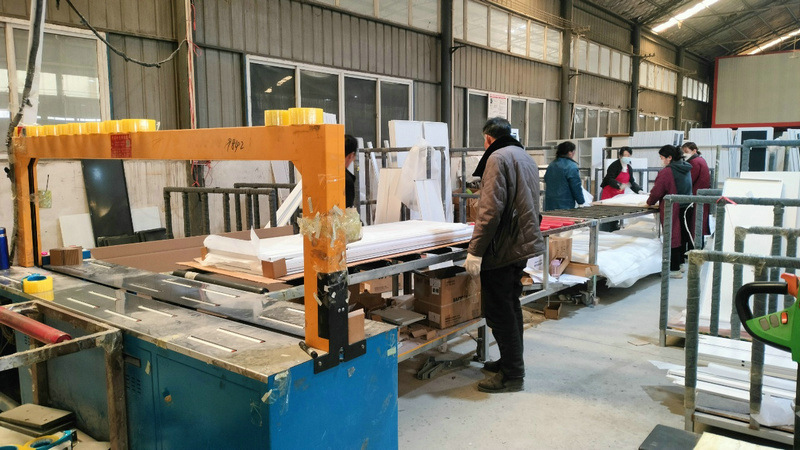
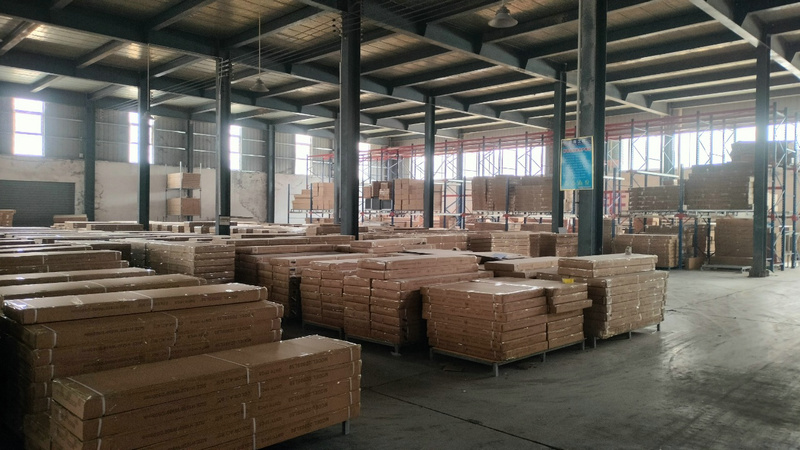
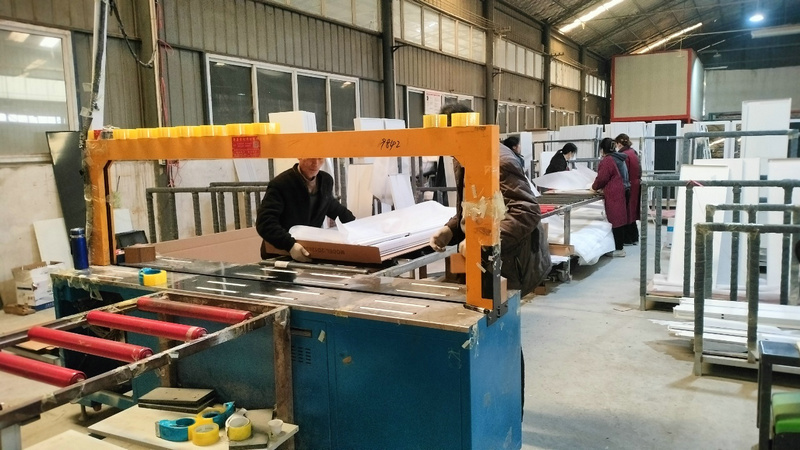
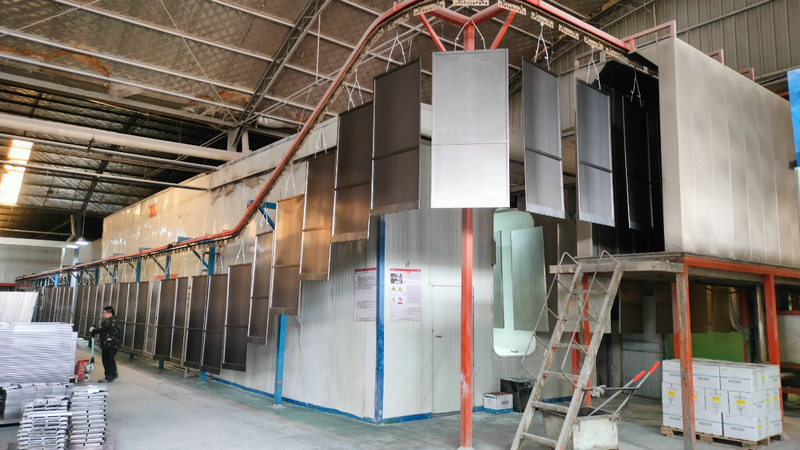
Precision manufacturing at Shenzhen Shunyiming is managed through an end-to-end process sequence. Utilizing specialized cold-roll forming lines, advanced robotic welding, and automated electrostatic powder coating lines, raw steel is processed into certified structural components. Below is the operational step-by-step workflow of the fabrication facility:
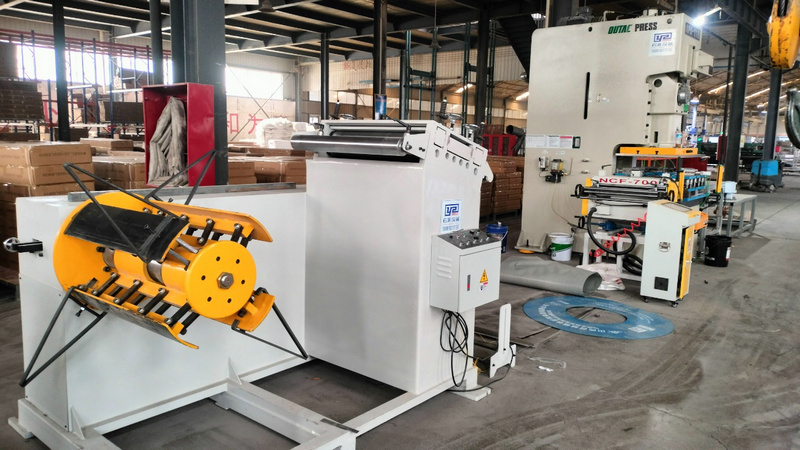
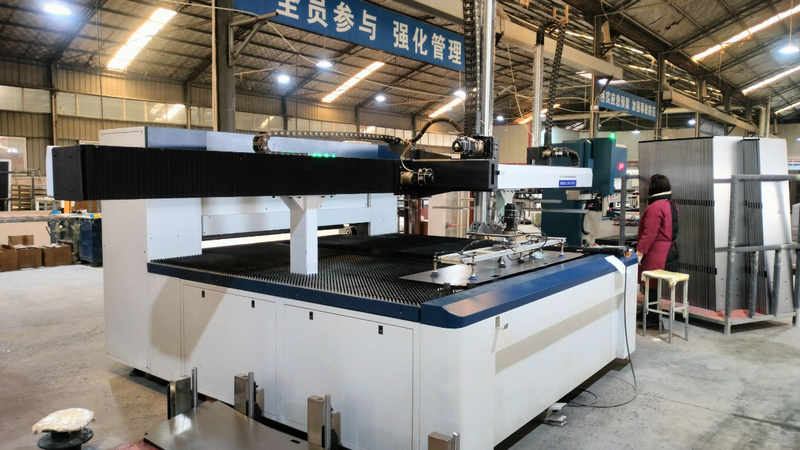
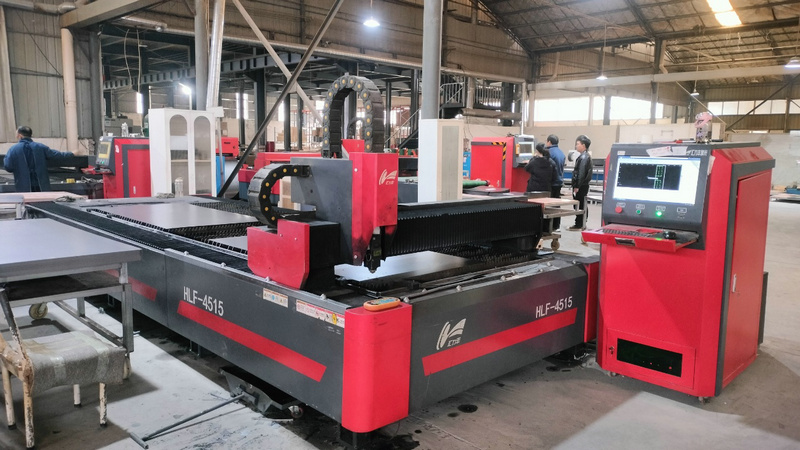
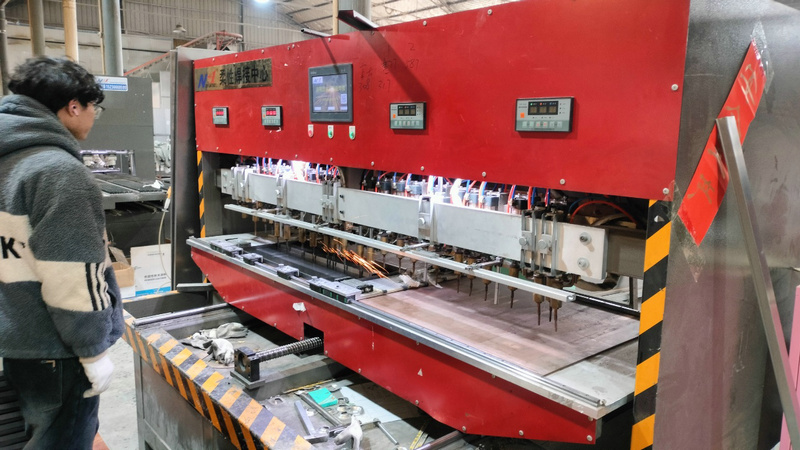
An industrial mezzanine is a complex structural assembly subject to localized load stresses, seismic events, and strict safety guidelines. The design process must evaluate various loading types to ensure worker safety and prevent structural failures:
The static weight of the mezzanine components themselves, including structural steel beams (I-beams, C-channels), decking materials (steel grating, bar grating, or high-density timber), handrails, and permanent connections.
The variable force exerted by staff, palletized materials, hand jacks, and inventory. Typical heavy-duty mezzanine platforms are designed for live loads ranging from 300 kg/m² to over 1500 kg/m², depending on structural specifications.
Forces generated by mechanical conveyors, forklift operations, and regional seismic activity. Engineers use finite element analysis (FEA) to ensure columns, base plates, and anchor bolts distribute lateral forces to the floor.
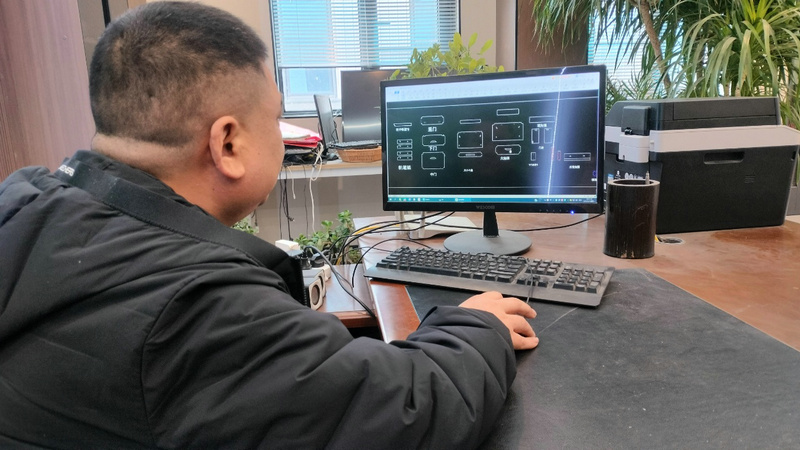
Supported by an R&D department of 18 senior structural engineers, Shenzhen Shunyiming manages the entire OEM/ODM design cycle. The engineering team performs dynamic load calculations, configures custom layouts, designs seismic-resistant bases, and applies anti-corrosion powder coatings. Over the past year, the R&D team introduced 65 new designs tailored to optimize space utilization.
Industrial mezzanine systems are deployed across various industries, each with specific design and load requirements:
Accommodates heavy, odd-shaped components (such as engines and body parts). Integrating heavy-duty shelf racks underneath structural platforms helps keep assembly floors organized and clear.
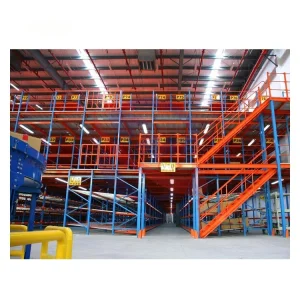
Features multi-tier platforms with integrated staircases, safety gates, and chute systems. These layouts enable high-volume manual picking of small goods across multiple levels.
Converts elevated space above production floors into clean, sound-insulated offices or quality control labs, maximizing the footprint of the main facility.
To assist procurement managers, structural engineers, and facility planners, we have addressed the most common technical questions regarding mezzanine systems:
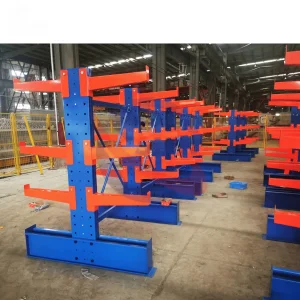
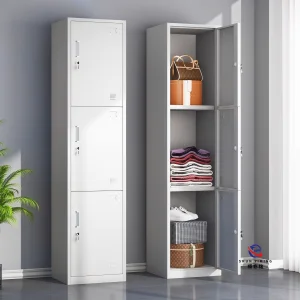
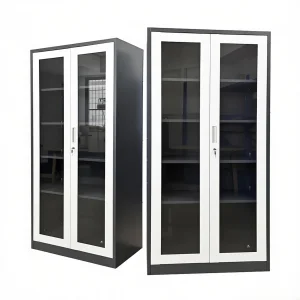
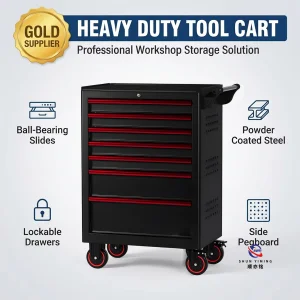
Get in touch with our engineering team for a detailed CAD design layout and structural load calculations. Partner with Shenzhen Shunyiming to implement safe, high-capacity, and cost-effective vertical storage solutions.
 Shunyiming Racking