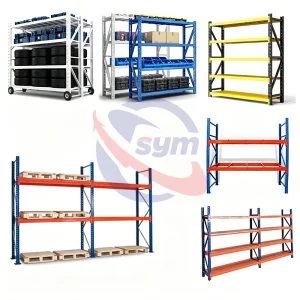
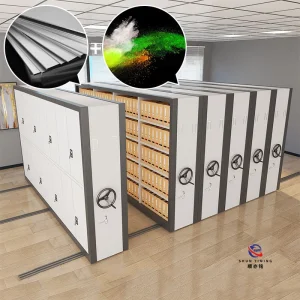
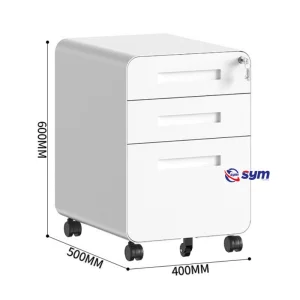
Top Trusted Heavy Duty Racking Systems Manufacturer & Factories

Engineering Next-Generation Industrial Warehouse Systems & Structural Integrity for Global Supply Chain Optimization

32,000㎡
Production Space
14+ Yrs
Technical Expertise
$28M
Annual Export Revenue
800+
Supply Partners

Executive Overview: Industrial Warehousing Realities & Strategic Imperatives

In the modern era of logistics, warehousing is no longer a simple static function of storing goods. With the rapid growth of high-throughput e-commerce, global distributed manufacturing networks, and cold chain requirements, industrial rack engineering has turned into a precise science. Heavy-duty racking systems form the critical skeleton of the modern supply chain. A failure in design, materials, or fabrication parameters does not just risk cargo damage; it risks entire system breakdowns, life safety hazards, and catastrophic operational interruptions.

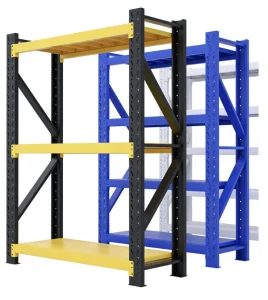
Established in 2015, Shenzhen Shunyiming Trading Co., Ltd. has grown to become a premier manufacturer and global supplier specializing in heavy-duty industrial racking and smart warehouse storage systems. Operating from our state-of-the-art facility spanning over 32,000 square meters, we bring over 14 years of deep structural engineering expertise and 8 years of dedicated international trade experience to the global market. Driven by innovation, our annual export revenue has reached USD 28 million, serving clients across North America, Europe, Southeast Asia, and the Middle East. We provide high-density shelving solutions designed to withstand extreme dynamic loading stresses while maximizing vertical space utilization.

Strategic Procurement Demands of Global Enterprises

Procurement departments of multinational firms must address a complex matrix of operational requirements, compliance standards, and commercial parameters when selecting heavy-duty racking suppliers. The total cost of ownership (TCO) model reveals that up-front structural material costs represent only a portion of the long-term investment. Key considerations include:

  • Structural Resilience and Alloy Integrity: The selection of premium steel grades (such as Q235B and Q355B) ensures high yield strength, allowing uprights and load beams to handle structural deflection demands under heavy pallets without permanent deformation.
  • Seismic Mitigation Engineering: High-density pallet storage configurations must be seismically calculated according to local geographical profiles, incorporating customized floor anchorages, heavy-duty baseplates, and top-tie bracing.
  • Compliance and Certifications: Adherence to safety standards such as ISO9001, European CE directives, and the US Rack Manufacturers Institute (RMI) standards is mandatory for global enterprises to obtain insurance clearance and comply with workplace safety regulations.
  • Supply Chain Transparency & Traceability: Buyers require complete visibility over raw material heat numbers, steel rolling mill certificates, chemical compositions, and automated welding quality reports.

Technical Deep Dive: The Metallurgy of Heavy-Duty Structural Elements

The performance of heavy-duty storage racks depends on the cold-formed structural steel sections. By using Q355B steel, our engineers achieve high structural efficiency, maintaining a yield strength of 355 MPa. This ensures structural safety, even under dynamic loading impacts from automated guided vehicles (AGVs) or forklifts.

China Factory 4.0: Standardized End-to-End Manufacturing Workflow

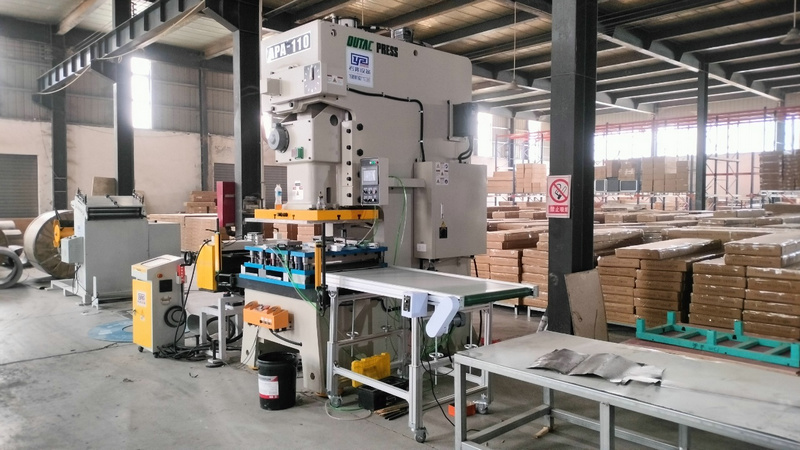
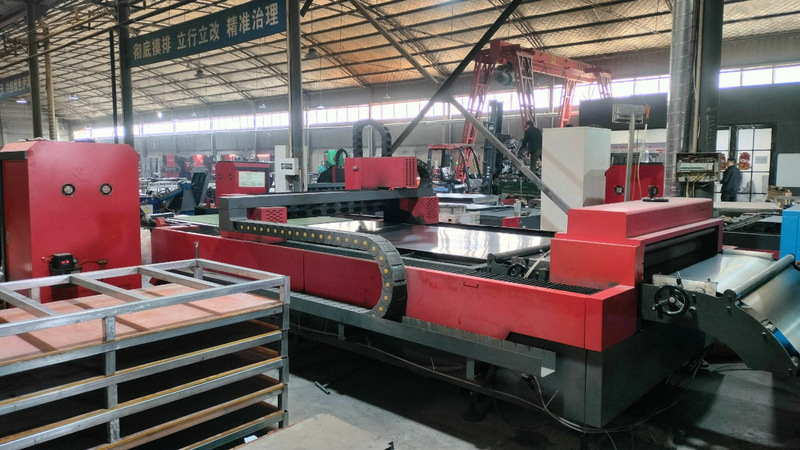
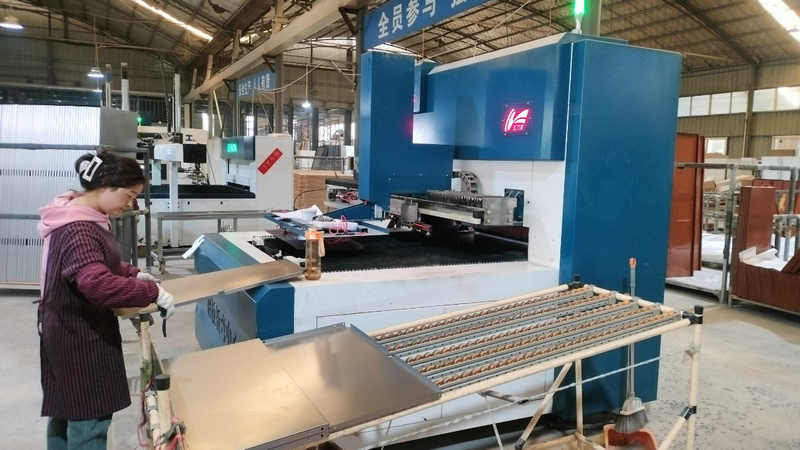
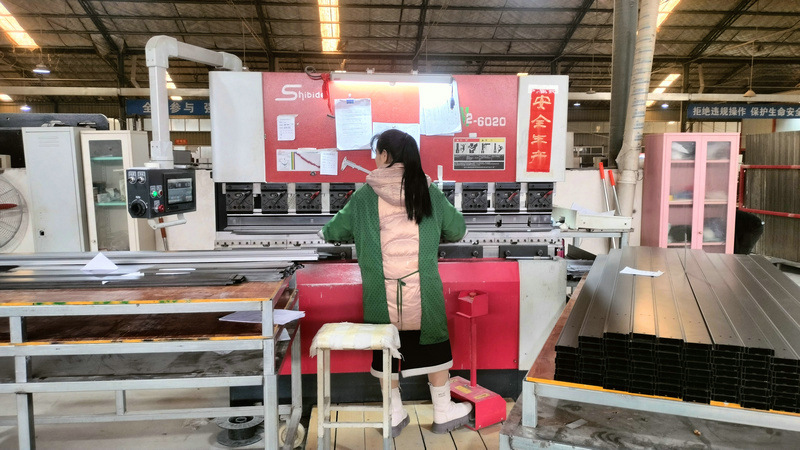
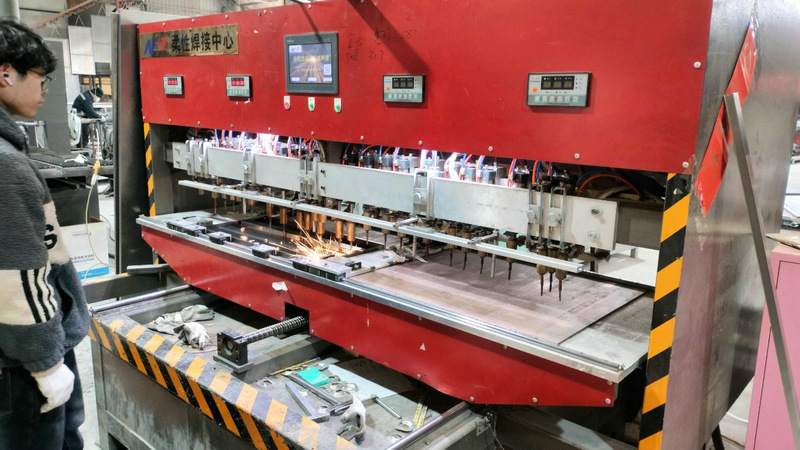
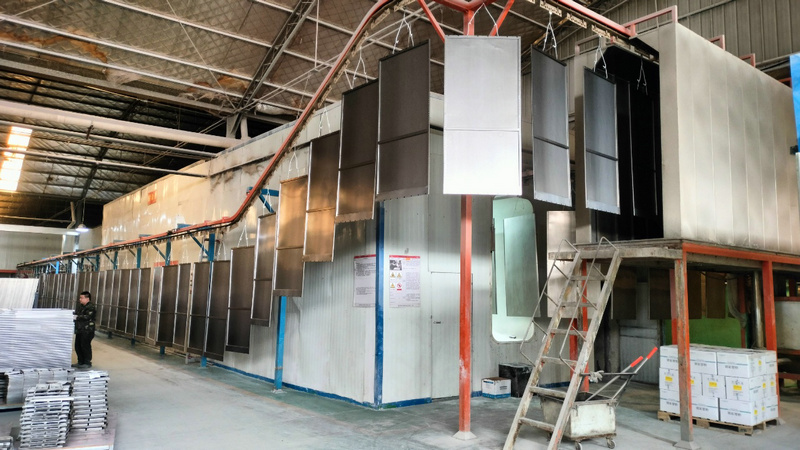
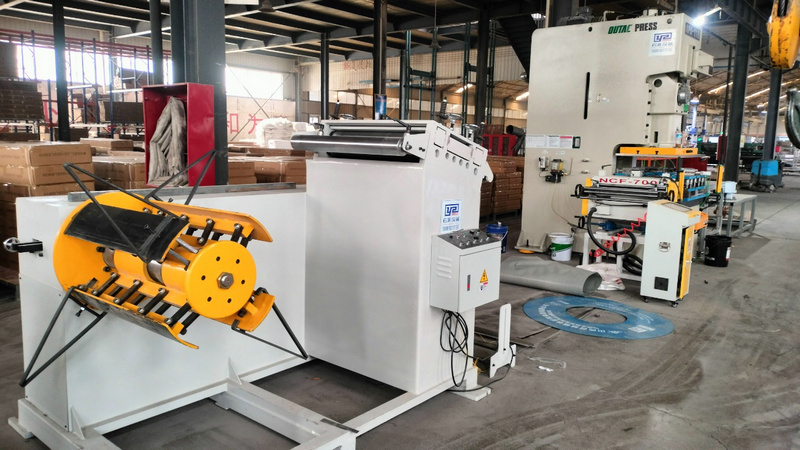
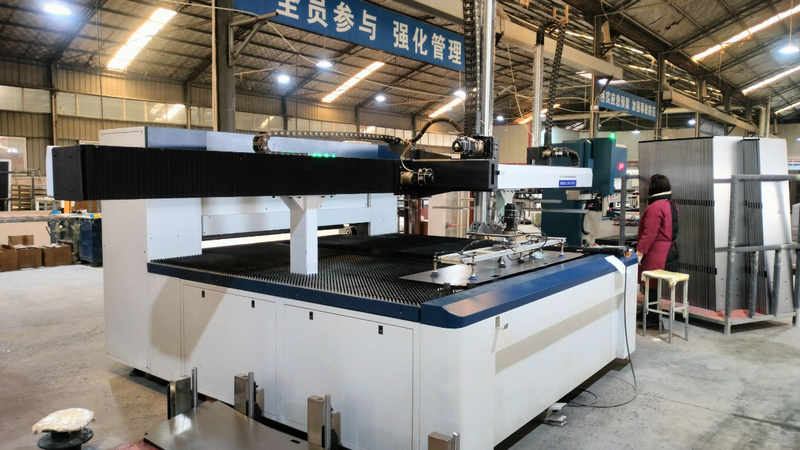
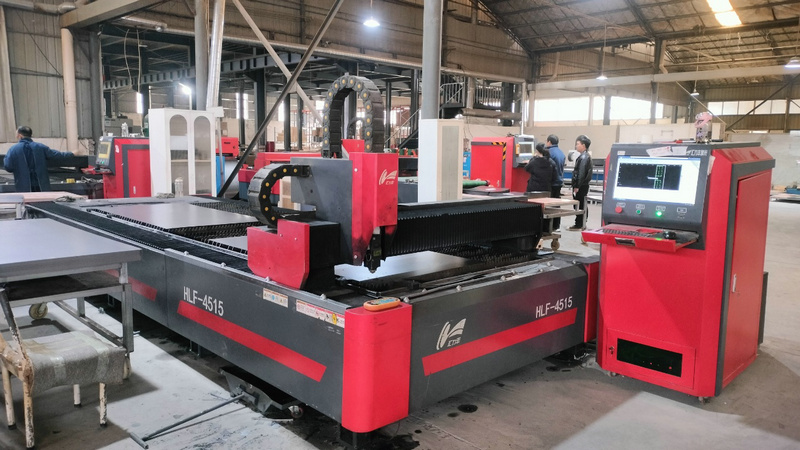
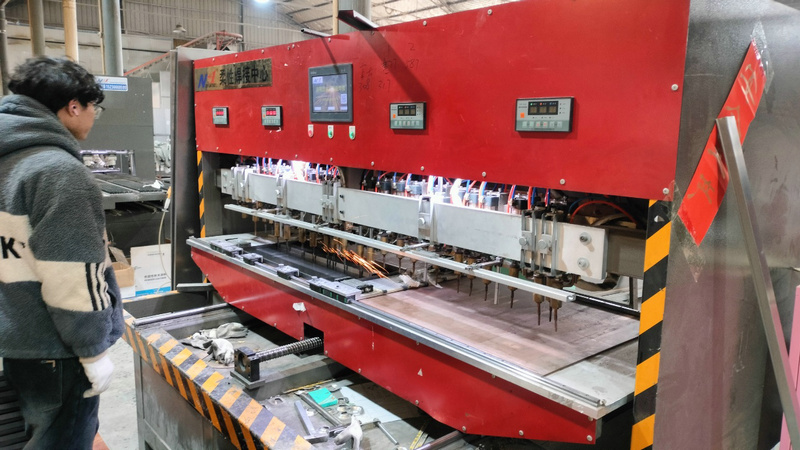
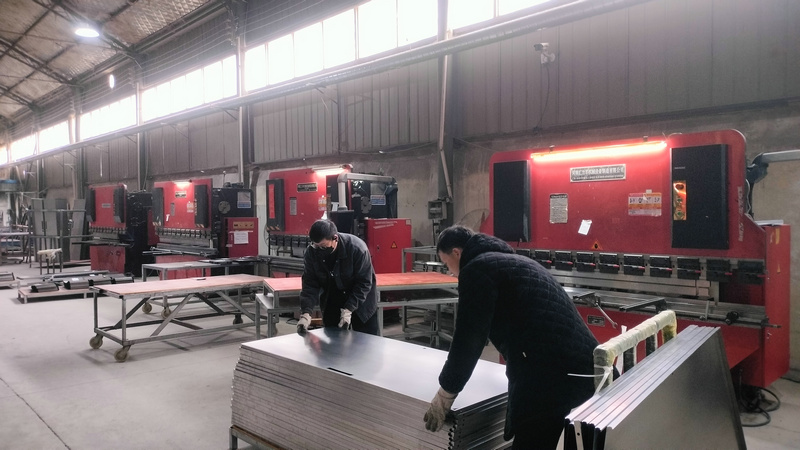
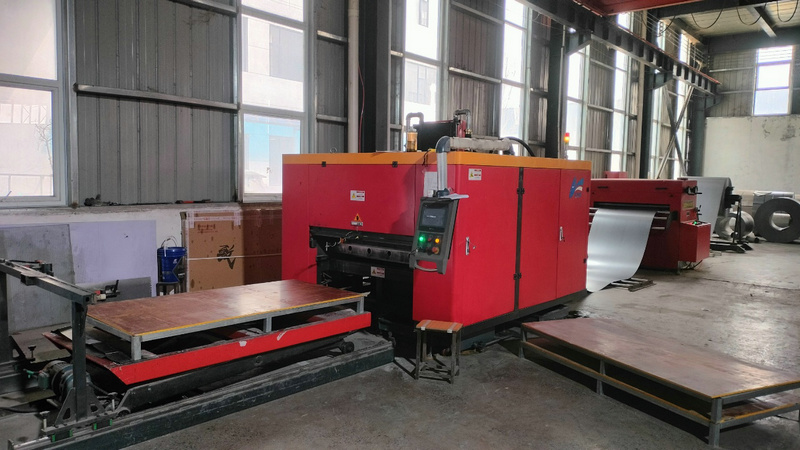
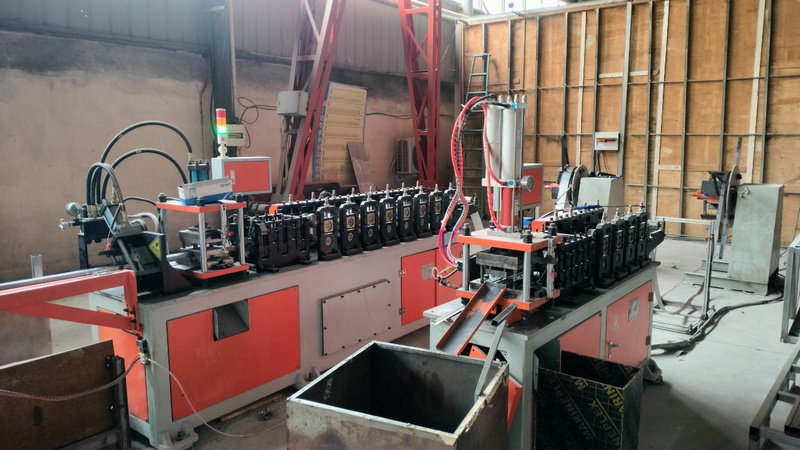
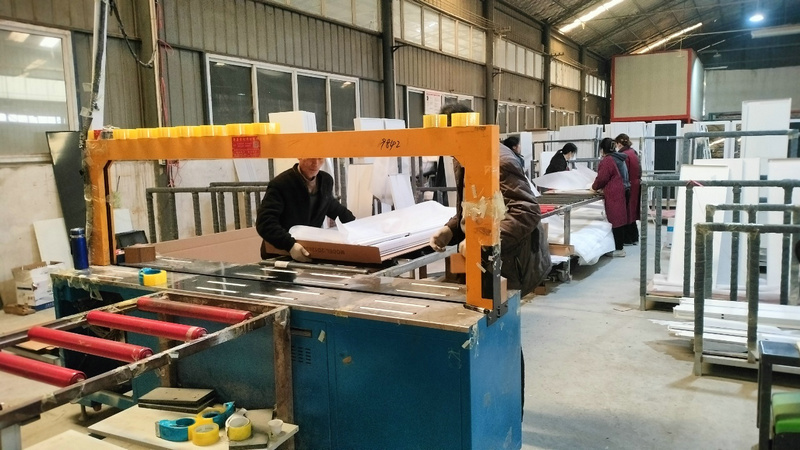
A look inside our 32,000 square meter Shenzhen facility. From raw material intake to final paint finishing and packaging, our production line uses automated systems to guarantee structural tolerance deviations of less than 0.5mm.
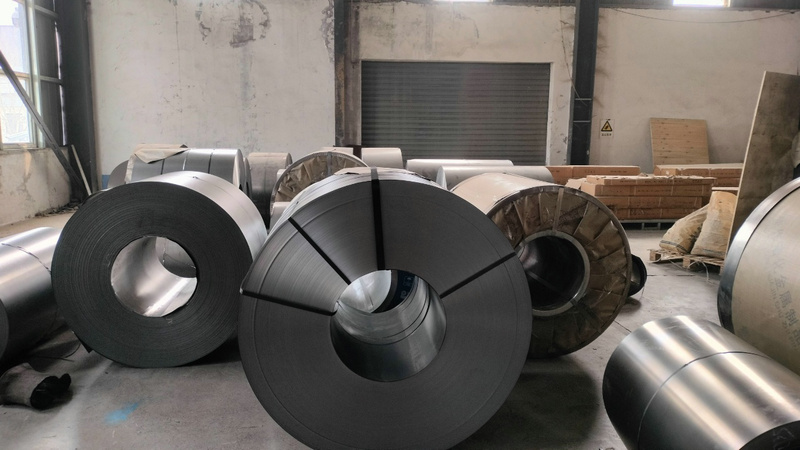
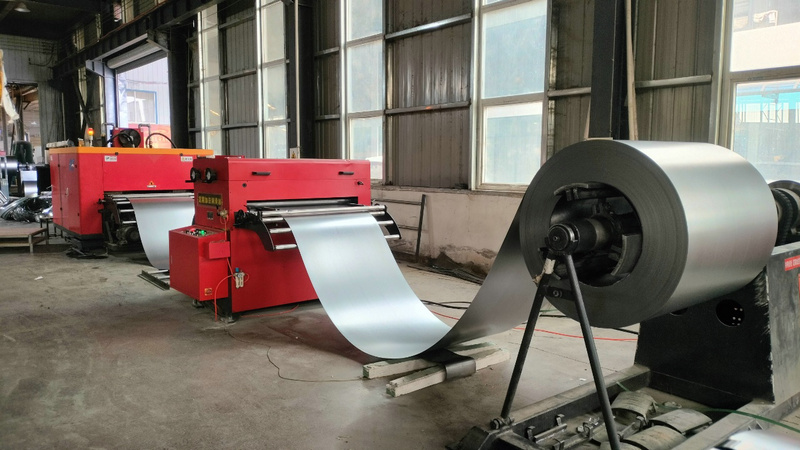
Raw material inspection and storage
Raw material
Precision steel cutting
Cutting
High speed punching
Punching
Secondary steel sizing
Cutting
High-tonnage cold bending
Bending
Profile structural bending
Bending
Robotized structural welding
Welding
Electrostatic powder coating painting
Painting
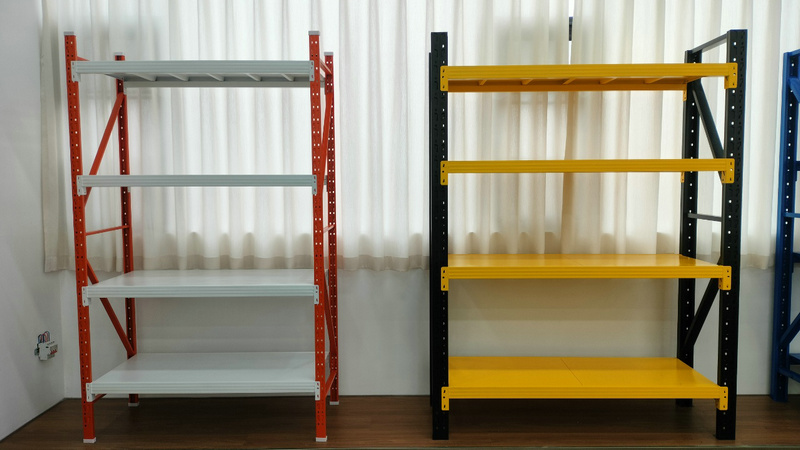
Finished heavy-duty components
Finished product
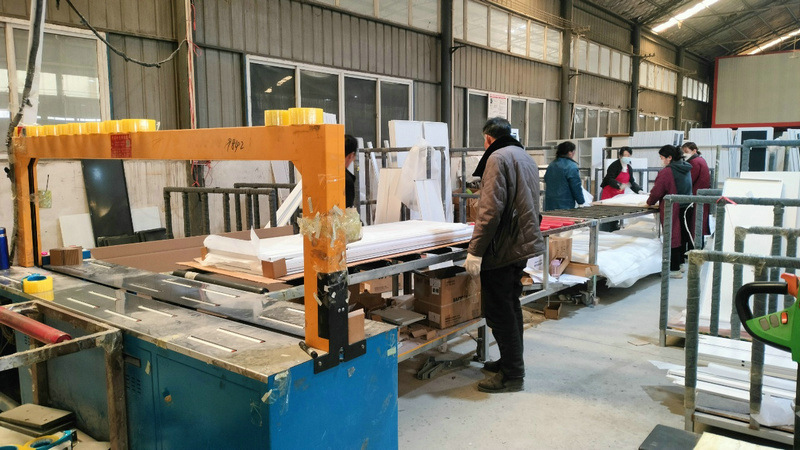
Industrial wrapping and packing
Packing
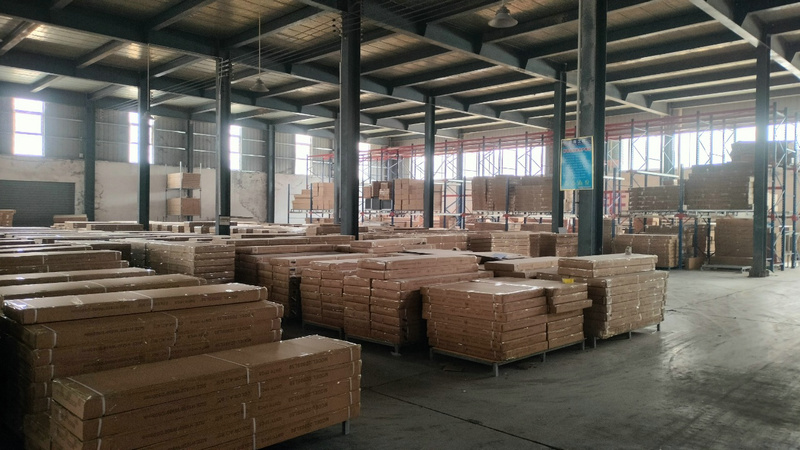
Pre-shipment warehouse staging
Storage
High speed automatic punching line
Automatic Punching
CNC automatic bending machine
Automatic Bending
High capacity cutting machine
Cutting machine
Multiple spot welder
Hydraulic CNC bending machine
Bending machine
Rod shearing machine
Continuous cold roll forming line
Rolling Line
Semi-automated packing line
Packing line
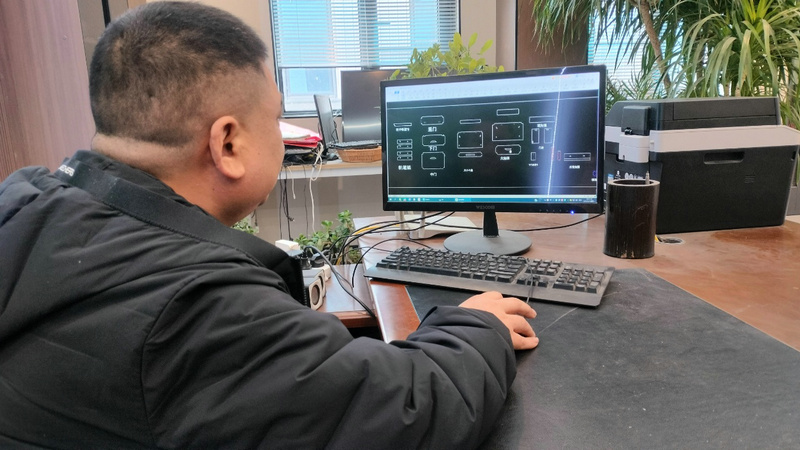
3D CAD/FEA engineering design department
Design & Engineering

Macro-Industry Solutions: Structuring Space for Dynamic Verticals

Heavy-duty racking systems are not a one-size-fits-all product. Different industrial verticals require distinct configurations, load profiles, accessibility metrics, and safety factors.

E-Commerce & High-Turnover Logistics
Designed for multi-tier mezzanine configurations and high-speed selective pallet racking, allowing quick picking access while maintaining load capacities exceeding 3,000kg per bay.
Cold-Chain & Food Grade Facilities
Uses specialized steel chemistry to resist low-temperature embrittlement down to -40°C. Coupled with dual-coating powder paint lines, it prevents moisture seepage and rust formation.
Automotive & Heavy Manufacturing
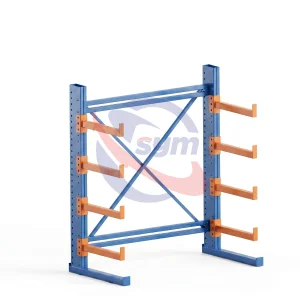
Engineered for concentrated payloads, utilizing structural cantilever configurations for raw pipes, chassis components, and custom tool storage systems with high impact resistance.

Technology Roadmap: The Future of Dynamic Warehousing (2025-2030)

The warehouse industry is shifting from static storage toward automated systems. At Shenzhen Shunyiming, our engineering division has designed a multi-generational technology roadmap focused on integrating physical steel storage with digital automation.

1. AGV/AMR Interface Compatibility: Modern distribution hubs rely on autonomous vehicles. Traditional racking upright layouts are not built for automated machinery. We design systems with wide-entry guides, precision base floor alignments, and specialized ground anchors. This provides a tolerance buffer that prevents vehicle collisions while maintaining stability.

2. Smart Racking IoT Sensors: By placing strain-gauge sensors on critical load-bearing beams, warehouses can monitor stress distribution in real-time. This alerts operators to overloaded levels or structural shifts caused by collision damage, preventing rack failure.

3. Green Steel Initiatives: To support global carbon-neutral goals, our factories are increasing the use of recycled steel alloys processed with low-emission electric arc furnaces (EAF). We also use VOC-free dry powder coatings to minimize environmental impact.

Regulatory Compliance & International Standards Integration

Exporting USD 28 million in structural steel systems requires compliance with international regulatory bodies. Our production lines maintain certifications for several key safety systems:

  • American RMI (MH16.1): Our calculations for cold-formed steel structural components conform to the Specification for the Design, Testing and Utilization of Industrial Steel Storage Racks.
  • European EN 15512: This European standard dictates design rules for adjustable pallet racking systems. It ensures we apply appropriate load factors, limit state structural checks, and deformation limits.
  • Australian AS 4084: Our engineering checks structural compliance with steel storage standards for the Oceania region, including seismic design criteria for local wind and land patterns.

Expert Q&A: Heavy-Duty Racking Procurement & Safe Practices

Get answers from our structural engineers and supply chain specialists on design, safety standards, and factory customization.

What steel grades do you use, and how do you guarantee material quality?
We primarily use Q235B and Q355B structural steel, sourced from leading domestic steel mills (such as Baosteel and Ansteel). Every batch of incoming raw material undergoes chemical analysis, yield strength testing, and elongation checks. We provide mill test certificates (MTC) matching the heat numbers on every order to guarantee structural integrity.
How do you perform load testing and structural validation?
Our 45-person QC inspection team conducts load testing by applying concentrated vertical loads on beam-to-column connections. This process measures deflection limits relative to beam span (typically L/240). We also perform finite element analysis (FEA) simulations to ensure structural performance prior to physical roll forming.
Can you customize racking dimensions and powder coat colors for OEM/ODM projects?
Yes. Our R&D division has 18 structural engineers who provide full OEM/ODM customization. We design custom profiles, frame geometries, and support structures to fit your warehouse layout. Our paint shop offers custom RAL color matching using high-durability epoxy-polyester coatings.
What is your lead time for high-volume orders?
Standard factory lead times range between 20 to 30 days from layout approval to production completion. Our integrated supply chain of 800+ partners helps us secure raw materials and maintain consistent delivery windows during high-volume periods.
How do you manage seismic compliance in high-risk zones?
We design seismic-resistant structures based on local building codes. This includes increasing baseplate footprint thickness, utilizing heavy-duty anchor bolts, and integrating additional cross-bracing to distribute seismic loads.