Cantilever Rack Factories & Supplier for the South Africa Market

High-Density Structural Cantilever Racking Engineered to South African Industrial Standards. SABS & SANS-10162 Compliant Storage Solutions for Heavy Industry, Mining, and Timber Hubs.

Request Technical Spec Sheets
32,000㎡
Global Production Facility
14+ Yrs
Heavy-Duty Racking Expertise
$28M
Annual Global Export Revenue
18
Senior Structural Engineers (OEM/ODM)

As global supply chains shift, South African industrial enterprises from Johannesburg to Durban Port demand heavy-duty warehousing racks that combine uncompromising load-carrying capacity with maximum life span. At Shenzhen Shunyiming Trading Co., Ltd., we deliver custom-engineered, hot-dip galvanized and powder-coated steel cantilever racking systems engineered to absorb high impact loads and harsh coastal environmental stress.

South Africa's Industrial & Logistical Infrastructure Demands Robust Storage

South Africa stands as the preeminent industrial hub of the African continent. Driven by dynamic growth in sectors such as structural steel manufacturing, bulk timber processing, mining infrastructure (Gauteng and North West provinces), and high-density agricultural logistics in the Western Cape, the pressure on warehouse footprint optimization is at an all-time high.

Heavy-duty storage systems in these regions face distinct challenges. From the salt-laden atmospheric conditions of coastal Durban and Gqeberha (Coega SEZ) which cause rapid corrosion, to the extreme load requirements of mining drill rods and structural steel beams, standard roll-formed racking is insufficient. Industrial warehouses require systems specifically engineered under strict material and environmental parameters:

  • Corrosion Mitigation: South Africa’s coastal industrial zones fall under C4 and C5 corrosion categories. Storing heavy structural components outdoors requires hot-dip galvanization (HDG) to ISO 1461 standards rather than standard liquid coatings to avoid rust and catastrophic mechanical failure.
  • Seismic and Load Shedding Resiliency: The dynamic loading during loading cycles requires precise safety coefficients. Without power, physical operations rely heavily on passive structural integrity to ensure safety during loading under forklift impact risks.
  • Compliance with Local Building Codes: Racking systems deployed in South Africa must respect SANS 10162 (The structural use of steel) and international standards (EN 15512 / FEM 10.2.09), defining safety limits for upright deflection and arm connection security.

The Strategic Advantage of China's Heavy Racking Manufacturing

Procuring heavy industrial racking from Shenzhen Shunyiming Trading Co., Ltd. allows South African firms to close the gap between performance and budget. Utilizing advanced Chinese steel mill supply chains (Q235B and Q355B structural steel grade) combined with highly automated, precision production lines, we provide:

  • Economies of Scale: A massive 32,000+ sqm manufacturing facility with a robust network of over 800 supply chain partners, reducing raw material lead times and cost-per-ton metrics significantly compared to local fabricators.
  • High-Precision Customization (OEM/ODM): 18 structural engineers execute finite element analysis (FEA) to tailor column thickness, upright profile width, taper arms, and base assemblies precisely based on the specific load criteria of the South African user.
  • Certified Global Export Workflow: With an annual export volume of USD 28 Million and dedicated international trade teams, we manage seamless freight routing from Shenzhen/Guangzhou ports to Durban, Port Elizabeth, and Cape Town harbors.

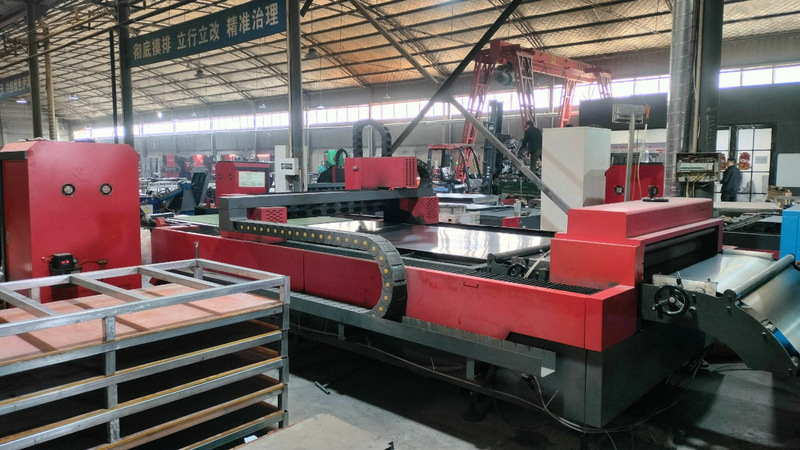
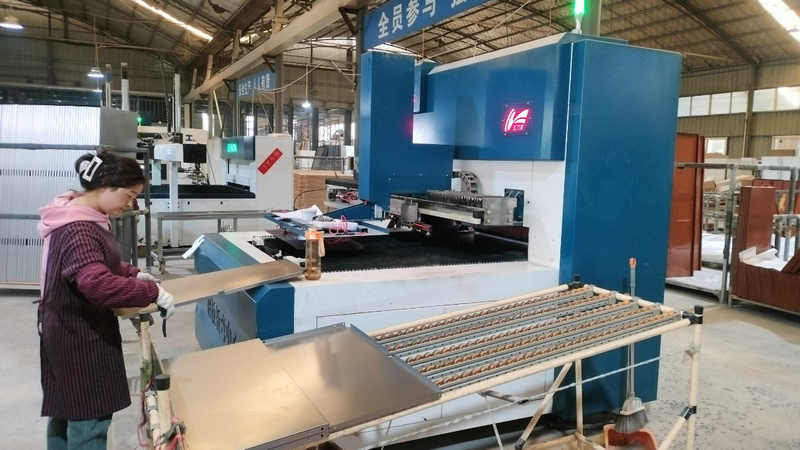
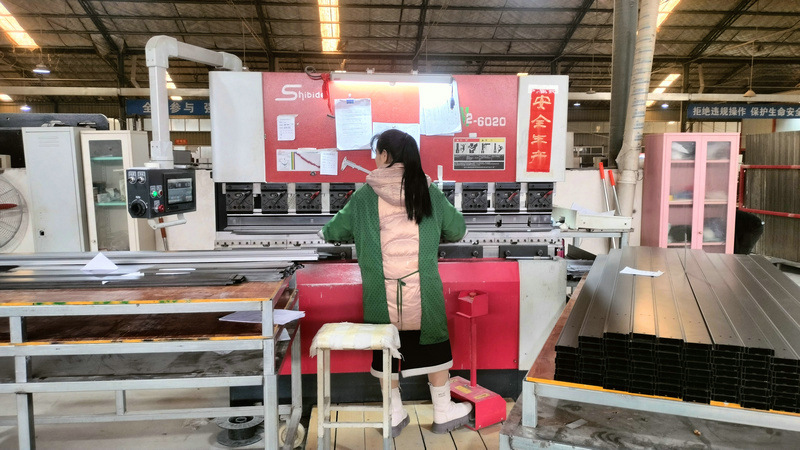
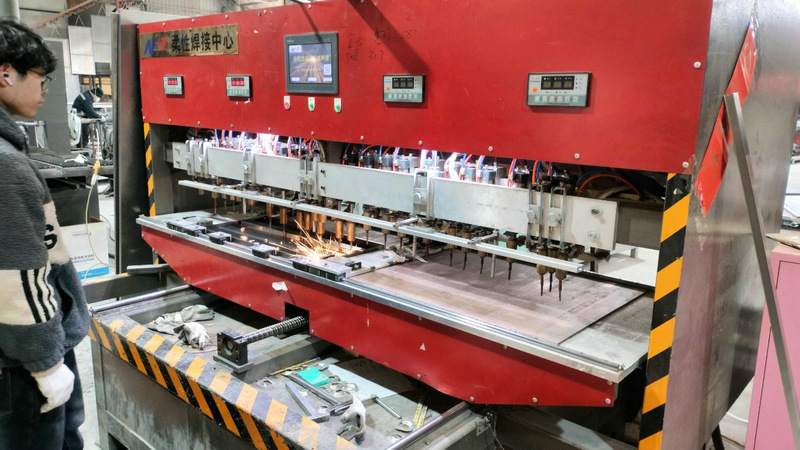
Uncompromising Quality Control & Automated Production Flow

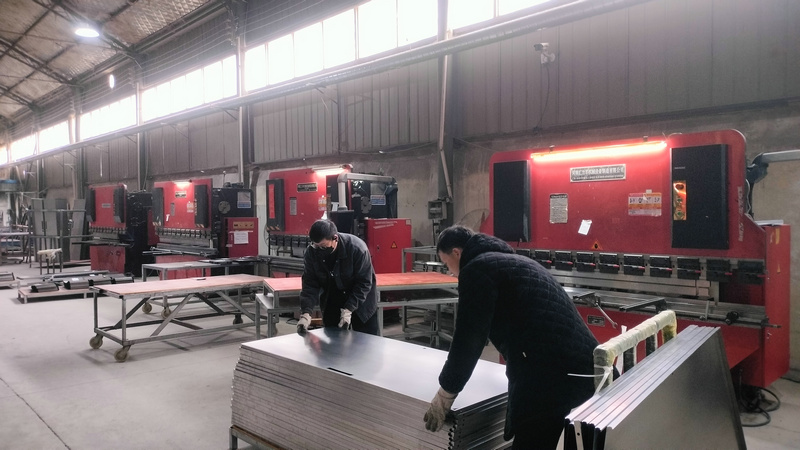
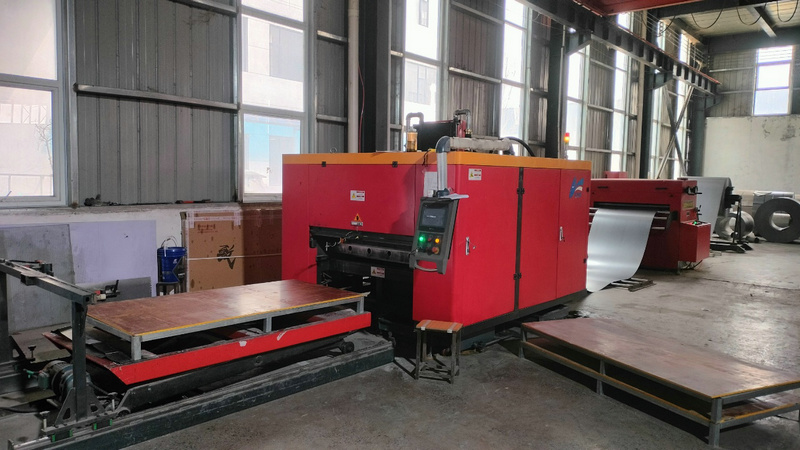
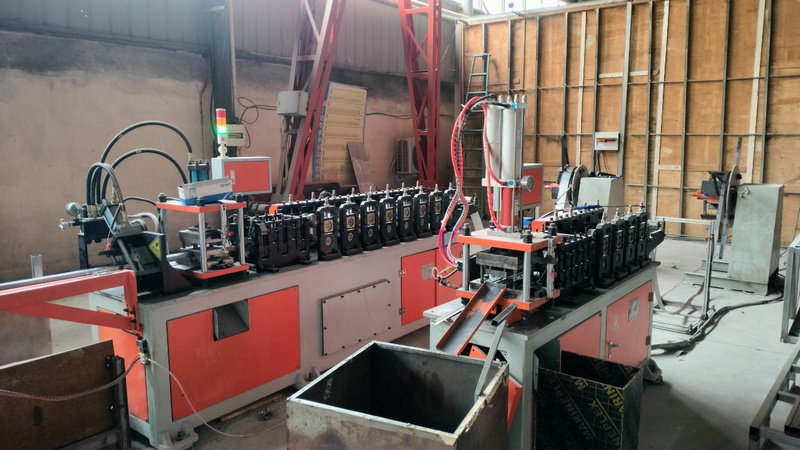
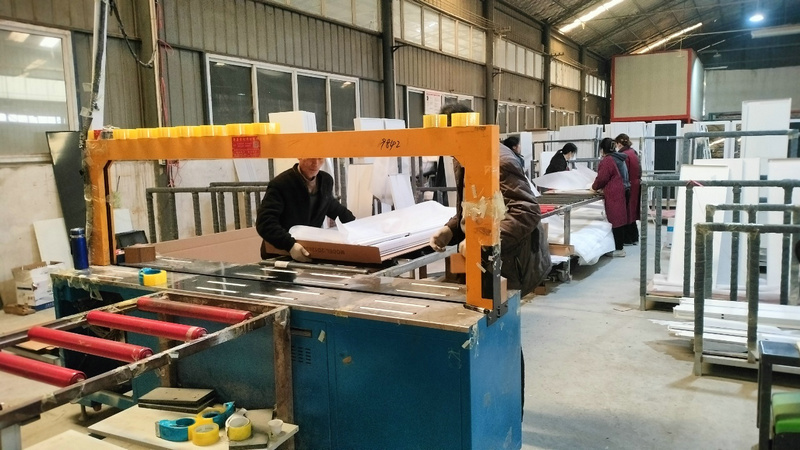
How we manufacture heavy-duty storage racks in our 32,000㎡ state-of-the-art facility to meet international ISO9001 & CE safety standards.
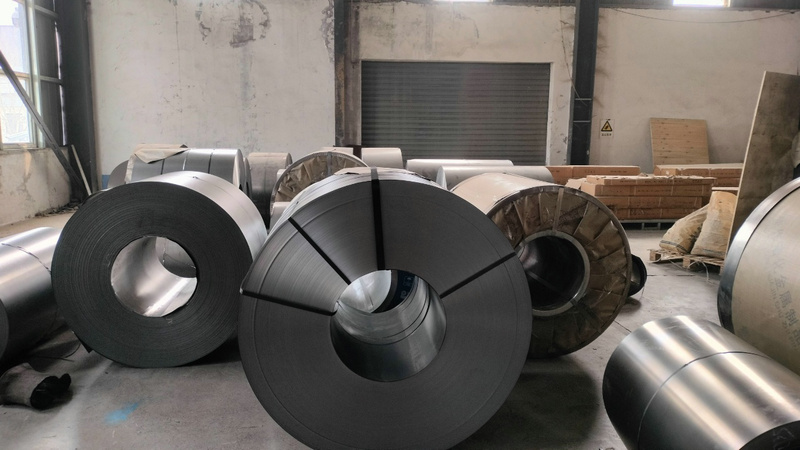
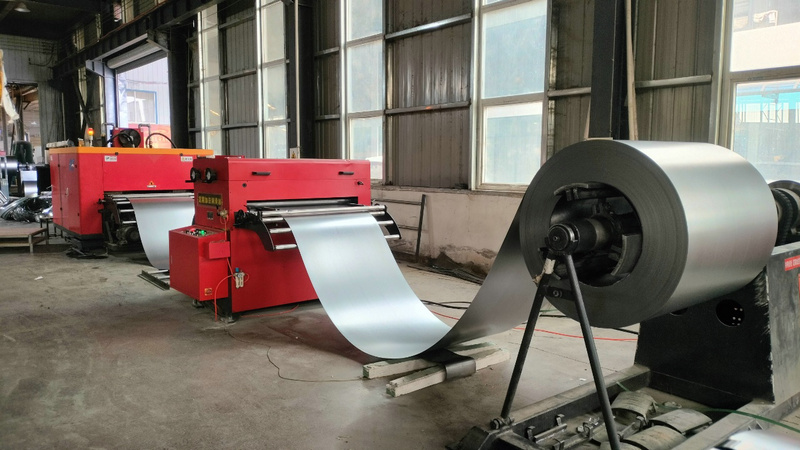
Raw material inspection
Raw Material Inspection
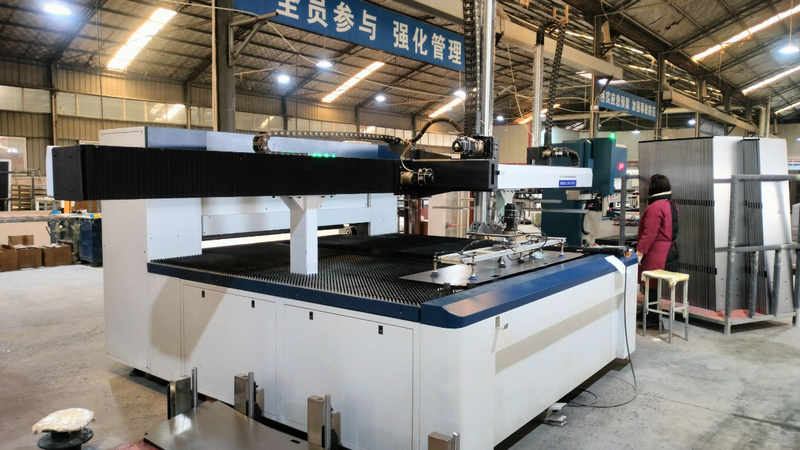
Cutting process
Precision Steel Cutting
Punching
CNC Upright Punching
Secondary cutting
Secondary Profiling
Bending Process
Heavy-Duty Plate Bending
Bending
Arm Connection Pressing
Robot Welding
Robotic Structural Welding
Electrostatic Painting
Electrostatic Powder Coating
Finished product
QC Visual & Tolerance Check
Safe Packaging
High-density Export Packing
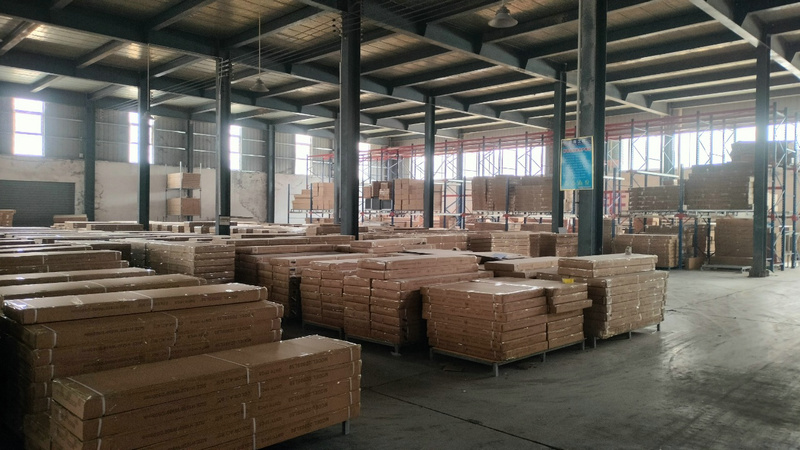
Storage for dispatch
Storage Yard Control
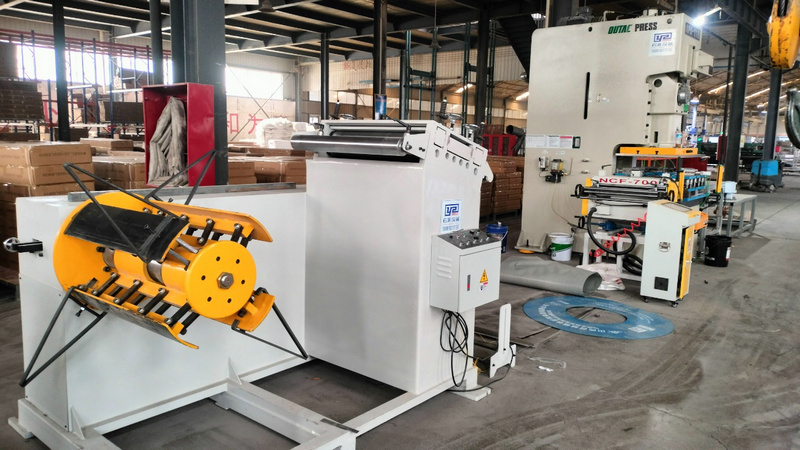
Auto Punching Line
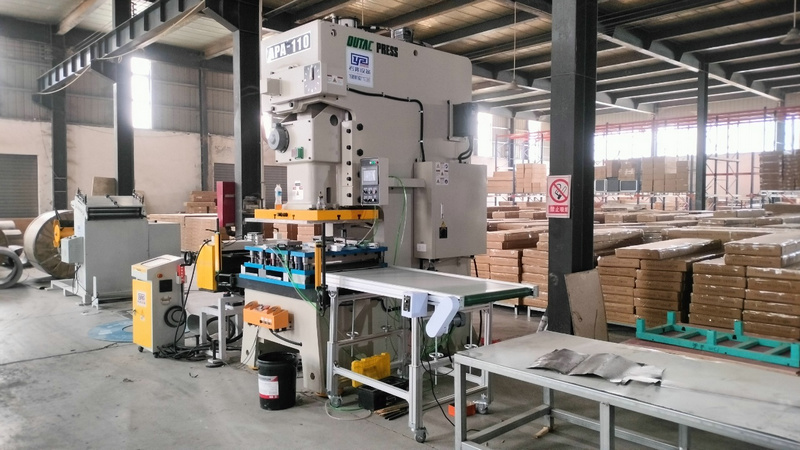
Automatic Punching Line
Automatic bending machine
CNC Automatic Bending
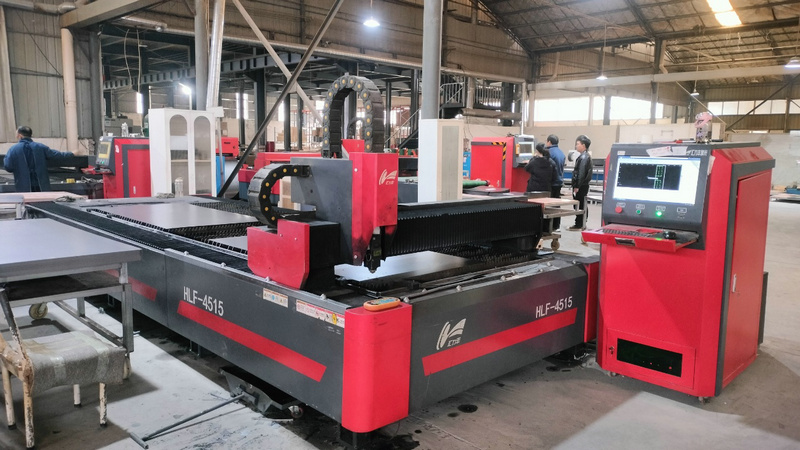
Cutting machine
High-speed Cold Saw Cutting
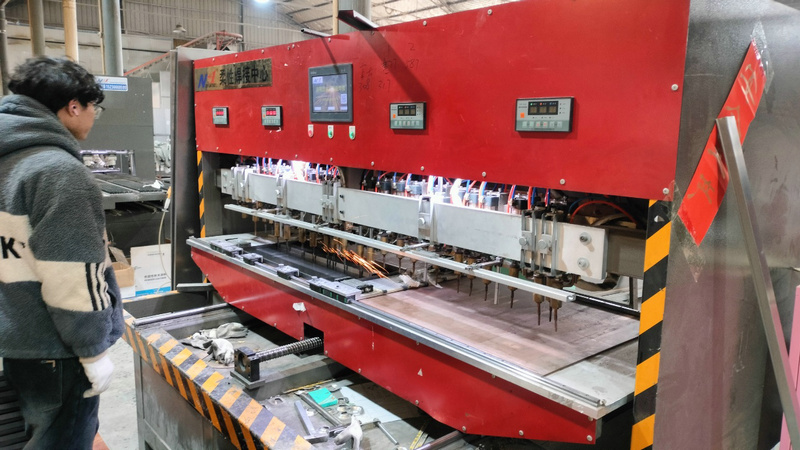
Multiple spot welder
Multiple Spot Welding System
Bending machine
Multi-axis Heavy Press Brake
Rod shearing machine
High-capacity Rod Shearer
Rolling Line
Cold-formed Section Rolling Line
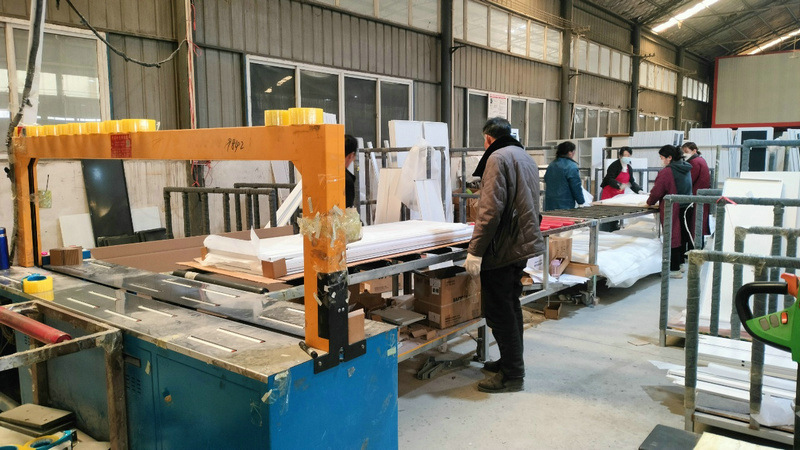
Packing line
Automated Stretch Wrapping
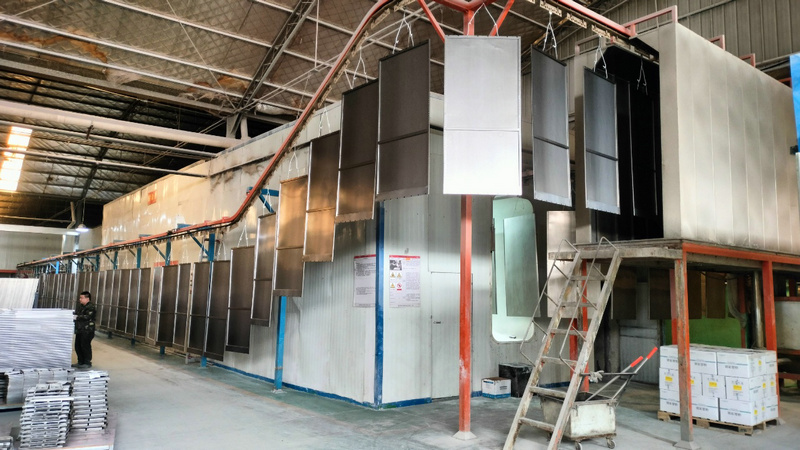
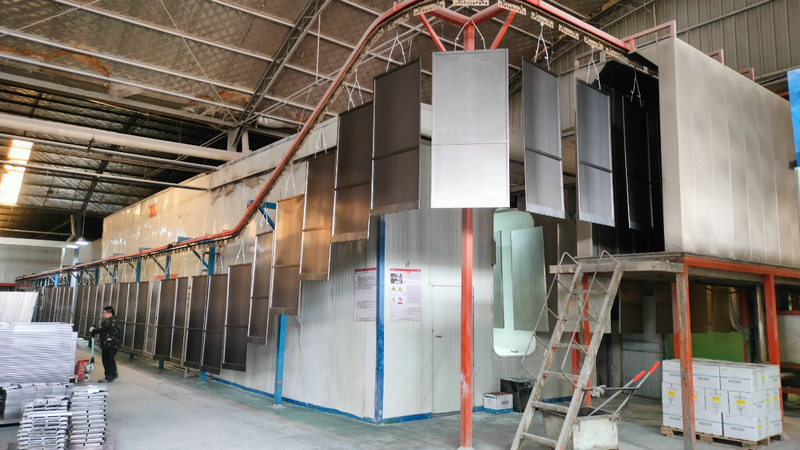
Paint shop
Continuous Powder Coating Line
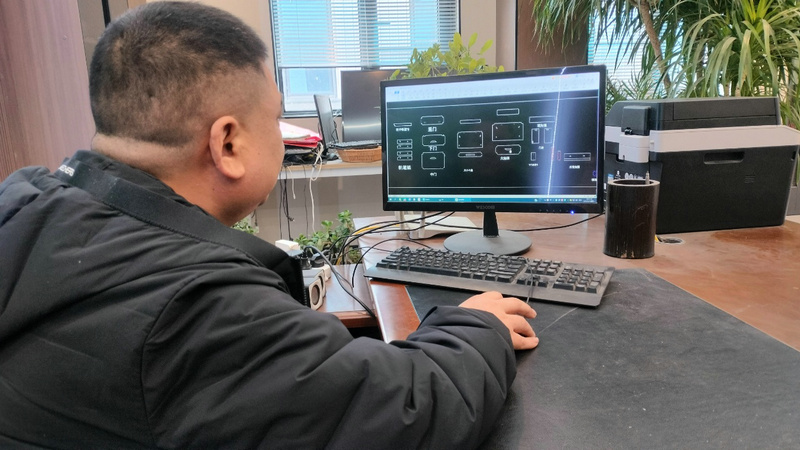
Design office
CAD & FEA Design Department

Anatomy of a South African Standard Heavy Cantilever Racking System

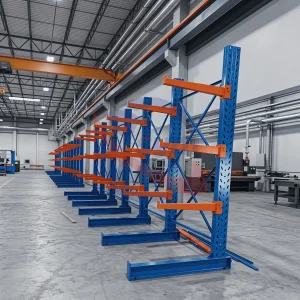
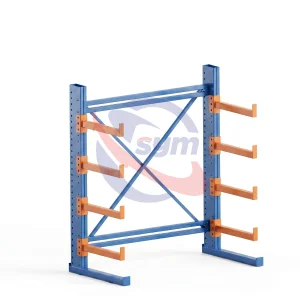
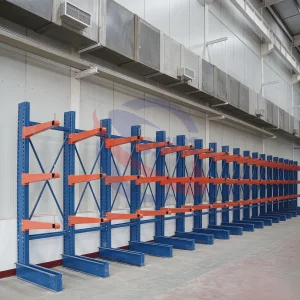
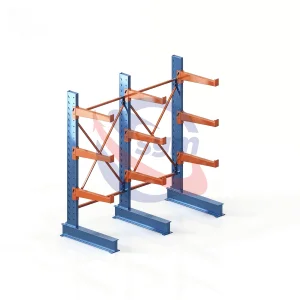
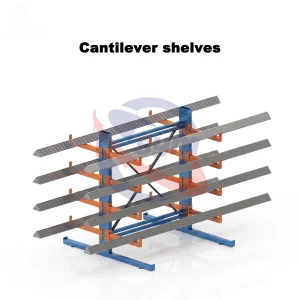
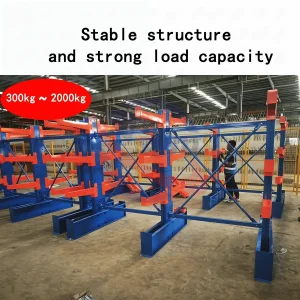
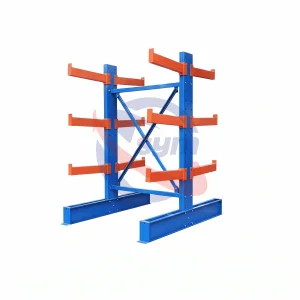
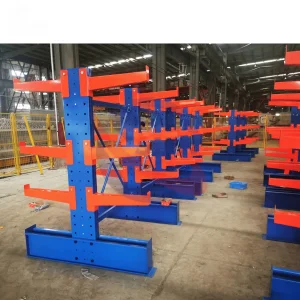
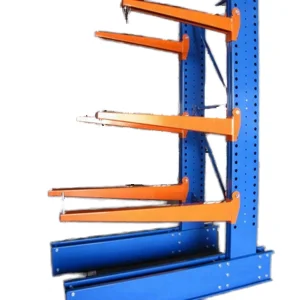
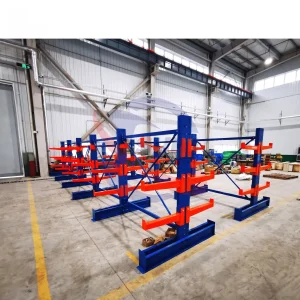
Unlike standard pallet racking, cantilever racking features free-standing upright columns configured with horizontal load-carrying arms extending outwards. This design eliminates vertical obstructions at the front of the rack, allowing the storage of long, irregular, or dynamic bundles of materials. Key design variables that our engineering team customizes include:

1. Column Structural Form (H-Beam vs. Roll-Formed C-Profile)

We build columns using two primary methods based on required arm capacity:

  • Structural H-Beams: Using heavy hot-rolled steel profiles (IPE / HEB Equivalent). Ideal for loads exceeding 3,000 kg per arm level, particularly popular in mining equipment storage and heavy steel yards in Gauteng.
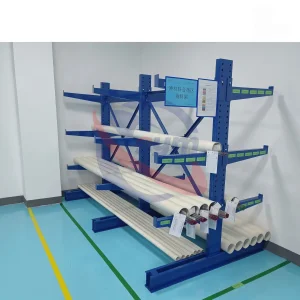
  • Roll-Formed Steel Profiles: Custom high-yield cold-rolled sections with double-fold reinforcement, suitable for cost-effective applications like PVC conduits, light lumber yards, and distribution depots.

2. Adjustable Arm Designs (Inclined, Flat, and Pivot Arm Safety)

Arms are secured to the column using heavy-grade grade 8.8 structural pins or high-strength friction-grip bolts. Our pivoting arm design prevents structural strain when forklift forks accidentally lift the arm from underneath; the arm simply swings upwards, eliminating buckling hazards. Custom options include arm end-stops, retaining pipes, and custom angles (from 0 to 4 degrees incline) to prevent round tubes from rolling off.

3. Structural Bracing Kits

Cross and diagonal bracing sets engineered using heavy steel angles are bolted between upright columns to establish lateral rigidity. Bracing distances are calculated dynamically to resist wind loads in outdoor marine environments (e.g. Durban coastline installations).

Expert Engineering FAQ: Cantilever Systems in South Africa

Get technical answers about compliance, structural integrity, load computations, and logistics configurations.

How do you verify compliance with SANS 10162 and SANS 10160 codes?
All structural cantilever designs undergo simulation testing in our CAD and finite element analysis (FEA) suites. We configure our load models based on structural design actions defined by SANS 10160 (covering dead, live, and wind actions for coastal or inland sectors). We use certified high-yield structural steel (grade Q355B, comparable to Grade S355JR under European codes) to ensure ultimate limit state safety under local guidelines.
What surface treatments are recommended for outdoor storage in coastal Durban vs. inland Johannesburg?
For indoor or low-humidity regions like Johannesburg, our premium electrostatic polyester powder coating provides highly durable physical and chemical protection. However, for outdoor yards or marine locations near Durban or Cape Town, we recommend Hot-Dip Galvanization (HDG). Our HDG process coats both the internal and external surfaces of columns and arms with a heavy zinc layer conforming to ISO 1461, ensuring decades of rust-free service under harsh salt mist conditions.
How do you calculate dynamic and static deflection for long loads?
Deflection limits dictate that cantilever arms should not deflect more than L/180 (length of arm divided by 180) under design static loading. In critical high-precision warehousing, we design to L/300 for structural safety. Our engineering calculations factor in load distribution length, product overhang (not exceeding 50% of the distance between arm centers), and the impact force of forklifts placing dynamic bundles.
What is the standard lead time for shipping dynamic custom orders from your facility to South African ports?
Manufacturing of custom structural cantilever systems typically ranges from 20 to 30 days depending on raw material profiles. Sea freight from Shenzhen or Guangzhou ports to Durban Port ranges from 18 to 25 transit days, with Port Elizabeth and Cape Town taking 24 to 28 days. Our logistics department coordinates container consolidation, heavy-duty seaworthy bundling, and issues comprehensive bills of lading, structural certificates, and packing lists to expedite South African SARS customs clearance.

Partner with an Industry-Leading Cantilever Manufacturer

Get a structural safety certificate, detailed 3D design rendering, and a competitive custom quote tailored for your South African storage site.

Send Inquiry Now