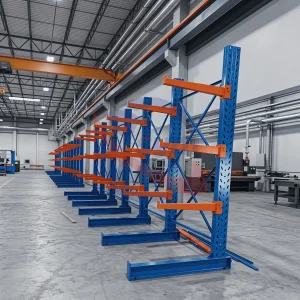
As South Korea’s economic locomotive, the Seoul Metropolitan Area—encompassing Seoul, Incheon, and Gyeonggi-do—functions as one of the most densely populated logistics complexes globally. Industrial real estate prices in prime hubs such as Incheon Free Economic Zone (IFEZ), Guro Digital Complex, and logistics corridors near the Port of Incheon have skyrocketed. This spatial constraint has forced structural shifts in logistics designs, moving away from horizontally spread storage systems to optimized high-density vertical solutions.
Storing heavy, elongated, and non-standard-shaped goods like structural steel tubing, extrusion profiles, construction timber, and automotive stampings presents a unique engineering challenge in South Korea. Modern manufacturing facilities serving Korea's shipbuilding, automotive (Hyundai-Kia), and electronics (Samsung, SK Hynix) supply chains require racking architectures that guarantee massive load capacities while allowing immediate accessibility. Structural cantilever racking has become the default blueprint for resolving these spatial conflicts, facilitating dynamic product retrieval without compromising overhead airspace safety.
Furthermore, South Korea is subject to stringent municipal building guidelines, particularly regarding structural load profiles under seismic conditions. Industrial setups must comply with the Korean Building Code (KBC) standards. As a premier global manufacturer, we deliver cantilever racking designed in accordance with RMI (Rack Manufacturers Institute) and European standards, matching the heavy safety parameters mandated by South Korean structural inspectors.
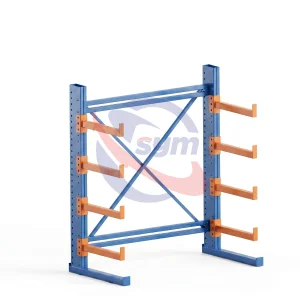
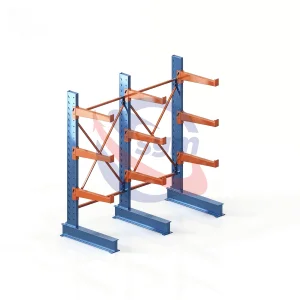
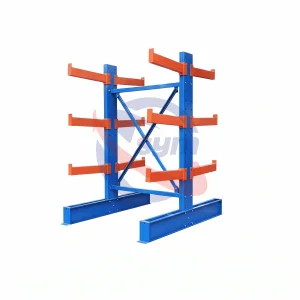
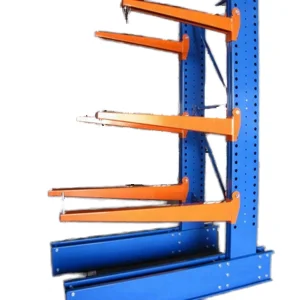
Traditional pallet racking is designed for modular, uniform units, but the global industrial landscape handles varied materials that require free-span storage. The elimination of upright obstructions in front of the storage column enables rapid fork access, eliminating the risk of vehicle-to-rack impacts that often trigger catastrophic rack collapses. From an engineering standpoint, cantilever racks are comprised of three critical mechanical elements: the vertical upright column, the stabilizing base, and the load-bearing arms.
Our custom cantilever frames employ high-strength steel grades such as Q235B and Q355B (equivalent to international standards ASTM A36 and ASTM A572 Grade 50). Using Finite Element Method (FEM) analysis, our structural engineers model stress distributions across various arm configurations to prevent permanent deformation under load. For Seoul-bound shipments, we prioritize tapered arm designs that naturally compensate for minor deflection under load, offering a safe, reliable, and durable setup.
Each design is structural-stress validated using Finite Element Method software to simulate weight deflection, guaranteeing physical integrity under maximal load capacities.
Built with high-performance Q355B structural steel, ensuring high load tolerances, elasticity, and weldability compared to low-grade commercial steels.
Punch holes placed at standard vertical intervals (typically 75mm or 100mm pitches) allow dynamic, tools-free reconfiguration of arm positions as storage needs change.
Established in 2015, Shenzhen Shunyiming Trading Co., Ltd. is a premier manufacturer and global supplier specializing in heavy-duty industrial racking and smart warehouse storage systems. Operating out of a state-of-the-art facility spanning over 32,000 square meters, we bring over 14 years of deep industry expertise and 8 years of dedicated international trade experience to the global market. Driven by innovation, our annual export revenue has reached USD 28 million, serving clients across North America, Europe, Southeast Asia, and the Middle East.
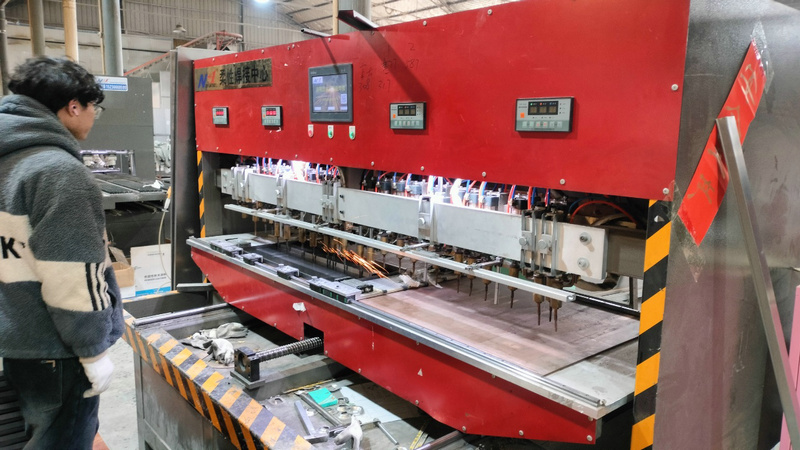
At Shenzhen Shunyiming, quality and structural integrity are paramount. Supported by a robust network of more than 800 supply chain partners, we cater primarily to global logistics hubs, large-scale enterprise warehouses, industrial distributors, and e-commerce fulfillment centers. Our dedicated quality control team of 45 certified inspectors enforces rigorous testing protocols—including full raw material incoming inspection, automated online weld integrity monitoring, and heavy load-capacity stress tests—ensuring every racking system meets international safety standards like ISO9001 and CE.
Innovation is deeply embedded in our operations. Our end-to-end foreign trade expertise and strong R&D department, staffed by 18 senior structural engineers, enable full OEM/ODM customization. From dynamic load calculations and custom dimensions to specialized anti-corrosion powder coatings and seismic-resistant layouts, we deliver tailor-made solutions. In the past year alone, our R&D team successfully introduced 65 new product designs to help our clients optimize warehouse footprint and operational efficiency.
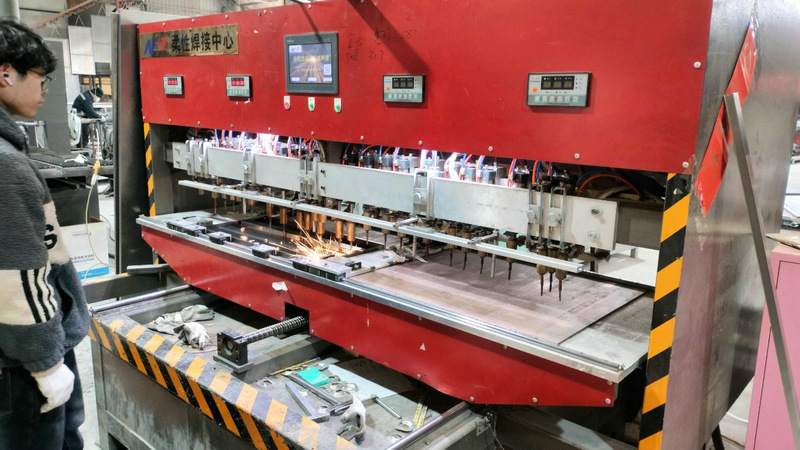
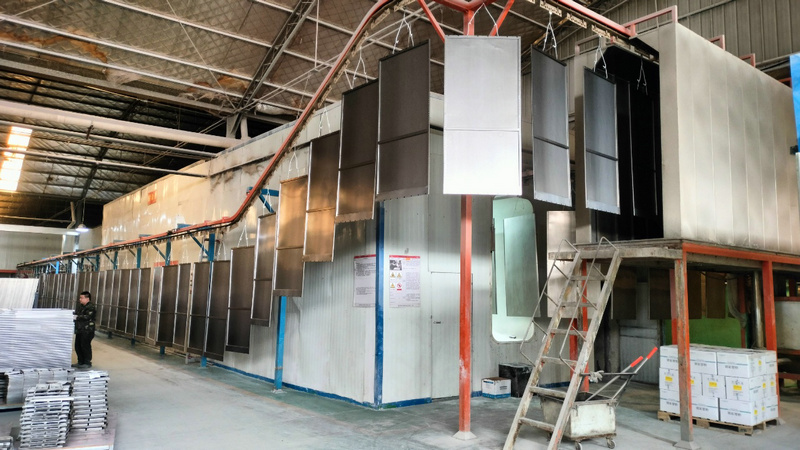
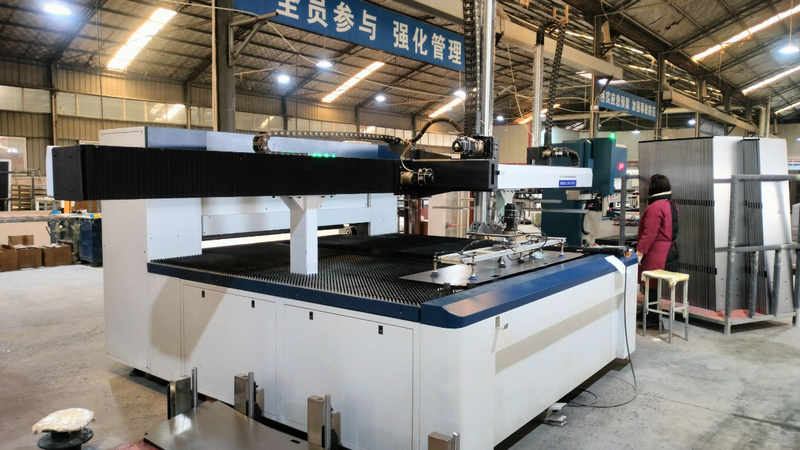
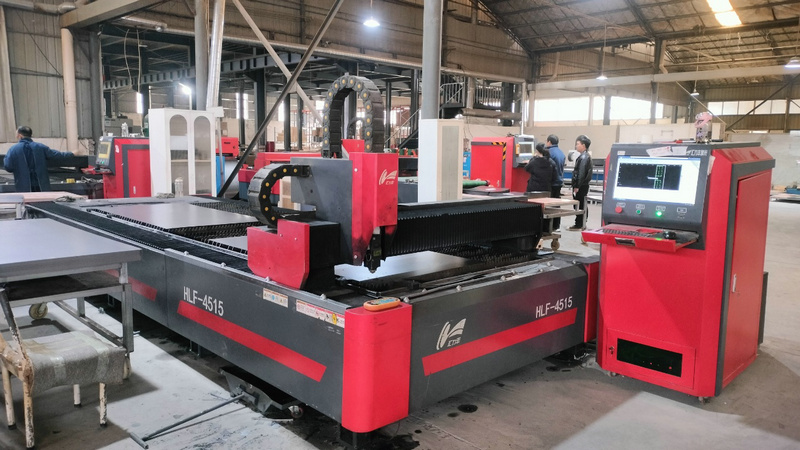
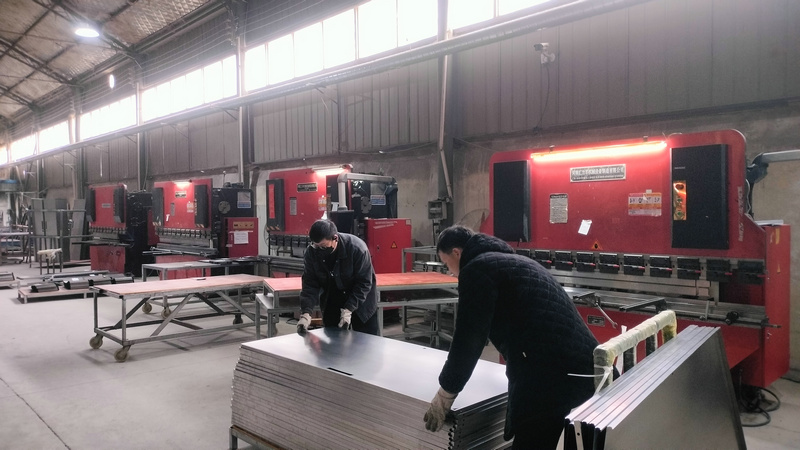
Sourcing directly from our specialized factory provides distinct economic and quality benefits over local distributors. The integration of advanced automation lines—from robotic welding cells to automated electrostatic powder coating booths—enables high throughput with minimized tolerance deviations. Our strategic proximity to major shipping hubs in Shenzhen and Guangzhou enables rapid freight dispatch, with direct shipping transit to the Port of Incheon typically requiring only 4 to 6 days. This fast transit, combined with the cost advantages of Chinese structural steel sourcing, yields substantial savings of up to 35% on total project expenses for Korean developers, even after accounting for international shipping and import duties.
Compare standard configurations below to determine the baseline specs needed for your industrial project.
| Parameters | Light to Medium Duty Racking | Heavy Duty Racking | Super Heavy-Duty H-Beam Racking |
|---|---|---|---|
| Load Capacity | 100 kg to 500 kg per Arm | 500 kg to 1,500 kg per Arm | 1,500 kg to 4,000+ kg per Arm |
| Structural Material | Roll-formed Steel (Q235B) | Roll-formed & Structural Steel (Q355B) | Hot-Rolled H-Beam Steel Profiles |
| Column Height (H) | 1,500mm to 3,000mm | 3,000mm to 6,000mm | Up to 12,000mm (Specialist Design) |
| Arm Length (L) | 400mm to 800mm | 800mm to 1,500mm | Up to 2,500mm (Custom Designs) |
| Finishing Treatment | Powder Coating (Interpon/AkzoNobel) | Seismic-Resistant Epoxy Coating | Hot-Dip Galvanized (Outdoor Service) |
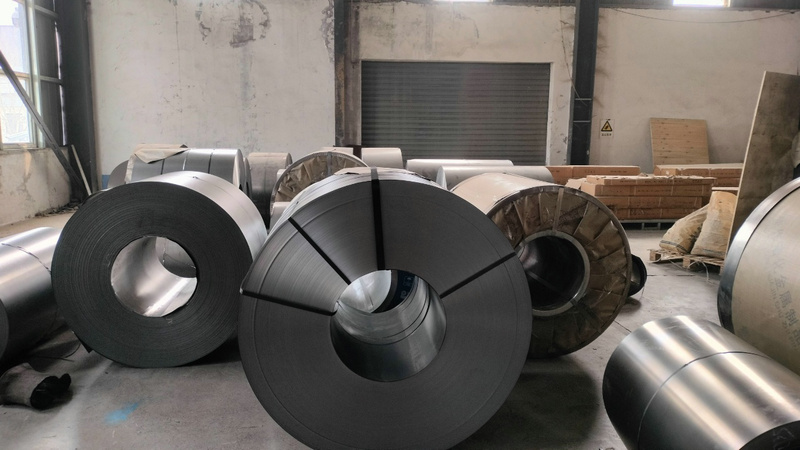
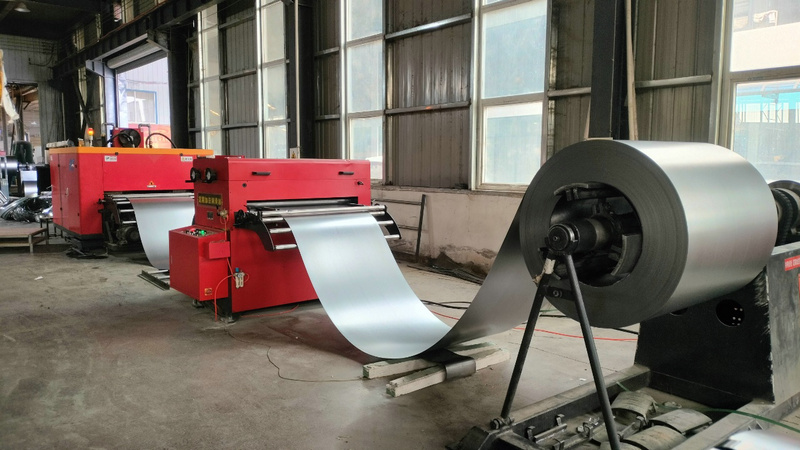
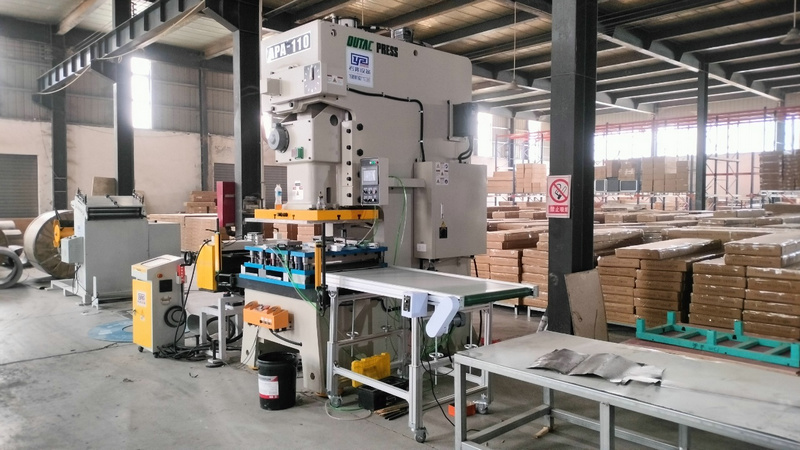
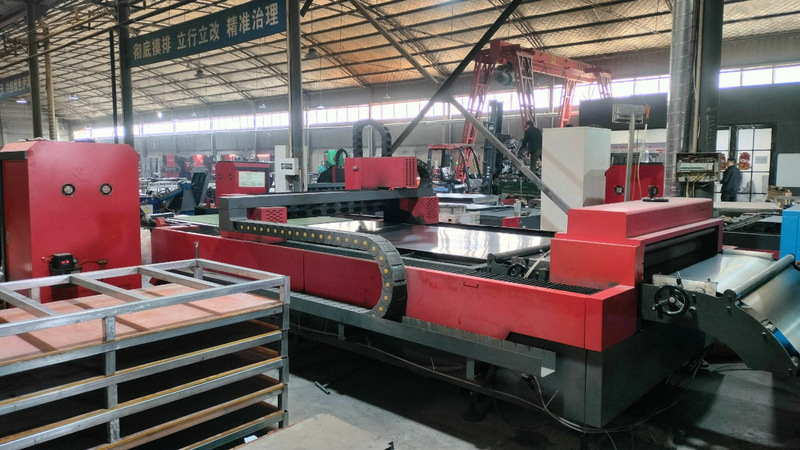
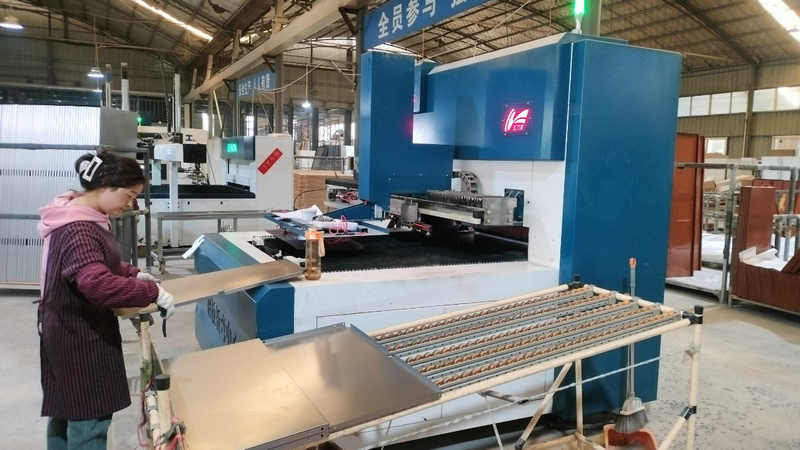
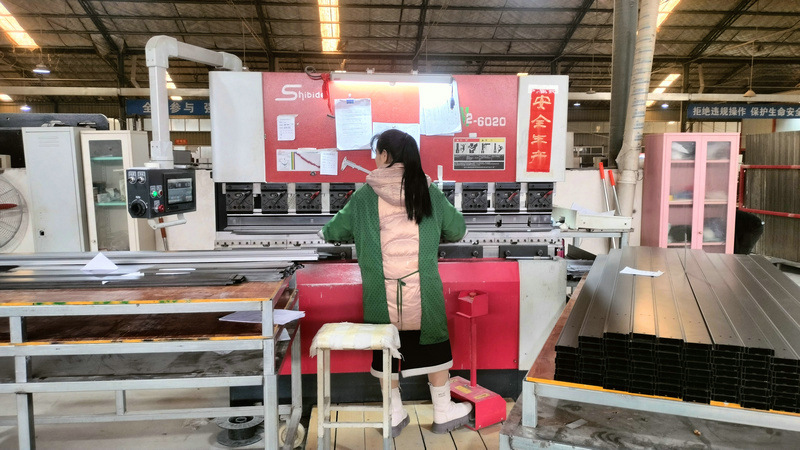
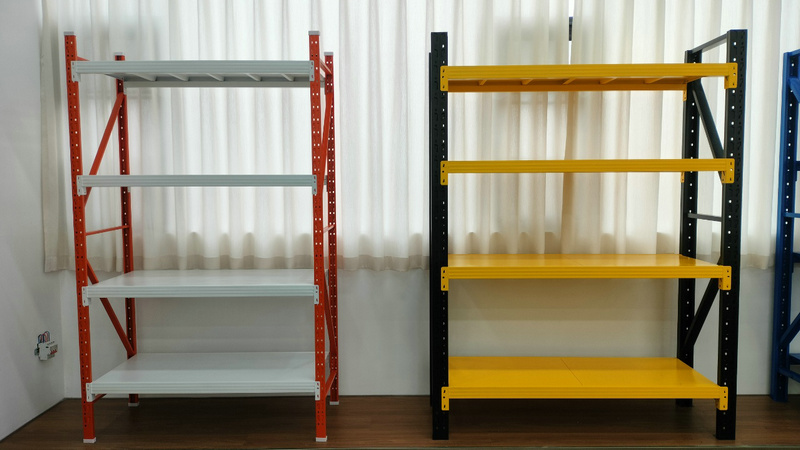
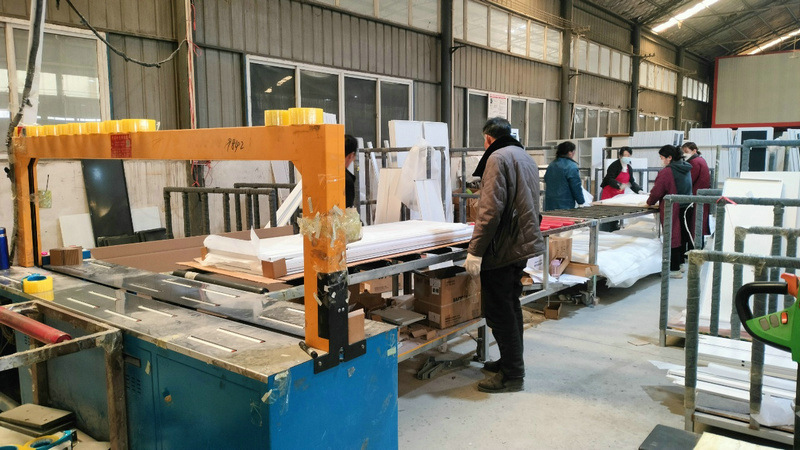
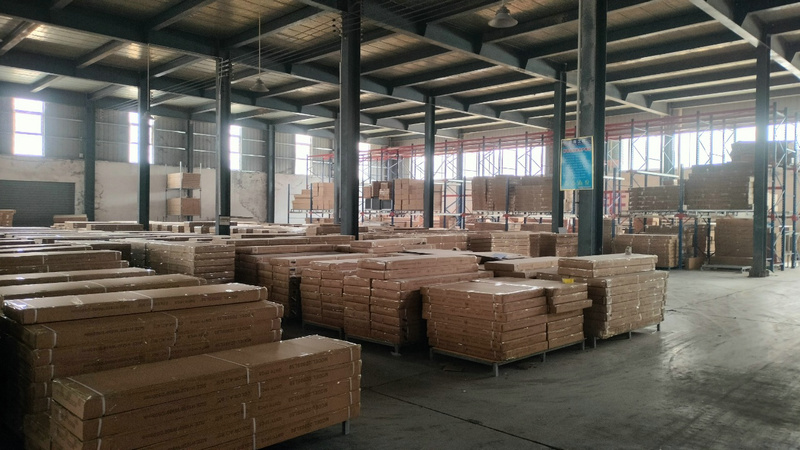
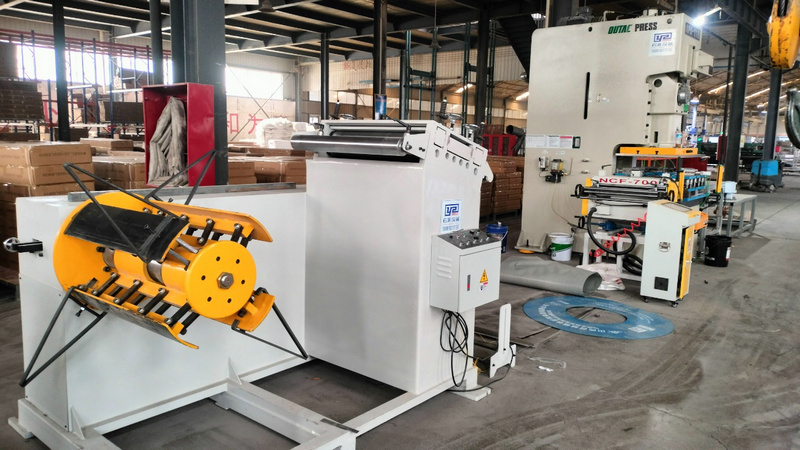
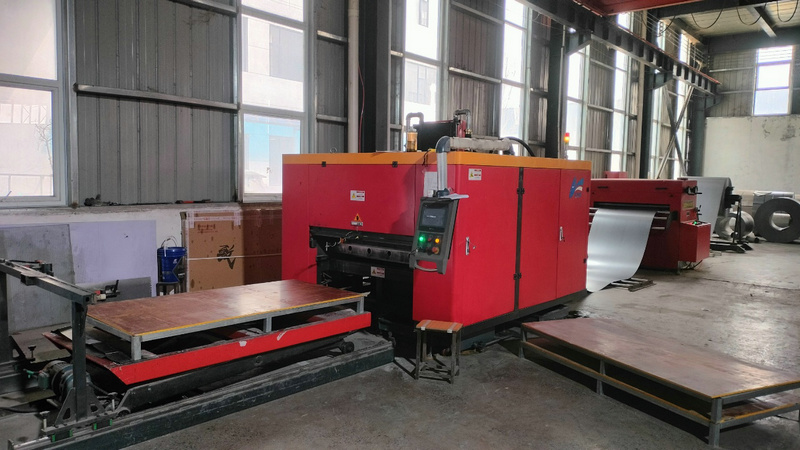
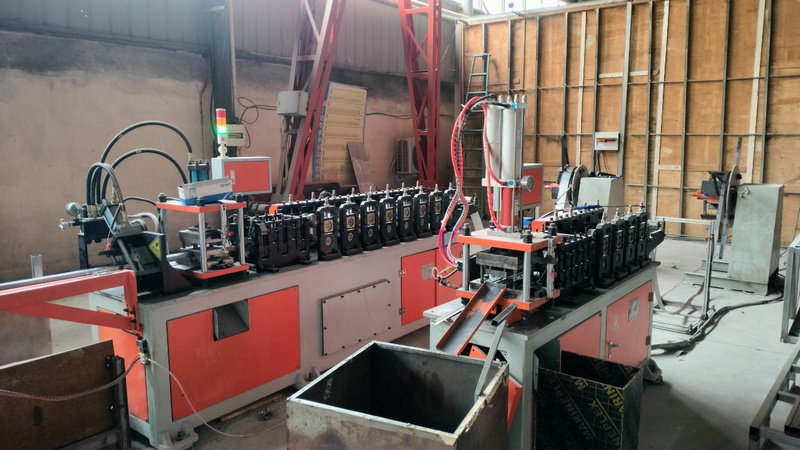
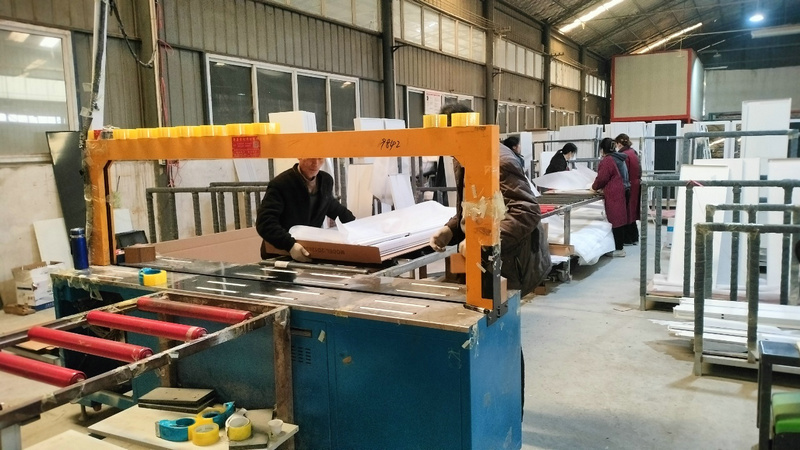
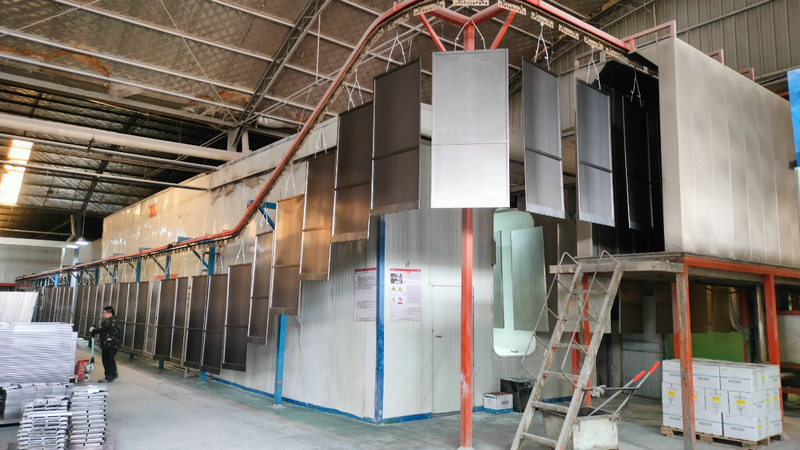
To ensure high quality control, we manage all production stages, from raw material validation to final structural packing. Below is the step-by-step manufacturing cycle carried out within our 32,000-square-meter facility:
Standard storage systems often struggle with long-span, variable, and high-weight loads. We design cantilever solutions to address specific handling dynamics:
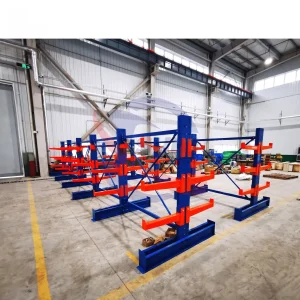
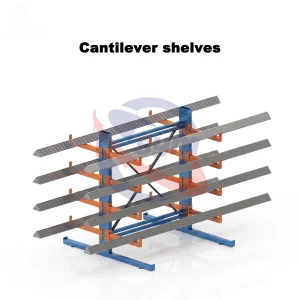
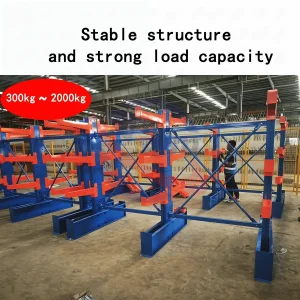
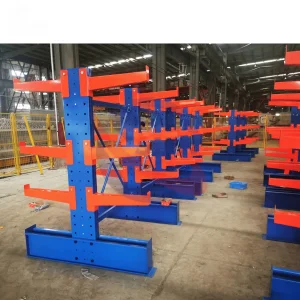
1. Double-Sided Cantilever Racks: Designed to double storage capacity by utilizing back-to-back storage channels mounted to a central structural spine. They are ideal for high-throughput distribution hubs in Incheon and Gyeonggi-do that operate dual-side multi-directional reach trucks.
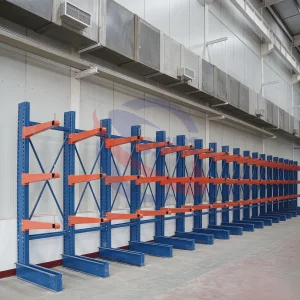
2. Single-Sided Cantilever Racks: Ideal for wall-mounted layouts. These configurations optimize peripheral floor spaces, making them suitable for Gyeonggi engineering workshops and tool storage yards.
3. Outdoor Galvanized Cantilever Racking: Exposed yards in maritime zones like Gyeongin Port require enhanced weather resistance. Our hot-dip galvanization (HDG) coating process exceeds 80 microns in thickness, providing decades of protection against salt spray corrosion.
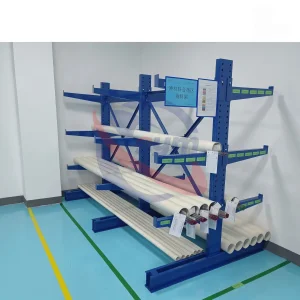
4. Heavy-Duty Cantilever for Pipes and Steel: Designed to handle high concentrated loads without column rotation or buckling. They feature structural steel pipe stops and safety locking pins on the arms to prevent round profiles from rolling off.
Sourcing large structural racking systems requires careful planning of logistics, import regulations, and installations. Thanks to the China-South Korea Free Trade Agreement (FTA) and RCEP, customs duties are minimized or eliminated for industrial storage equipment under HS code 7308.90, provided correct Origin Certifications are issued.
Our logistical teams handle complete container preparation, optimizing nesting configurations to secure structural parts and prevent paint chipping during transport. Upon arrival at the Port of Incheon, our localized logistics partners can coordinate direct shipping to sites in Seoul, Ansan, or Suwon, ensuring efficient coordination from factory floor to installation.
 Shunyiming Racking