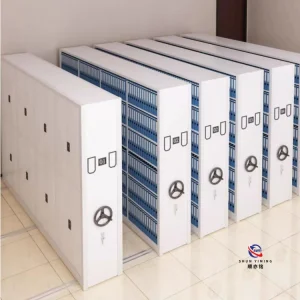
Select commercial-grade installations engineered for hospitals, universities, and corporate institutions across Australia.
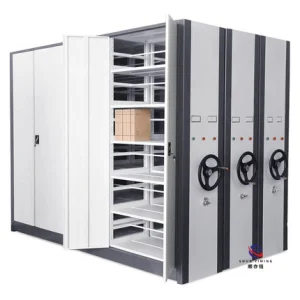
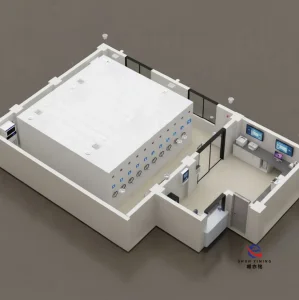
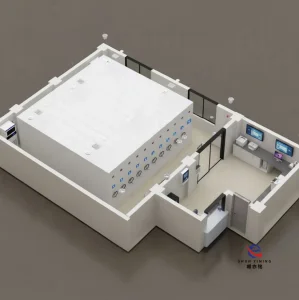
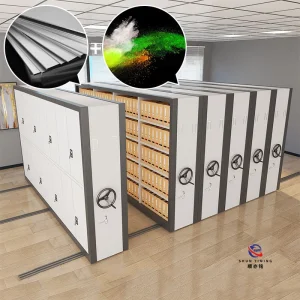
In Australia's rapidly evolving metropolitan commercial centers—spanning from Sydney's CBD to the booming industrial corridors of Melbourne, Brisbane, and Perth—urban land pricing has driven real estate costs to historic highs. Commercial, institutional, and industrial organizations are facing unprecedented pressure to optimize footprint efficiency. Traditional static storage models are no longer economically viable. Compact, high-density shelving architectures solve this issue by eliminating unnecessary access aisles, allowing users to reclaim up to 50% to 70% of floor space or double their storage capacity within the same footprint.
Whether it is medical records storage for healthcare campuses in New South Wales, rare collection archiving in State Libraries, high-security record rooms for national government departments in Canberra, or heavy-duty parts distribution centers in Queensland, smart space utilization directly correlates to operational profitability. The demand is shifting away from basic static racking toward intelligent, high-density mobile storage solutions that can seamlessly integrate into modern building automation systems while adhering to strict architectural safety standards.
When sourcing and deploying high-capacity mobile shelving within Australia, architectural and facility teams must navigate a strict matrix of local compliance and structural regulations. Installing heavy-load mechanical or smart-electric dynamic tracking systems requires careful engineering calculations to protect building structural integrity and ensure operator safety.
Key parameters that must be evaluated include:
This code mandates precise structural design methods for cold-formed steel structural members. All shelf uprights, beams, and track bases must be calculated to prevent structural collapse under localized stress and maximize load-bearing safety margins.
Seismic risk assessment is essential, especially in specific geological zones across Australia. Systems must be engineered with integrated anti-tilt mechanisms, base locks, and secure floor anchoring systems designed to withstand seismic accelerations.
Work Health and Safety (WHS) laws require safety interventions for operators of mechanical and motorized shelving systems. Anti-collision sensors, motion locks, and clear safety indicators prevent entrapment and crush risks.
Shenzhen Shunyiming addresses these regulatory landscapes by employing senior structural engineers who construct full finite element analysis (FEA) computer models of potential layouts. This ensures that live loads, dead loads, and seismic stresses conform precisely to the required AS/NZS codes. Additionally, our premium materials meet or exceed ISO9001 and CE directives.
The commercial storage industry is undergoing a paradigm shift. Traditional hand-crank manual systems are rapidly transitioning to smart, software-driven, electric automated mobile shelving units. By embedding microcontrollers, PLC units, and sensor arrays into the steel frameworks, shelving systems have evolved from passive furniture into dynamic, connected IoT devices.
Below is a comparison of technological parameters showcasing the evolution of mobile shelving:
Utilize physical hand-wheels with heavy-duty internal chain drives and reduction gears. Best suited for smaller, cost-conscious document archives, hospitals, and libraries. Simple, highly durable, requiring zero power connection.
Powered by low-noise, direct-drive DC brushless motors. Movement is controlled via intuitive touchscreens. Advanced features include auto-ventilation cycles to protect paper archives and automated aisle-closing schedules.
Seamlessly integrates with warehouse management software (WMS) or hospital management databases. Allows operations like remote opening via RFID cards, automated inventory tracking via barcode/RFID scanner mounts, and LED lighting that illuminates only the active aisle.
Deep-dive into the state-of-the-art manufacturing processes at Shenzhen Shunyiming Trading Co., Ltd.
Operating out of a modern 32,000 square meter facility, Shenzhen Shunyiming leverages over 14 years of heavy manufacturing experience to deliver high-precision steel products. The production line uses premium cold-rolled steel and processes it through high-speed automated machinery. Every batch undergoes strict quality control, with a dedicated team of 45 certified inspectors performing weld integrity audits, weight tolerance checks, and corrosion resistance performance measurements.
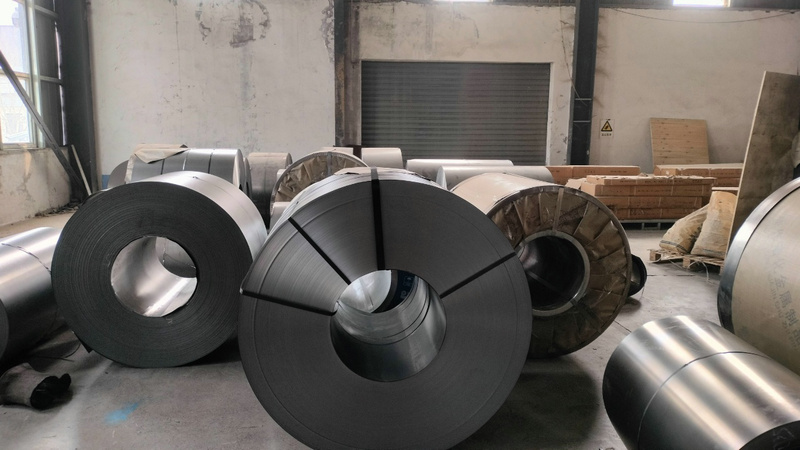
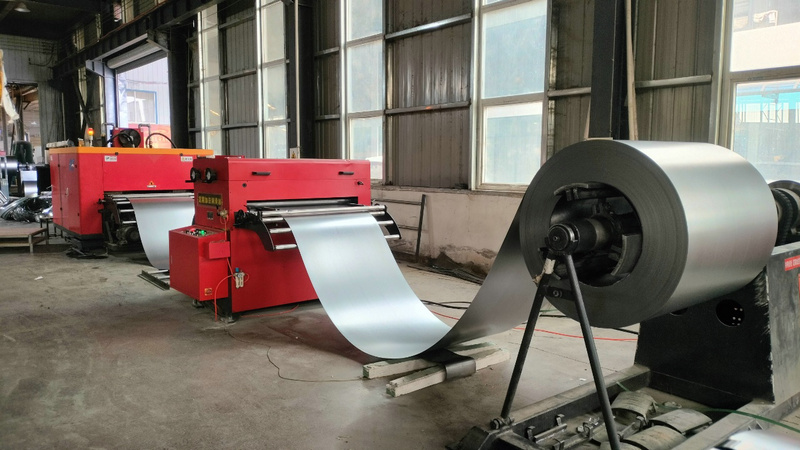
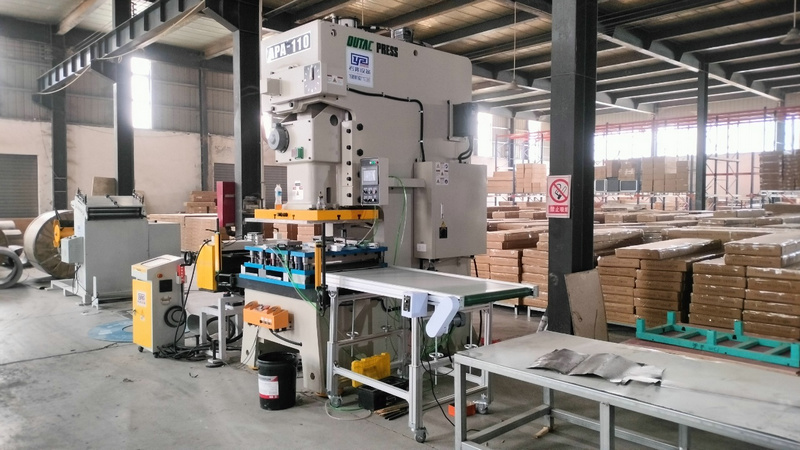
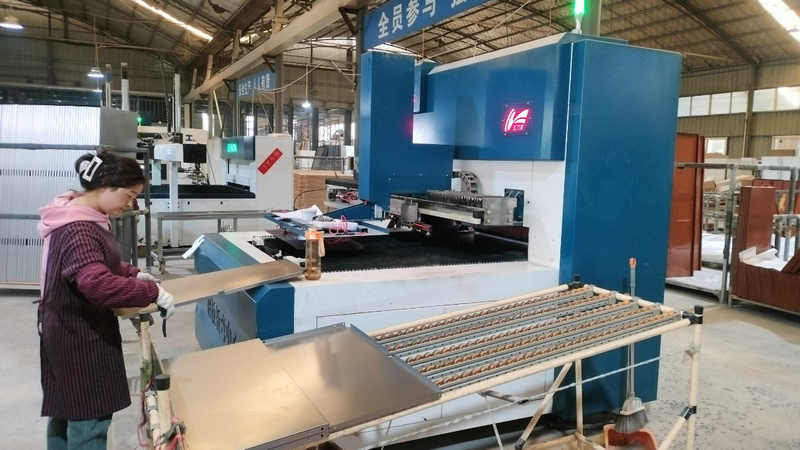
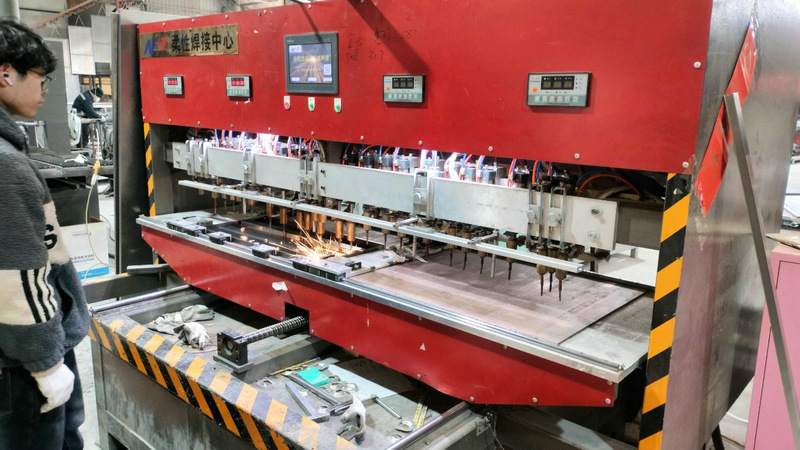
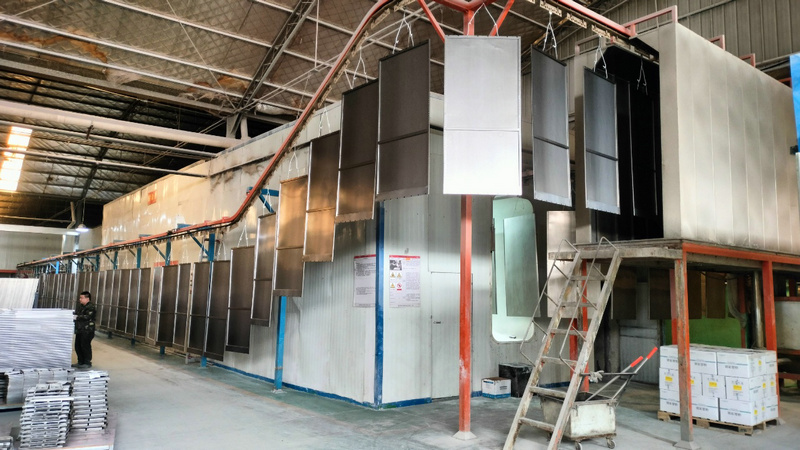
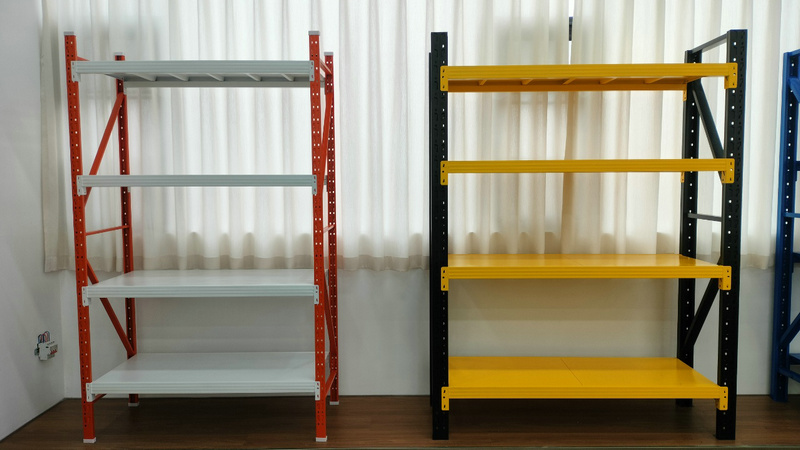
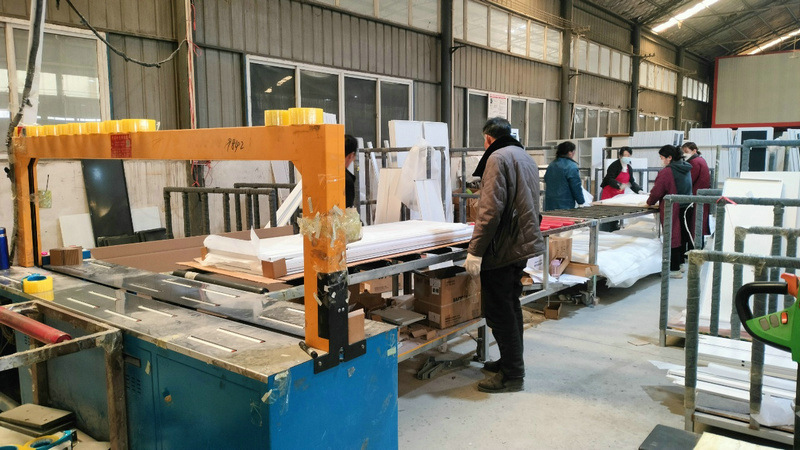
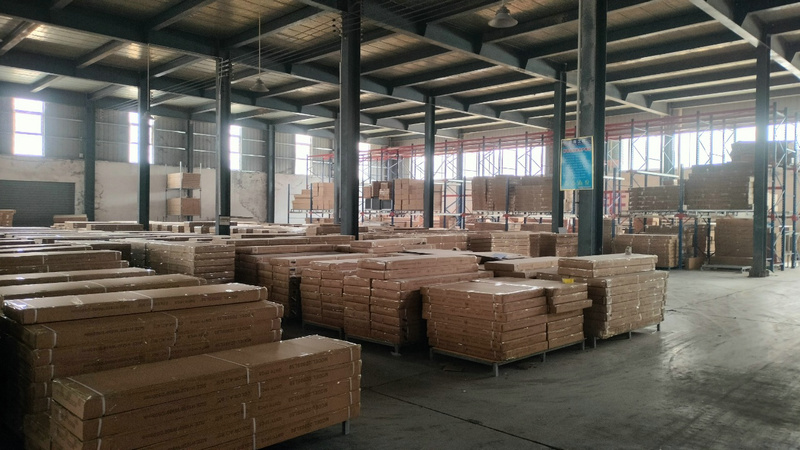
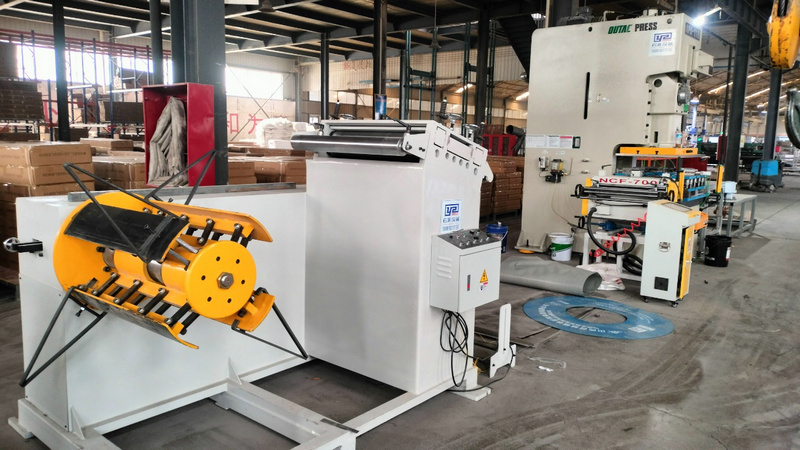
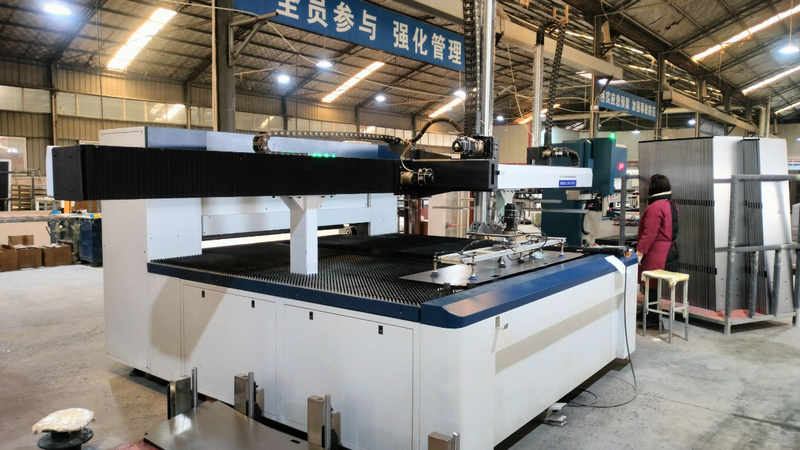
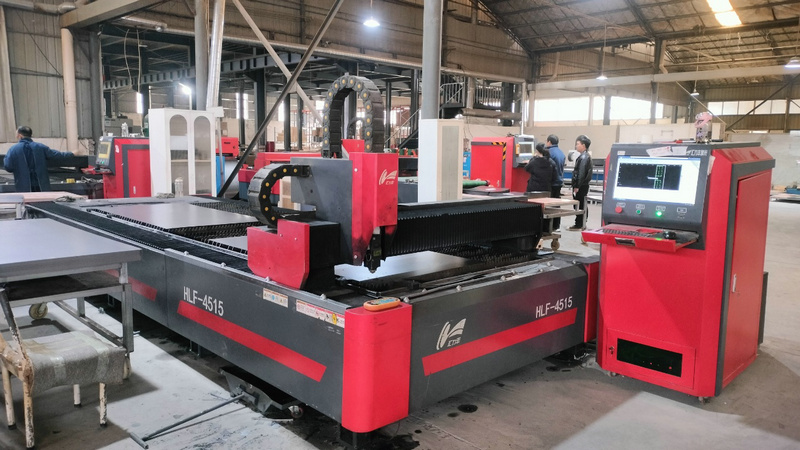
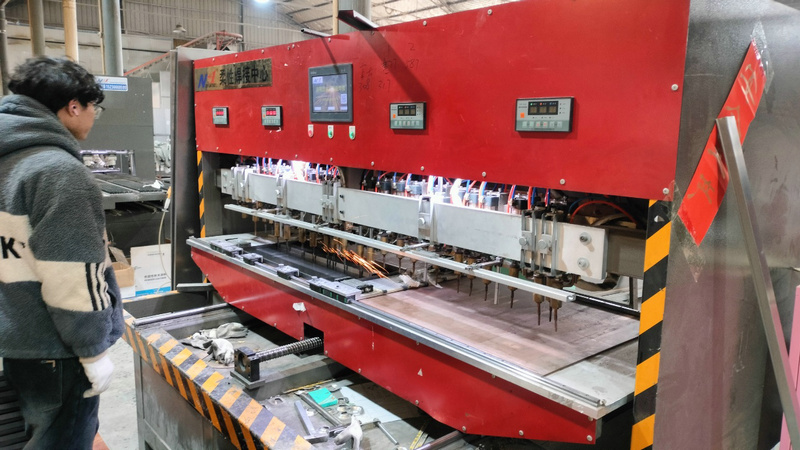
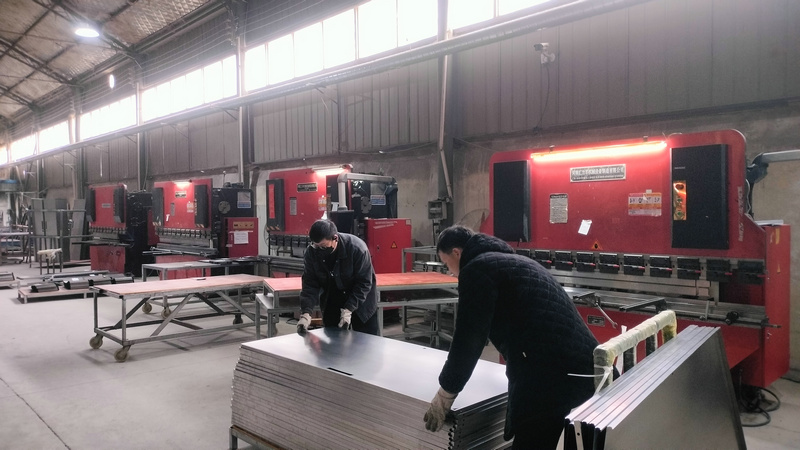
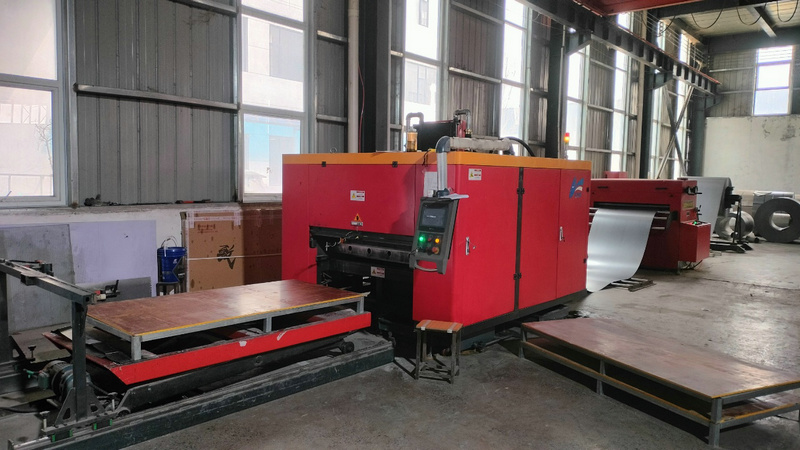
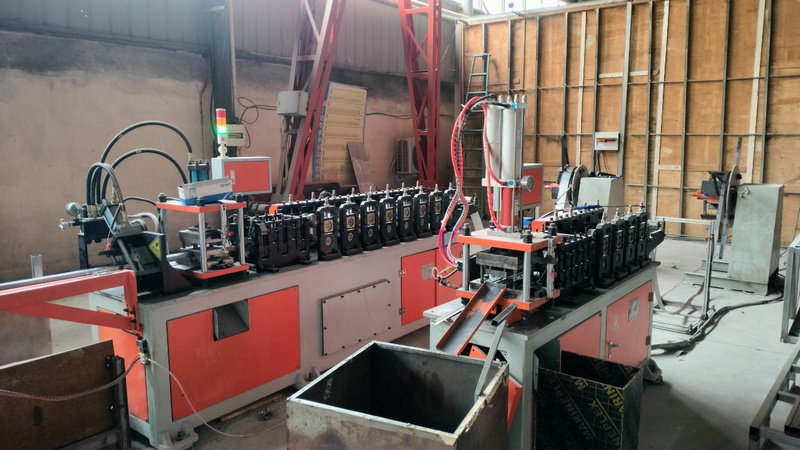
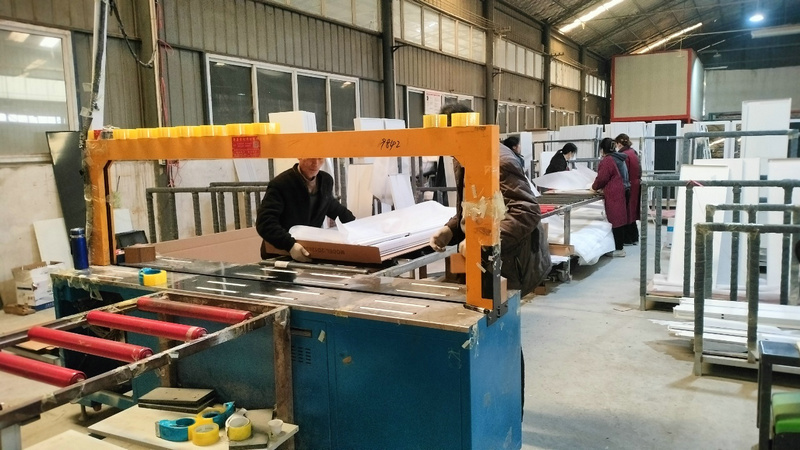
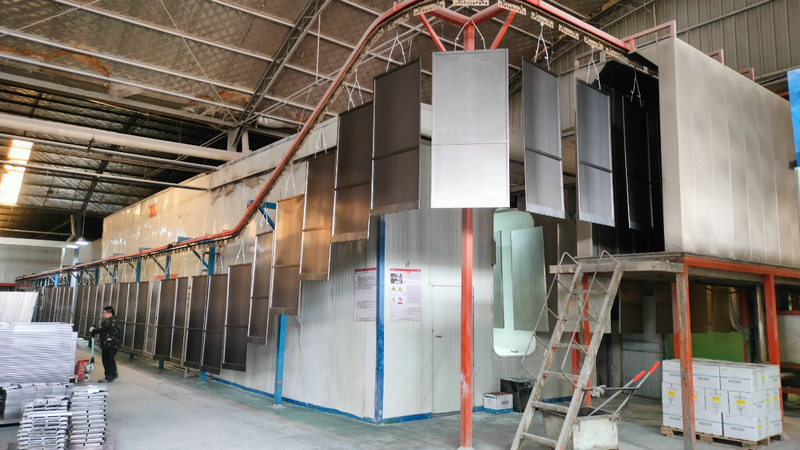
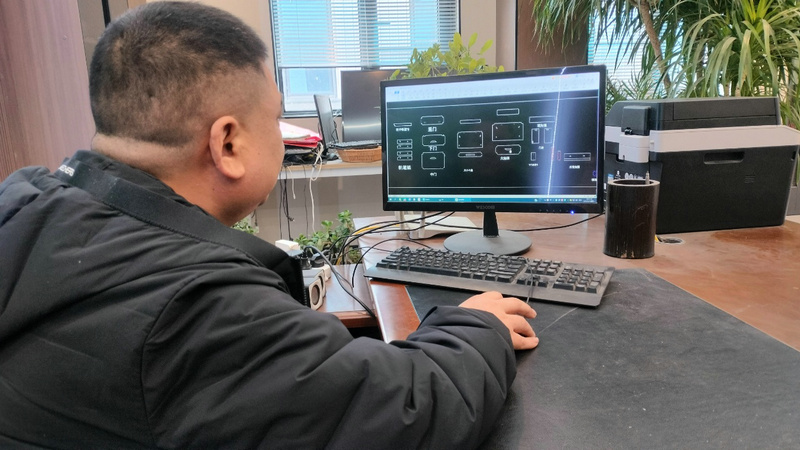
Procurement professionals and lead contractors managing large-scale archival or warehouse developments must consider parameters beyond the immediate purchase price. A reliable procurement evaluation requires reviewing the manufacturing scale, capacity certifications, supply chain robustness, and long-term operating costs.
At Shenzhen Shunyiming, we mitigate procurement risk for our Australian clients by offering:
Our structural engineering department uses advanced CAD and BIM modeling to custom-configure dimensions, specialized anti-corrosion coatings, and seismic-resistant layout configurations tailored to specific building spaces.
We work with trusted logistics partners to offer direct shipping corridors to major Australian ports, including Sydney, Melbourne, Brisbane, and Fremantle. Our logistics team handles international customs documentation to ensure reliable delivery schedules.
We perform raw material testing, online weld monitoring, and load stress testing for every production batch. All units are backed by international safety standards, including CE and ISO9001 certifications.
High-density and motorized steel systems configured for commercial archives, libraries, and industrial hubs across the Australian market.
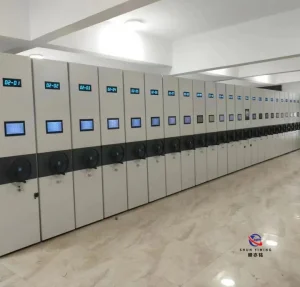
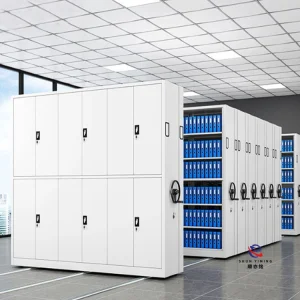
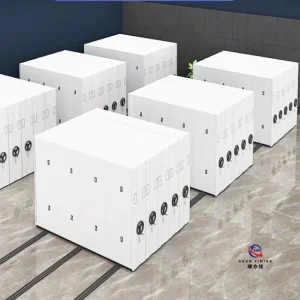
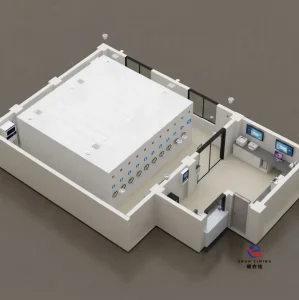
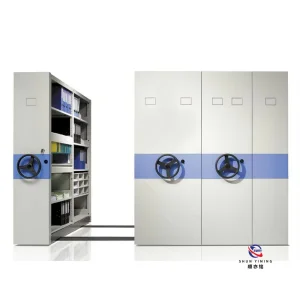
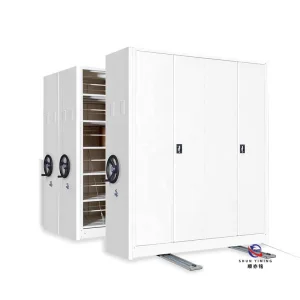
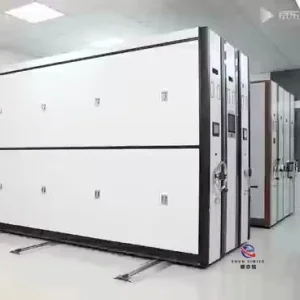
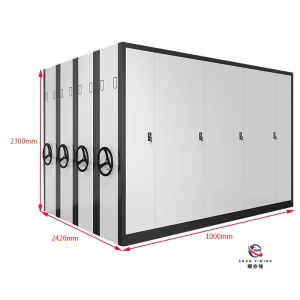
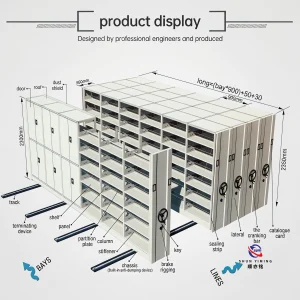
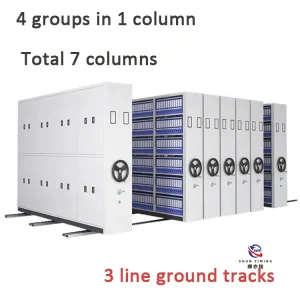
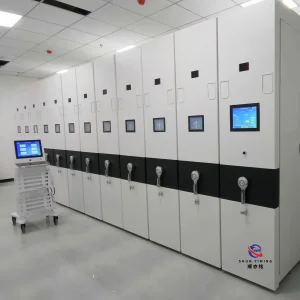
Successful project delivery relies on efficient shipping and logistical coordination. Standard ocean transit from our advanced facility to major ports in Eastern Australia typically averages 18 to 22 days. To ensure a smooth process upon arrival, we supply complete container documentation, including commercial invoices, certificates of origin, detailed packing lists, and low-VOC powder coating compliance certificates. This simplifies customs clearance and minimizes processing delays.
On-site installation is critical to structural safety. Heavy-duty mobile shelving systems require precisely leveled guide tracks, solid floor anchoring, and accurate load balance adjustments. Shenzhen Shunyiming supports your local assembly teams by providing:
We provide comprehensive step-by-step schematics and technical layouts detailing track level tolerances, anchor spacing, and mechanical drive adjustments.
Our structural engineering team offers live remote video consultations to help resolve challenges and guide local installation contractors through the setup process.
For motorized electric systems, we supply clear wiring diagrams, controller instructions, and safety sensor configuration guides to ensure proper integration with local building power systems.
Get technical and structural answers regarding mobile shelving engineering and compliance for Australian projects.
 Shunyiming Racking