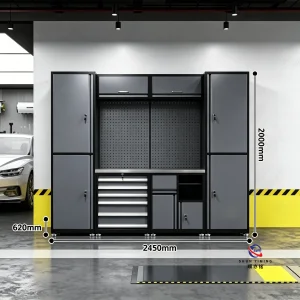
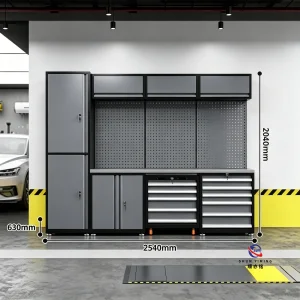
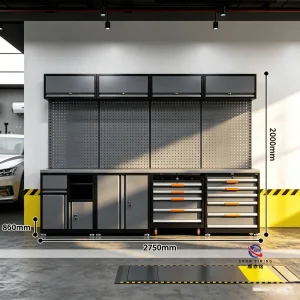
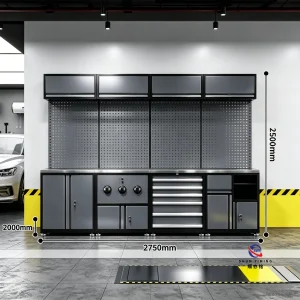
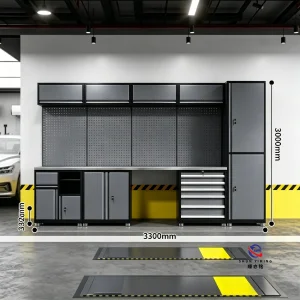
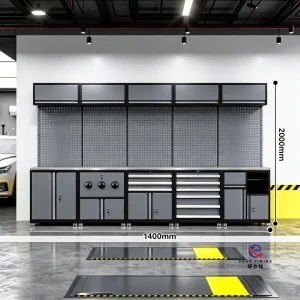
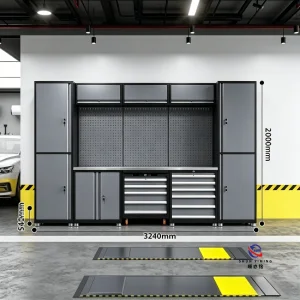
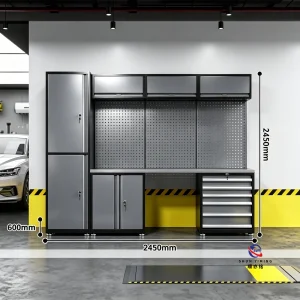
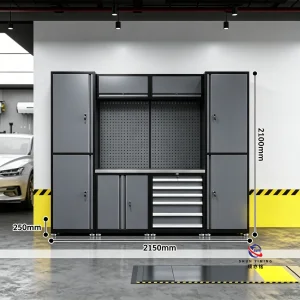
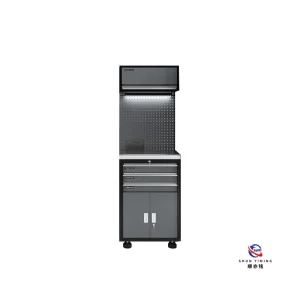
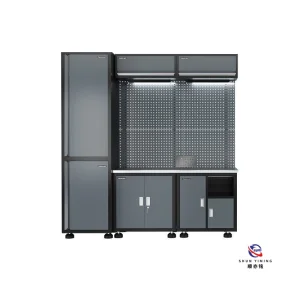
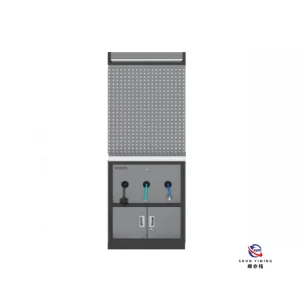
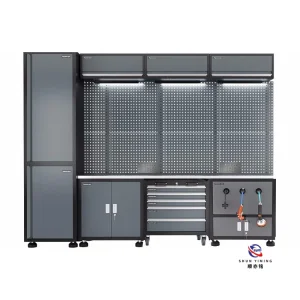
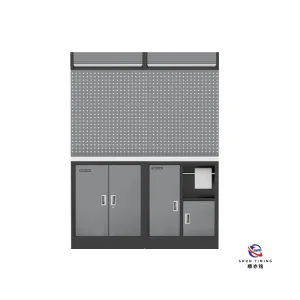
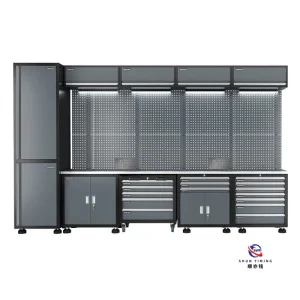
Premium ergonomic steel workbench assemblies and modular cabinets engineered for Japan's high-tech manufacturing corridors.
Nagoya, the capital of Aichi Prefecture, stands as the undisputed heart of Japan's heavy industry, automotive engineering, and aerospace manufacturing. Hosting global giants like Toyota Motor Corporation and Mitsubishi Heavy Industries, the region demands an uncompromising standard for industrial organization, ergonomics, and structural reliability.
In a region renowned for pioneering the Toyota Production System (TPS) / Lean Manufacturing, workspace optimization is not merely about storage—it is a critical driver of cycle-time reduction and operational safety. Modern Nagoya assembly lines, maintenance bays, and electronics laboratories require integrated, modular heavy-duty tools combination stations and intelligent warehouse racking systems to support high-speed Kaizen workflows.
As Nagoya's manufacturing plants transition toward Industry 4.0, there is an escalating need for heavy-duty workbenches with built-in digital interfaces, ESD (electrostatic discharge) safety, integrated pneumatic supply structures, and ultra-high load capacity ratings. To compete in this rigorous market, tool combination systems must offer structural thickness of SPCC cold-rolled steel, high-durability epoxy coatings, and flexible modular extensions.
How modern production facilities are redefining floor space, ergonomics, and smart hardware integration.
Fixed tooling setups are being replaced by modular systems that can be rapidly reconfigured to form custom assembly cells. Interchangeable components—such as pegboards, overhead LED tracks, and multi-cabinet lock systems—allow rapid adaptions to changing assembly lines.
With the rapid electrification of the automotive sector (EV battery packs and sensors), workbenches must feature robust static dissipative (ESD) tops, integrated power management systems, and pneumatic manifolds that link directly to central SCADA systems.
Heavy machinery, aerospace components, and automotive tooling blocks require work surfaces capable of bearing static loads of 2000kg or more. Dual-gusset reinforced leg frames and robotic continuous-welded joints guarantee structural reliability under stress.
Addressing the complex supply chain requirements of international logistics hubs, plant operators, and B2B distributors.
B2B procurement directors facing complex global supply chains look for manufacturers who can handle heavy volume without sacrificing structural consistency. From initial structural layout simulations using Finite Element Analysis (FEA) to post-delivery site layout adjustments, the requirements are clear: absolute consistency, zero defects, and localized compliance.
Whether deploying 500 units of custom workstations for a new semiconductor fab near Nagoya or establishing a regional automotive tier-1 distribution hub, smart storage system integration is the core of structural efficiency. This is why our R&D engineering department, consisting of 18 senior structural designers, utilizes automated layout software to map out storage layouts that increase floor space utilization by up to 40%.
Furthermore, our logistics-optimized packaging ensures that double-reinforced crating minimizes overseas transit damages, reducing complex assembly delays on arrival.
Shenzhen Shunyiming Trading Co., Ltd. integrates state-of-the-art automation and structural engineering to deliver premium solutions globally.
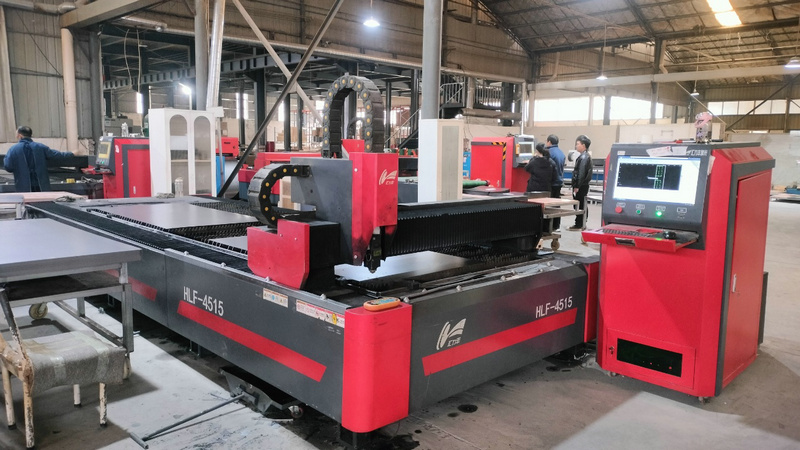
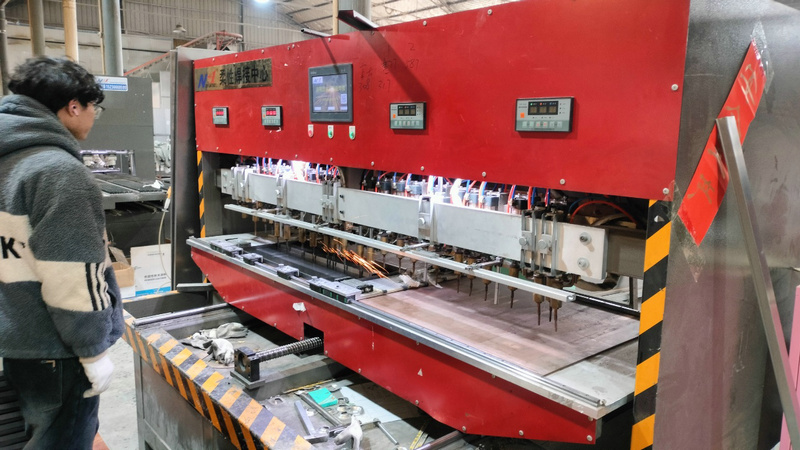
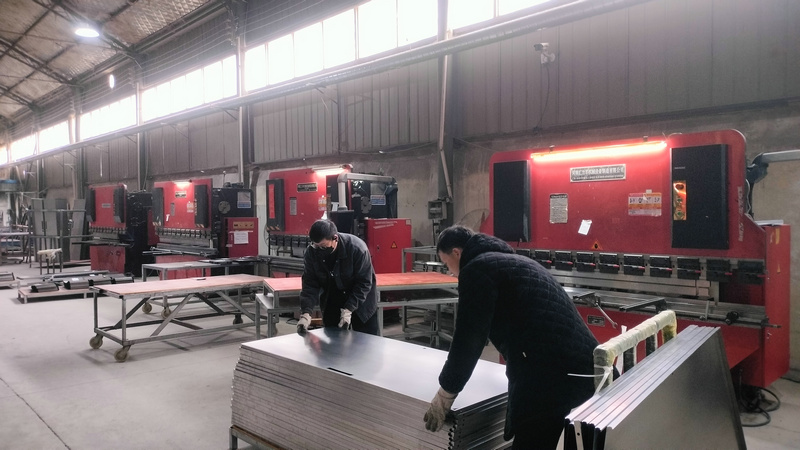
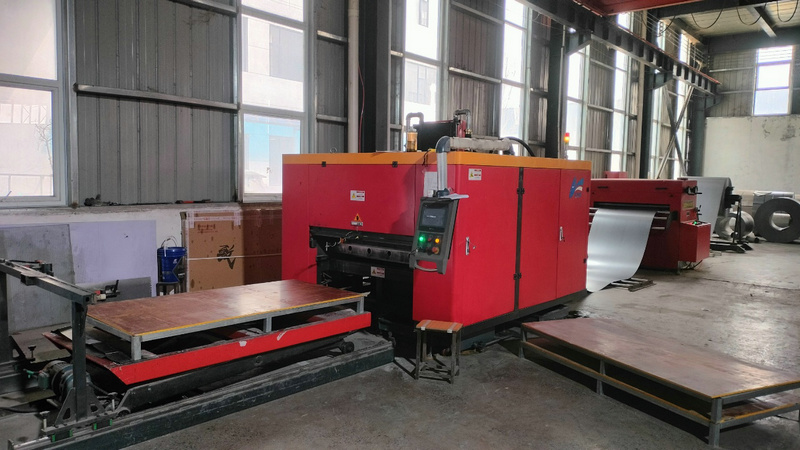
Established in 2015, Shenzhen Shunyiming Trading Co., Ltd. is a premier manufacturer and global supplier specializing in heavy-duty industrial racking and smart warehouse storage systems. Operating out of a state-of-the-art facility spanning over 32,000 square meters, we bring over 14 years of deep industry expertise and 8 years of dedicated international trade experience to the global market. Driven by innovation, our annual export revenue has reached USD 28 million, serving clients across North America, Europe, Southeast Asia, and the Middle East.
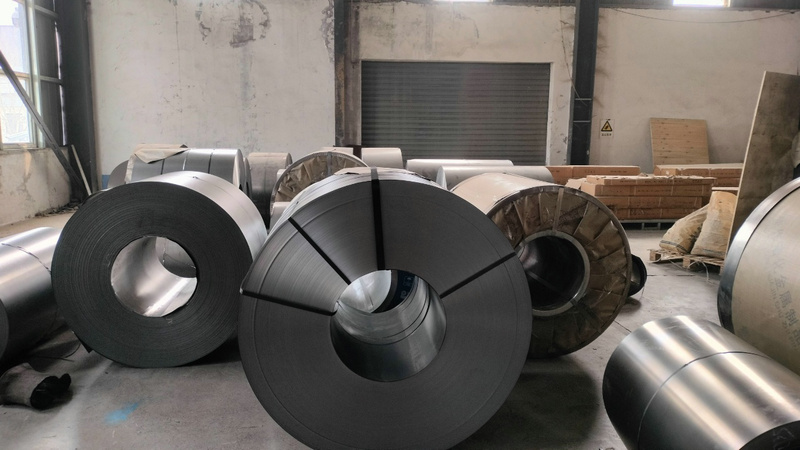
At Shenzhen Shunyiming, quality and structural integrity are paramount. Supported by a robust network of more than 800 supply chain partners, we cater primarily to global logistics hubs, large-scale enterprise warehouses, industrial distributors, and e-commerce fulfillment centers. Our dedicated quality control team of 45 certified inspectors enforces rigorous testing protocols—including full raw material incoming inspection, automated online weld integrity monitoring, and heavy load-capacity stress tests—ensuring every racking system meets international safety standards like ISO9001 and CE.
Innovation is deeply embedded in our operations. Our end-to-end foreign trade expertise and strong R&D department, staffed by 18 senior structural engineers, enable full OEM/ODM customization. From dynamic load calculations and custom dimensions to specialized anti-corrosion powder coatings and seismic-resistant layouts, we deliver tailor-made solutions. In the past year alone, our R&D team successfully introduced 65 new product designs to help our clients optimize warehouse footprint and operational efficiency.
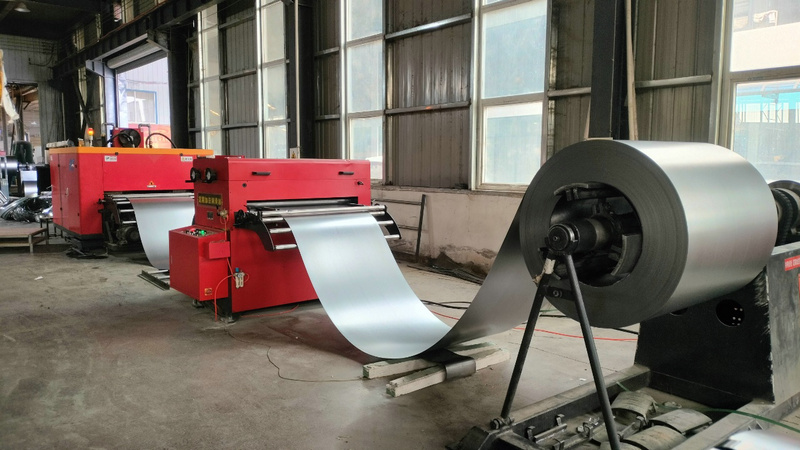
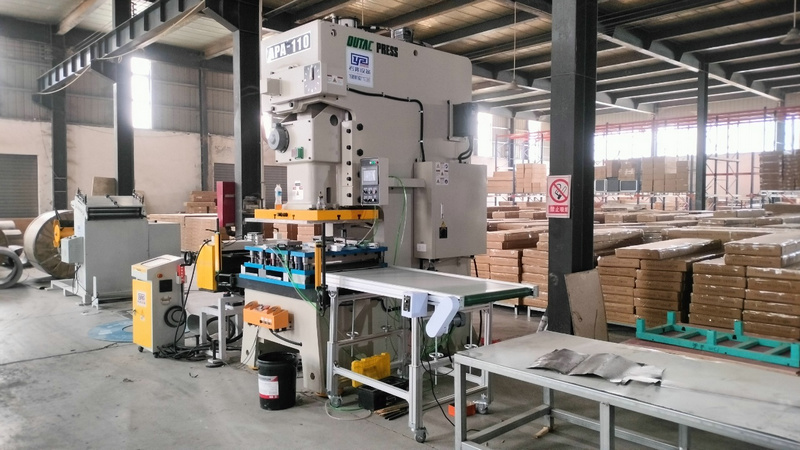
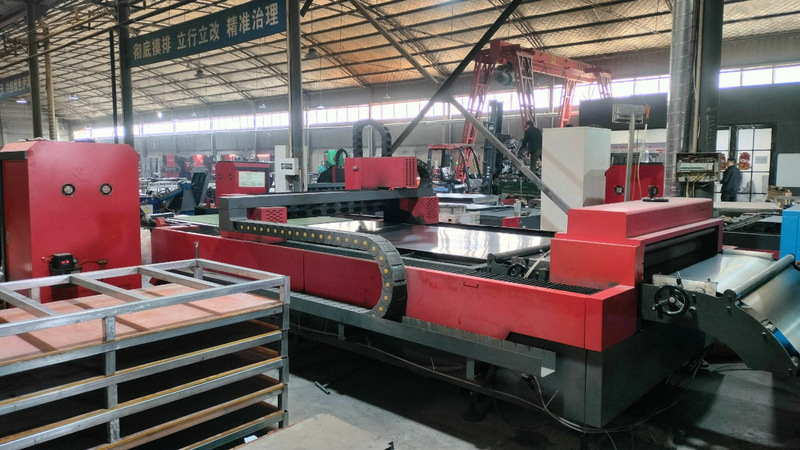
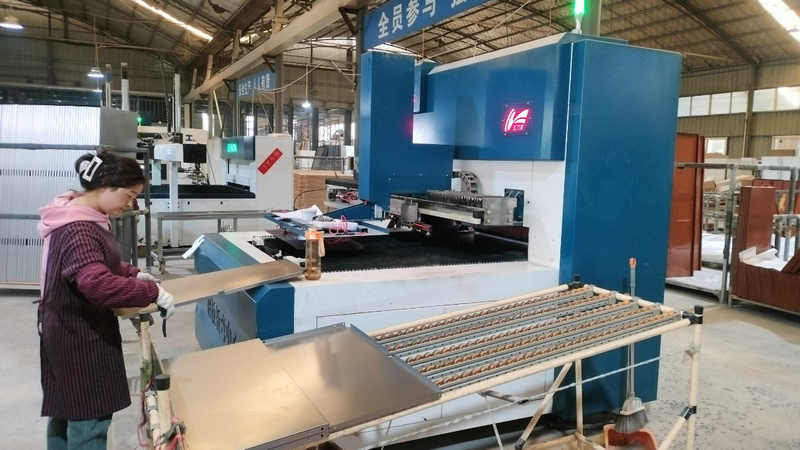
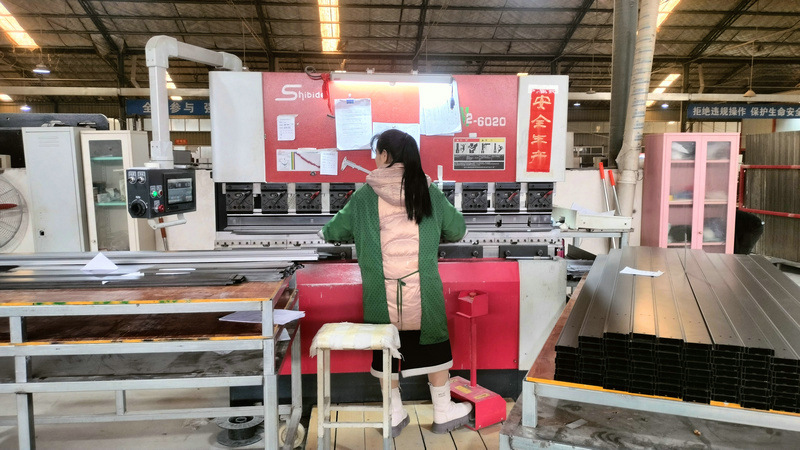
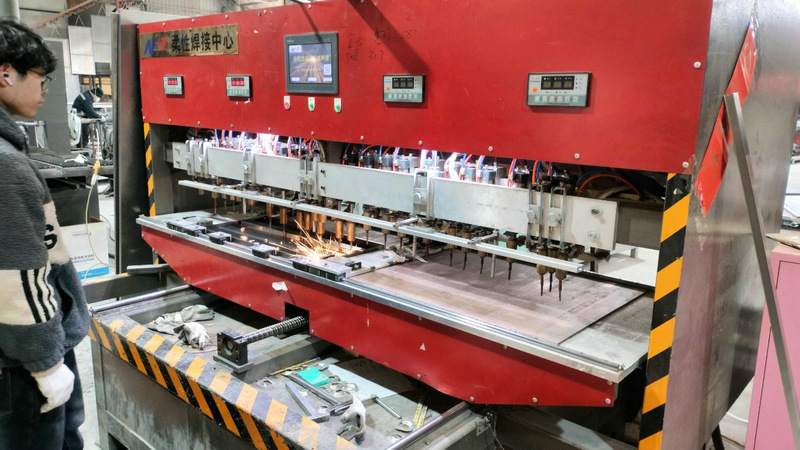
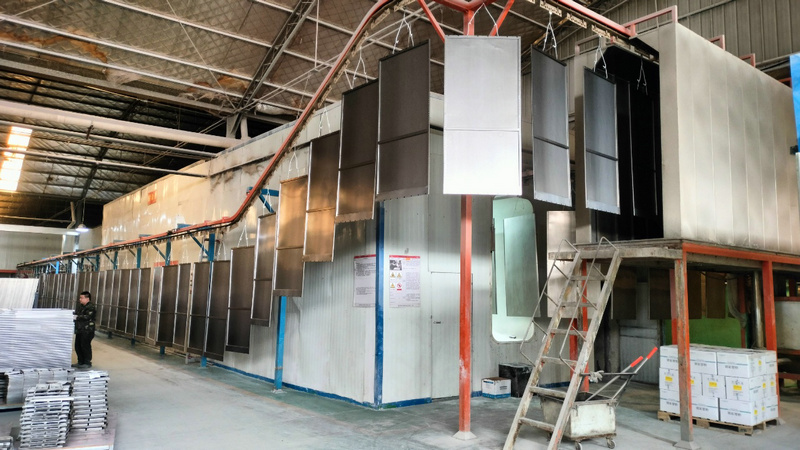
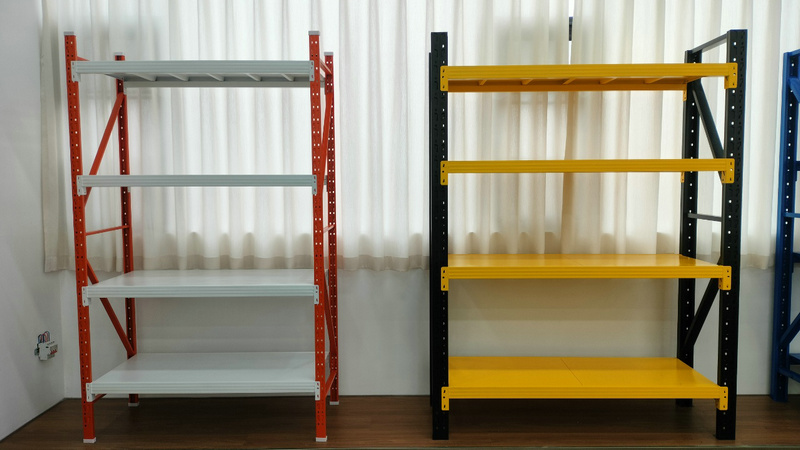
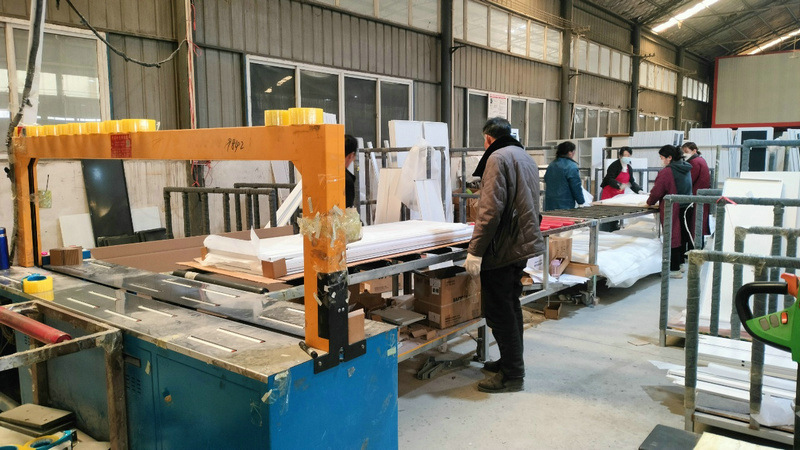
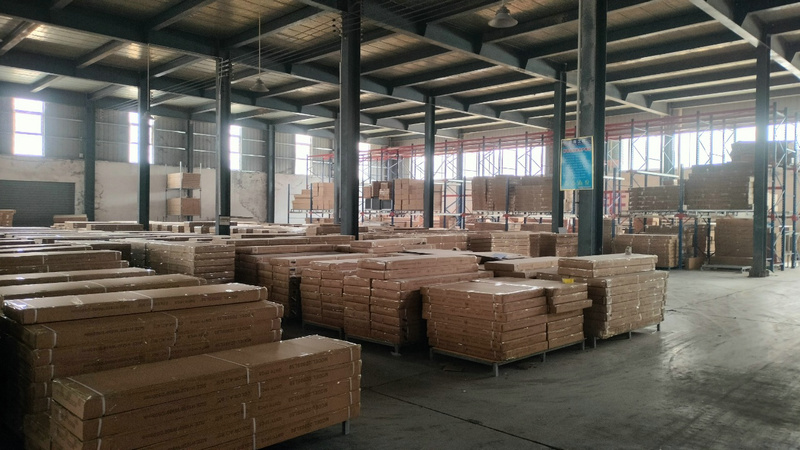
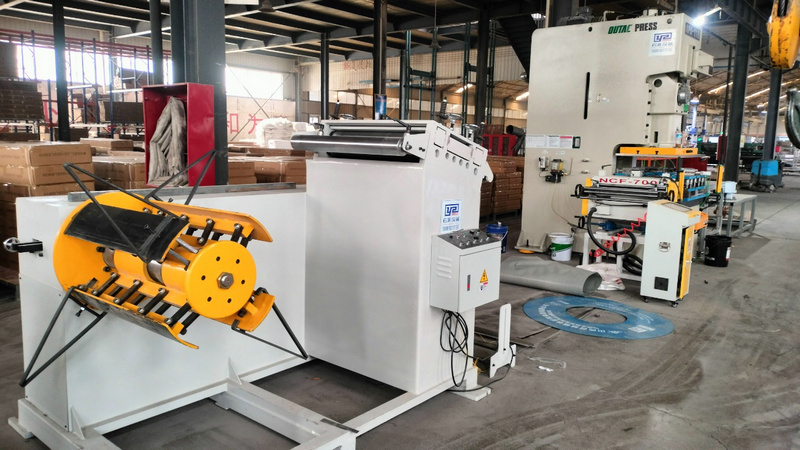
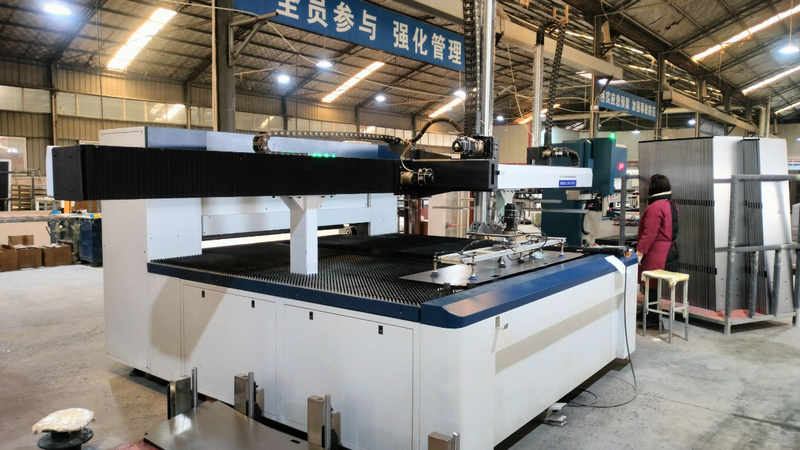
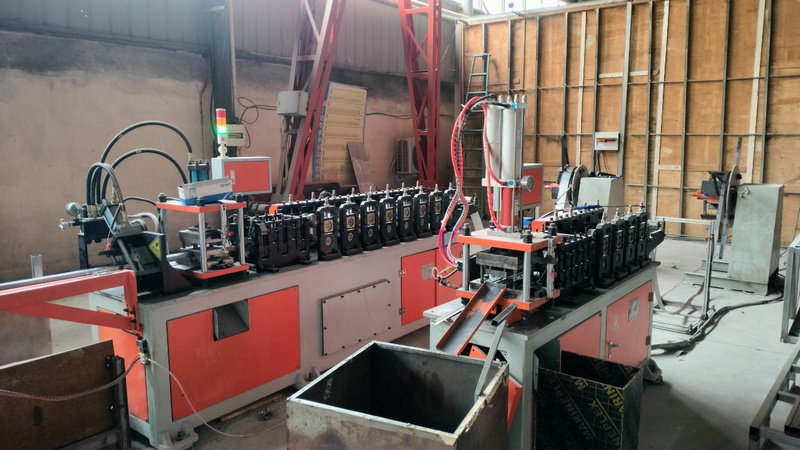
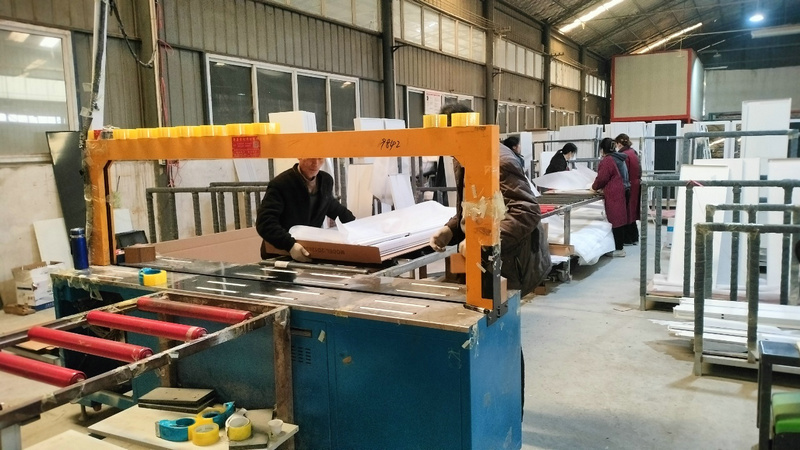
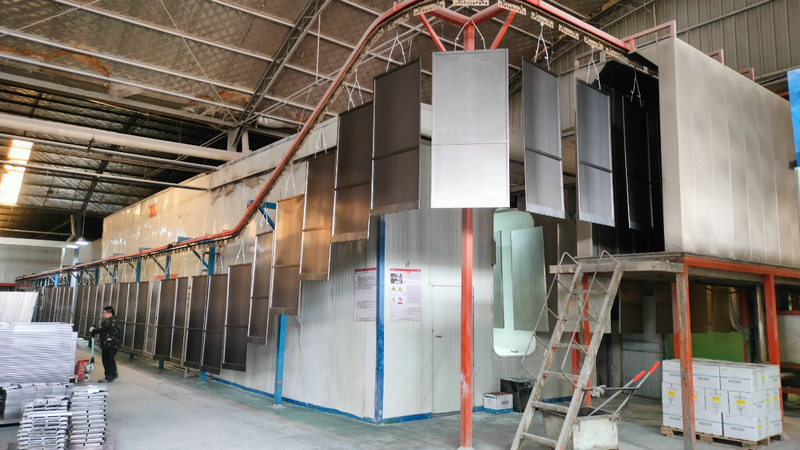
Explore our extensive range of high-capacity storage combinations and heavy-duty steel workstations engineered for Nagoya manufacturing specifications.
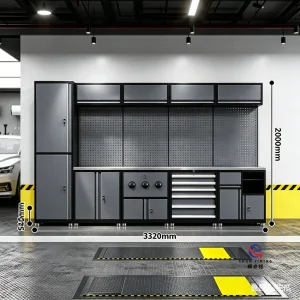
Aligning with JIS structural criteria, local regulations, and efficient Tokai region logistics support.
Navigating Japanese supply chains requires adherence to rigorous testing certifications. All of our heavy-duty workstations, shelving systems, and combined drawer units undergo rigorous validation checks corresponding to JIS (Japanese Industrial Standards) for mechanical load stress and surface endurance.
For our partners in Aichi and across Japan, we offer robust logistics coordination that handles customs declarations and local flat-bed distribution to Nagoya, Toyota City, and Komaki hubs. Our design teams perform site capacity stress evaluations (accounting for active seismic factors common in the Tokai region) to ensure structural anchoring designs comply with local building regulations.
Pioneering the next generation of modular systems for fully integrated smart factories.
Designing low-profile base structures that allow automated guided vehicles to seamlessly pick up and move modular workbench components across the plant floor.
Transitioning all paint and coating shops to VOC-free, carbon-neutral powder materials to align with the Scope 3 emission targets of multinational automotive manufacturers.
Integrating RFID-enabled drawer inserts and smart pegboard sensors to log real-time tool usage, reducing retrieval times and preventing assembly line errors.
Expert insights on customization, structural limits, compliance, and logistics for international plant buyers.
 Shunyiming Racking